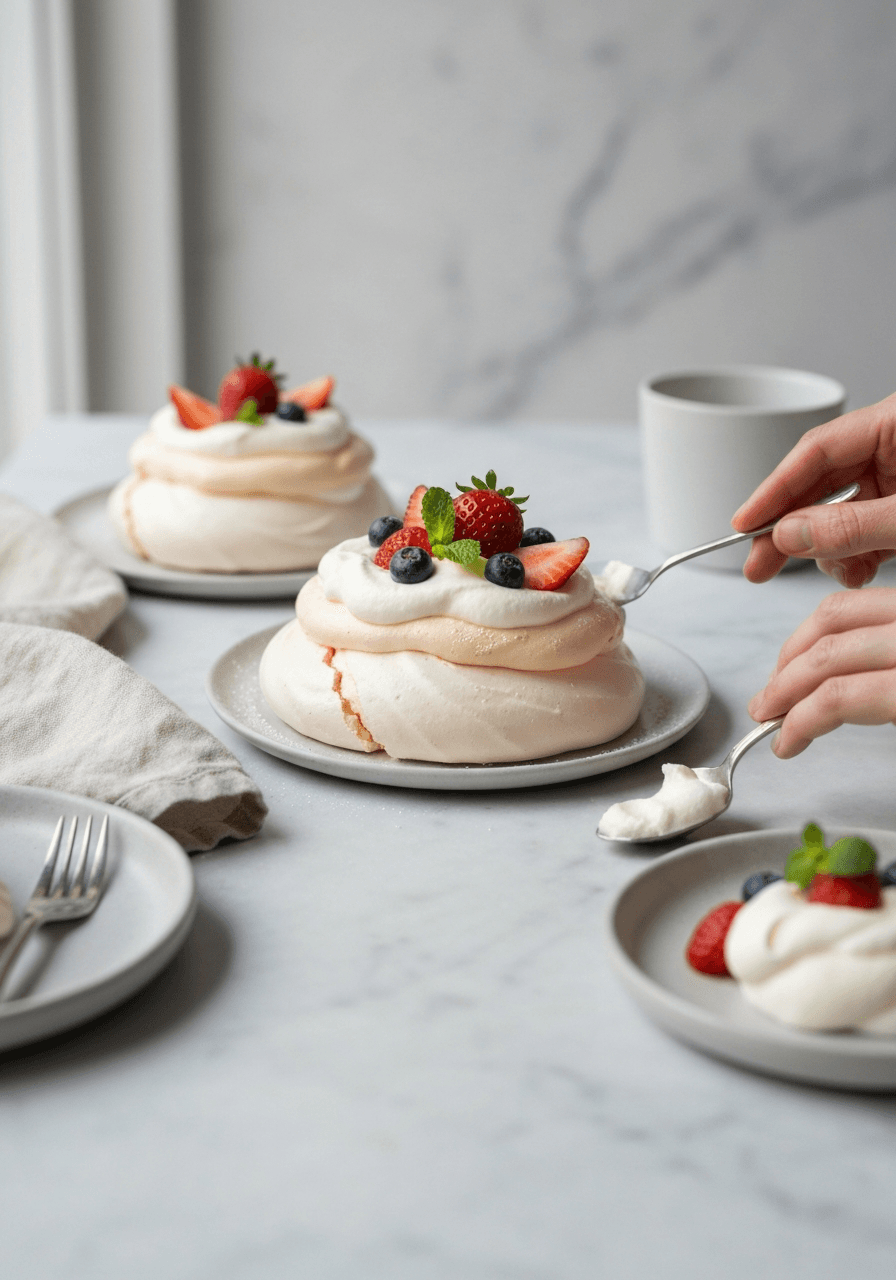
Pavlova — Meringue Cloud
Crisp meringue shell, marshmallowy center, topped with whipped cream and fresh fruit. A textural delight that's surprisingly easy to make.
A light and airy meringue dessert with a crisp shell and marshmallowy center, topped with whipped cream and fresh fruit. An Australian classic.
Dissolve the sugar completely into the egg whites to create a stable meringue that won't collapse.
The fit, timing, and key move are all here. If it is a yes, go straight into cook mode.
Crisp meringue shell, marshmallowy center, topped with whipped cream and fresh fruit. A textural delight that's surprisingly easy to make.
Set your units, then drop the ingredients into grocery if this is happening later.
What matters before the pan gets hot
The shortest path to understanding the dish, the key move, and whether tonight is the right time to cook it.
The Hook
**The key to a perfect pavlova is achieving that delicate balance between a crisp outer shell and a soft, marshmallowy interior.**
The Technique
The meringue's structure relies on the dissolution of sugar into the egg whites, creating a stable foam. Low and slow baking dries the meringue without browning, resulting in its signature crispness. Cornstarch helps stabilize the meringue and contributes to the soft interior.
The History
The Pavlova is a meringue-based dessert named after the Russian ballerina Anna Pavlova. Its creation is claimed by both Australia and New Zealand, dating back to her tours in the 1920s.
Food Facts
Sourced notes. Tap to verify.
Mise en place means setting up your ingredients and tools before you start cooking. It is a professional workflow trick that reduces mistakes, keeps timing tight, and makes cooking feel calmer.
A light and airy meringue dessert with a crisp shell and marshmallowy center, topped with whipped cream and fresh fruit. An Australian classic.
Nutrition per Serving
Estimated valuesSatiety
Data estimatedTechnique, context, and fallback plans
The reason the method works, the prep you can do early, and what to change if the dish starts drifting.
Pavlova, a dessert as ethereal as its namesake, is more than just meringue; it's a canvas for celebrating seasonal bounty. Imagine a cloud of sweetness, its delicate shell yielding to a soft, marshmallowy heart. This isn't just a dessert; it's an experience, a textural symphony that dances on the palate.
Born from the culinary rivalry between Australia and New Zealand, the Pavlova's origins are shrouded in a sweet, sugary mystery. Both nations lay claim to its creation, each weaving tales of its invention in honor of the Russian ballerina Anna Pavlova's visit in the 1920s. Regardless of its true birthplace, the Pavlova has become a beloved dessert, a symbol of celebration and indulgence.
What sets a great Pavlova apart is the careful balance of textures and flavors. The crisp meringue shell, achieved through patient baking and cooling, gives way to a soft, almost molten interior. Topped with a generous dollop of freshly whipped cream and an array of vibrant fruits, the Pavlova becomes a feast for both the eyes and the taste buds. It's a dessert that invites creativity, allowing you to tailor the toppings to your personal preferences and the season's offerings.
Baking a Pavlova is an act of culinary alchemy, transforming simple ingredients into something truly magical. It's a testament to the power of patience, precision, and a touch of imagination. So, gather your ingredients, preheat your oven, and prepare to embark on a journey to create your own edible cloud of delight.
Meringue is cracking.
Cool the pavlova slowly in the oven with the door ajar. Avoid sudden temperature changes.
Meringue is weeping (sugar syrup forming).
Ensure sugar is fully dissolved into the egg whites. Use superfine sugar if possible.
Use this in Focus
Turn this nutrition profile into a week you can plan, shop, and actually cook.
Set up, cook, and remember what worked
The mise, the method, your notes, and the next recipes to master after this one lands.
The Setup
- Stand Mixer
- Baking Sheet
- Parchment Paper
The Mise en Place
5 of 7Your prep station before cooking begins
PREHEAT
Preheat oven to 250°F (120°C). Line a baking sheet with parchment paper.
BEAT
Time-sensitiveIn a clean, dry bowl, beat egg whites (6 large) with cream of tartar (¼ tsp) until soft peaks form.
Soft peaks that gently fold over
ADD
Time-sensitiveGradually add sugar, one tablespoon at a time, beating well after each addition until the meringue is glossy and stiff peaks form. Ensure sugar is fully dissolved.
Meringue is stiff, glossy, and holds its shape
FOLD
Fold in vanilla extract (1 tsp).
SHAPE
Spoon or pipe the meringue onto the prepared baking sheet into a circle about 8 inches in diameter, creating a slight well in the center.
Meringue is evenly shaped with a slight depression in the center
BAKE
Time-sensitiveBake for 1 hour 30 minutes, then turn off the oven and let the pavlova cool completely inside the oven with the door slightly ajar. This prevents cracking.
Pavlova is dry to the touch, but still white • Crisp outer shell.
WHIP
Prep aheadWhile the pavlova cools, whip heavy cream (1 cup) with powdered sugar (2 tbsp) until soft peaks form.
Cream holds soft peaks
TOP
Once the pavlova is completely cool, gently transfer it to a serving plate. Top with whipped cream and fresh berries (2 cups).
Pavlova is topped with whipped cream and berries
SERVE
Serve immediately and enjoy!
Service Log
Log your variables. Iterate like a pro.
Clean slate.
Log your variables after the first run.
Master These Next
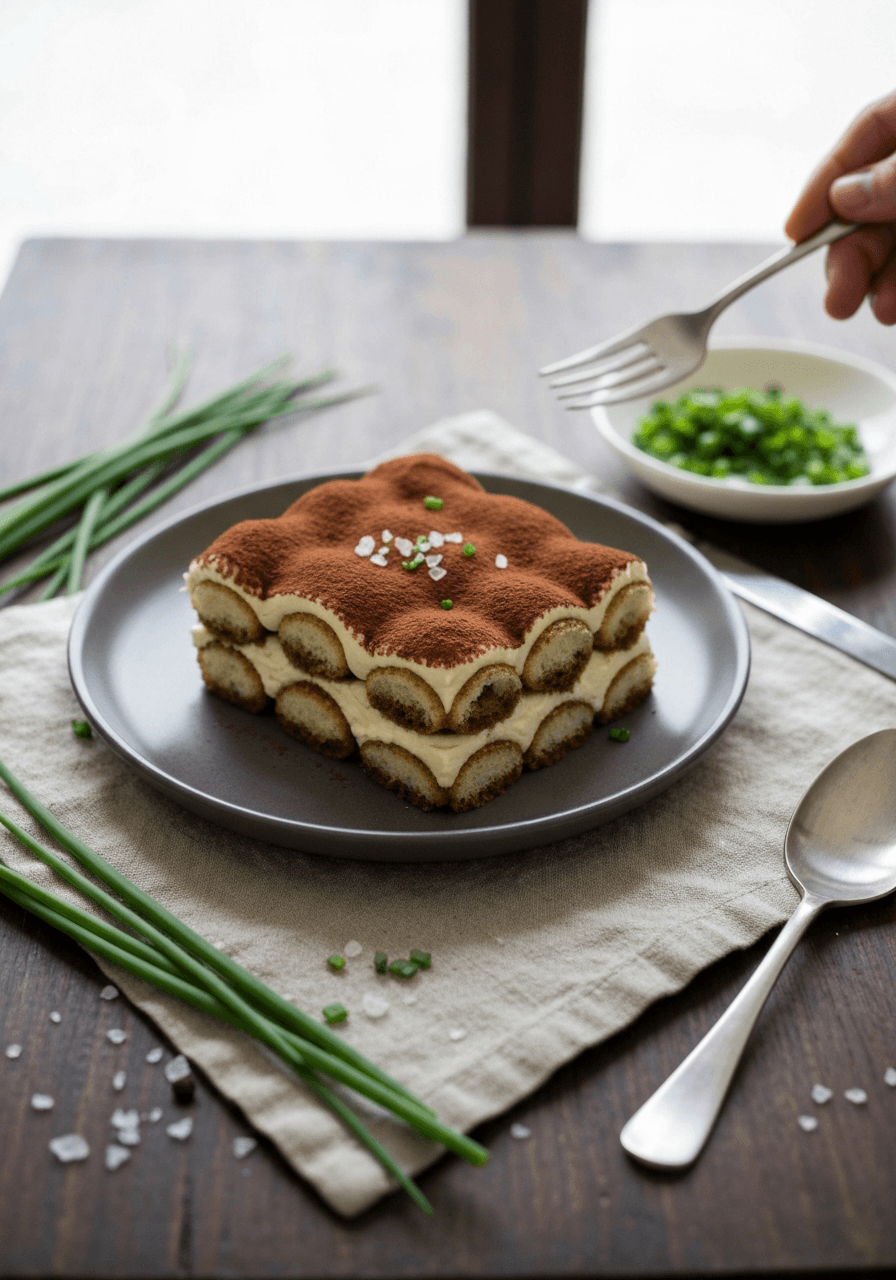
Tiramisu — No Raw Eggs
Indulge in the classic Italian dessert, tiramisu, made safe and delicious without raw eggs. Coffee-soaked ladyfingers meet creamy mascarpone in every bite.
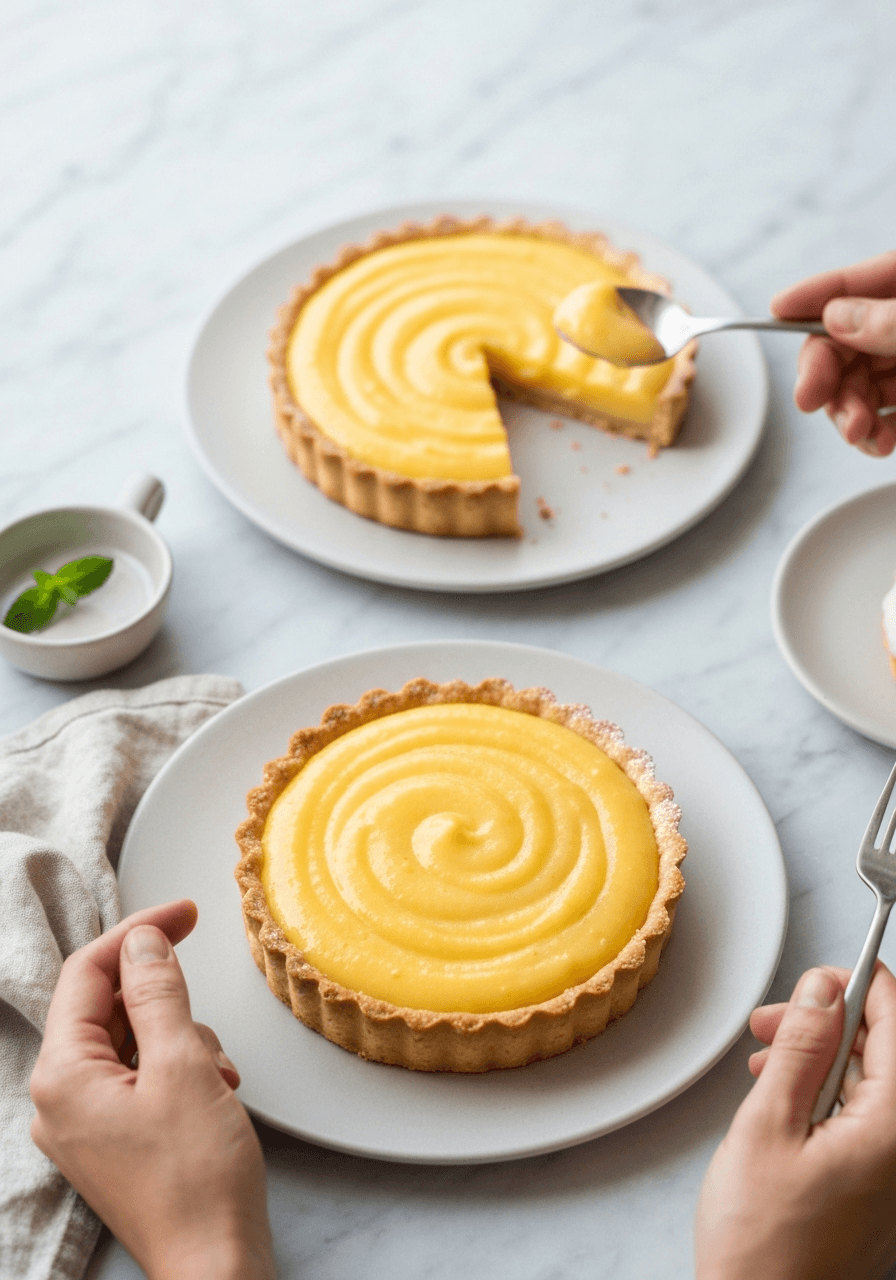
Lemon Tart — Curd Filled
A classic French lemon tart with a buttery crust and a tangy, smooth lemon curd. The perfect balance of sweet and tart.
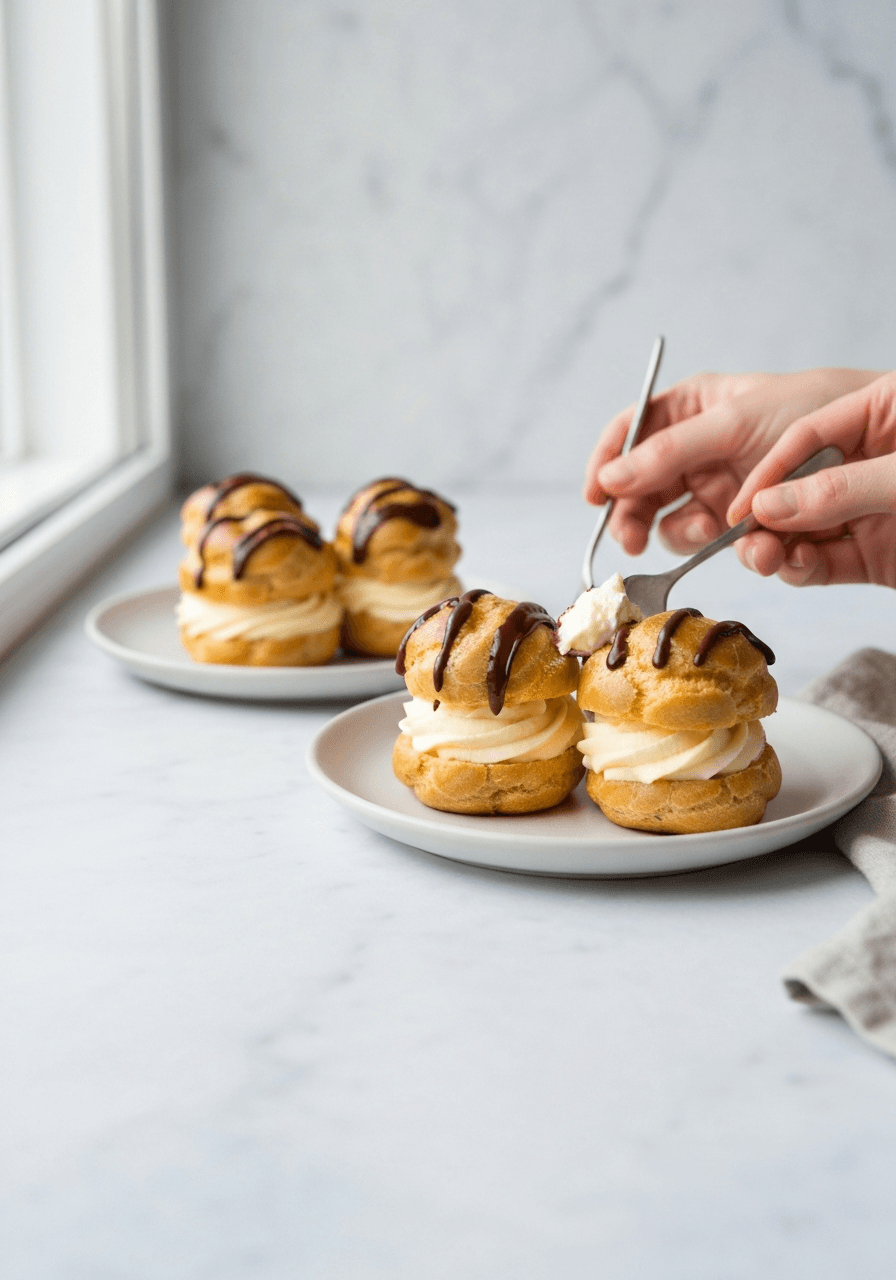
Profiteroles — Cream Puffs
Delicate, airy cream puffs filled with sweet cream and drizzled with dark chocolate. A classic French dessert that's surprisingly easy to make at home.