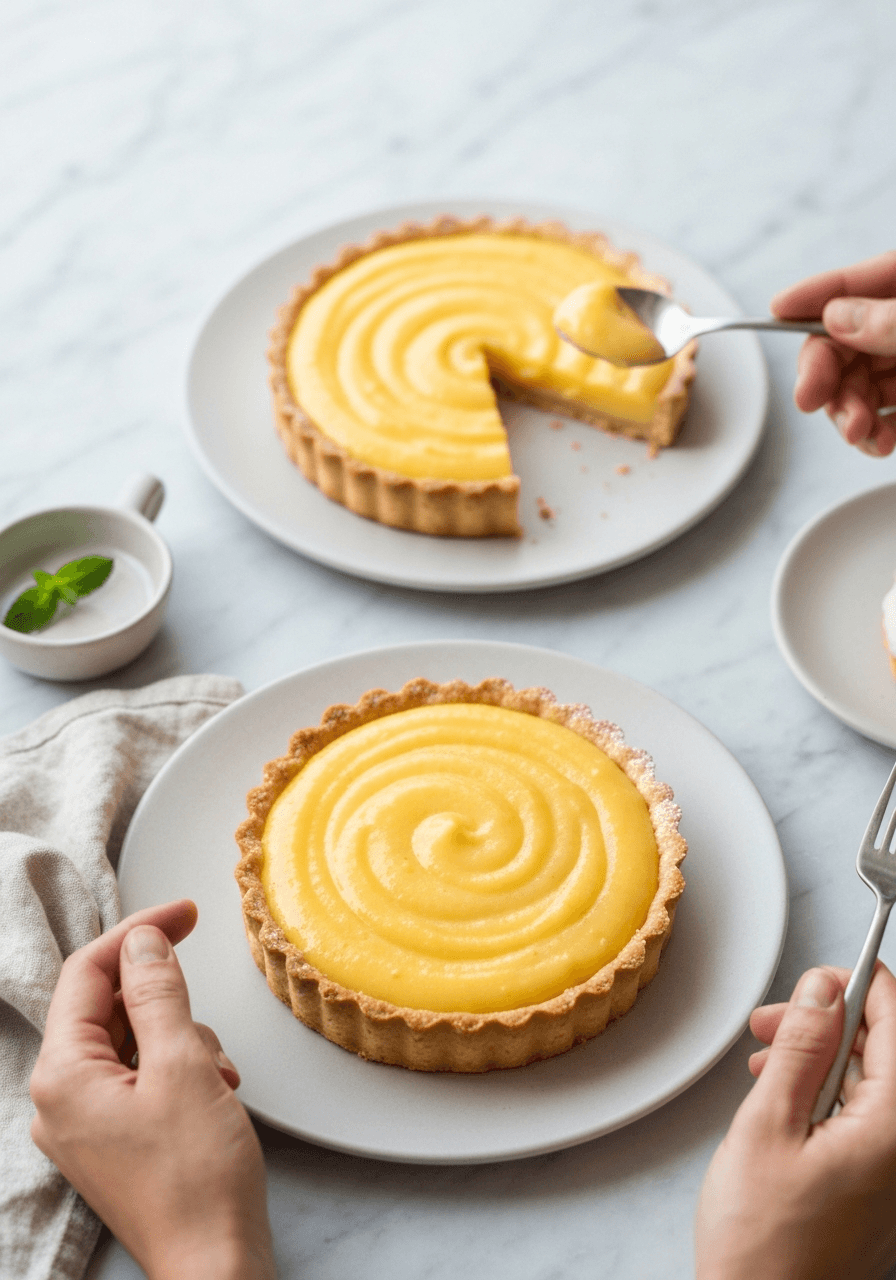
Lemon Tart — Curd Filled
A classic French lemon tart with a buttery crust and a tangy, smooth lemon curd. The perfect balance of sweet and tart.
30 min active, minimal dishes
Lemon Tart — Curd Filled
A classic French lemon tart with a buttery crust and a tangy, smooth lemon curd. The perfect balance of sweet and tart.
30 min active, minimal dishes
Key move
Blind bake the tart crust until golden brown and completely set to prevent a soggy bottom.
Cook mode keeps your place
Larger text, ingredients in reach, and saved step progress while you cook.
The Setup
- Tart Pan9-inch
- SaucepanMedium
- Parchment Paper
- Pie Weights
The Mise en Place
5 of 10Your prep station before cooking begins
Crust (0/5)
Crust is soggy.
Ensure the crust is blind baked until golden brown and completely set before filling.
Curd is lumpy.
Cook the curd over low heat, stirring constantly, to prevent the eggs from scrambling.
Chef's Notes
Blind bake the crust with pie weights or dried beans to prevent a soggy bottom. Remove weights for the last 10 minutes of baking.
Gently stir the lemon curd mixture while cooking to ensure even heating and prevent scorching.
Serve chilled with a dollop of lightly sweetened whipped cream and a few fresh raspberries for color.
The baked tart shell can be made a day ahead and stored at room temperature. The lemon curd can also be made 2 days ahead and refrigerated.
The Method
MAKE
Prep aheadIn a large bowl, whisk together the flour and powdered sugar (½ cups).
Uneven distribution: Failing to whisk thoroughly can lead to pockets of flour in the dough, resulting in a tough texture.
Flour and sugar are combined
CUT
Prep aheadCut in the cold butter using a pastry blender or your fingers until the mixture resembles coarse crumbs.
Overworking the dough: If the butter melts completely into the flour, the crust will be dense rather than flaky.
Mixture resembles coarse crumbs with pea-sized butter pieces
ADD
Prep aheadAdd the egg yolk and cold water (2 tbsp). Mix until the dough just comes together.
Overworking dough: Kneading too much will result in a tough, hard crust rather than a crisp, shortbread-like texture.
Dough just begins to clump together
FORM
Prep aheadForm the dough into a disc, wrap in plastic wrap, and refrigerate for at least 30 minutes.
Insufficient chilling: If the dough is too warm, it will stick to the counter and shrink significantly during the bake.
Dough is formed into a disc and wrapped
PREHEAT
Preheat oven to 350°F (175°C).
Uneven baking: Starting the bake before the internal temperature stabilizes will result in an uneven crust.
Oven is preheated
ROLL
Roll out the dough on a lightly floured surface to a 12-inch circle.
Dough tearing: Overworking the dough or letting it get too warm will cause it to tear during transfer.
Shrinkage: Stretching the dough into the pan rather than laying it in will cause it to shrink during baking.
Dough is rolled into a 12-inch circle
TRANSFER
Transfer the dough to a 9-inch tart pan with a removable bottom. Press the dough into the bottom and up the sides of the pan.
Stretching the dough: Avoid pulling the dough, as it will shrink back and slump down the sides during baking.
Dough is fitted into the tart pan
TRIM
Trim any excess dough from the edges of the pan.
Shrinkage risk: Do not pull the dough upward while trimming, or it will shrink away from the sides during baking.
Excess dough is trimmed
PRICK
Prick the bottom of the crust with a fork.
Cracking risk: Avoid dragging the fork, which can cause the dough to tear or crack.
Crust bottom is pricked
LINE
Line the crust with parchment paper and fill with pie weights or dried beans.
Soggy bottom: Ensure weights reach the corners; lack of pressure here causes the crust to slump.
Crust is lined and weighted
BLIND BAKE
Time-sensitiveBlind bake the crust for 20 minutes. Remove the parchment paper and pie weights and bake for another 10-15 minutes, or until golden brown.
Soggy bottom: Removing weights too early or underbaking prevents the bottom from setting, leading to a soft crust.
Crust is golden brown and set
COOL
Let the crust cool completely before filling.
Premature filling: Filling while warm will melt the butter in the crust, leading to a greasy, soft texture.
Crust is completely cool
MAKE
In a medium saucepan, whisk together the eggs, sugar, lemon juice (½ cups), and lemon zest (2 tbsp).
Incomplete mixing: Streaks of egg white will coagulate prematurely and create lumps in your curd.
Eggs, sugar, lemon juice, and zest are combined
ADD
Time-sensitiveAdd the cold butter and cook over medium-low heat, stirring constantly, until the curd thickens and coats the back of a spoon.
Scrambled eggs: If the heat is too high, the eggs will scramble; keep heat low and stir constantly.
Curd coats the back of a spoon and leaves a clear line when a finger is drawn through it
STRAIN
Strain the curd through a fine-mesh sieve into a bowl.
Lumpy curd: Failing to strain will leave bits of cooked egg white or zest in the final tart, ruining the smooth mouthfeel.
Curd is strained
POUR
Pour the lemon curd into the cooled tart crust.
Crust saturation: Splashing curd against the crust walls can soften the pastry before serving.
Curd is poured into the crust
REFRIGERATE
Refrigerate for at least 2 hours, or until the curd is set.
Under-setting: Cutting before the curd is fully set will cause the filling to weep or lose its shape.
Curd is set
SERVE
Serve chilled.
Soggy crust risk: Avoid leaving the tart at room temperature too long before serving to maintain crust crispness.
Tart is ready to serve
Appears in collections
Keep browsing by the kind of recipe choice this supports, not just this single dish.
Master These Next
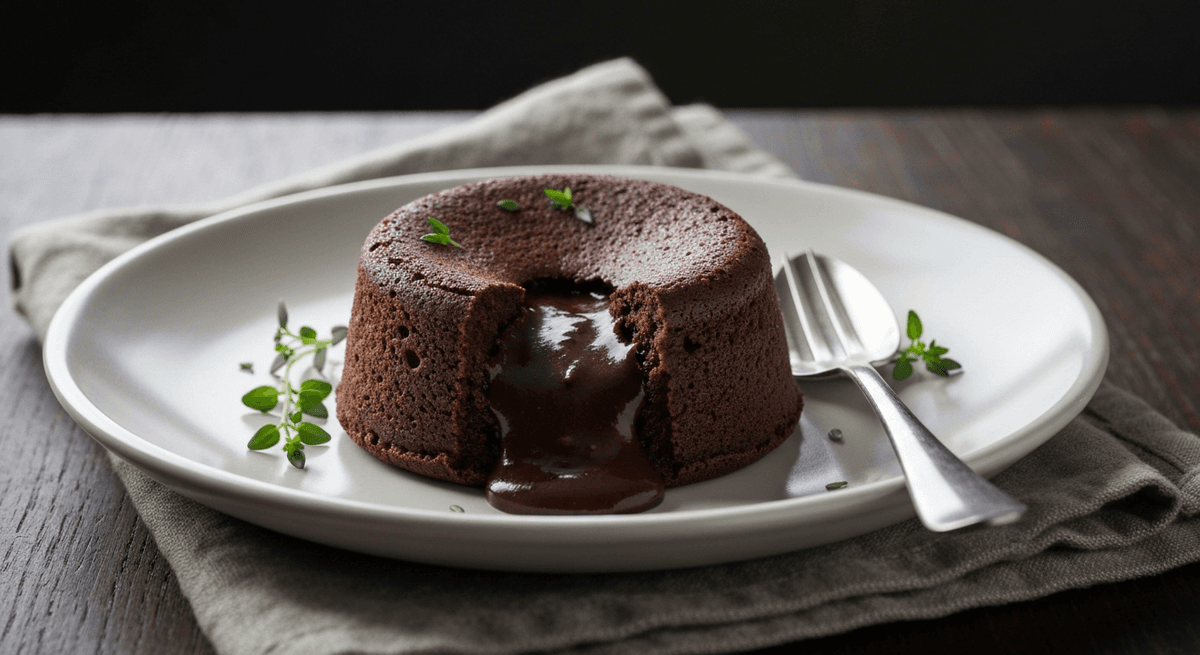
Chocolate Fondant — Lava Cake
Crisp edges give way to a warm, flowing chocolate center. This decadent dessert is surprisingly simple to make and guaranteed to impress.
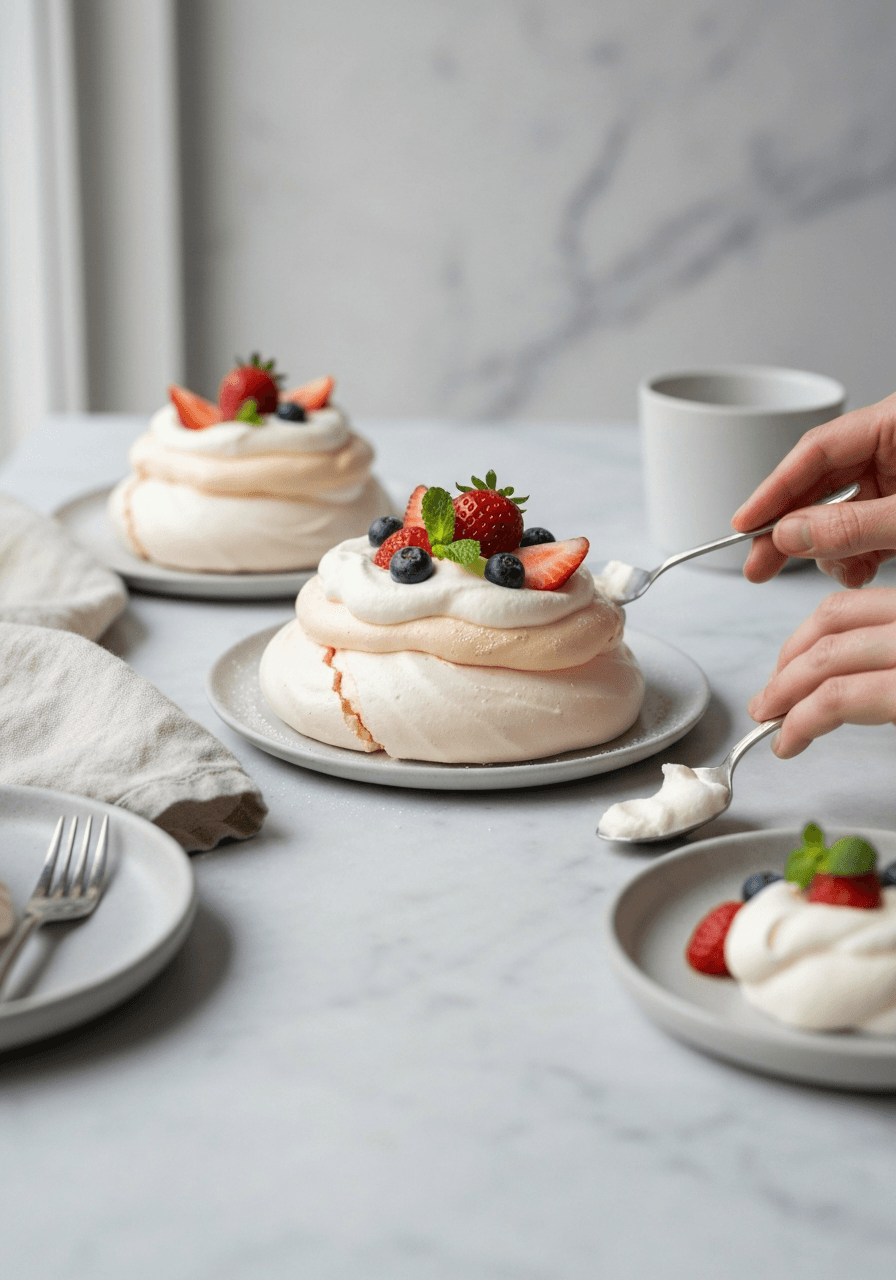
Pavlova — Meringue Cloud
Crisp meringue shell, marshmallowy center, topped with whipped cream and fresh fruit. A textural delight that's surprisingly easy to make.
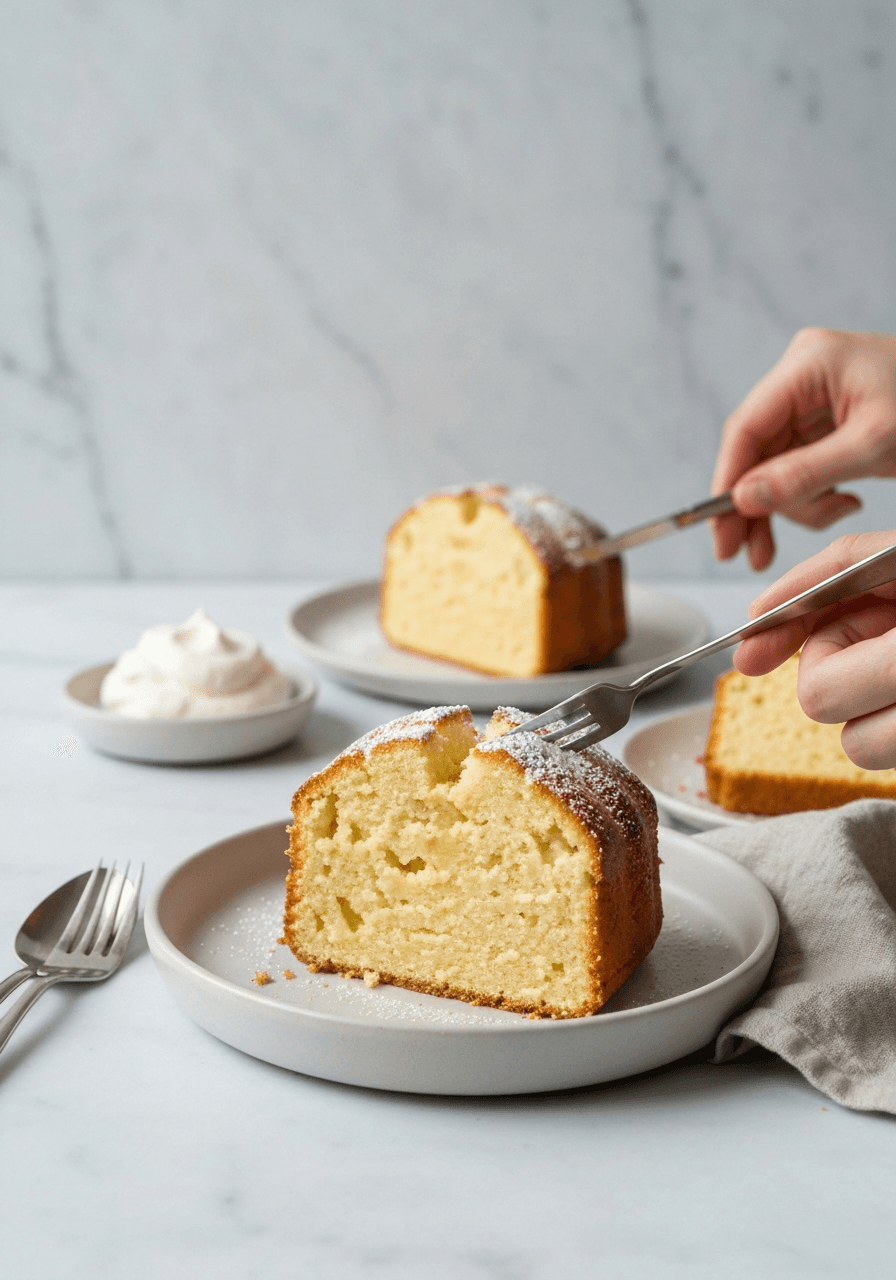
Pound Cake — Classic Vanilla
A classic vanilla pound cake with a fine crumb and rich, buttery flavor. The secret? Room temperature butter, creamed to perfection.