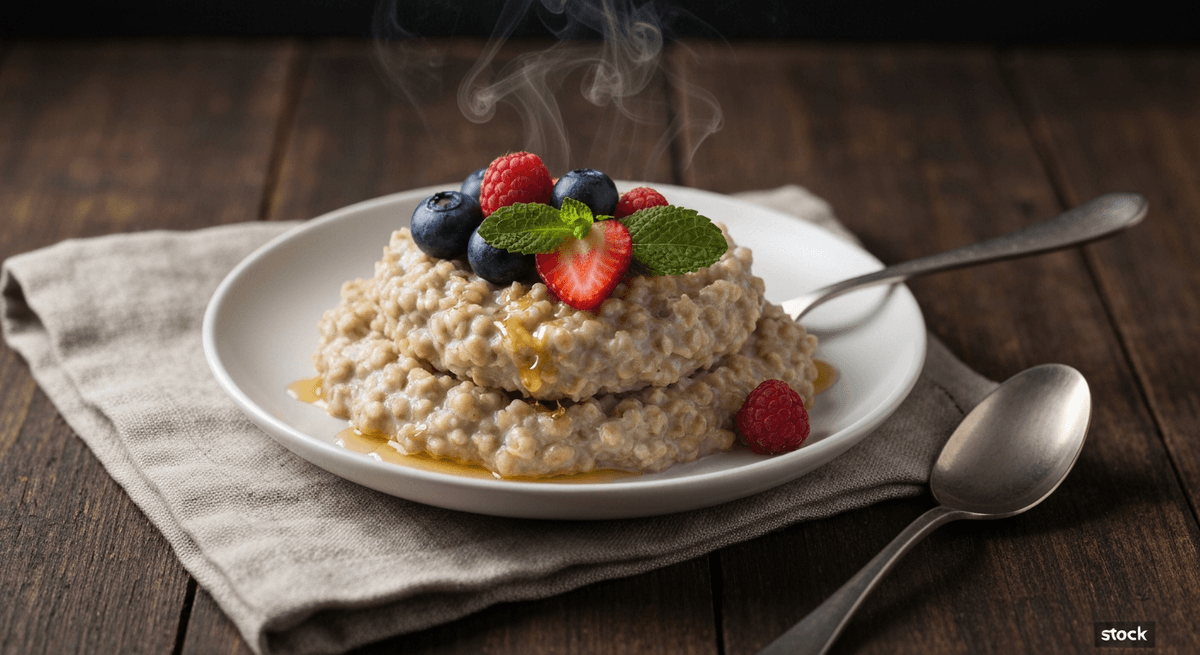
Steel-Cut Oats (Creamy, Not Gluey)
The no-drama way to make steel-cut oats with real texture. Creamy, warm, and not sweet by default.
Creamy steel-cut oats with real texture, not glue. Salted water, a gentle simmer, and a final rest make them repeatable.
Simmer gently and rest off-heat for 5 minutes; the rest is what turns oats from watery to creamy without glue.
The fit, timing, and key move are all here. If it is a yes, go straight into cook mode.
The no-drama way to make steel-cut oats with real texture. Creamy, warm, and not sweet by default.
Timing note: 35 mins
Set your units, then drop the ingredients into grocery if this is happening later.
What matters before the pan gets hot
The shortest path to understanding the dish, the key move, and whether tonight is the right time to cook it.
The Hook
Steel-cut oats aren't rocket science, they're just proof you can't rush breakfast without turning it into wallpaper paste.
The Technique
Low and slow hydration is key. Gentle simmering allows the oat starches to gelatinize evenly, absorbing liquid without breaking down into a gummy mess. The final rest is crucial: it lets the cooked starches re-set, creating a creamy, cohesive texture instead of a watery disappointment.
The History
Forget the romanticized farmstead breakfast. This is about taming a stubborn grain. People used to boil this stuff into oblivion, thinking 'more heat equals faster.' They were wrong. This method is about control, not chaos, turning a peasant staple into something worth eating.
Food Facts
Sourced notes. Tap to verify.
A lot of dairy texture comes from milk proteins like casein. When those proteins coagulate (from acid, heat, or enzymes), you get curds, thickeners, and the backbone of cheeses and creamy sauces.
Creamy steel-cut oats with real texture, not glue. Salted water, a gentle simmer, and a final rest make them repeatable.
Nutrition per Serving
Estimated valuesSatiety
Data estimatedTechnique, context, and fallback plans
The reason the method works, the prep you can do early, and what to change if the dish starts drifting.
Steel-cut oats often carry the burden of past breakfast failures, a reputation unfairly earned through hurried cooking. The common pitfall? Treating them like an emergency, subjecting them to high heat, insufficient water, and a complete disregard for salt, inevitably transforming a wholesome grain into a starchy paste. This method, however, is an ode to calm and intention. It begins with salting the water, a crucial step often overlooked, followed by a gentle simmer. This patient approach allows the oats to absorb the liquid without breaking down, preserving their inherent structure.
The magic truly unfolds in the final moments: a brief rest off the heat. This seemingly small pause is the linchpin, enabling the oats to finish cooking and achieve a creamy consistency that still boasts a satisfying bite, a far cry from the dreaded pasty texture. This isn't just about breakfast; it's about reclaiming the morning with a meal that feels grounding. Once you experience oats with this kind of integrity, you begin to see breakfast not merely as a sugar delivery system, but as a warm, steady anchor for the day ahead, a ritual that is both nourishing and reliably repeatable.
My oats are all stuck together and clumpy.
That usually happens when the heat is a bit too high, or we stir too much.
These oats are still a little too firm after cooking.
No problem, some oats just need a little extra love. Add about half a cup more water and let them simmer gently for another 5 to 10 minutes. Different brands have different needs,…
Set up, cook, and remember what worked
The mise, the method, your notes, and the next recipes to master after this one lands.
The Setup
- Saucepan3 qt
- Whisk
The Mise en Place
5 of 7Your prep station before cooking begins
Chef's Notes
Refrigerate up to 4 days. Reheat with a splash of water or milk and stir until creamy again.
BOIL
Bring water (3 cups), milk (1 cup), and salt to a gentle boil in a saucepan, until Steam and gentle bubbling.
A gentle boil sets you up for a controlled simmer instead of foamy chaos. • Steam and gentle bubbling • Warm dairy aroma
Small bubbles around the edges, not a violent rolling boil
WHISK
Whisk in the oats. Reduce heat to low so the pot simmers softly.
Hard boiling breaks oats down and makes them sticky. • Lazy bubbles and oats moving gently • Toasty grain smell begins
Scorch risk: Reductions can go from perfect to burnt fast. Keep an eye on the bottom and stir if needed.
Oats circulate slowly without sticking
SIMMER
Prep aheadSimmer 20-25 minutes, stirring every 5 minutes, until oats are creamy with a slight bite.
Stirring occasionally prevents sticking without over-agitating the starch. • Thickened pot with visible oat pieces • Nutty, warm cereal aroma
Creamy base, oats still have structure
REST
Remove from heat, cover, and rest 5 minutes. Stir once more and serve with toppings if using.
The rest finishes hydration and sets texture. Skip it and you get watery or gummy oats. • Pot looks thicker after resting • Creamy, comforting aroma
Oats tighten into creamy texture without drying out
Service Log
Log your variables. Iterate like a pro.
Clean slate.
Log your variables after the first run.
Master These Next
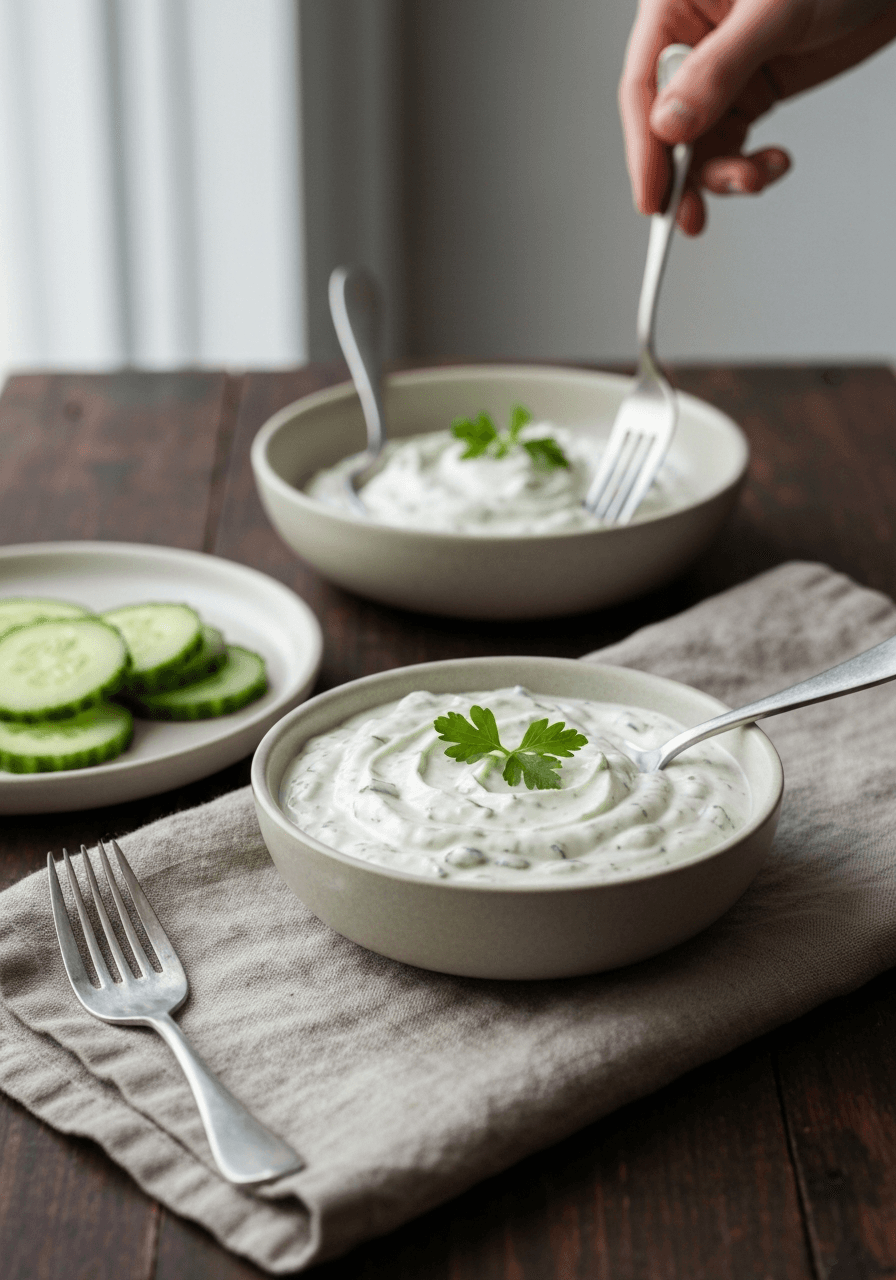
Tzatziki — Cucumber Yogurt
Cool, creamy, and garlicky, this classic Greek sauce elevates any dish with its refreshing flavor. Perfect as a dip, spread, or accompaniment to grilled meats and vegetables.
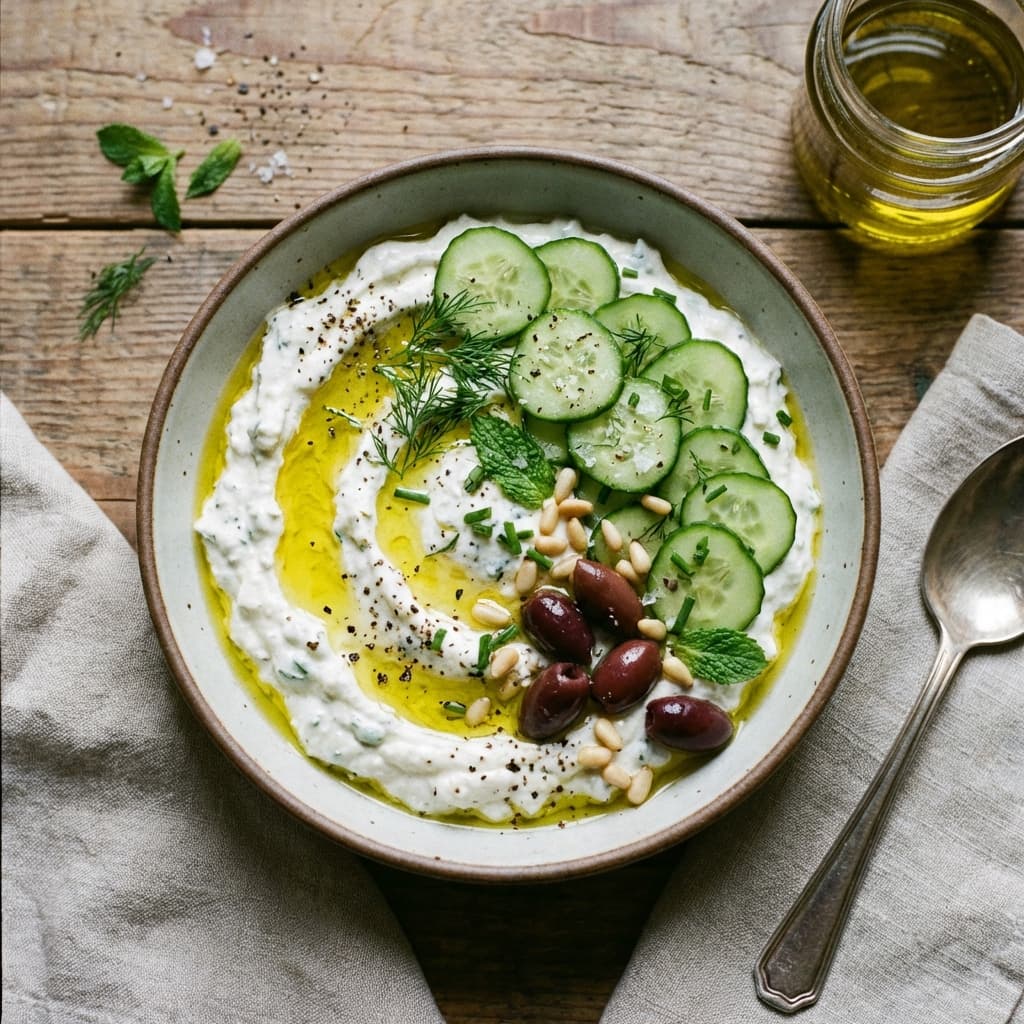
Skyr Lemon Cucumber Bowl
Savory high-protein bowl in 5 minutes: skyr, crunch, olive oil, lemon. No sugar required.
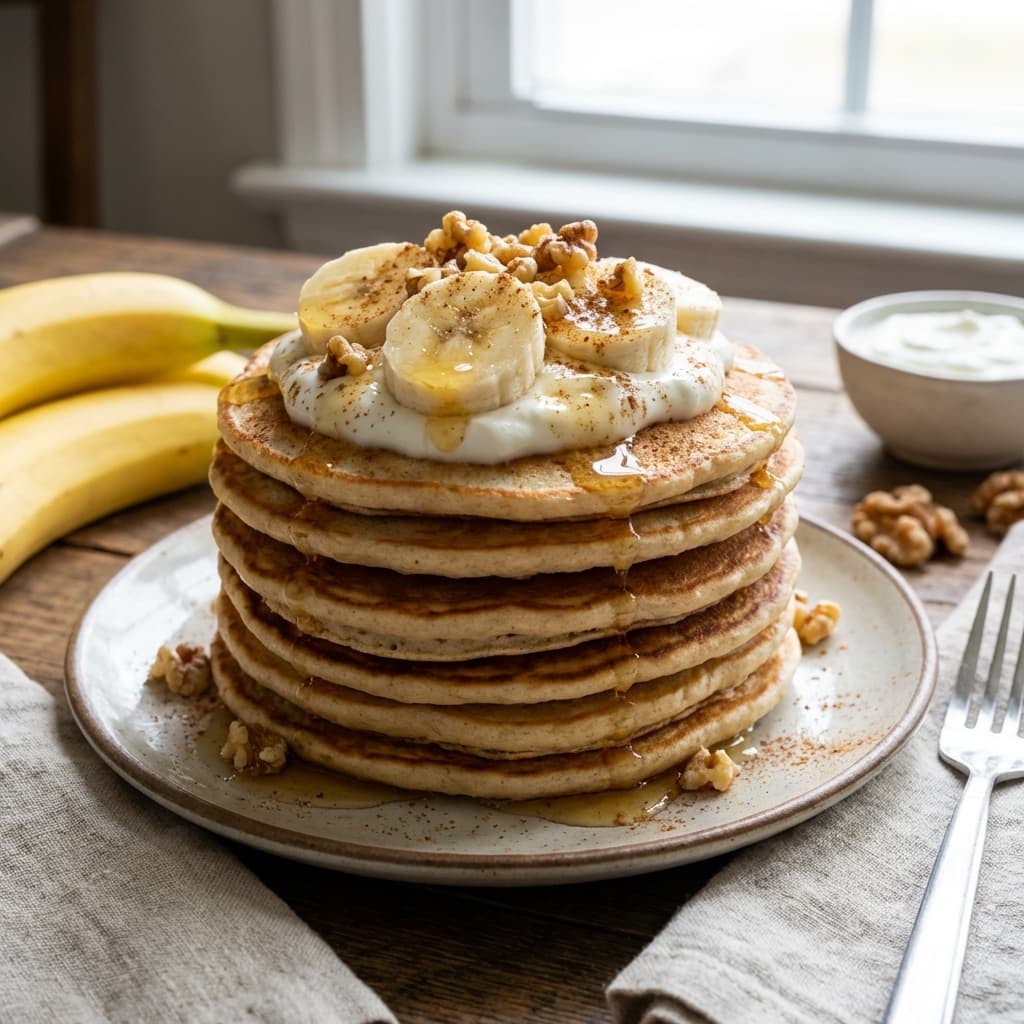
Greek Yogurt Banana Pancakes
Fluffy banana pancakes with real protein and clean texture. No gummy centers, no dry edges.