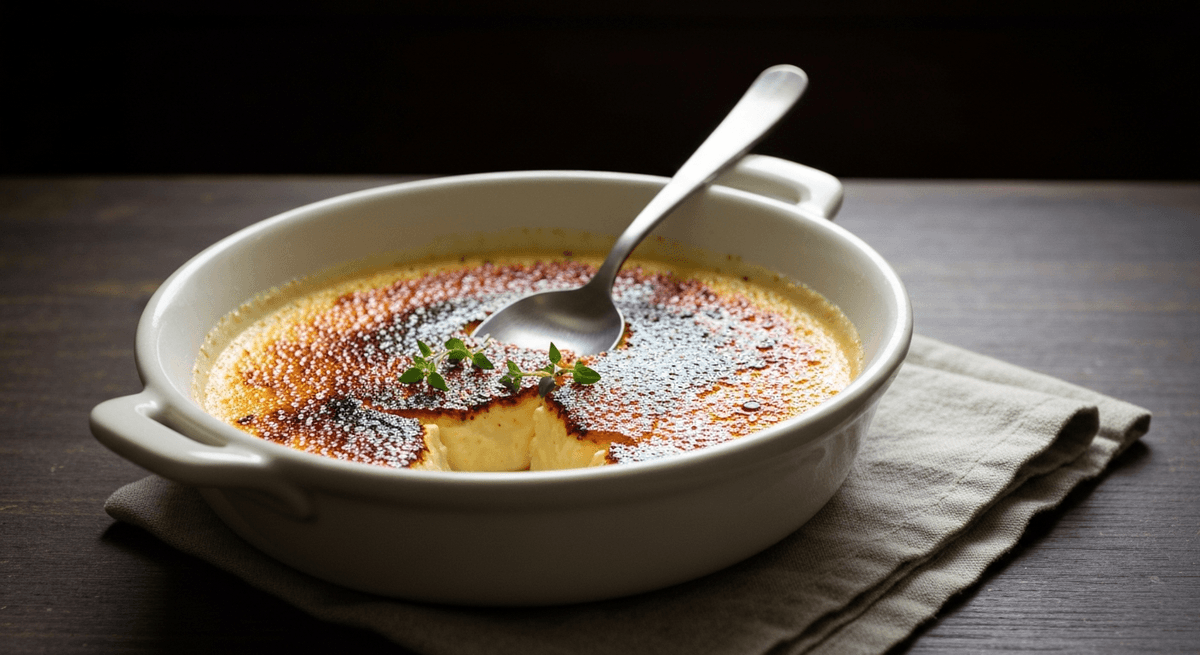
Crème brûlée: Burnt Sugar Serenade
Crack through the brittle sugar shell to reveal a creamy, vanilla-infused custard. A classic dessert that's both elegant and comforting.
Master the classic French dessert: creamy custard meets a brittle, caramelized sugar crust. A symphony of textures and flavors in every bite.
Achieve a thin, even layer of caramelized sugar without melting the custard underneath.
The fit, timing, and key move are all here. If it is a yes, go straight into cook mode.
Crack through the brittle sugar shell to reveal a creamy, vanilla-infused custard. A classic dessert that's both elegant and comforting.
Set your units, then drop the ingredients into grocery if this is happening later.
What matters before the pan gets hot
The shortest path to understanding the dish, the key move, and whether tonight is the right time to cook it.
The Hook
**The key is patience and a good kitchen torch.**
The Technique
The custard sets due to the coagulation of egg proteins when heated. The sugar caramelizes because the heat breaks down the sucrose molecules into simpler sugars, creating new flavor compounds and a brittle texture.
The History
Crème brûlée's origins are debated, with France, England, and Spain all claiming it. The earliest known recipe appears in François Massialot's 1691 cookbook, 'Cuisinier royal et bourgeois'.
Food Facts
Sourced notes. Tap to verify.
When starch granules heat in water, they absorb moisture and swell, thickening the liquid. This is the basic physics behind many sauces, custards, and pan gravies.
Master the classic French dessert: creamy custard meets a brittle, caramelized sugar crust. A symphony of textures and flavors in every bite.
Nutrition per Serving
Estimated valuesSatiety
Data estimatedTechnique, context, and fallback plans
The reason the method works, the prep you can do early, and what to change if the dish starts drifting.
Crème brûlée. The name itself whispers of elegance and indulgence. But beyond the fancy French, it's a study in contrasts, a dance of textures. The spoon cracks through the glassy surface, revealing a cool, silken custard beneath. It's not just a dessert; it's an experience.
I remember the first time I tasted a truly great crème brûlée. It was in a tiny Parisian bistro, the air thick with the aroma of butter and wine. The crack of the sugar was almost deafening in the quiet room, and the taste… pure bliss. It was then I understood that this dessert is more than just a recipe; it's a feeling, a memory waiting to be made.
This recipe aims to capture that feeling, that memory. It's about patience, precision, and a touch of pyrotechnics. The custard must be perfectly smooth, the sugar evenly caramelized. But most of all, it's about creating a moment of pure, unadulterated joy. The warmth of the custard, the cold snap of the sugar. This is the Alchemist's dessert.
So, gather your ramekins, ignite your torch, and prepare to be transported. Let the scent of burnt sugar fill your kitchen, and let the crackle of the crust be your symphony. This is crème brûlée, a burnt sugar serenade.
Custard is curdled.
The oven temperature was too high. Reduce the temperature and ensure the water bath is sufficient.
Sugar is burning too quickly.
Hold the torch further away from the sugar and move it constantly.
Use this in Focus
Turn this nutrition profile into a week you can plan, shop, and actually cook.
Set up, cook, and remember what worked
The mise, the method, your notes, and the next recipes to master after this one lands.
The Setup
- Saucepan
- Whisk
- Mixing Bowl
- Fine-Mesh Sieve
- Ramekins
- Baking Dish
- Kitchen Torch
The Mise en Place
5Your prep station before cooking begins
PREHEAT
Preheat oven to 325°F (160°C).
HEAT
In a saucepan, combine heavy cream (4 cups) and vanilla bean (1 whole) (split and scraped). Heat over medium heat until simmering.
Small bubbles forming around the edge
REMOVE
Prep aheadRemove from heat and let steep for 30 minutes.
WHISK
In a bowl, whisk together egg yolks (8 large), sugar, and salt until pale and slightly thickened.
TEMPER
Time-sensitiveSlowly drizzle the warm cream into the egg yolk mixture, whisking constantly to temper the eggs.
STRAIN
Strain the mixture through a fine-mesh sieve to remove any solids.
POUR
Pour the custard into 8 ramekins.
PLACE
Place the ramekins in a baking dish and fill with hot water to come halfway up the sides of the ramekins (water bath).
BAKE
Bake for 45-55 minutes, or until the custards are set around the edges but still slightly wobbly in the center.
Edges are set, center jiggles slightly
REMOVE
Prep aheadRemove from the oven and let cool completely. Refrigerate for at least 2 hours.
SPRINKLE
Sprinkle a thin, even layer of sugar over the top of each custard.
BRÛLÉE
Time-sensitiveUsing a kitchen torch, caramelize the sugar until it is golden brown and bubbly.
Sugar is melted and has a hard, glassy appearance • Smell of burnt sugar
LET STAND
Let stand for a minute or two to allow the sugar to harden.
SERVE
Serve immediately and enjoy the crackle!
The satisfying crack of the sugar
Service Log
Log your variables. Iterate like a pro.
Clean slate.
Log your variables after the first run.
Master These Next
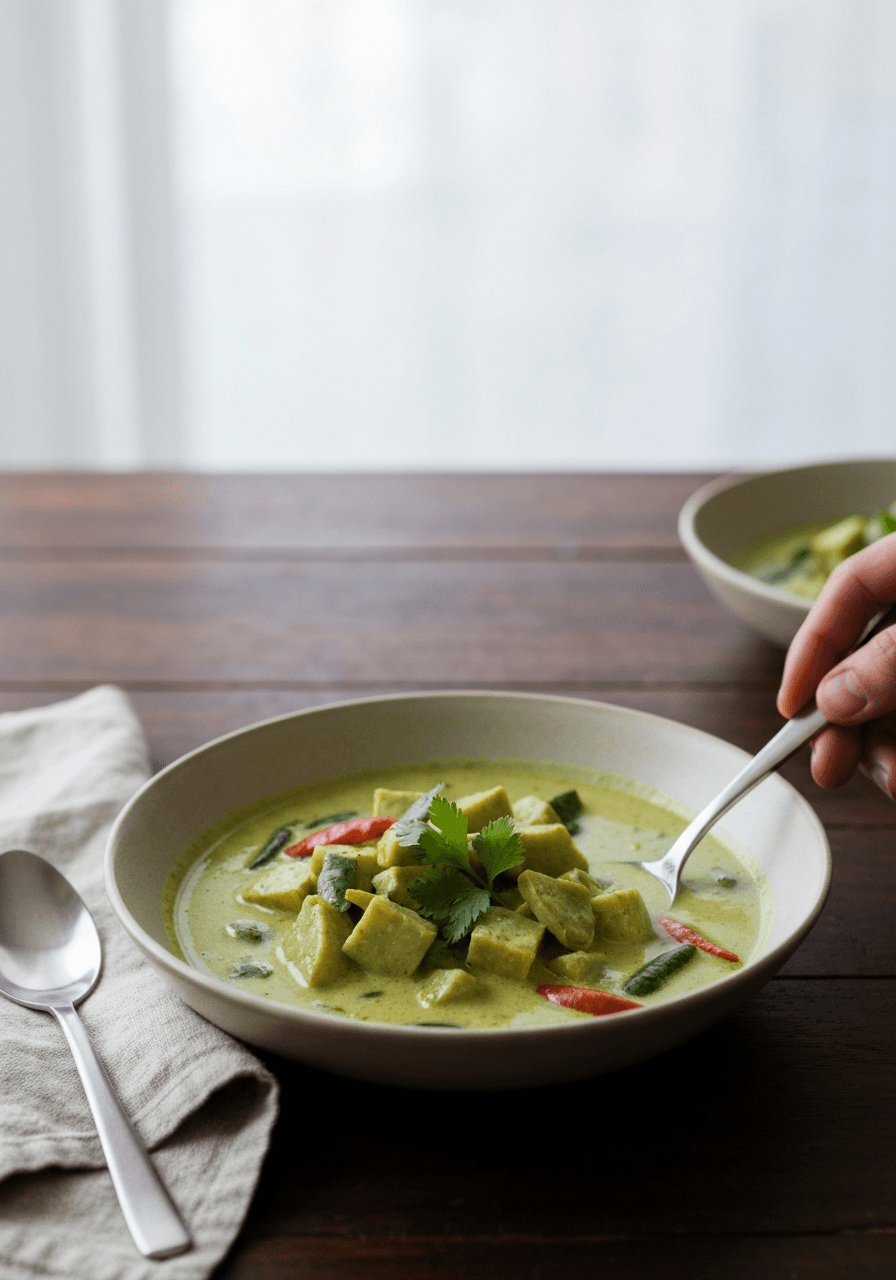
Green Curry — Thai Authentic
Unlock the true taste of Thailand with this authentic green curry recipe. Homemade curry paste makes all the difference!
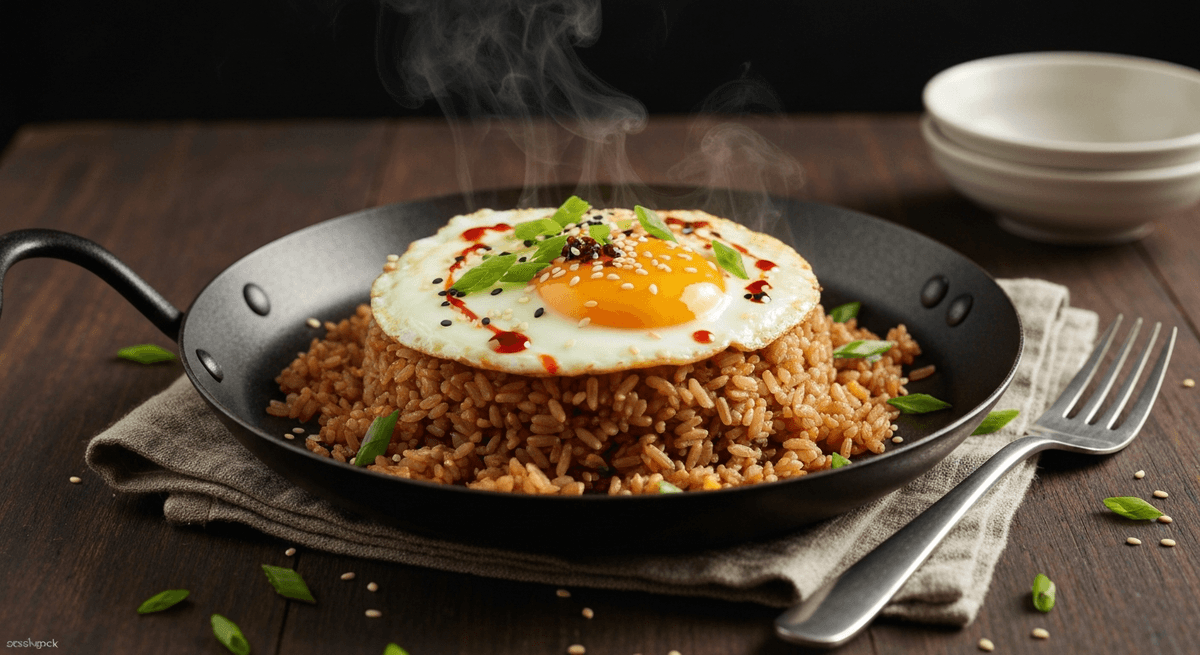
One-Pan Egg Fried Brown Rice
Leftover rice turned into real dinner: crisp grains, soft egg, and a bright finish that avoids grease.
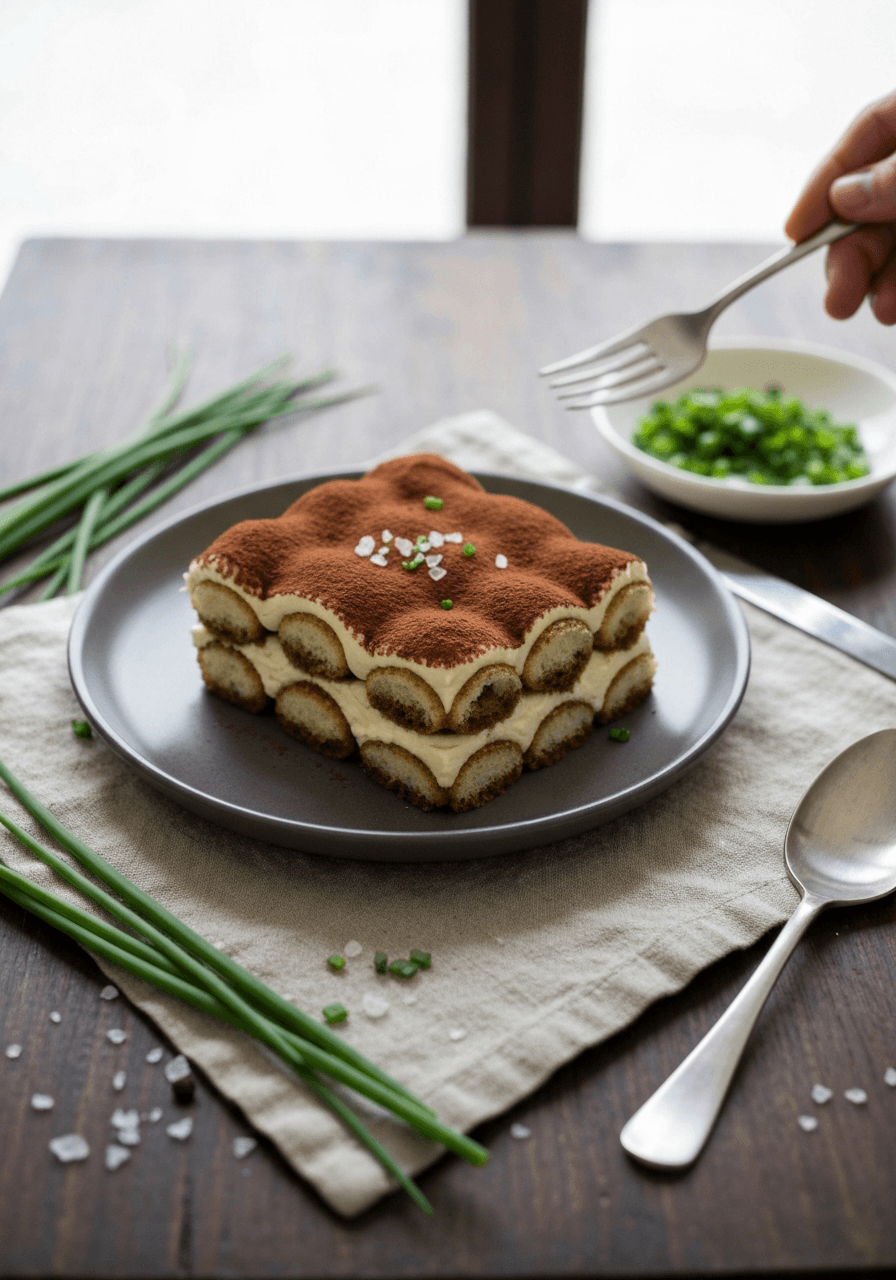
Tiramisu — No Raw Eggs
Indulge in the classic Italian dessert, tiramisu, made safe and delicious without raw eggs. Coffee-soaked ladyfingers meet creamy mascarpone in every bite.