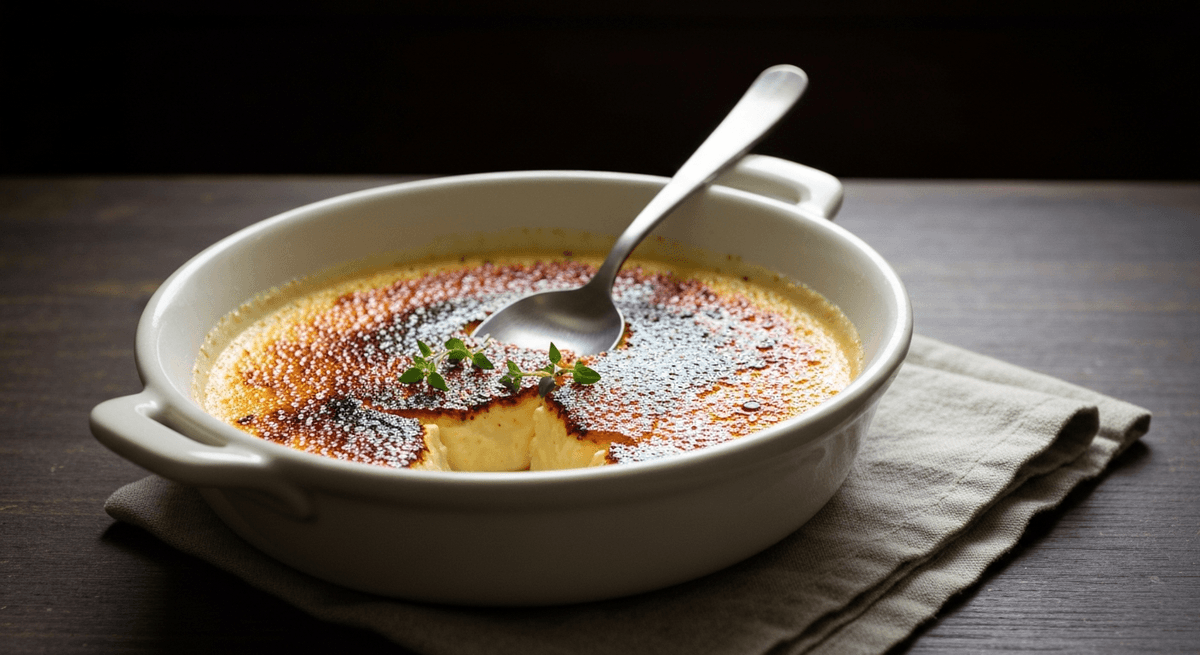
Crème brûlée: Burnt Sugar Serenade
Crack through the brittle sugar shell to reveal a creamy, vanilla-infused custard. A classic dessert that's both elegant and comforting.
20 min active, minimal dishes
Crème brûlée: Burnt Sugar Serenade
Crack through the brittle sugar shell to reveal a creamy, vanilla-infused custard. A classic dessert that's both elegant and comforting.
20 min active, minimal dishes
Key move
Achieve a thin, even layer of caramelized sugar without melting the custard underneath.
Cook mode keeps your place
Larger text, ingredients in reach, and saved step progress while you cook.
The Setup
- Saucepan
- Whisk
- Mixing Bowl
- Fine-Mesh Sieve
- Ramekins
- Baking Dish
- Kitchen Torch
The Mise en Place
5Your prep station before cooking begins
The Protein (0/2)
The Spice Blend (0/1)
The Finish (0/1)
Other (0/1)
Custard is curdled.
The oven temperature was too high. Reduce the temperature and ensure the water bath is sufficient.
Sugar is burning too quickly.
Hold the torch further away from the sugar and move it constantly.
Chef's Notes
For a perfectly smooth custard, strain the mixture through a fine-mesh sieve before pouring into ramekins.
To prevent cracking, place ramekins in a deep baking dish and fill with hot water halfway up the sides before baking.
Serve immediately after brûléeing the sugar for the best contrast between the warm, crisp topping and cool custard.
Custard can be baked and chilled up to 2 days ahead. Add sugar topping and brûlée just before serving.
The Method
PREHEAT
Preheat oven to 325°F (160°C).
Inaccurate temperature: Use an oven thermometer to verify; hot spots will cause the custard to curdle or crack.
Oven is preheated to 325°F (160°C).
HEAT
In a saucepan, combine heavy cream (4 cups) and vanilla bean (1 whole) (split and scraped). Heat over medium heat until simmering.
Scalding risk: Keep a close eye on the cream; if it boils over, it will lose volume and flavor.
Cream is simmering gently.
REMOVE
Prep aheadRemove from heat and let steep for 30 minutes.
Over-steeping: Do not exceed 30 minutes, or the cream may take on an overly bitter or medicinal flavor from the vanilla bean.
Cream has steeped for 30 minutes.
WHISK
In a bowl, whisk together egg yolks (8 large), sugar, and salt (1 pinch) until pale and slightly thickened.
Curdling risk: If sugar sits too long on the yolks without whisking, it can 'burn' them, creating hard yellow lumps.
Egg yolk mixture is pale and slightly thickened.
TEMPER
Time-sensitiveSlowly drizzle the warm cream into the egg yolk mixture, whisking constantly to temper the eggs.
Scrambled eggs: Adding hot cream too quickly will cook the yolks, resulting in a grainy custard.
Eggs are tempered and fully incorporated into the cream mixture.
STRAIN
Strain the mixture through a fine-mesh sieve to remove any solids.
Forcing solids: Do not push egg bits through the mesh; this will ruin the velvet texture of the final custard.
Custard mixture is smooth and free of solids.
POUR
Pour the custard into 8 ramekins.
Air bubbles: Splashing creates bubbles that mar the surface finish; pour slowly down the side of the ramekin.
Custard is evenly divided among the 8 ramekins.
PLACE
Place the ramekins in a baking dish and fill with hot water to come halfway up the sides of the ramekins (water bath).
Water ingress: Any water entering the ramekins will prevent the custard from setting properly.
Ramekins are in the baking dish, and the water bath is at the correct level.
BAKE
Bake for 45-55 minutes, or until the custards are set around the edges but still slightly wobbly in the center.
Overbaking: If the center is firm rather than wobbly, the custard will be rubbery instead of silky.
Custards are set around the edges and slightly wobbly in the center.
REMOVE
Prep aheadRemove from the oven and let cool completely. Refrigerate for at least 2 hours.
Incomplete setting: If the custard is still warm, the sugar will melt into the custard rather than forming a crisp shell.
Custards are completely cooled and have chilled for at least 2 hours.
SPRINKLE
Sprinkle a thin, even layer of sugar over the top of each custard.
Clumped sugar: Thick piles of sugar will result in uneven melting and burnt spots during torching.
Each custard has a thin, even layer of sugar.
BRÛLÉE
Time-sensitiveUsing a kitchen torch, caramelize the sugar until it is golden brown and bubbly.
Burning the sugar: Holding the torch too close or in one spot will turn the sugar acrid and black.
Sugar is caramelized to a golden brown, glassy layer.
LET STAND
Let stand for a minute or two to allow the sugar to harden.
Soft shell: If the sugar remains tacky, the layer may be too thick or the custard too warm.
Caramelized sugar has hardened.
SERVE
Serve immediately and enjoy the crackle!
Soggy crust: Do not refrigerate after caramelizing; the custard moisture will dissolve the crust.
Crème brûlée is ready to serve.
Appears in collections
Keep browsing by the kind of recipe choice this supports, not just this single dish.
Master These Next
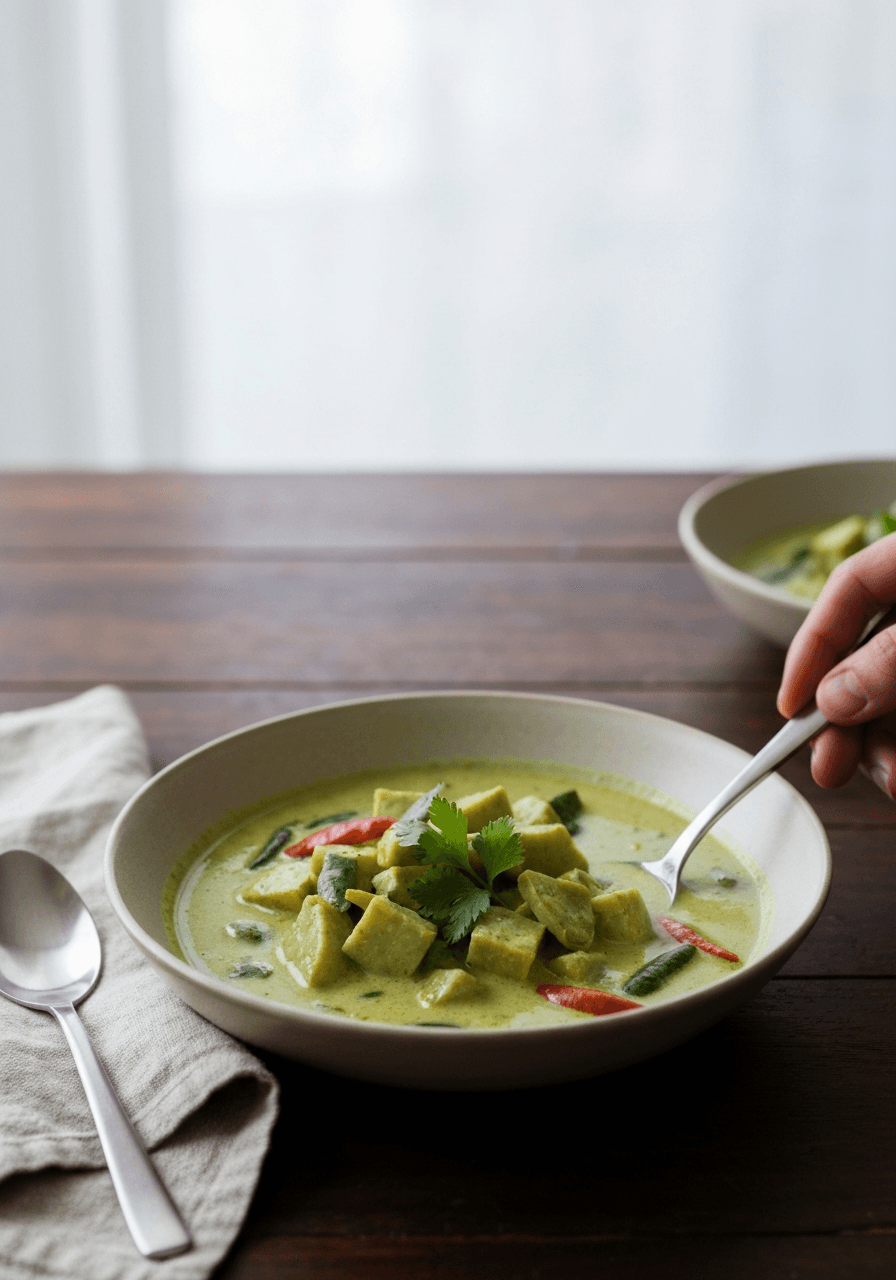
Green Curry — Thai Authentic
Unlock the true taste of Thailand with this authentic green curry recipe. Homemade curry paste makes all the difference!
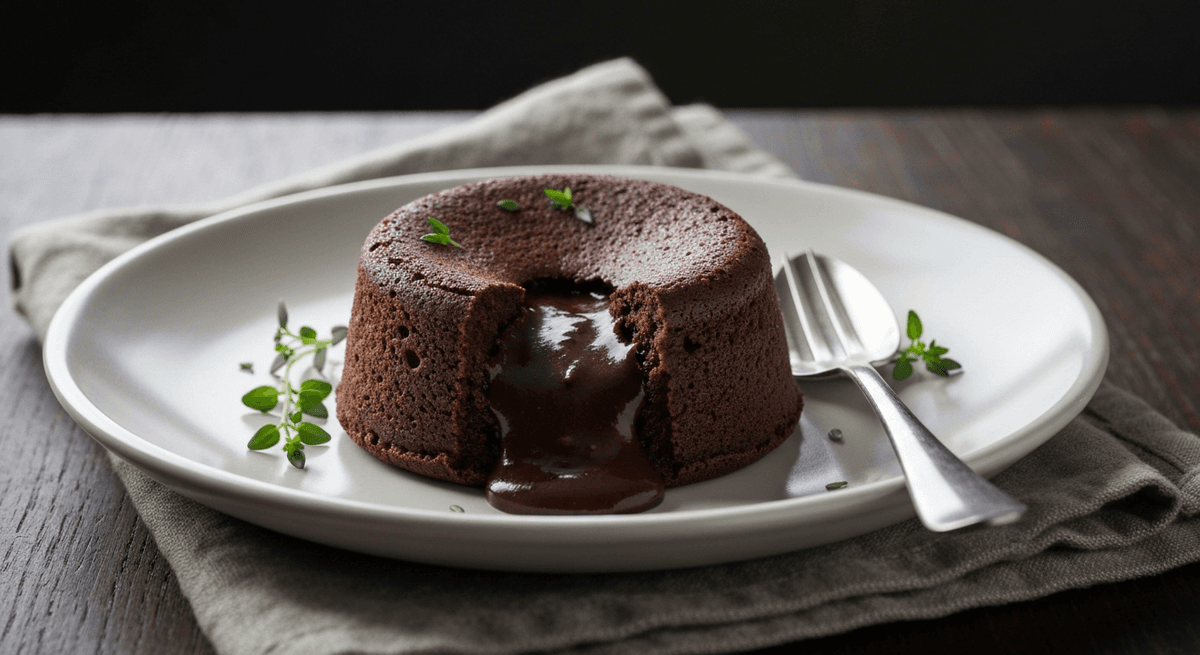
Chocolate Fondant — Lava Cake
Crisp edges give way to a warm, flowing chocolate center. This decadent dessert is surprisingly simple to make and guaranteed to impress.
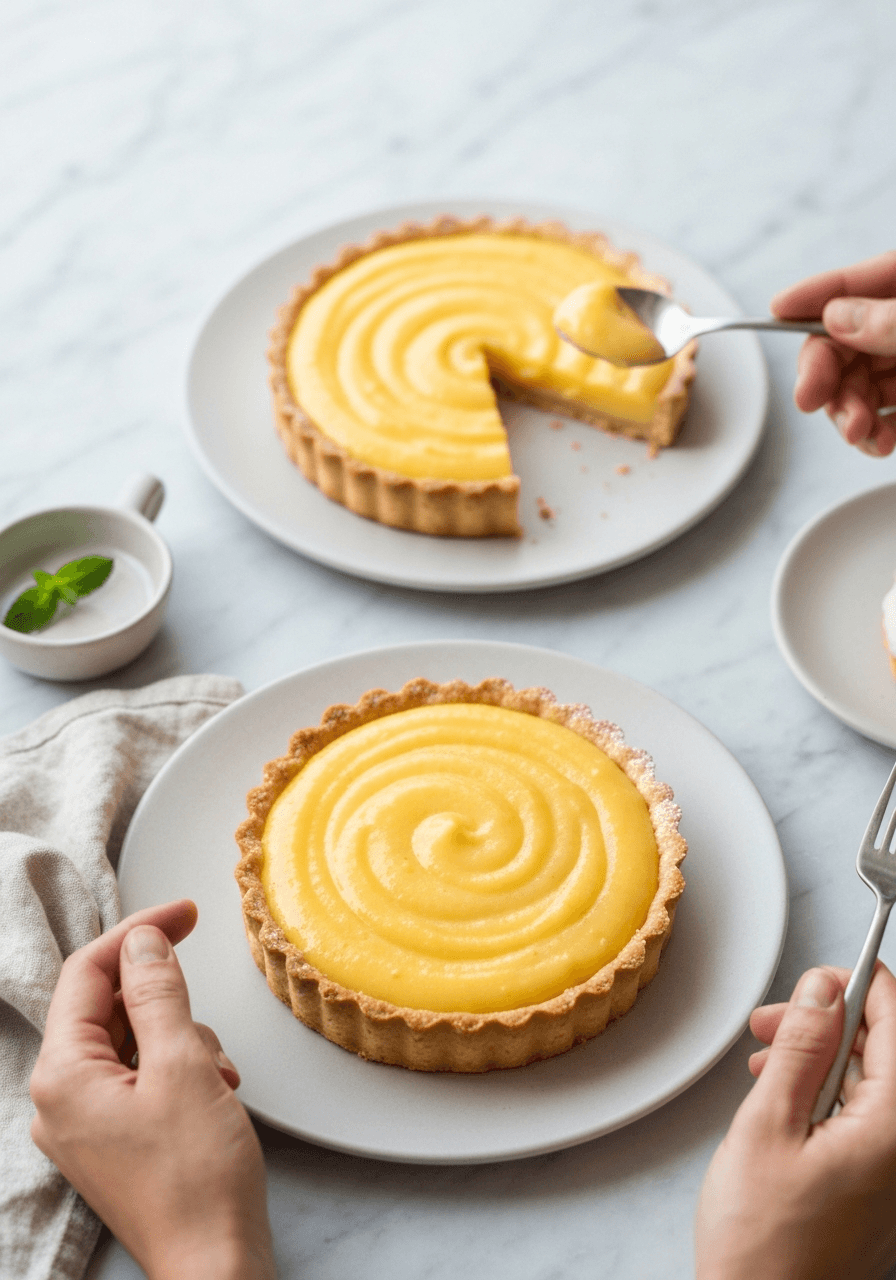
Lemon Tart — Curd Filled
A classic French lemon tart with a buttery crust and a tangy, smooth lemon curd. The perfect balance of sweet and tart.