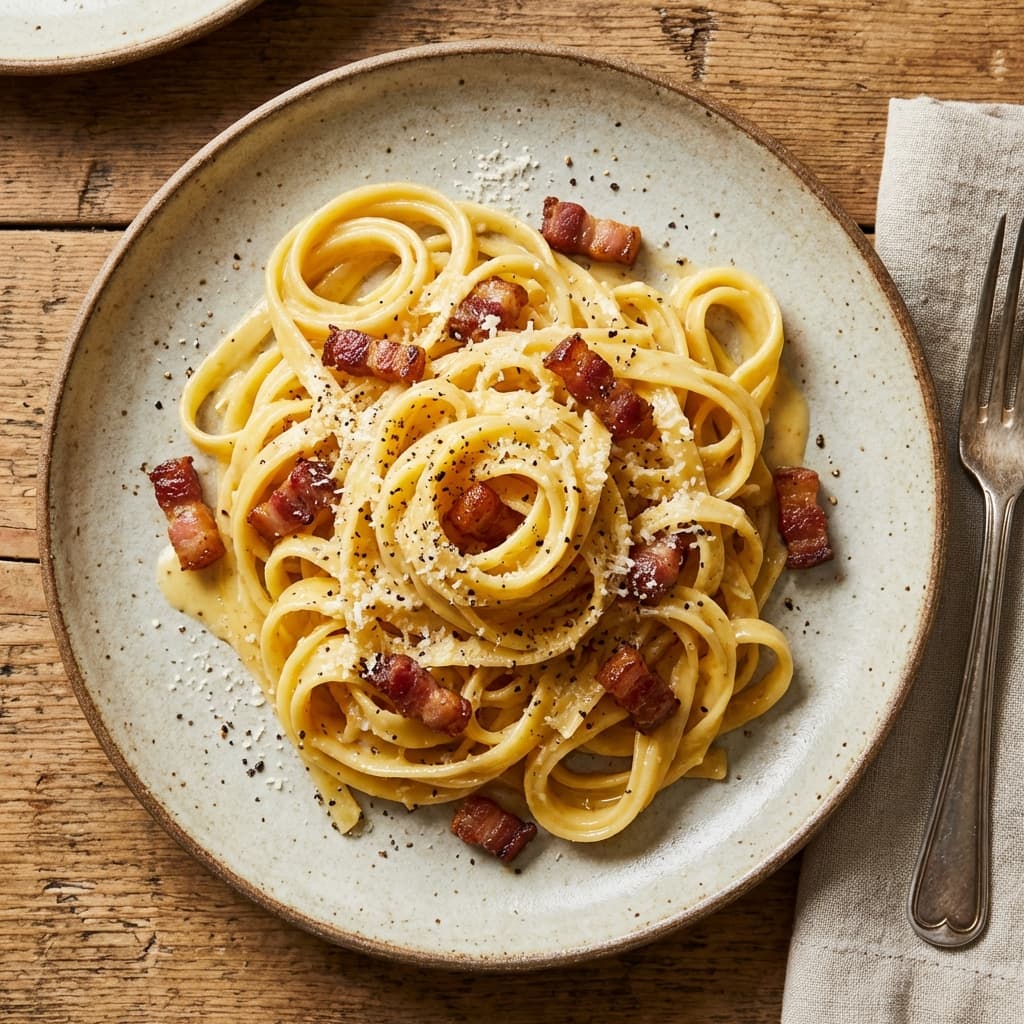
Carbonara
Egg yolks, pork fat, cheese, pepper. NO CREAM.
Egg yolks, pork fat, cheese, pepper. NO CREAM. If you put cream in this, an Italian grandmother dies.
If you put cream in this, an Italian grandmother dies
The fit, timing, and key move are all here. If it is a yes, go straight into cook mode.
Egg yolks, pork fat, cheese, pepper. NO CREAM.
Timing note: 20 mins
Set your units, then drop the ingredients into grocery if this is happening later.
What matters before the pan gets hot
The shortest path to understanding the dish, the key move, and whether tonight is the right time to cook it.
The Hook
This isn't pasta with sauce. It's a Roman war crime against cream. Get it wrong, and you're sleeping with the fishes.
The Technique
It's all about controlled coagulation. Rendered guanciale fat, egg yolks, Pecorino, and starchy pasta water emulsify off-heat. The residual heat from the pasta and pan gently cooks the eggs, creating a silken sauce. Scramble it, and you've failed the simplest test of culinary finesse.
The History
Forget the coal miners. This is a post-WWII Roman invention, born from desperation and American rations. GIs brought bacon and powdered eggs; Italian ingenuity turned it into something legendary. It's a dish of survival, not tradition.
Food Facts
Sourced notes. Tap to verify.
Egg yolks contain lecithin, an emulsifier that helps stabilize mixtures of oil and water. That is the core trick behind glossy sauces and creamy dressings.
Egg yolks, pork fat, cheese, pepper. NO CREAM. If you put cream in this, an Italian grandmother dies.
Nutrition per Serving
Estimated valuesSatiety
Data verifiedTechnique, context, and fallback plans
The reason the method works, the prep you can do early, and what to change if the dish starts drifting.
The origins of Carbonara are murky, but the legend is specific. The name comes from carbonaro (coal burner), suggesting it was a hearty, high-calorie meal designed to fuel charcoal workers in the Apennines. The coarse black pepper dusting the pasta is said to resemble falling coal dust.
However, the modern version likely wasn't born until 1944. When American GIs entered liberated Rome, they brought rations of bacon and powdered eggs. Italian chefs, genius in their desperation, combined these foreign staples with local Pecorino and pasta to create the icon we know today. It is a dish of poverty and luxury colliding--rich, heavy, and aggressive. If you add cream, you are breaking a treaty between history and physics; the creaminess must come solely from the emulsion of egg, fat, and cheese.
My sauce has little bits of cooked egg in it, like scrambled eggs.
Ah, that means the pan was a bit too hot when you added the eggs.
My sauce is too thin and runny, it's not coating the pasta.
If the sauce is too thin, it just means it needs a little more coaxing to emulsify.
Use this in Focus
Turn this nutrition profile into a week you can plan, shop, and actually cook.
Set up, cook, and remember what worked
The mise, the method, your notes, and the next recipes to master after this one lands.
The Setup
- Stockpot8+ qt
- Skillet12-inch
- Mixing Bowl
- Tongs
- Microplane/Zester
The Mise en Place
4Your prep station before cooking begins
The Protein (0/2)
The Pantry (0/1)
Other (0/1)
Chef's Notes
Reserve pasta water! The starchy water emulsifies the sauce, making it creamy without adding cream.
Temper the eggs by whisking them with a little hot pasta water before adding to the pan to prevent scrambling.
Serve immediately with a generous sprinkle of Pecorino Romano and freshly cracked black pepper.
RENDER
Start guanciale (150 g) (150g) in a cold pan. COOK over medium heat until crispy and fat is liquid gold. Remove meat, keep the fat.
TEMPER
In a bowl, WHISK eggs, cheese, and pepper into a thick paste. ADD a ladle of hot pasta water to the egg mixture while whisking.
Why? This warms the eggs up so they don't shock and scramble when they hit the pasta.
TOSS (Off Heat)
Time-sensitiveDRAG cooked pasta into the pork fat pan. KILL THE HEAT.
⚠️ If the flame is on when you add the eggs, you are making breakfast. The pan must be off the heat.
EMULSIFY
Time-sensitivePOUR the egg mixture over the pasta. TOSS violently. The residual heat cooks the eggs into a creamy sauce.
Breaking: Add fat slowly while whisking to keep it smooth. Too fast can split the sauce.
Sauce should coat the pasta like heavy paint. If it's too thick, add more water.
Service Log
Log your variables. Iterate like a pro.
Clean slate.
Log your variables after the first run.
Related Techniques
Master These Next
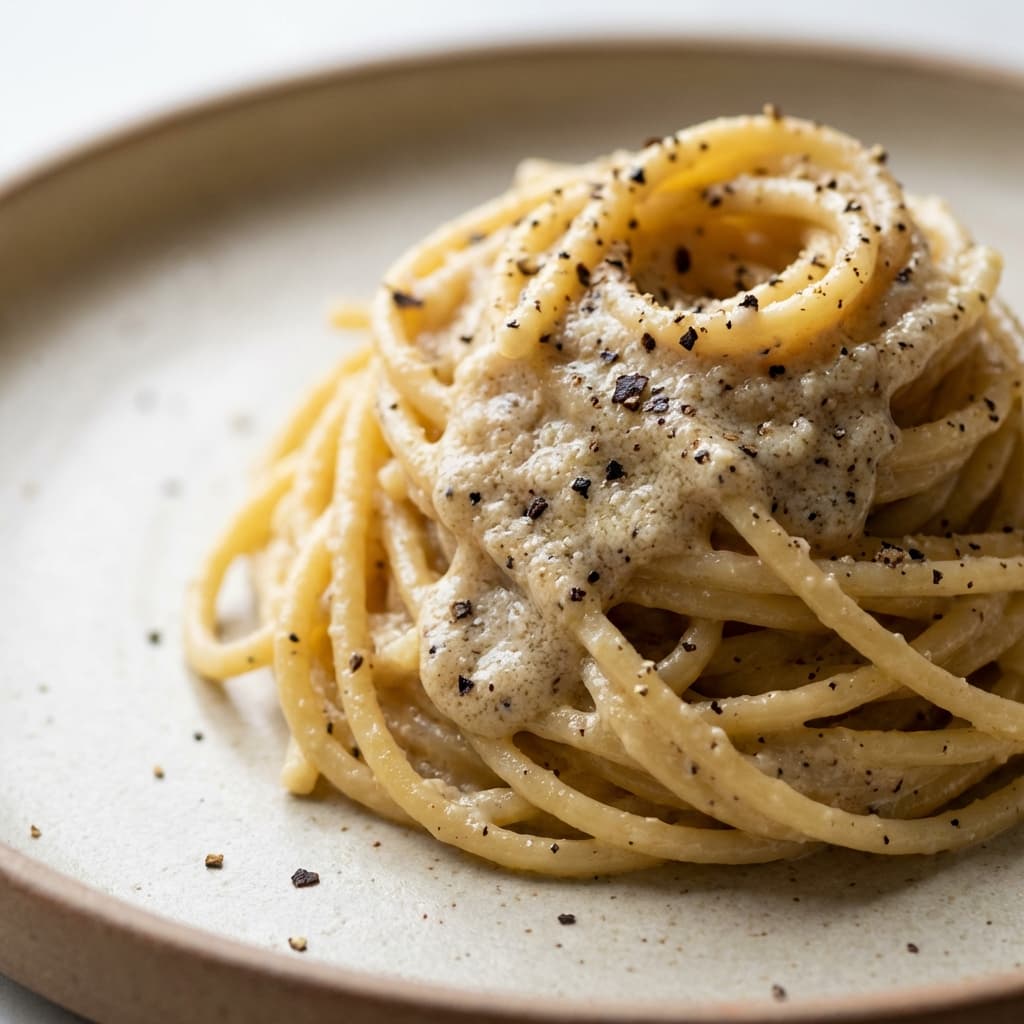
Cacio e Pepe
Roman alchemy: turning cheese and water into cream.
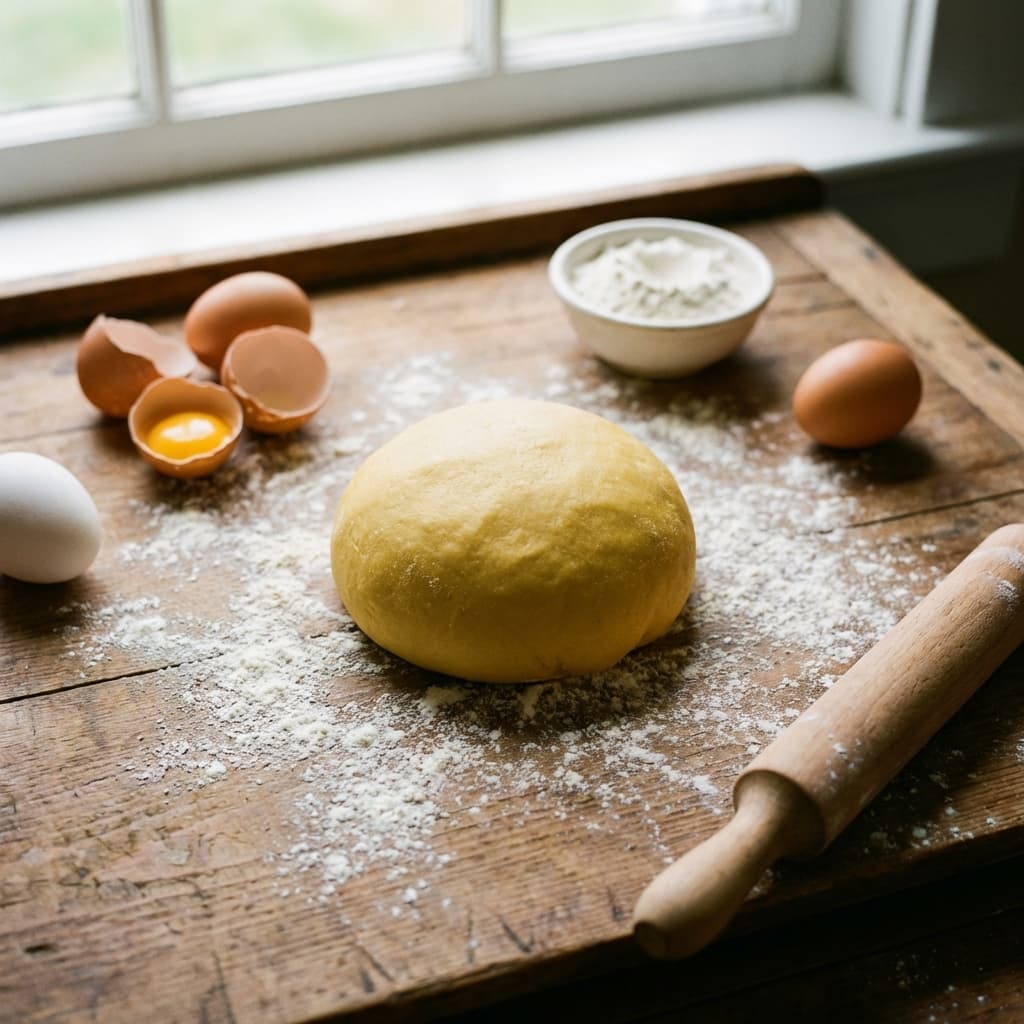
Fresh Pasta Dough
Flour and yolks. Knead until your arms fall off.
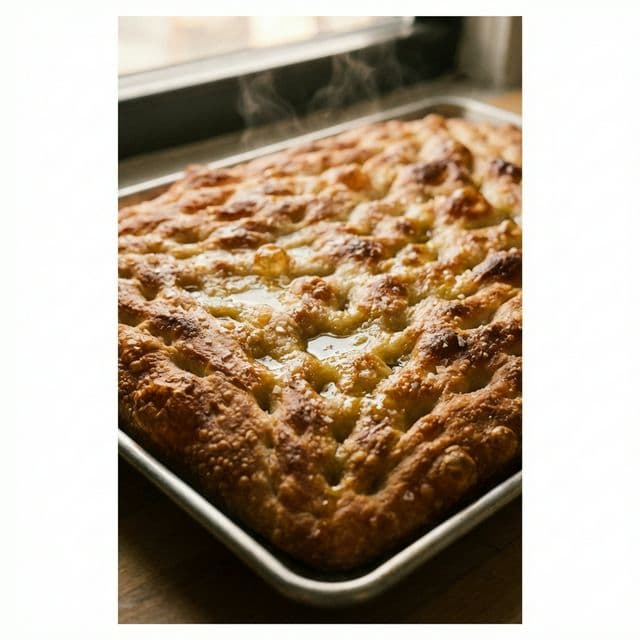
Ligurian Focaccia
Olive oil sponge cake. Salt brine is the secret ingredient.