Pasta Water Emulsification
The technique of using starchy pasta water to create creamy, emulsified sauces without cream or butter.
Deep Dive
The Science of Starch Water
Pasta water contains dissolved starch from the pasta itself. When you agitate this starchy water with fat (cheese, oil, or butter) off the heat, you create a stable emulsion.
The Process:
- Reserve the water - Before draining pasta, save at least 1 cup of the starchy cooking water
- Temperature control - Remove from heat before adding cheese/fat. Too hot = clumping, too cold = separation
- Vigorous agitation - Toss or whisk aggressively to create the emulsion
- The "wave test" - Properly emulsified sauce should flow slowly, like molten lava
Common Mistakes:
- Using non-starchy water (drained too early)
- Adding cheese while pasta is still on heat
- Not agitating enough (lazy tossing = broken sauce)
The Science
Starch molecules in pasta water act as emulsifiers, creating a stable bond between water and fat molecules. The starch granules swell and burst during cooking, releasing amylose and amylopectin into the water. When agitated with fat (cheese, oil), these starch molecules form a network that traps fat droplets, creating a creamy texture without actual cream.
History
This technique dates back to ancient Roman cooking, where shepherds would use their limited ingredients (pasta, cheese, water) to create satisfying meals. The technique was refined in Italian trattorias where chefs discovered that the "waste" water from pasta was actually a valuable ingredient.
Recipes Using This Technique
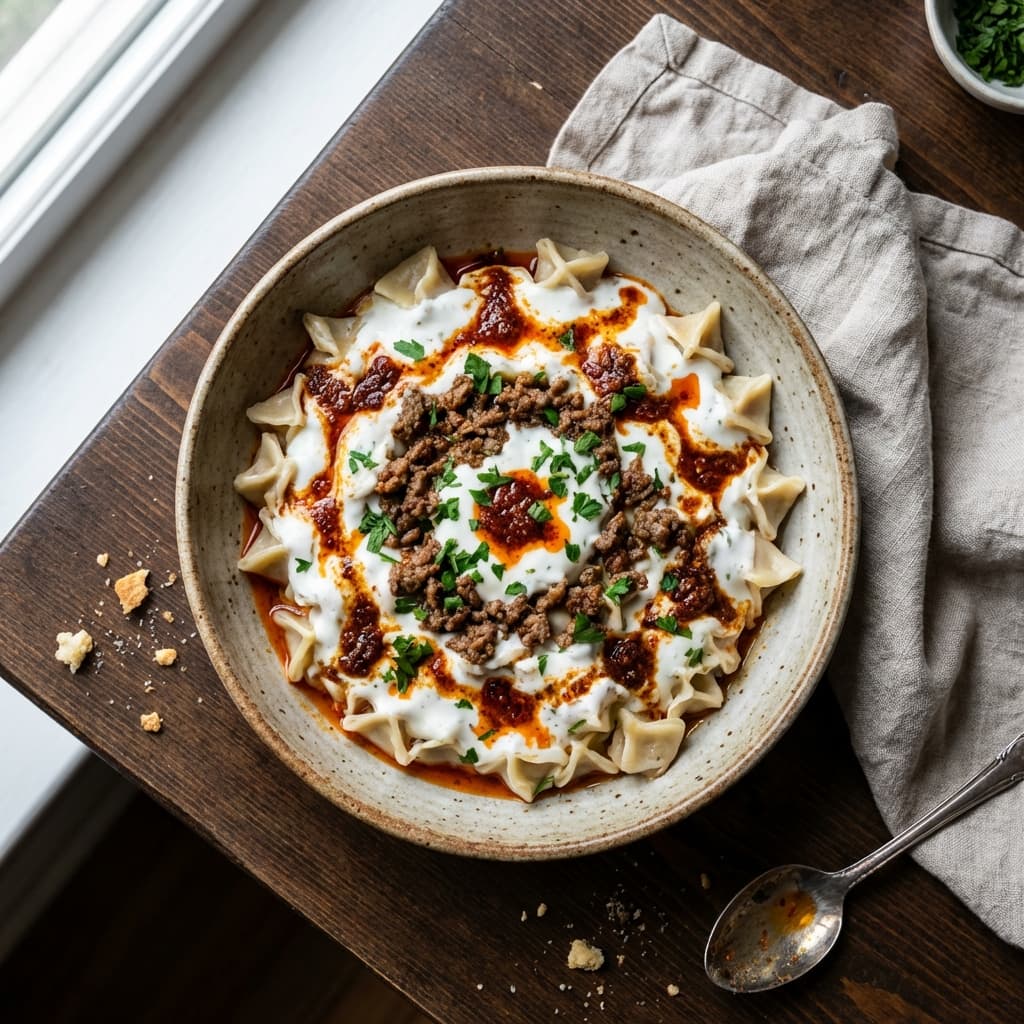
Turkish Pasta with Yogurt Sauce and Spiced Beef
Garlic yogurt, buttered spice, and beef over pasta--comfort with voltage.
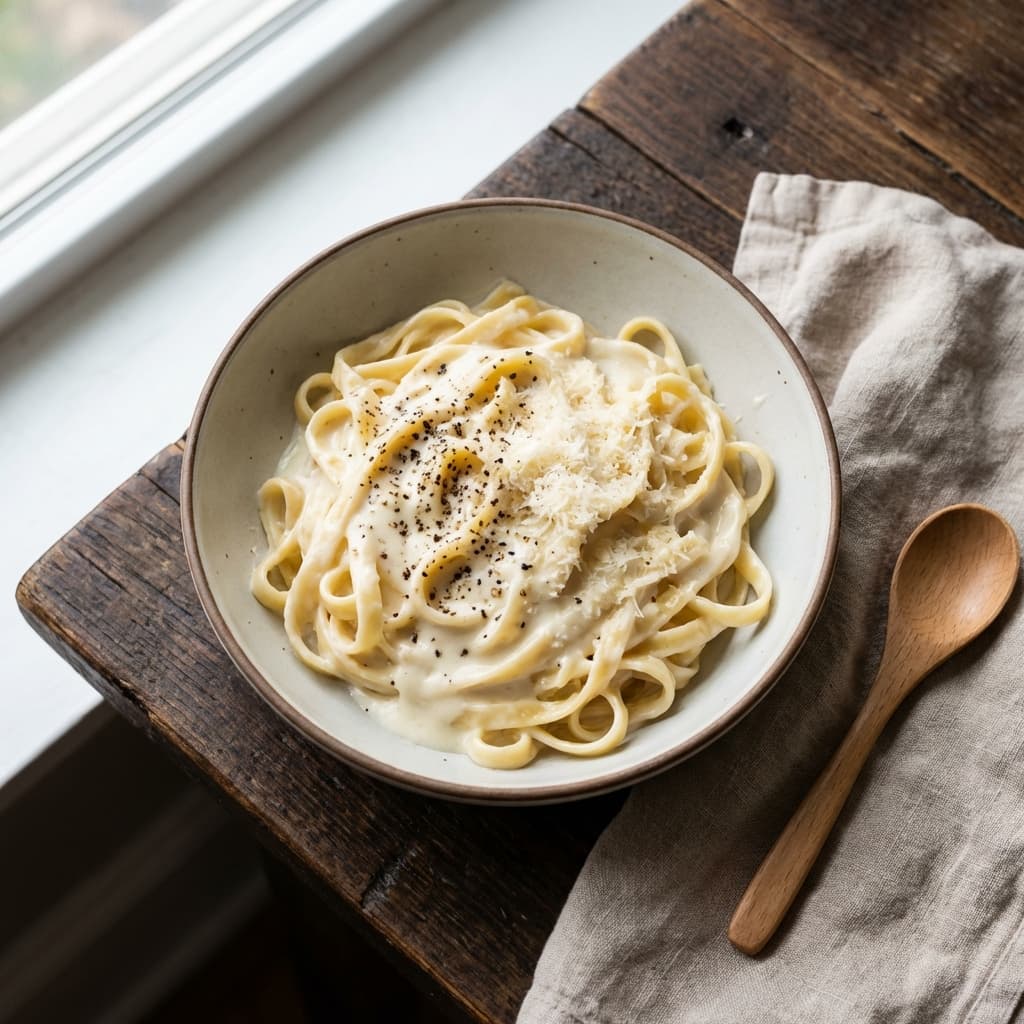
3-Ingredient Alfredo
Creamy coating without flour paste or store-bought sauce.
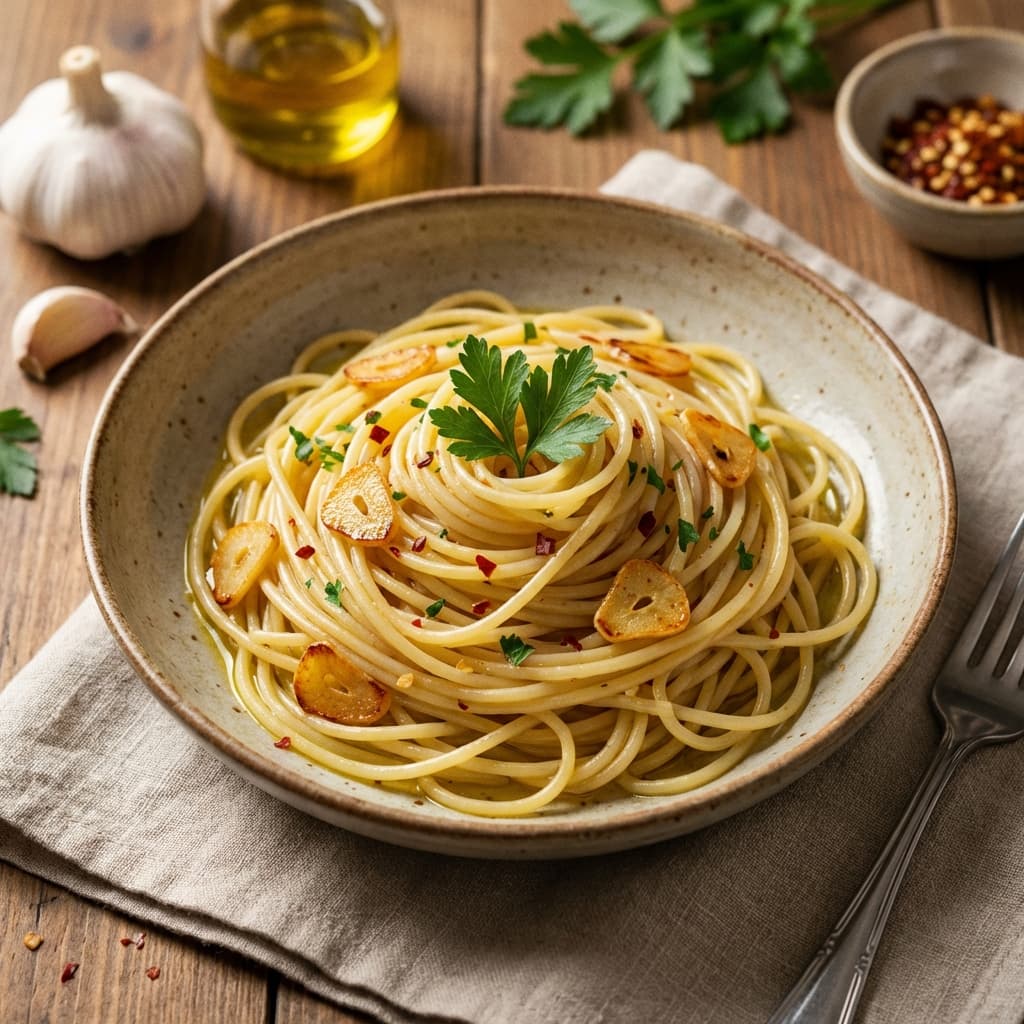
Aglio e Olio
The spicy, garlicky "Midnight Spaghetti."
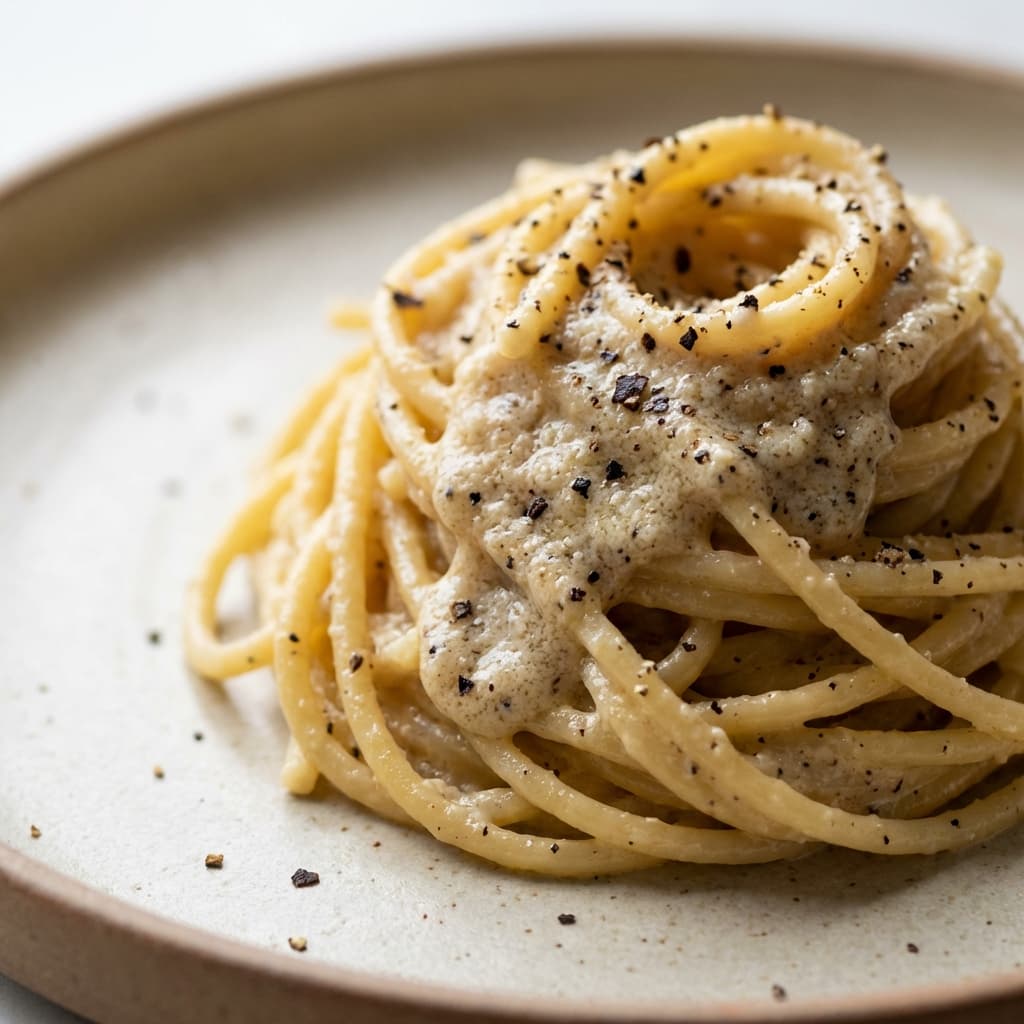
Cacio e Pepe
Roman alchemy: turning cheese and water into cream.
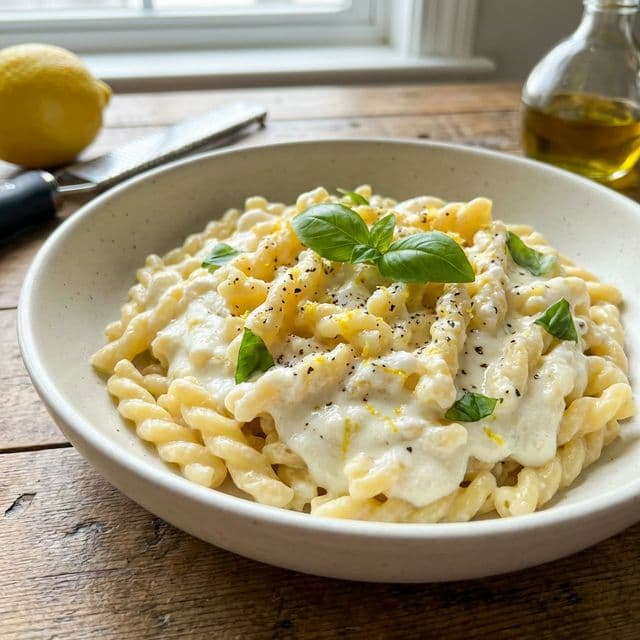
One-Pot Pasta with Ricotta & Lemon
Boil the pasta in the sauce. Starch binds the cheese.
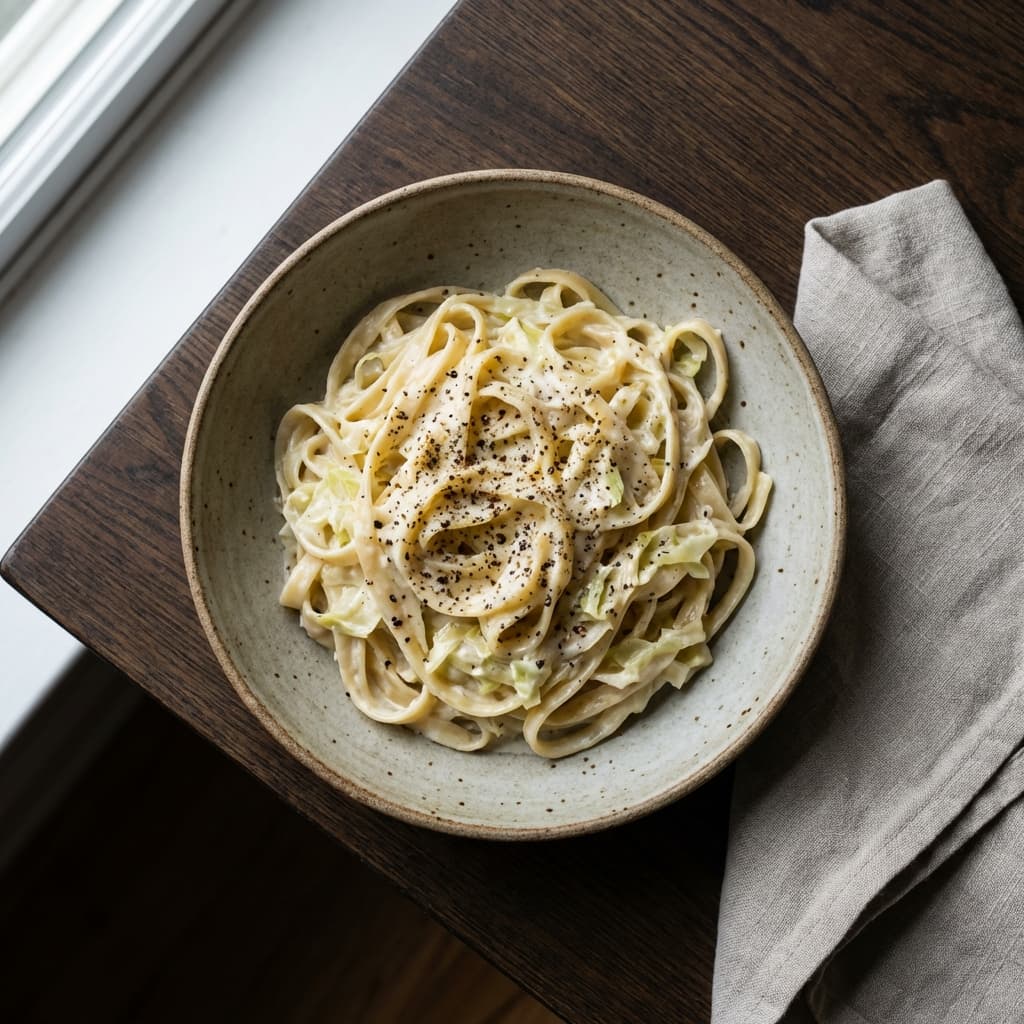
Cabbage Alfredo
Creamy comfort with a secret weapon: cabbage makes the sauce silky.
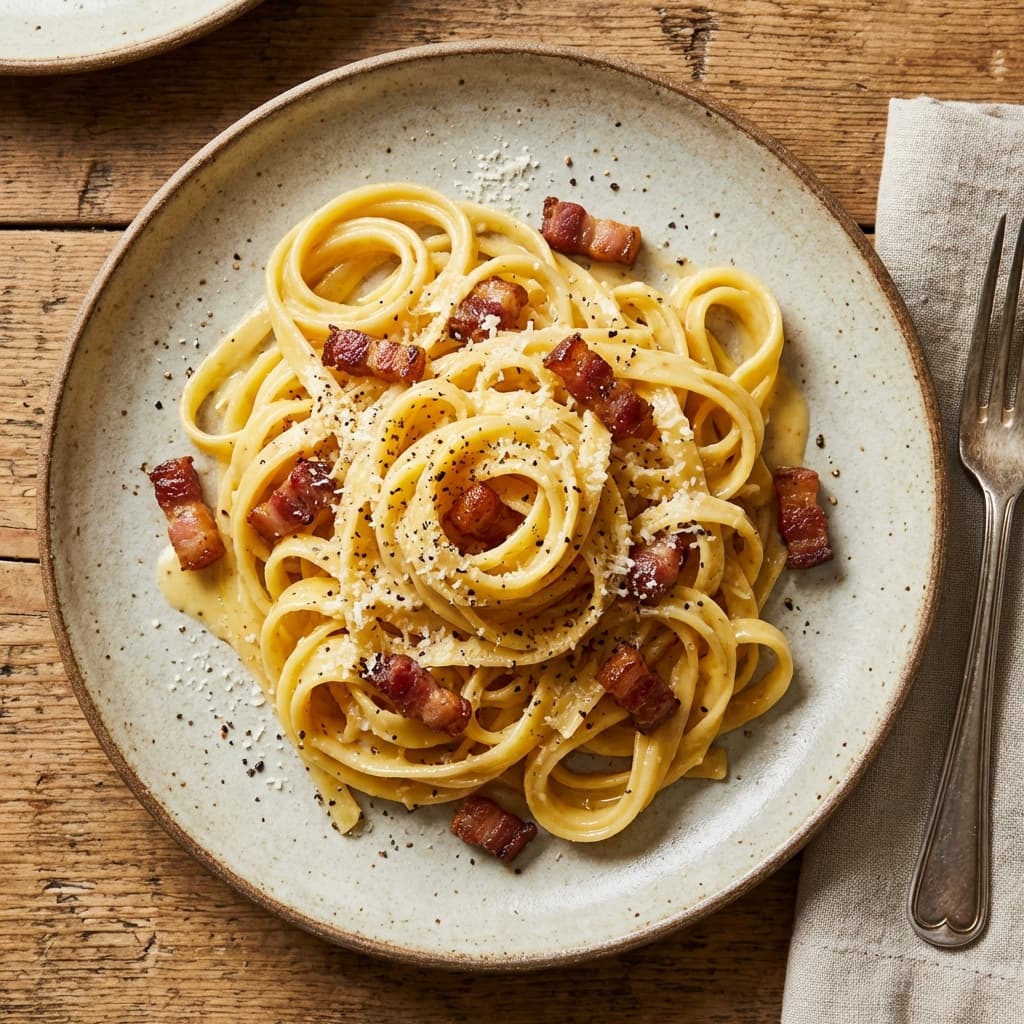
Carbonara
Egg yolks, pork fat, cheese, pepper. NO CREAM.
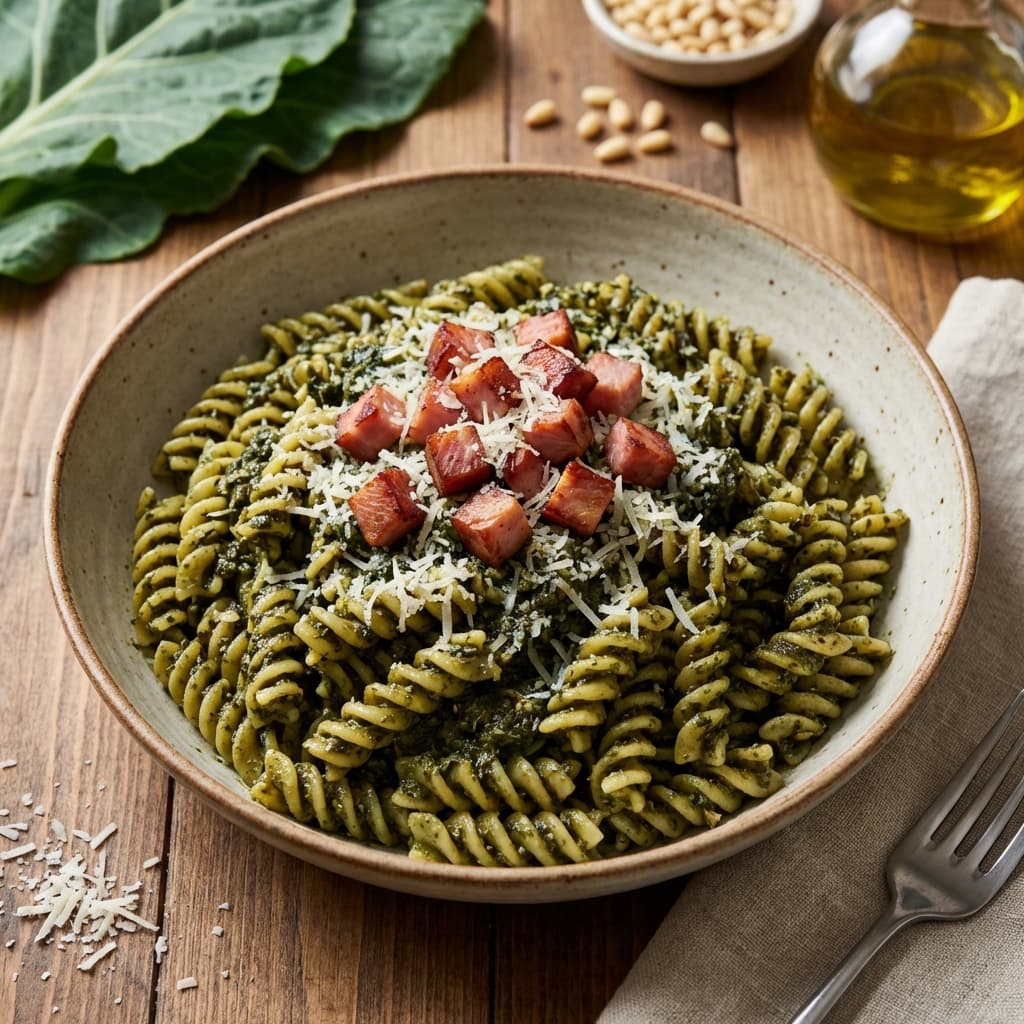
Collard Pesto Pasta with Crispy Smoked Turkey
Greens as sauce, and smoky crunch as the topping.
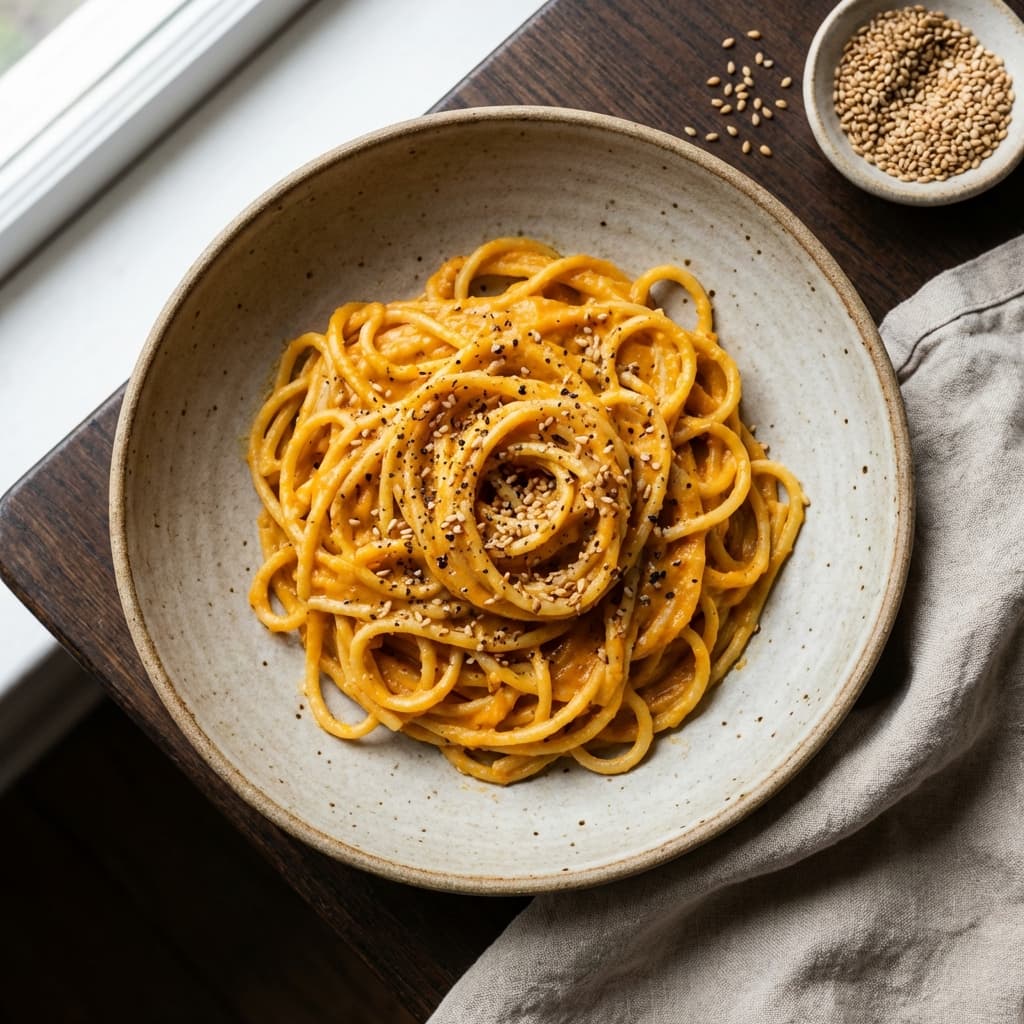
Sweet Potato 'Cacio e Pepe'
Creamy without cream--sweet potato carries the sauce.