Cacio e Pepe
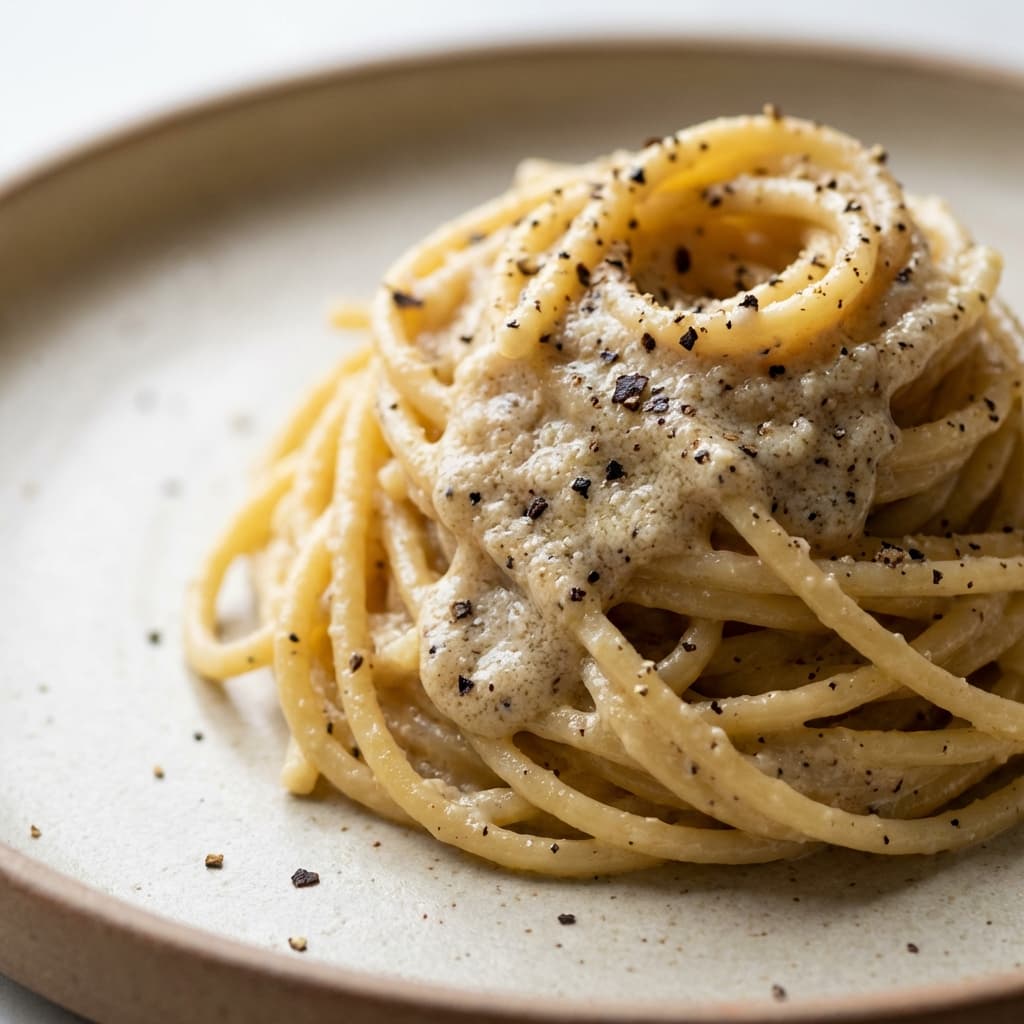
Roman alchemy: turning cheese and water into cream.
Roman alchemy: turning cheese and water into cream. This is the litmus test for a pasta cook.
This is the litmus test for a pasta cook
The fit, timing, and key move are all here. If it is a yes, go straight into cook mode.
Roman alchemy: turning cheese and water into cream.
Timing note: 20 mins
Set your units, then drop the ingredients into grocery if this is happening later.
What matters before the pan gets hot
The shortest path to understanding the dish, the key move, and whether tonight is the right time to cook it.
The Hook
This isn't pasta; it's a high-stakes chemistry experiment. Screw it up, and you're serving glorified wallpaper paste.
The Technique
The magic is an emulsion. Starch from the pasta, fat from the Pecorino, and a splash of water. Agitate it right, and you get creamy. Agitate wrong, or overheat, and you get a clumpy, broken mess. No cream. Ever. This is where you prove you can actually cook.
The History
Forget fancy origins. This was shepherd grub. Dried pasta, hard cheese, pepper for warmth. Survival food. If you think this dish is about romance, you’re an idiot. It’s about not freezing to death with a full stomach.
Food Facts
Sourced notes. Tap to verify.
A lot of dairy texture comes from milk proteins like casein. When those proteins coagulate (from acid, heat, or enzymes), you get curds, thickeners, and the backbone of cheeses and creamy sauces.
Roman alchemy: turning cheese and water into cream. This is the litmus test for a pasta cook.
Nutrition per Serving
Estimated valuesSatiety
Data verifiedTechnique, context, and fallback plans
The reason the method works, the prep you can do early, and what to change if the dish starts drifting.
This dish began as survival rations for Roman shepherds roaming the Apennine Mountains. Isolated for months, they carried only dried pasta, aged Pecorino Romano (which doesn't spoil), and black peppercorns. It wasn't gourmet; it was fuel. The pepper wasn't just flavor--it was believed to raise body temperature during freezing nights without shelter.
Today, it is the ultimate test of a pasta cook because there is nowhere to hide. You are trying to force water and cheese--two things that hate each other--to bind into a creamy emulsion without the cheat code of heavy cream. When it works, it is alchemy: a sauce created from nothing but starch, fat, and agitation. When it fails, it is a clump of wet rubber. It remains the most deceptive bowl of pasta in the Italian canon.
My cheese sauce is clumpy and not smooth.
Ah, the pan was likely a bit too hot when you added the cheese.
My sauce is too thin and watery.
This usually means we didn't get enough of that wonderful starchy pasta water into the sauce.
Watch the Technique
Video source: YouTube
Use this in Focus
Turn this nutrition profile into a week you can plan, shop, and actually cook.
Set up, cook, and remember what worked
The mise, the method, your notes, and the next recipes to master after this one lands.
The Setup
- Stockpot8+ qt
- Skillet12-inch
- Microplane/Zester
- Tongs
The Mise en Place
4Your prep station before cooking begins
The Spice Blend (0/1)
The Pantry (0/2)
Other (0/1)
Chef's Notes
Toast black peppercorns briefly before grinding for maximum aroma and flavor. Use freshly cracked pepper!
Reserve pasta water! It's crucial for creating a creamy sauce. Add it gradually to emulsify the cheese and starch.
Serve immediately. A sprinkle of extra Pecorino Romano and black pepper makes a beautiful garnish.
TOAST
In a dry pan, TOAST the crushed pepper (1 tbsp) until fragrant. Add a ladle of water to stop the cooking.
BOIL
BOIL the pasta (400g) in a shallow pan with minimal water.
Why? Less water = higher starch concentration. We need "super-water" to bind the oil.
TRANSFER
When pasta is 2 minutes undercooked (very al dente), DRAG it directly into the pepper pan with tongs. Do not drain.
MANTIECARE (The Emulsion)
Time-sensitiveRemove pan from heat. Wait 30 seconds. ADD the Pecorino (200g) and a splash of pasta water (400 g). WHISK vigorously.
⚠️ If the pan is too hot, the cheese proteins will seize and clump.
Sauce should transform from watery to a glossy, opaque cream.
Service Log
Log your variables. Iterate like a pro.
Clean slate.
Log your variables after the first run.