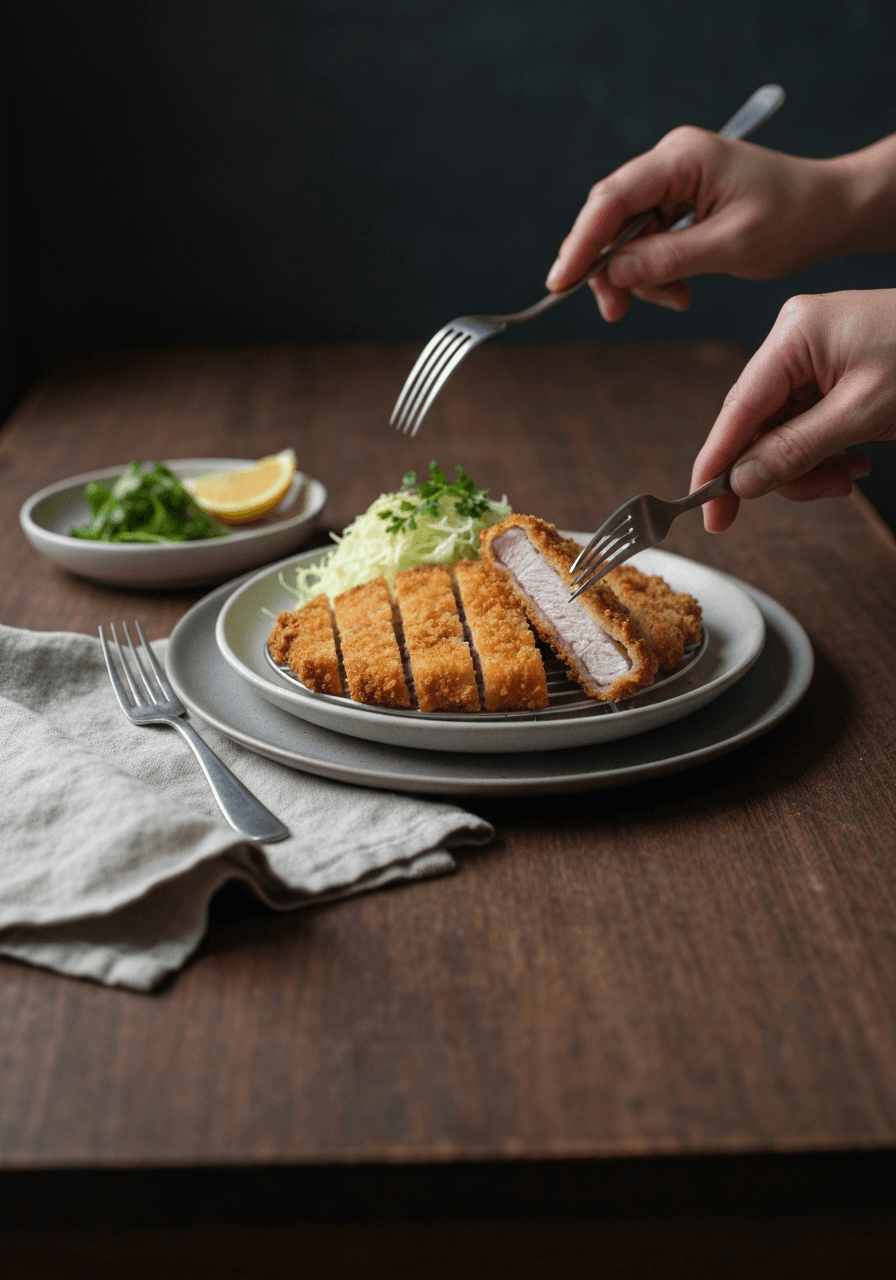
Tonkatsu — Breaded Cutlet
Experience the perfect harmony of crispy panko and juicy pork with this classic Japanese tonkatsu recipe. A simple dish elevated to an art form.
Crispy, golden-brown tonkatsu: juicy pork cutlets coated in panko breadcrumbs and deep-fried to perfection. A Japanese comfort food classic.
Maintain a consistent oil temperature of 325°F (160°C) for even cooking and a perfectly crispy crust.
The fit, timing, and key move are all here. If it is a yes, go straight into cook mode.
Experience the perfect harmony of crispy panko and juicy pork with this classic Japanese tonkatsu recipe. A simple dish elevated to an art form.
Set your units, then drop the ingredients into grocery if this is happening later.
What matters before the pan gets hot
The shortest path to understanding the dish, the key move, and whether tonight is the right time to cook it.
The Hook
**The key to perfect tonkatsu is maintaining a consistent oil temperature for even cooking and maximum crispness.**
The Technique
The double-frying technique ensures a crispy crust and prevents the panko from burning. The first fry cooks the pork through, while the second fry deepens the color and enhances the crispiness of the breading. Maintaining the right oil temperature is critical for both.
The History
Tonkatsu originated in Japan during the Meiji era (late 19th century) as a Western-inspired dish. It evolved from French-style cutlets, adapted to Japanese tastes with the use of panko breadcrumbs and local ingredients.
Food Facts
Sourced notes. Tap to verify.
The Maillard reaction is a chemical reaction between amino acids and sugars that creates many of the roasted, toasted, and deeply savory flavors in cooked food.
Crispy, golden-brown tonkatsu: juicy pork cutlets coated in panko breadcrumbs and deep-fried to perfection. A Japanese comfort food classic.
Nutrition per Serving
Estimated valuesSatiety
Data estimatedTechnique, context, and fallback plans
The reason the method works, the prep you can do early, and what to change if the dish starts drifting.
Tonkatsu, a Japanese breaded pork cutlet, is a symphony of textures and flavors. It's more than just fried pork; it's an experience. The shatteringly crisp panko crust gives way to a succulent, juicy interior, a delightful contrast that dances on the palate. Each bite is an exploration of simplicity elevated to art.
Imagine the warmth of the golden crust, the satisfying crunch as you bite in, and the savory pork melting in your mouth. It's a dish that evokes memories of bustling Tokyo eateries and the comforting aroma of home-cooked meals. Tonkatsu is a celebration of simple ingredients transformed into something extraordinary.
But the true magic of tonkatsu lies in the details. The quality of the pork, the freshness of the panko, and the precise temperature of the oil all play crucial roles in achieving that perfect balance of crispy and juicy. It's a dish that rewards attention to detail and a willingness to embrace the art of frying.
So, gather your ingredients, embrace the sizzle, and prepare to embark on a culinary journey to Japan. With each perfectly fried cutlet, you'll discover the simple joy of tonkatsu, a dish that's both comforting and captivating.
Panko is burning too quickly.
The oil is too hot. Reduce the heat and check the temperature with a thermometer.
Tonkatsu is not crispy enough.
Make sure the oil is hot enough and don't overcrowd the pan.
Use this in Focus
Turn this nutrition profile into a week you can plan, shop, and actually cook.
Set up, cook, and remember what worked
The mise, the method, your notes, and the next recipes to master after this one lands.
The Setup
- Large Skillet or Dutch Oven
- Thermometer
- Wire Rack
- Shallow Dishes
The Mise en Place
5 of 7Your prep station before cooking begins
The Dry Mix (0/5)
PREPARE
Pat the pork cutlets (600 g) dry with paper towels. Season generously with salt (1 tsp) and pepper.
SET UP
Set up a breading station with flour, beaten eggs (2 large), and panko breadcrumbs (2 cups) in separate shallow dishes.
DREDGE
Dredge each cutlet in flour, shaking off any excess. Dip into the beaten eggs (2 large), then coat thoroughly with panko breadcrumbs (2 cups), pressing gently to adhere.
Cutlets are evenly coated with panko
HEAT
Time-sensitiveHeat vegetable oil (4 cups) in a large, deep skillet or Dutch oven to 325°F (160°C). Use a thermometer to monitor the temperature.
Oil is shimmering and hot
FRY
Carefully place the breaded cutlets into the hot oil, being careful not to overcrowd the pan. Fry for 3-4 minutes per side, or until golden brown and cooked through.
Cutlets are golden brown and crispy
REMOVE
Remove the fried cutlets from the oil and place them on a wire rack to drain excess oil.
REST
Let the tonkatsu rest for a few minutes before slicing and serving.
SLICE
Slice the tonkatsu into 1-inch thick strips and serve immediately with shredded cabbage, tonkatsu sauce, and rice.
Crispy crust and juicy interior
Service Log
Log your variables. Iterate like a pro.
Clean slate.
Log your variables after the first run.
Master These Next
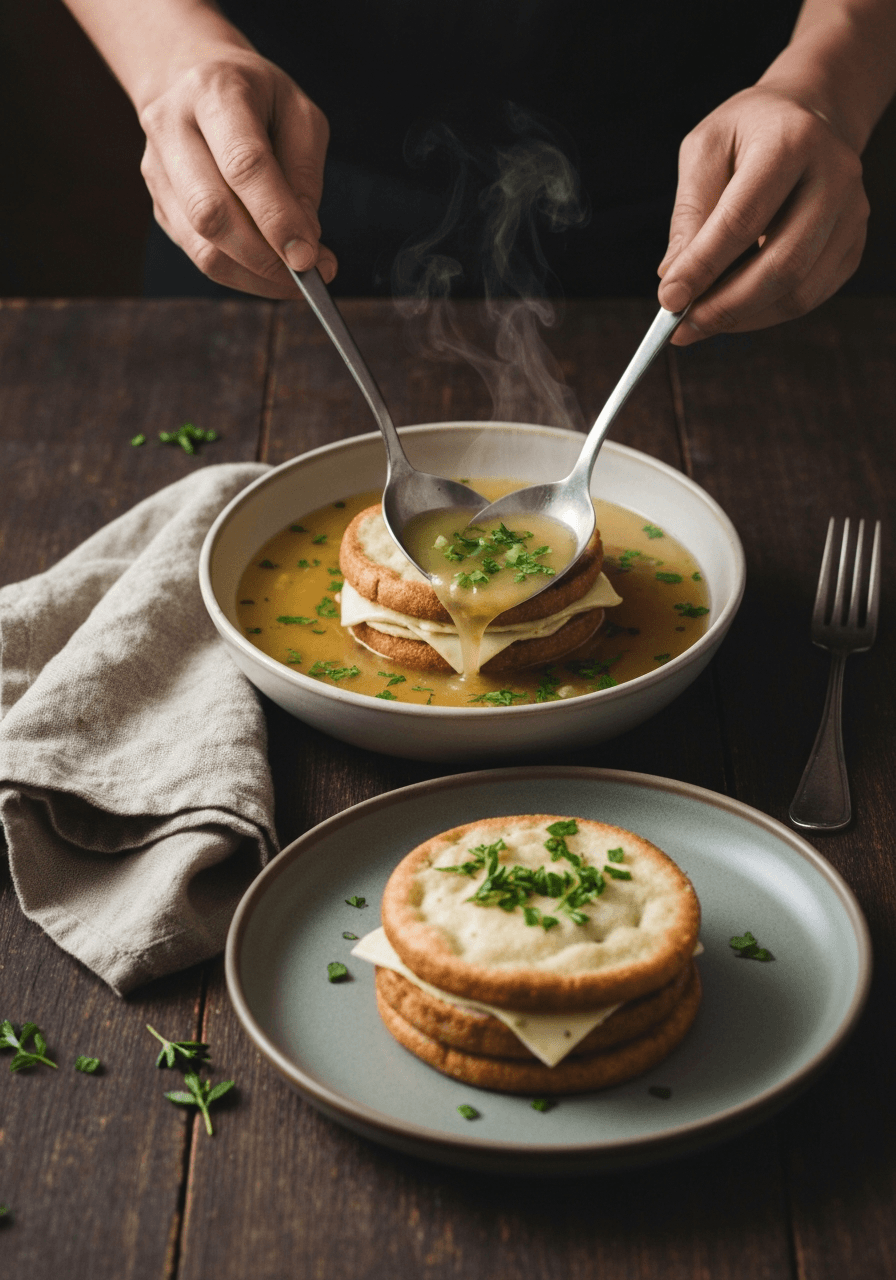
Soup & Sandwich Pairing Guide
Unlock the secrets to perfect soup and sandwich pairings! Discover flavor combinations that will transform your lunch into a culinary adventure.
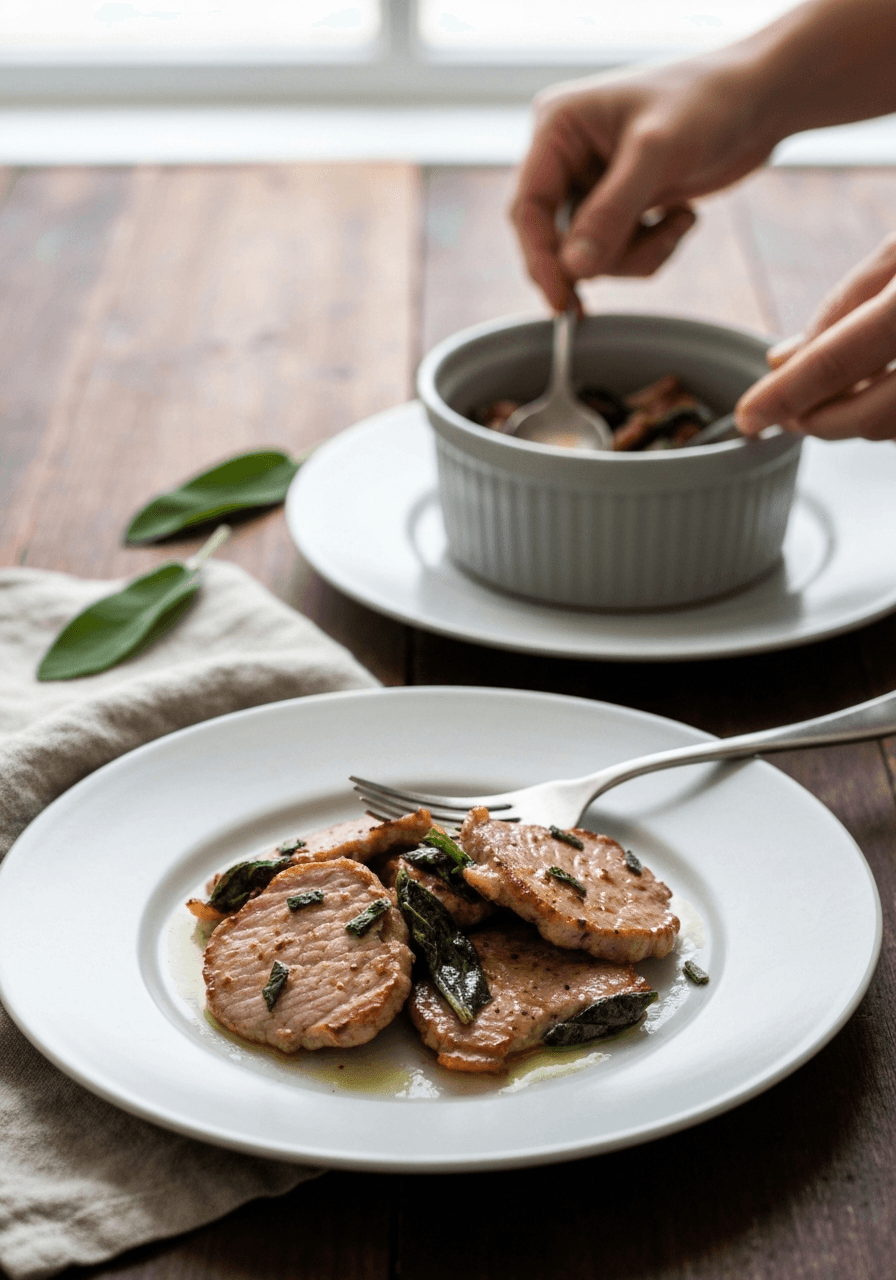
Saltimbocca — Sage and Prosciutto
Savor the taste of Rome with tender veal, fragrant sage, and salty prosciutto – a quick and elegant dish that will jump in your mouth!
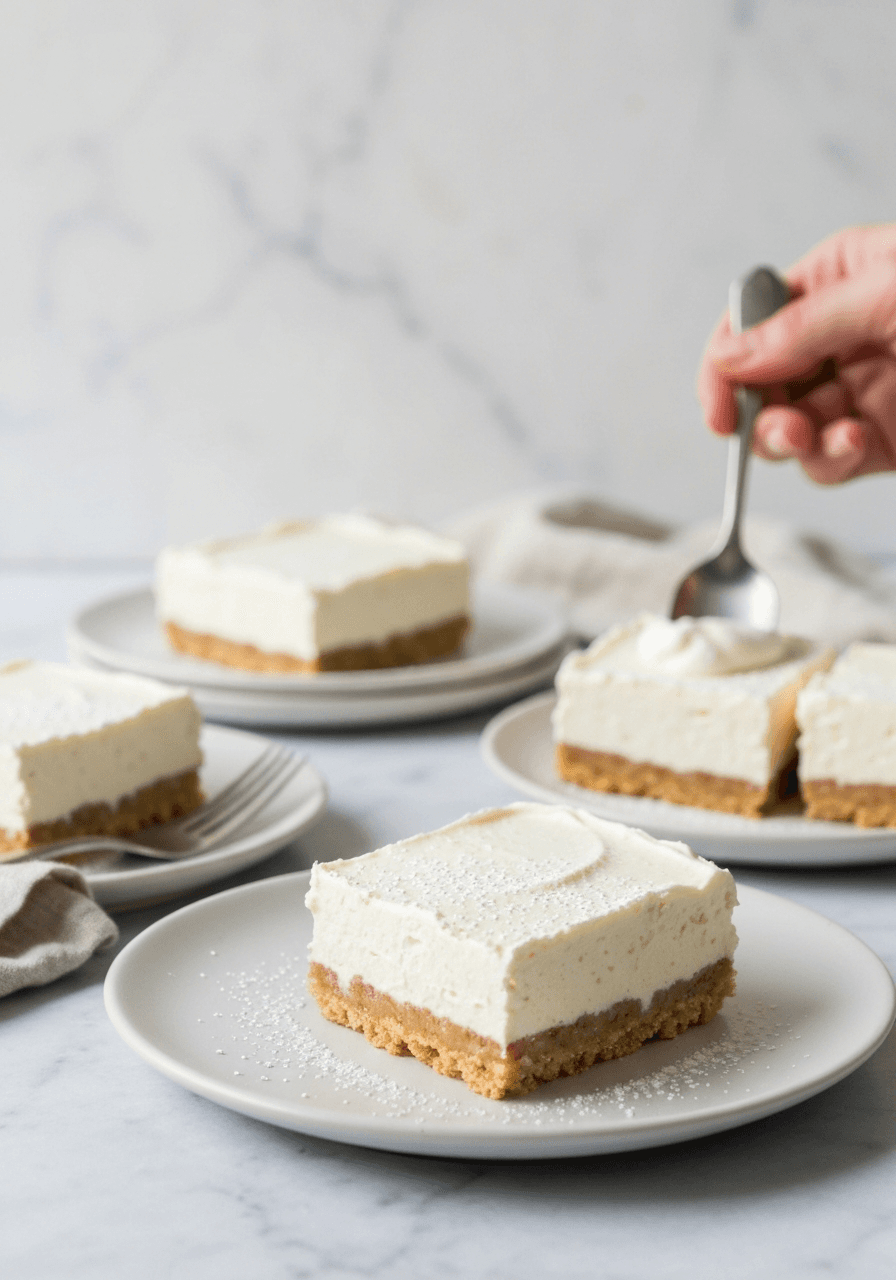
No-Bake Cheesecake Bars
Cool, creamy, and utterly irresistible – these no-bake cheesecake bars are the perfect summer treat. A simple recipe that delivers maximum flavor and satisfaction.