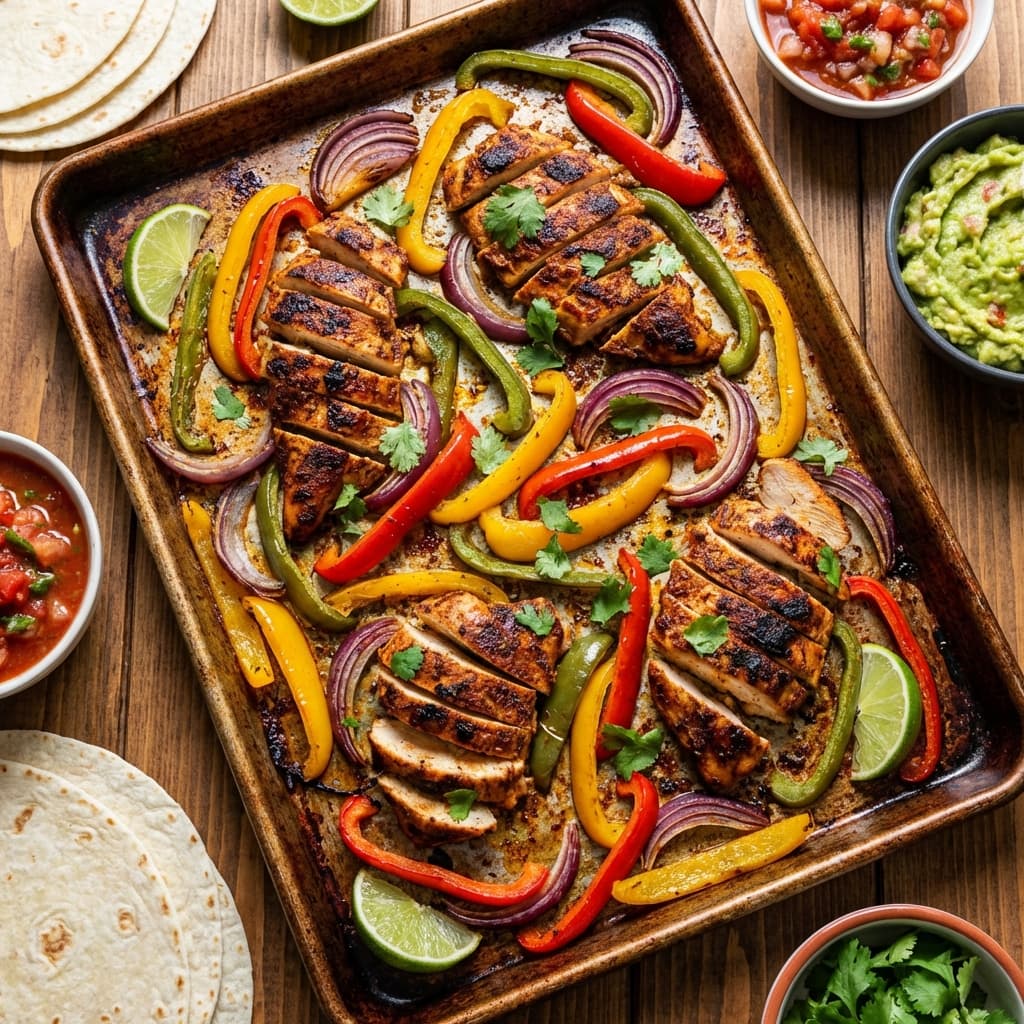
Sheet Pan Chicken Fajitas (Sizzling, Not Watery)
Fajitas with real browning: roasted chicken, peppers, onions, lime finish. No watery pan.
Sheet pan chicken fajitas that actually roast. High heat, dry chicken, and proper spacing avoid watery fajitas forever.
Pat chicken dry and roast at 450F with space--browning is what makes fajitas taste right.
The fit, timing, and key move are all here. If it is a yes, go straight into cook mode.
Fajitas with real browning: roasted chicken, peppers, onions, lime finish. No watery pan.
Timing note: 28 mins
Set your units, then drop the ingredients into grocery if this is happening later.
What matters before the pan gets hot
The shortest path to understanding the dish, the key move, and whether tonight is the right time to cook it.
The Hook
Watery fajitas? That's not a kitchen, that's a damn sauna. We're here to cook, not steam vegetables.
The Technique
High heat and space are non-negotiable. Wet chicken and crowded pans create steam, killing browning. We need the Maillard reaction, not a water bath. Drying the meat and giving it room ensures proper caramelization and a proper sear, not a pathetic sweat.
The History
Forget the Tex-Mex fairytale. True fajitas are about maximizing flavor from humble cuts, a culinary hack born from necessity, not some invented tradition. This is about getting the most out of cheap ingredients through brute force heat and smart technique.
Food Facts
Sourced notes. Tap to verify.
A sheet-pan dinner leans on a baking sheet as a wide, hot surface so ingredients roast in a single layer. Spacing matters: crowding traps steam, while airflow helps browning.
Sheet pan chicken fajitas that actually roast. High heat, dry chicken, and proper spacing avoid watery fajitas forever.
Nutrition per Serving
Estimated valuesSatiety
Data verifiedTechnique, context, and fallback plans
The reason the method works, the prep you can do early, and what to change if the dish starts drifting.
The quest for truly great fajitas often ends in disappointment, a plate of pale, steamed ingredients swimming in their own juices. This happens when the pan is too crowded, the chicken too wet, and the heat too timid, turning what should be a vibrant sizzle into a sad, watery sigh. It’s a common culinary frustration, a far cry from the authentic, deeply flavored experience we crave.
But there’s a better way, one that embraces the transformative power of high heat and thoughtful preparation. By ensuring the chicken is thoroughly dried and given ample space on the sheet pan, we coax out rich caramelization and that irresistible, smoky aroma. This isn't just about avoiding sogginess; it's about unlocking the true potential of the ingredients, allowing the peppers and onions to roast to tender perfection, their edges kissed with char.
A final flourish of bright lime cuts through the richness, awakening every bite and evoking the lively spirit of a bustling cantina. This method elevates simple ingredients into a dish that sings with flavor and texture, proving that a little attention to technique can make all the difference.
My pan is swimming in liquid, not sizzling.
Ah, that's usually because the chicken had too much moisture, or the pan was too crowded.
My chicken ended up dry and tough.
That can happen if it roasted a bit too long, or if you used breast meat, which cooks faster.
Set up, cook, and remember what worked
The mise, the method, your notes, and the next recipes to master after this one lands.
The Setup
- Sheet Panhalf sheet
- Mixing Bowl
The Mise en Place
5 of 10Your prep station before cooking begins
The Protein (0/1)
The Aromatics (0/1)
Spices (0/3)
Chef's Notes
Serve with Avocado Lime Dressing or Kefir Ranch as a sauce.
PREHEAT
Heat oven to 450F (232C). Line a sheet pan.
High heat is what prevents watery fajitas. • Oven fully preheated
DRY
Pat chicken strips very dry. Wet chicken steams and makes the pan watery.
Dry surface = browning; wet surface = steam. • No wet sheen on chicken
Chicken feels dry to the touch
TOSS
Toss chicken, peppers, and onion (1 whole) with olive oil (2 tbsp), chili powder (2 tsp), cumin, paprika, salt, and pepper.
Oil helps spice bloom and browning. • Light sheen across everything • Warm spice aroma
Even coating without puddles
ROAST
Time-sensitiveSpread into a single layer with space. Roast 14 minutes, stir, then roast 8-10 minutes more until browned and chicken is cooked through.
If it looks wet mid-cook, your pan is crowded—use two pans next time. • Roasted spots on peppers and browned chicken edges • Fajita aroma smells roasted, not stewed
Browned edges; chicken cooked through
FINISH
Squeeze lime (1 whole) over the pan and toss. Taste and adjust salt.
Acid at the end is what makes fajitas taste like fajitas. • Light sheen without watery pooling • Lime lifts aroma instantly
Bright finish with balanced salt
Service Log
Log your variables. Iterate like a pro.
Clean slate.
Log your variables after the first run.
Related Techniques
Master These Next
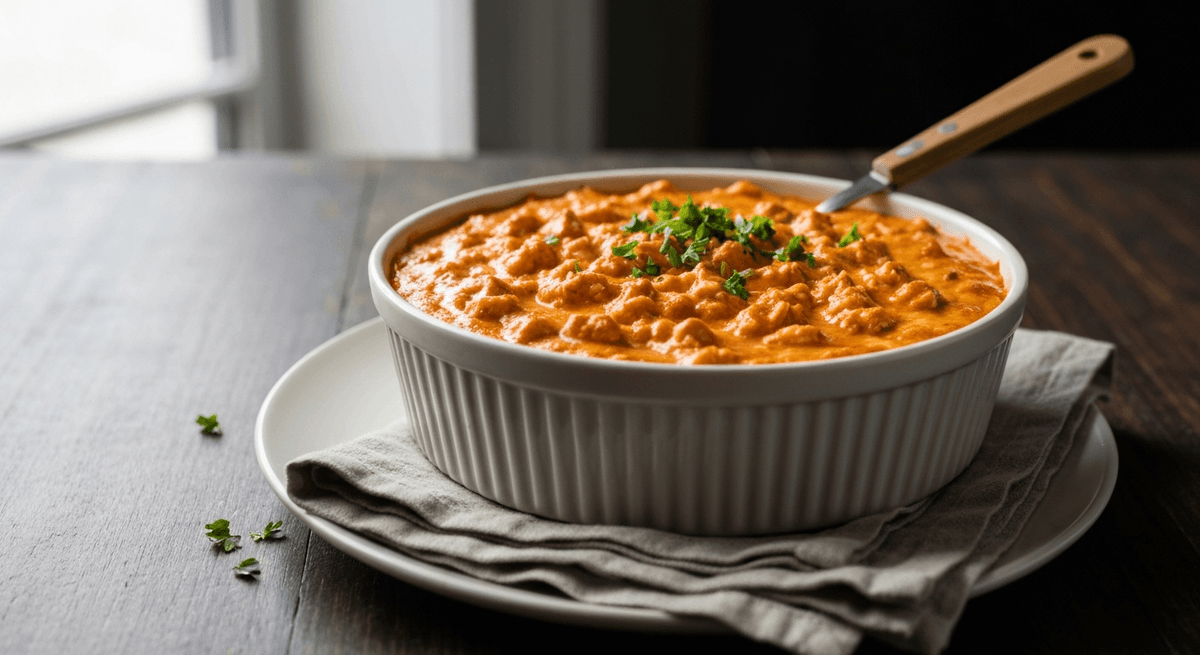
Buffalo Chicken Dip
The ultimate party appetizer: spicy, creamy, and totally irresistible. Get ready for game day with this crowd-pleasing Buffalo Chicken Dip!
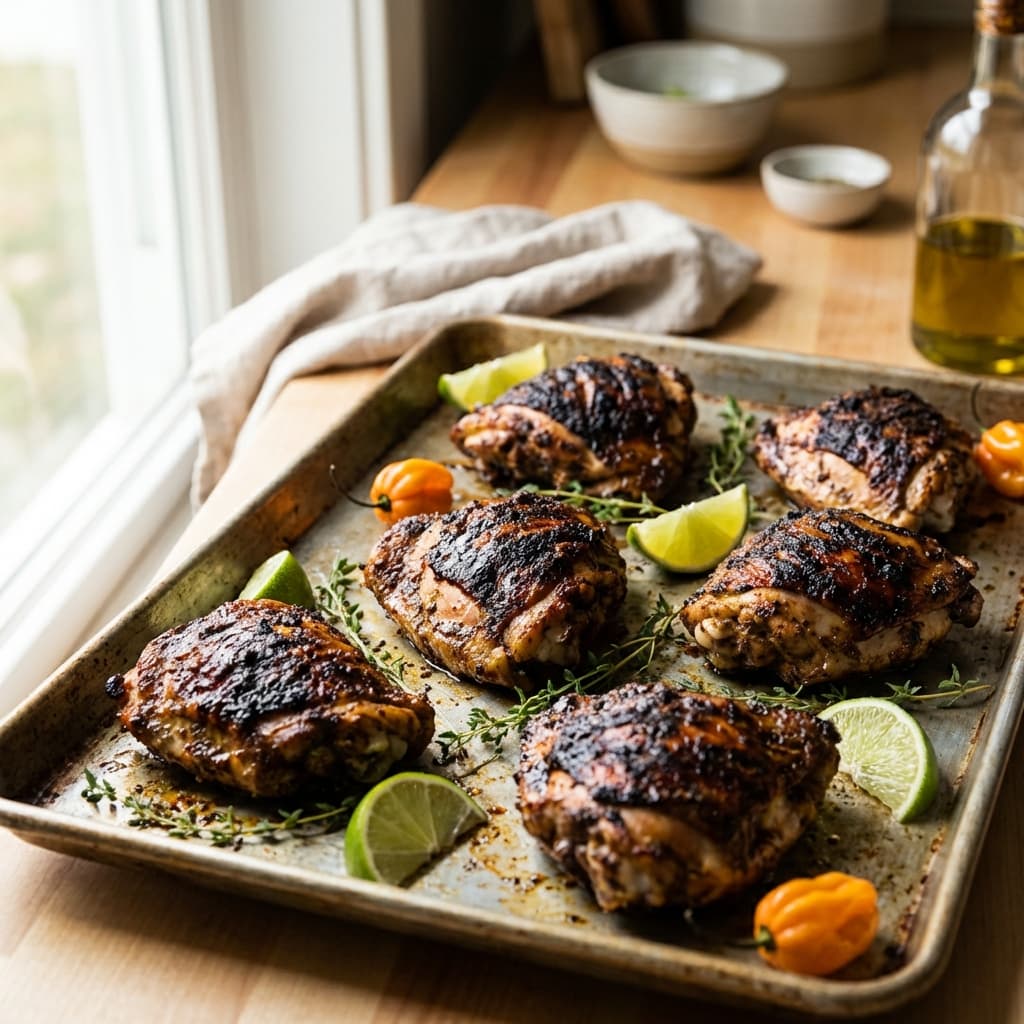
Oven Jerk Chicken Thighs
Jerk flavor without the grill: spicy, smoky, and citrus-bright.
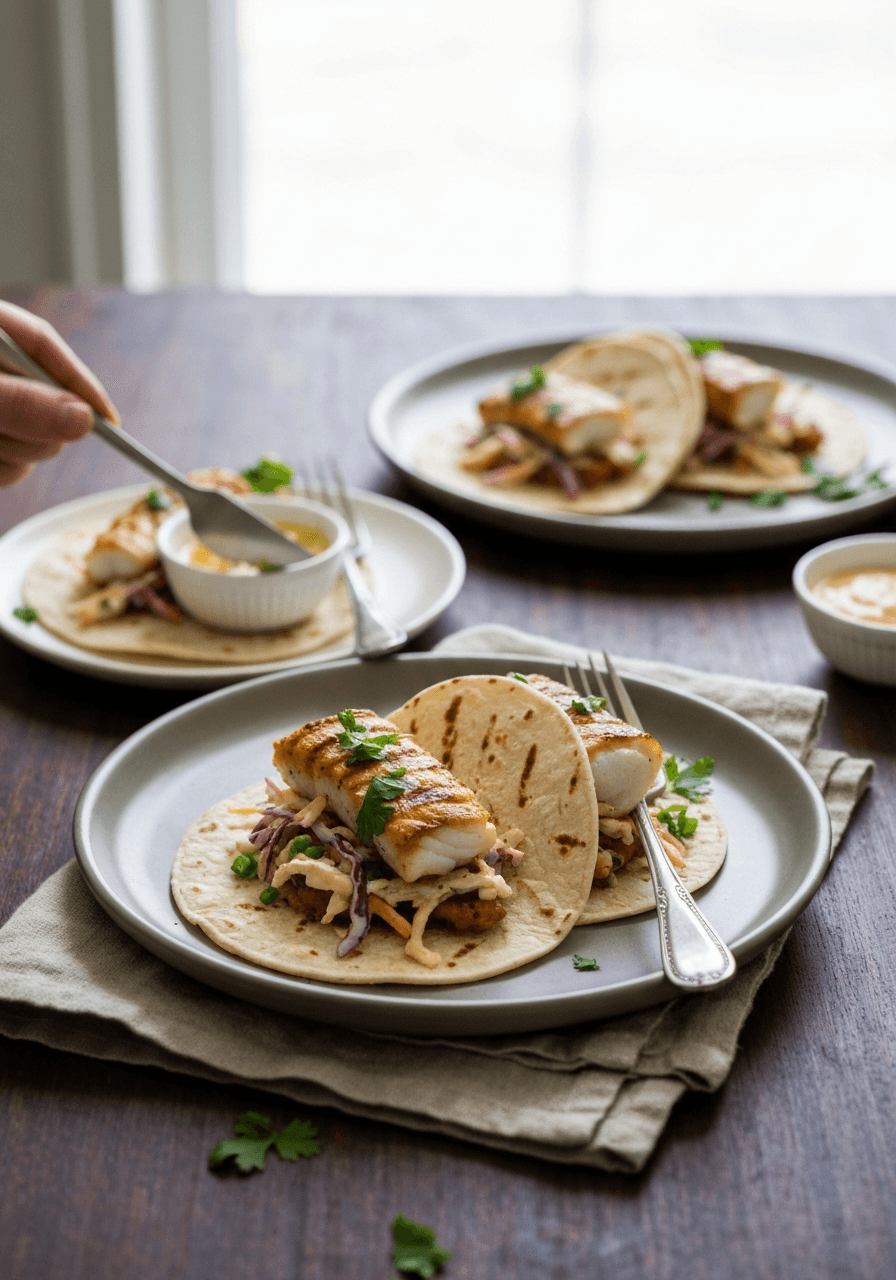
Grilled Fish Tacos — Baja Style
Smoky grilled fish, tangy slaw, and creamy sauce come together in these Baja-style tacos for a taste of California sunshine. The perfect weeknight meal or weekend fiesta.