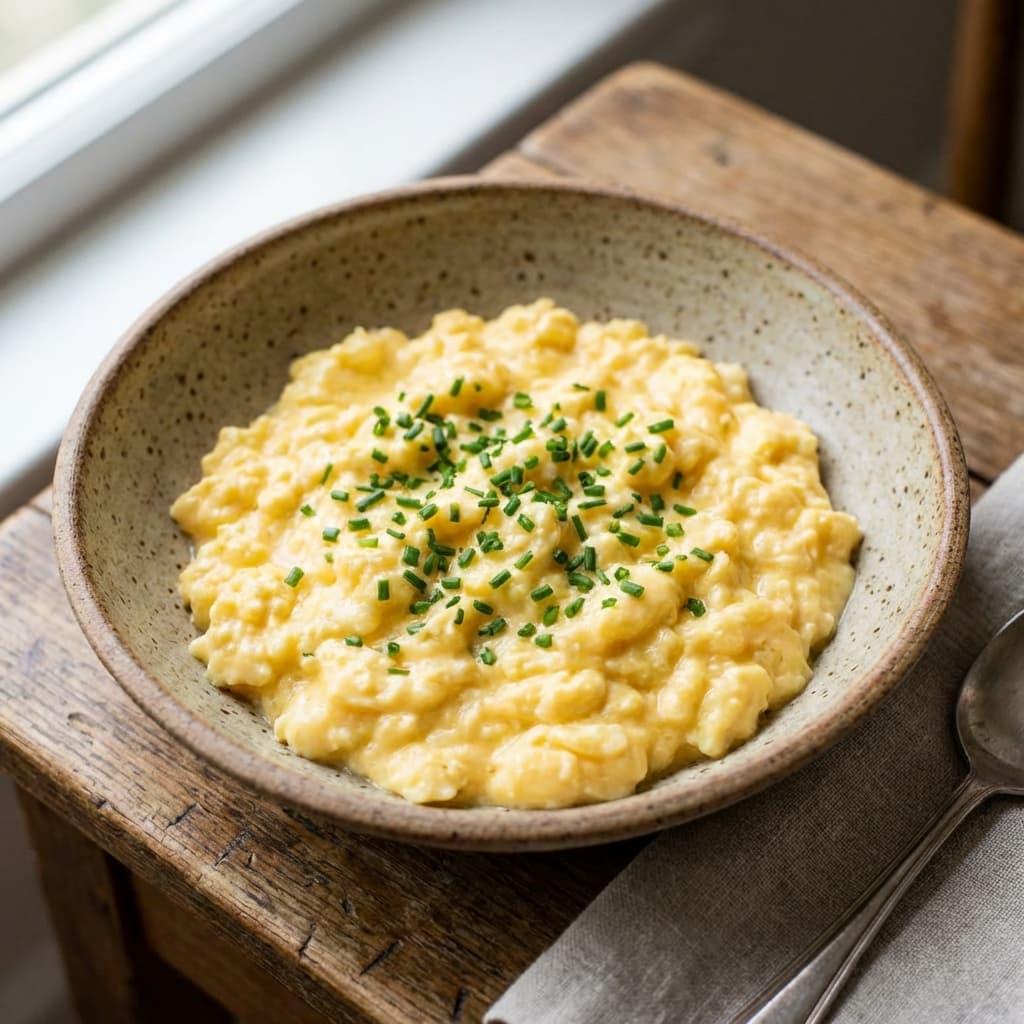
Scrambled Eggs
Buttery, golden ribbons of soft custard.
Buttery, golden ribbons of soft custard. If you want to start a fight in a kitchen, ask how to cook these.
If you want to start a fight in a kitchen, ask how to cook these
The fit, timing, and key move are all here. If it is a yes, go straight into cook mode.
Buttery, golden ribbons of soft custard.
Timing note: 5 mins
Set your units, then drop the ingredients into grocery if this is happening later.
What matters before the pan gets hot
The shortest path to understanding the dish, the key move, and whether tonight is the right time to cook it.
The Hook
These aren't just eggs, they're your goddamn job security. Screw this up, and you're on dish duty for a month.
The Technique
We're controlling protein coagulation. Low heat and constant agitation create tiny curds. Pulling the pan off the heat prevents overcooking, keeping the proteins tender. Overheating denatures them too fast, turning your scramble into shoe leather and that dreaded brown char.
The History
Forget Rome, these are French. They turned a peasant staple into a test of skill. For centuries, a chef's worth was judged by their scramble. Rubbery curds meant you were out. It’s a custard, not concrete.
Food Facts
Sourced notes. Tap to verify.
Egg yolks contain lecithin, an emulsifier that helps stabilize mixtures of oil and water. That is the core trick behind glossy sauces and creamy dressings.
Buttery, golden ribbons of soft custard. If you want to start a fight in a kitchen, ask how to cook these.
Nutrition per Serving
Estimated valuesSatiety
Data verifiedTechnique, context, and fallback plans
The reason the method works, the prep you can do early, and what to change if the dish starts drifting.
In the culinary world, the egg is the ultimate lie detector. It seems simple, but it requires an intuitive understanding of heat that cannot be faked. For centuries, French chefs were judged by the pleats in their hat and the texture of their scramble. If you made rubbery curds, you were out.
The philosophy here is that an egg is a custard, not a brick. Americans tend to treat eggs like masonry--cooking them fast and hard until they can stand up on their own. The French method treats them like a sauce. By cooking them low and slow, constantly agitating the curds and finishing with cold butter to arrest the cooking, you create something that is closer to a savory pudding than a breakfast diner staple. It is rich, velvety, and arguably the most luxurious thing you can eat with a spoon.
My eggs look watery and sad on the plate.
Ah, the dreaded weep! You likely salted them too early, while they were still raw. That salt breaks down the proteins and releases liquid. For beautiful, tender eggs, always add yo…
My eggs came out tough and rubbery.
That's usually a sign the heat was just a touch too high. Remember, with eggs, gentle heat is your best friend. We want to coax them into tenderness, not shock them. Low and slow i…
Set up, cook, and remember what worked
The mise, the method, your notes, and the next recipes to master after this one lands.
The Setup
- Nonstick Skillet8-inch·nonstick preferred
- Spatulasilicone preferred
- Mixing Bowl
- Whisk
The Mise en Place
3Your prep station before cooking begins
The Finish (0/1)
Chef's Notes
Whisk eggs with a fork until just combined, avoiding over-whisking to prevent tough eggs.
Cook over medium-low heat, stirring gently and constantly, for creamy, tender curds.
Serve immediately with toast, bacon, or a side of fresh fruit for a complete breakfast.
HEAT
Place a non-stick pan over medium-low heat. Add a knob of butter. Wait until it foams but does *not* brown.
POUR & MOVE
POUR in the eggs (200 g). Immediately start moving them with a spatula.
CONTROL
Time-sensitiveTake the pan OFF the heat every 30 seconds, then back on. This is called "controlling the coagulation."
⚠️ If you stop stirring for even 10 seconds, the bottom will harden into a rubber sheet. Keep moving.
KILL
Time-sensitiveWhen the eggs (200 g) look slightly *too wet* (like porridge), KILL the heat. STIR in the remaining cold butter (1 tbsp) and salt (100 g).
Texture should be glossy, wet, and spoonable. No brown. No rubber.
Texture should be glossy, wet, and spoonable. No brown. No rubber.
Service Log
Log your variables. Iterate like a pro.
Clean slate.
Log your variables after the first run.
Related Techniques
Master These Next
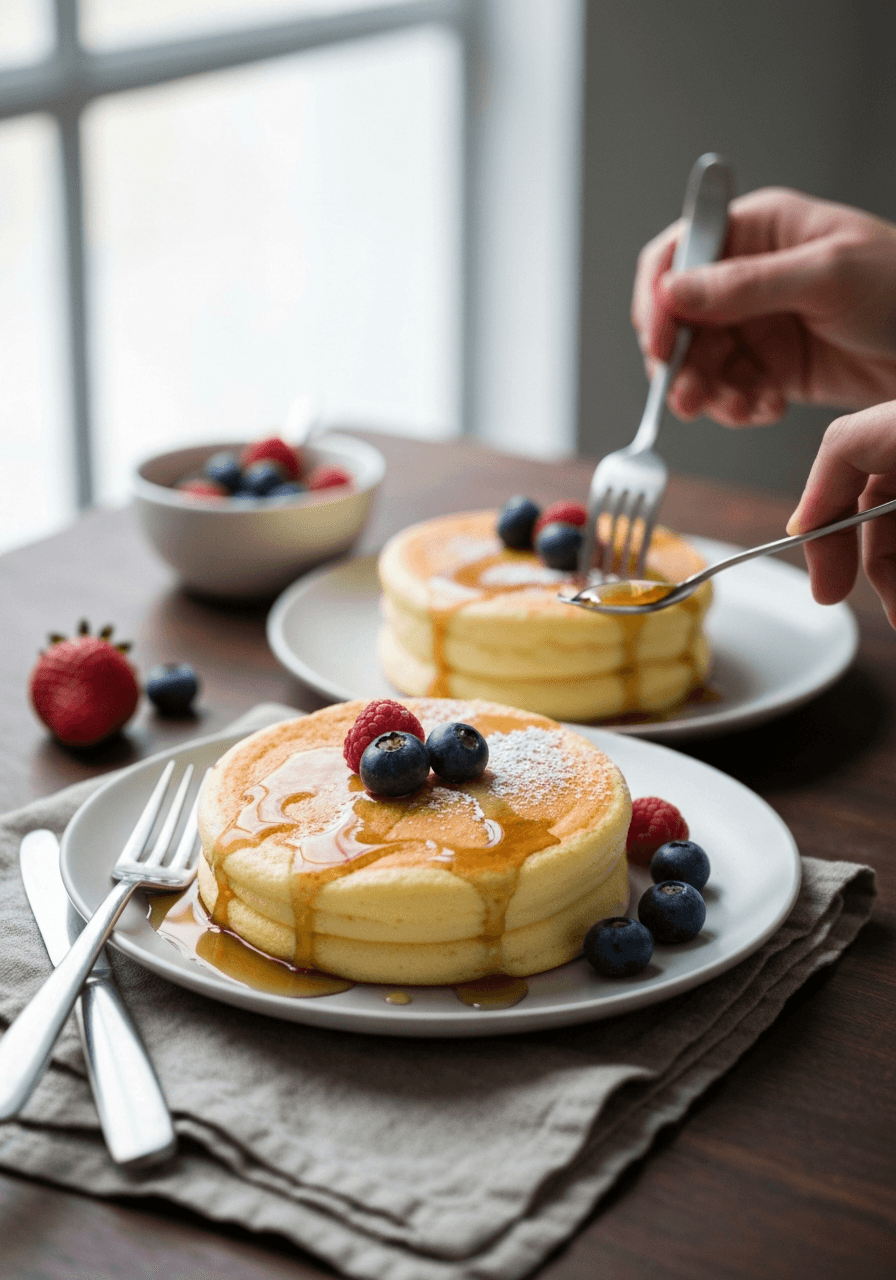
Japanese Souffle Pancakes
Experience breakfast bliss with these light, airy Japanese Souffle Pancakes. Each bite is a cloud of sweet, jiggly perfection.
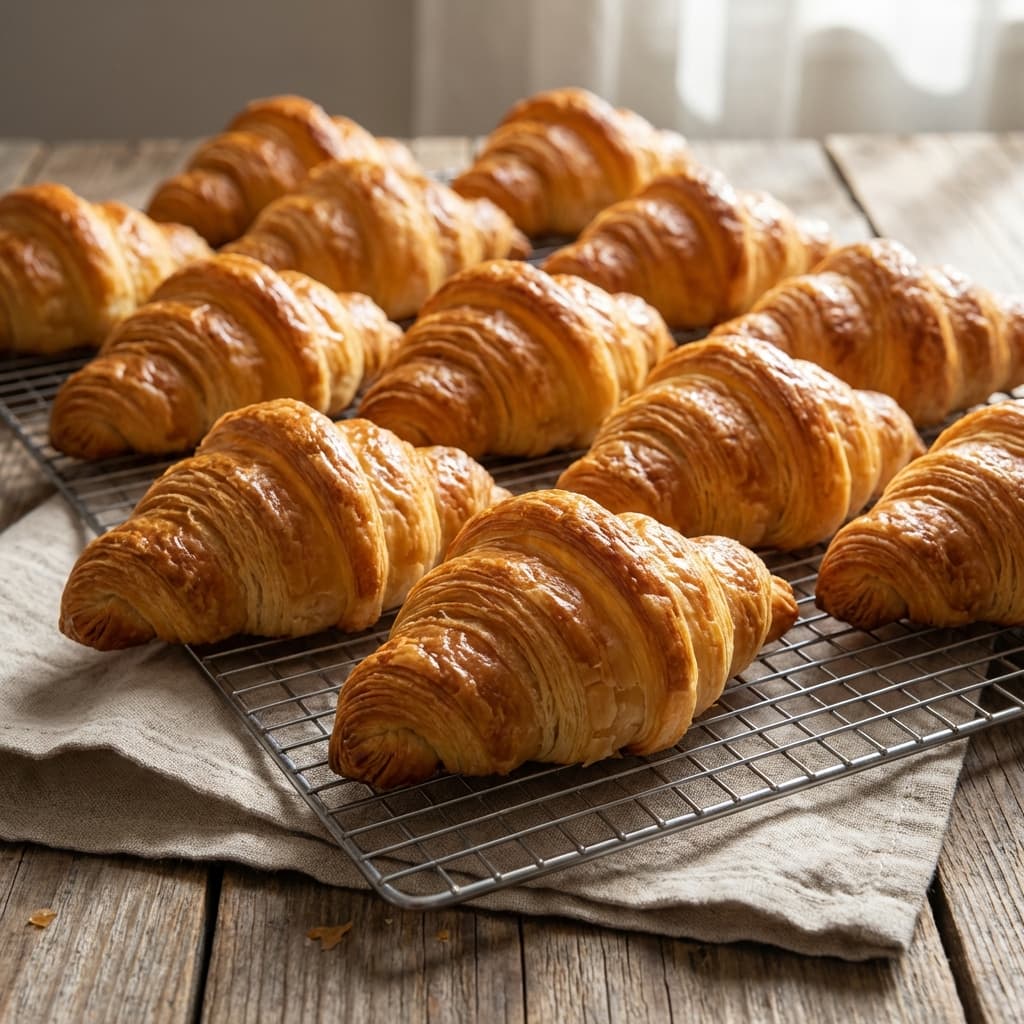
Croissants
27 layers of butter and dough. Zero compromise.
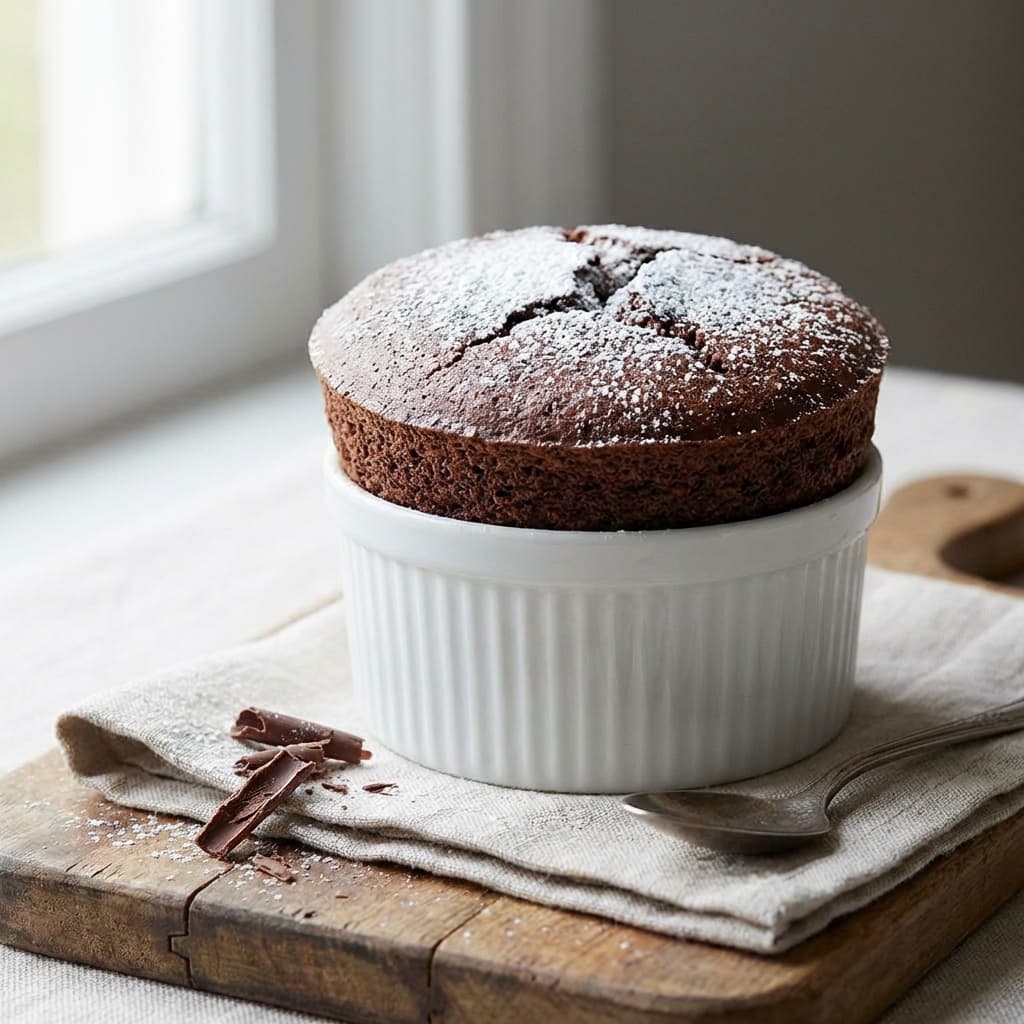
Chocolate Soufflé
Hot air, egg whites, and pure anxiety.