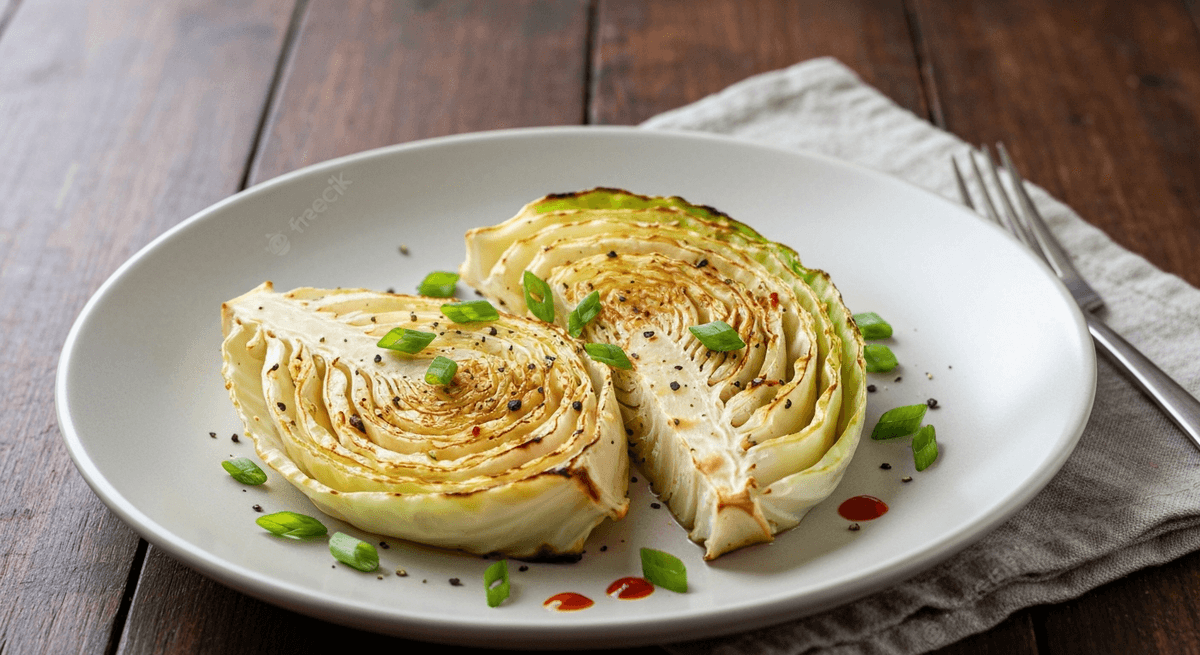
Roasted Cabbage Steaks (Crisp Edges, Not Sulfur)
Cabbage that tastes roasted, not boiled: crisp edges, tender core, bright finish.
Roasted cabbage steaks with crisp edges and sweet, nutty flavor. High heat, dry surface, and a bright finish to avoid sulfur.
Roast at 450F with space and flip once--browning is what makes cabbage sweet.
The fit, timing, and key move are all here. If it is a yes, go straight into cook mode.
Cabbage that tastes roasted, not boiled: crisp edges, tender core, bright finish.
Timing note: 30 mins
Set your units, then drop the ingredients into grocery if this is happening later.
What matters before the pan gets hot
The shortest path to understanding the dish, the key move, and whether tonight is the right time to cook it.
The Hook
Cabbage that smells like ass was cooked wrong. High heat, crisp edges, or GTFO.
The Technique
High heat (450F) is the key. It drives off moisture rapidly, preventing the dreaded sulfurous steam. Crucially, it promotes Maillard browning and caramelization on the edges, transforming the cabbage's natural sugars into complex, savory flavors. Space on the pan is non-negotiable; overcrowding steams, killing the crisp.
The History
Forget your grandma's boiled sadness. This isn't about mushy greens; it's about high-heat alchemy. We're taking the humble cabbage, often a culinary punchline, and forcing it to submit to intense dry heat, coaxing out sweetness and a texture that defies its watery reputation. This is a rebellion against blandness.
Food Facts
Sourced notes. Tap to verify.
Fermentation uses microorganisms to transform foods, often improving shelf life, flavor, and texture. It is one of the oldest food-processing techniques.
Roasted cabbage steaks with crisp edges and sweet, nutty flavor. High heat, dry surface, and a bright finish to avoid sulfur.
Nutrition per Serving
Estimated valuesSatiety
Data estimatedTechnique, context, and fallback plans
The reason the method works, the prep you can do early, and what to change if the dish starts drifting.
The humble cabbage, often relegated to the realm of boiled sadness and sulfurous sighs, holds a secret waiting to be unlocked. The common pitfall lies in its moisture, trapping volatile compounds that lead to that unwelcome aroma. But imagine, instead, a transformation under intense, dry heat. This method coaxes out the cabbage's inherent sweetness, developing a nutty depth and, most remarkably, edges that crisp to a delightful, almost chip-like texture.
The genius lies in the cut – a thick steak that presents a broad canvas for caramelization while preserving a tender, yielding core. It’s a simple yet profound technique, elevating this often-overlooked vegetable from a mere side dish to a star. This isn't about masking; it's about revealing the true potential of cabbage, a testament to how mindful cooking can turn the ordinary into the extraordinary, offering a bright, satisfying finish that banishes any memory of its steamed past.
My cabbage is soft but not browned at all.
It sounds like your oven might be running a little cool, or perhaps the pan was too crowded.
Why does my cabbage smell a bit sulfurous?
Ah, that's the tell-tale sign of steaming! When cabbage steams instead of roasts, it releases those sulfuric compounds. To avoid this, make sure the surface is nice and dry before…
Set up, cook, and remember what worked
The mise, the method, your notes, and the next recipes to master after this one lands.
The Setup
- Sheet Panhalf sheet
- Spatula
The Mise en Place
5 of 6Your prep station before cooking begins
Chef's Notes
Serve with Tzatziki or Tahini Green Goddess Dressing for a creamy contrast.
PREHEAT
Heat oven to 450F (232C). Line a sheet pan.
High heat drives browning and keeps cabbage from steaming. • Oven fully preheated
SEASON
Brush cabbage steaks with olive oil (2½ tbsp) on both sides. Season with salt, pepper, and garlic powder (1 tsp) (if using).
Oil helps browning and prevents dry, papery edges. • Light sheen of oil on surfaces • Fresh cabbage smell (not sulfur)
Even seasoning; no dry patches
ROAST
Roast 12 minutes, flip carefully, then roast 10-12 minutes more until edges are browned and crisp.
Flipping browns both sides; browning is the sweetness. • Dark roasted spots and crisp-looking edges • Nutty roasted aroma
Edges crisp and browned; core tender
FINISH
Squeeze lemon over the cabbage and taste for salt.
Acid at the end keeps cabbage tasting sweet, not heavy. • Light sheen without watery pooling • Lemon lifts roasted aroma
Bright finish that tastes clean
Service Log
Log your variables. Iterate like a pro.
Clean slate.
Log your variables after the first run.
Related Techniques
Master These Next
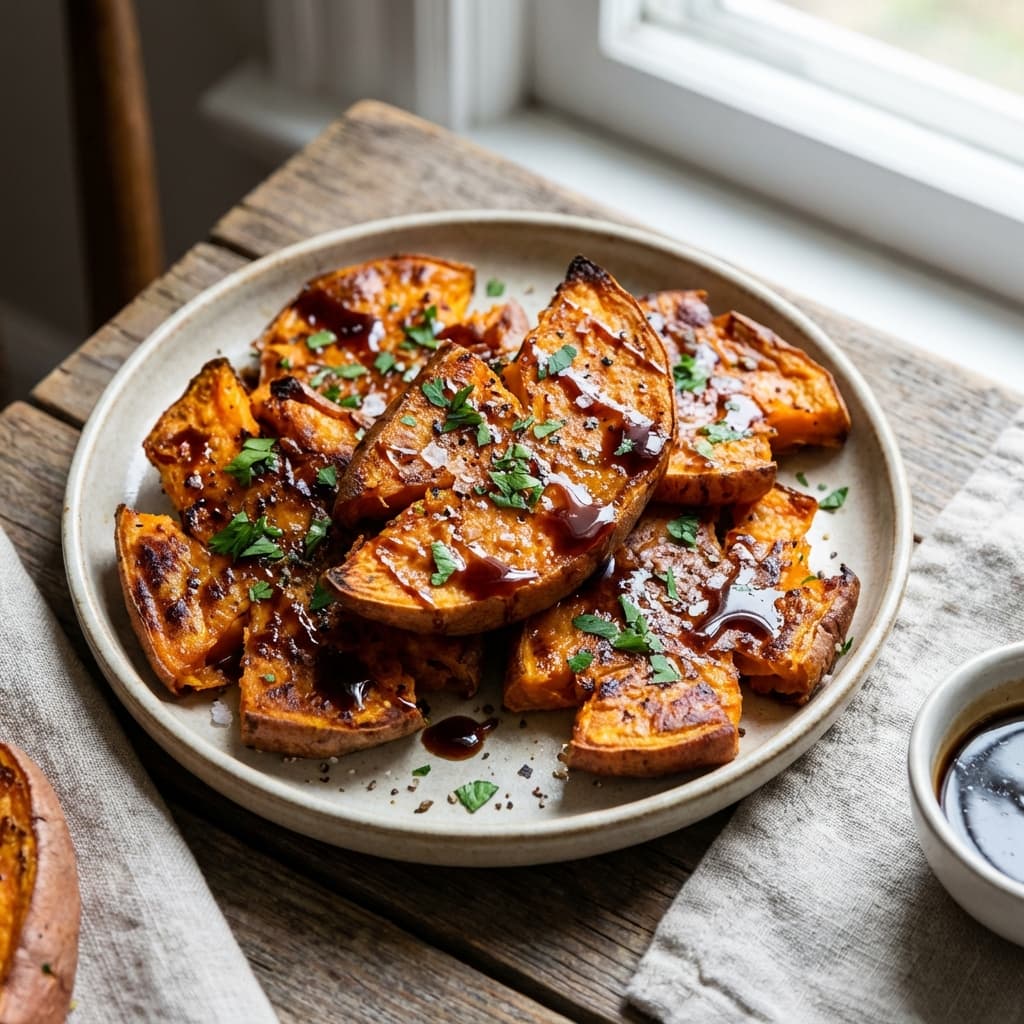
Smash Sweet Potato Wedges with Pepper-Vinegar Drizzle
Crisp edges, creamy centers, and a vinegar snap that wakes everything up.
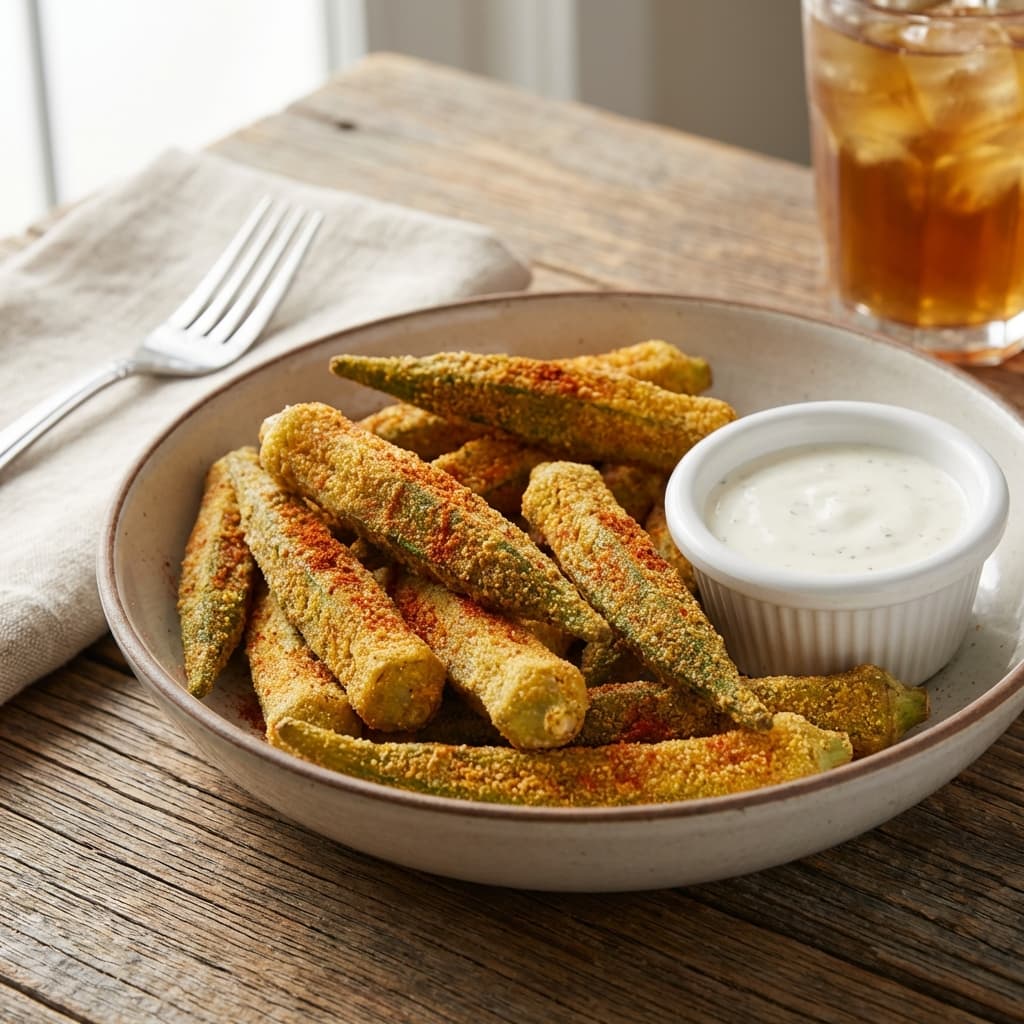
Okra Fries with Creole Ranch Dust
Crunchy okra, cool heat, and zero slime.
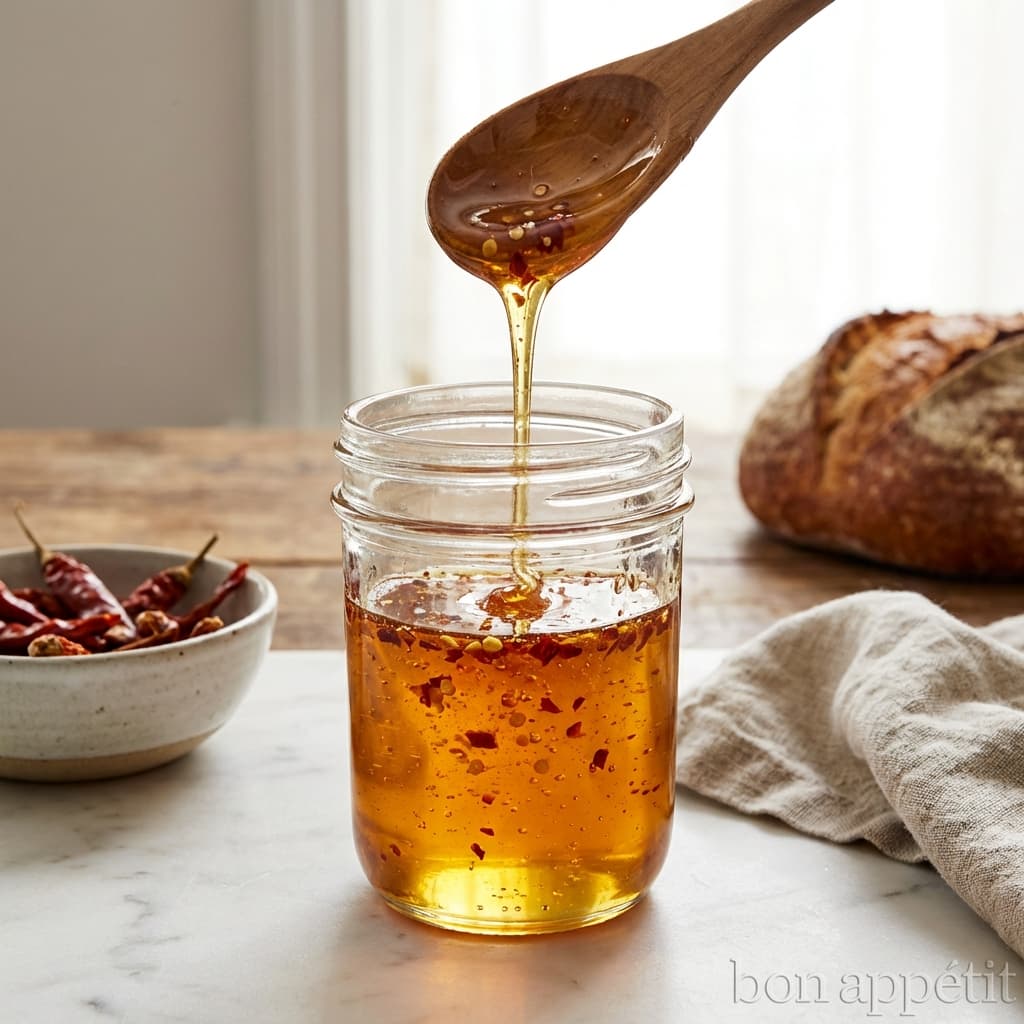
Hot Honey
Sweet, sharp heat you can drizzle on anything.