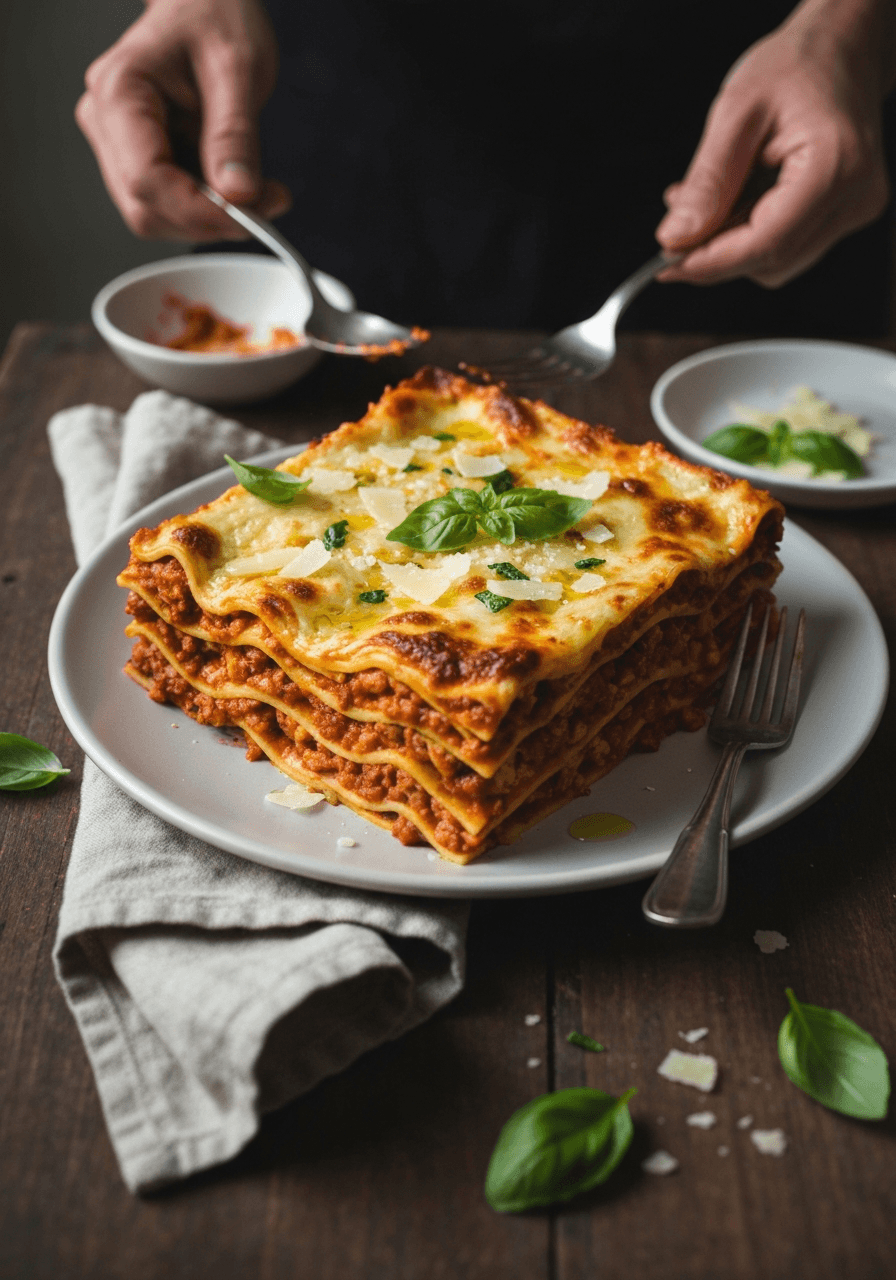
The "Real" Lasagna (Bolognese)
Béchamel, not Ricotta. 50 layers of pasta. No shortcuts.
Technique-forward The "Real" Lasagna (Bolognese): Béchamel, not Ricotta. 50 layers of pasta. No shortcuts.
The "Ricotta Lasagna" is an American invention. It is heavy and grainy. The Italian way uses Béchamel (White Sauce) and Bolognese (Meat Sauce). The pasta sheets should be paper thin. The result is a delicate, melting stack, not a brick of c
The fit, timing, and key move are all here. If it is a yes, go straight into cook mode.
Béchamel, not Ricotta. 50 layers of pasta. No shortcuts.
Timing note: 4 Hours
Set your units, then drop the ingredients into grocery if this is happening later.
What matters before the pan gets hot
The shortest path to understanding the dish, the key move, and whether tonight is the right time to cook it.
The Hook
The "Ricotta Lasagna" is an American invention. It is heavy and grainy. The Italian way uses Béchamel (White Sauce) and Bolognese (Meat Sauce). The pasta sheets should be paper thin. The result is a delicate, melting stack, not a brick of cheese.
The History
Bologna, Italy.
Food Facts
Sourced notes. Tap to verify.
Tough cuts feel chewy because they contain more collagen. With time and moist heat, collagen breaks down into gelatin, which is why braises and stews get richer the longer they cook.
En papillote refers to cooking food in a sealed parchment or foil packet, trapping steam and aromatic compounds.
Technique-forward The "Real" Lasagna (Bolognese): Béchamel, not Ricotta. 50 layers of pasta. No shortcuts.
Nutrition per Serving
Estimated valuesSatiety
Data verifiedTechnique, context, and fallback plans
The reason the method works, the prep you can do early, and what to change if the dish starts drifting.
The "Ricotta Lasagna" is an American invention. It is heavy and grainy. The Italian way uses Béchamel (White Sauce) and Bolognese (Meat Sauce). The pasta sheets should be paper thin. The result is a delicate, melting stack, not a brick of cheese.
Cool fact: You must use "No-Boil" sheets or roll your own fresh pasta. Thick, boiled dried noodles ruin the texture.
Lasagna soup (sliding apart).
You didn't rest it, or your sauce was too watery. Reduce the Bolognese more next time.
Top is burnt, center is cold.
Cover with foil for the first 30 mins, then uncover to brown.
Use this in Focus
Turn this nutrition profile into a week you can plan, shop, and actually cook.
Set up, cook, and remember what worked
The mise, the method, your notes, and the next recipes to master after this one lands.
The Setup
- Cutting Board
- Chef's Knife
- Instant-Read ThermometerOptional
The Mise en Place
4Your prep station before cooking begins
The Pantry (0/3)
Other (0/1)
FOUNDATION
Spoon a little sauce on the bottom to prevent sticking.
LAYERING
Pasta -> Béchamel -> Bolognese -> Parmesan (1 cup). Repeat. Pitfall: Do not over-sauce. If it's swimming in liquid, it will slide apart when cut.
Spread the sauces thin. We want 7-8 layers, not 3 thick ones.
TOP
End with Béchamel and a mountain of Parmesan (1 cup).
BAKE
BAKE at 400°F (200°C) until the edges are crispy and the center bubbles.
Let it rest 20 minutes before cutting. If you cut it hot, it collapses.
Let it rest 20 minutes before cutting. If you cut it hot, it collapses.
Service Log
Log your variables. Iterate like a pro.
Clean slate.
Log your variables after the first run.
Master These Next
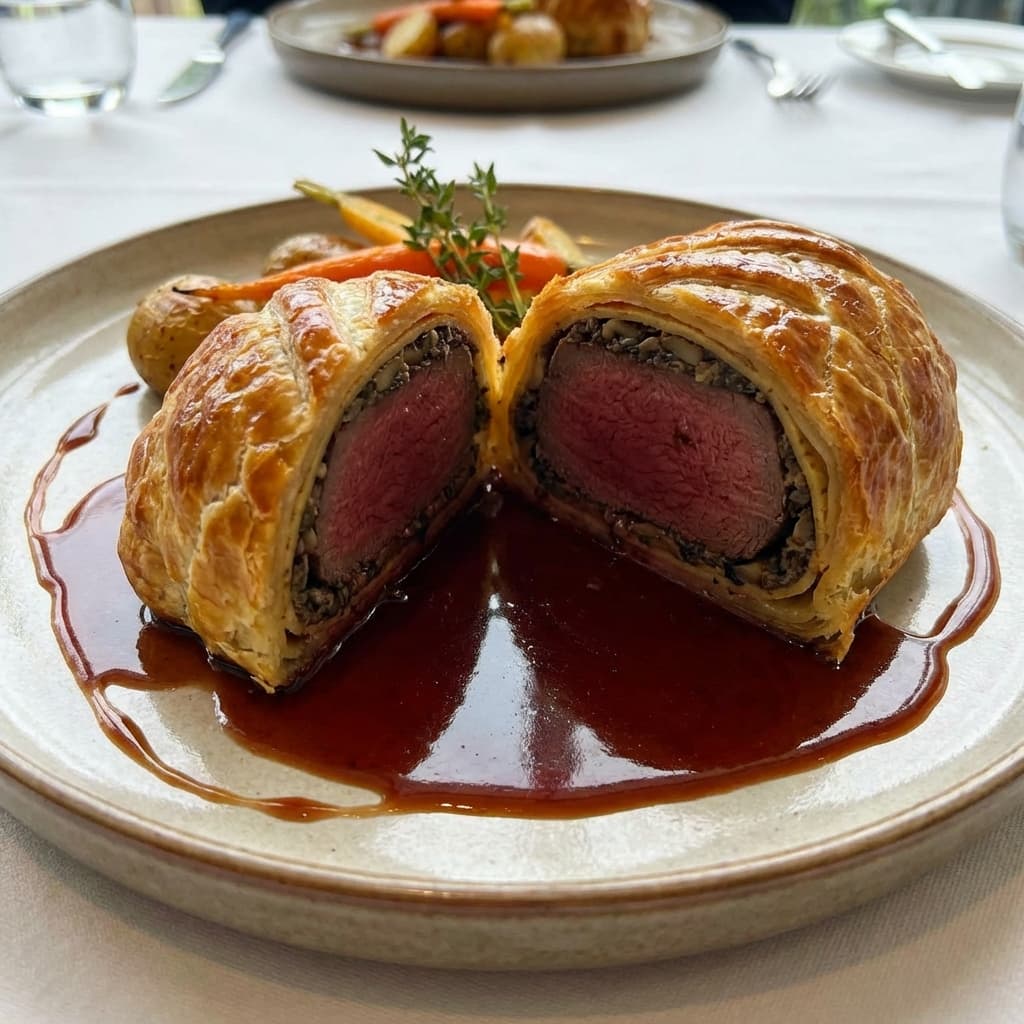
Beef Wellington
The ultimate flex: Filet Mignon in a mushroom tuxedo.
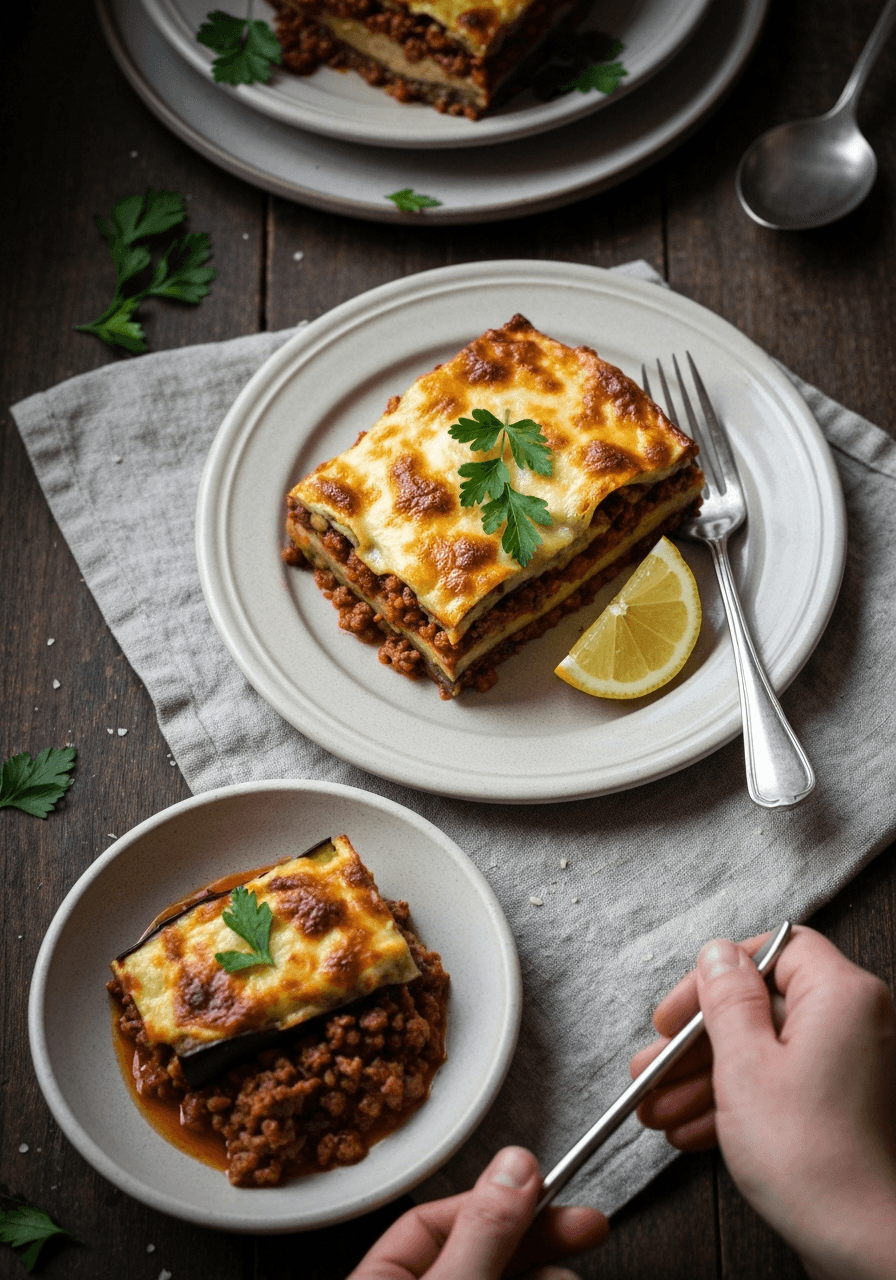
Greek Moussaka
Eggplant, meat sauce, béchamel. The Greek Lasagna.
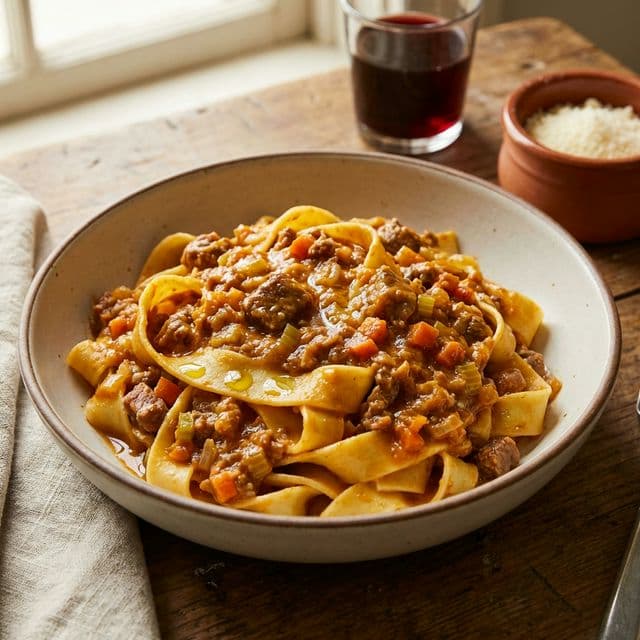
Bolognese
Meat, milk, wine, time. NOT a tomato sauce.