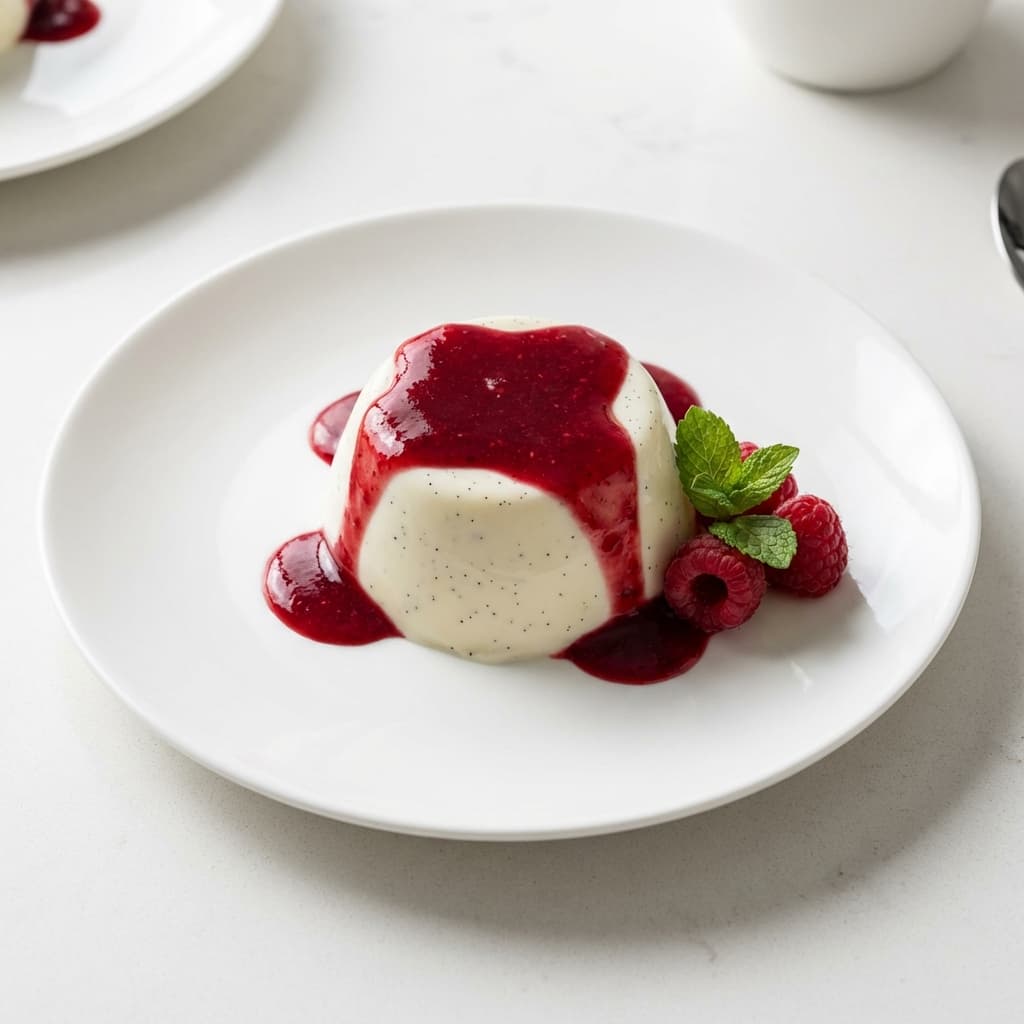
Panna Cotta
Sweet cream held together by the bare minimum of gelatin.
Sweet cream held together by the bare minimum of gelatin. Panna Cotta means "Cooked Cream."
Panna Cotta means "Cooked Cream
The fit, timing, and key move are all here. If it is a yes, go straight into cook mode.
Sweet cream held together by the bare minimum of gelatin.
Timing note: 4 hours
Set your units, then drop the ingredients into grocery if this is happening later.
What matters before the pan gets hot
The shortest path to understanding the dish, the key move, and whether tonight is the right time to cook it.
The Hook
Cooked cream. That's it. No fruit salad, no goddamn chocolate sauce. Just cream that trembles and melts. Get the gelatin ratio wrong, and you're serving rubber.
The Technique
Gelatin is your enemy and your savior. Hydrate it properly, then dissolve it gently. Overheat, and you've got soup. Under-dissolve, and it's a grainy mess. The delicate network it forms is what gives this dessert its signature wobble. Nail the ratio, or face my wrath.
The History
This isn't some ancient Roman relic. Panna cotta is a relatively modern invention from Piedmont, born from the region's obsession with dairy. It’s simple, elegant, and requires nowhere to hide. It's just cream, sugar, and gelatin – pure and unforgiving.
Food Facts
Sourced notes. Tap to verify.
A lot of dairy texture comes from milk proteins like casein. When those proteins coagulate (from acid, heat, or enzymes), you get curds, thickeners, and the backbone of cheeses and creamy sauces.
Sweet cream held together by the bare minimum of gelatin. Panna Cotta means "Cooked Cream."
Nutrition per Serving
Estimated valuesSatiety
Data estimatedTechnique, context, and fallback plans
The reason the method works, the prep you can do early, and what to change if the dish starts drifting.
In the lush dairy region of Piedmont, Italy, dessert is often just an excuse to eat more cream. Panna Cotta literally translates to "Cooked Cream," and in its purest form, that is exactly what it is: sweet, warm cream set with just enough gelatin to hold its shape. It is a dessert of minimalist perfection, requiring nowhere to hide.
The mark of a great Panna Cotta is the "wobble." It should not be stiff or rubbery like a bouncy ball; it should tremble on the plate when you nudge it, threatening to collapse but holding firm. The texture should be barely set, melting back into liquid cream the moment it touches the warmth of your tongue. It is luxurious, velvety, and proof that you don't need flour or eggs to make a world-class dessert--just cream, sugar, and restraint.
My panna cotta is too firm, almost rubbery.
Ah, that usually means a bit too much gelatin. For panna cotta, precision is key. Next time, try measuring your gelatin by weight rather than volume with spoons – it makes a world…
It didn't set at all, it's still like soup!
Don't worry, this happens. You might have accidentally boiled the cream mixture, which can damage the gelatin's setting power. Or, if you used tropical fruit like pineapple or kiwi…
Set up, cook, and remember what worked
The mise, the method, your notes, and the next recipes to master after this one lands.
The Setup
- SaucepanMedium (2-3 qt)
- Mixing Bowls
- Whisk
- Fine-Mesh StrainerOptional
The Mise en Place
3Your prep station before cooking begins
The Spice Blend (0/1)
The Pantry (0/1)
Other (0/1)
Chef's Notes
Bloom gelatin in cold water for 5-10 minutes before adding to warm liquid to prevent clumping.
Strain the mixture through a fine-mesh sieve before chilling to ensure a silky smooth texture.
Serve chilled with fresh berries, a drizzle of berry coulis, or a sprinkle of toasted nuts.
Panna cotta can be made up to 2 days in advance and kept chilled, making it perfect for entertaining.
THE BLOOM
Soak gelatin in cold water for 5 mins until soft (or hydrate powder).
Burn risk: Spices scorch fast. Keep heat moderate and stir; once fragrant, add liquid or aromatics.
THE INFUSION
SIMMER cream, sugar, and vanilla. Do not boil over. Remove from heat.
THE DISSOLVE
Time-sensitiveSqueeze water out of gelatin sheets. WHISK into the hot cream.
Ensure absolutely no granules remain.
THE COOL DOWN
Time-sensitiveLet the mixture cool to room temp, stirring occasionally.
⚠️ If you pour it hot into the molds, the vanilla seeds will sink to the bottom. If you pour it cool (semi-thick), the seeds stay suspended.
THE SET
Pour into molds. CHILL for 4 hours.
Service Log
Log your variables. Iterate like a pro.
Clean slate.
Log your variables after the first run.
Related Techniques
Master These Next
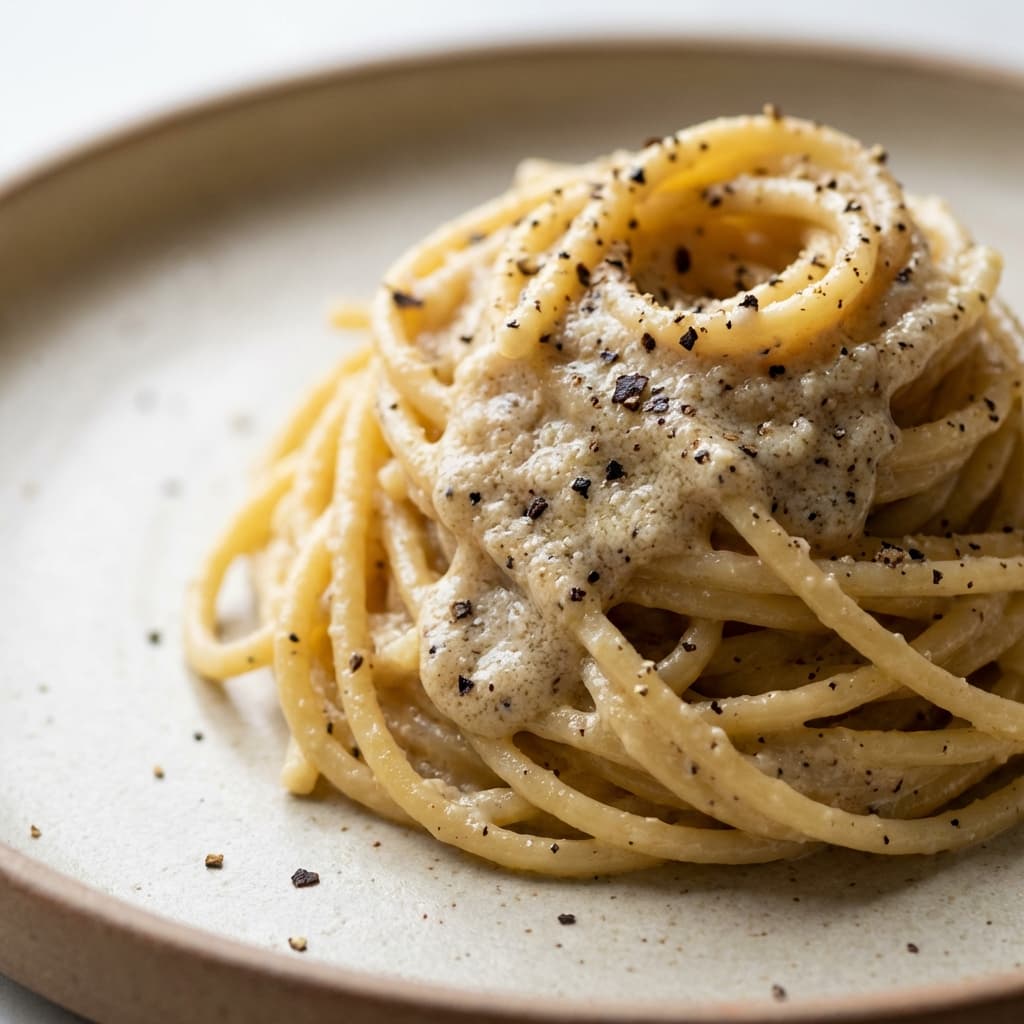
Cacio e Pepe
Roman alchemy: turning cheese and water into cream.
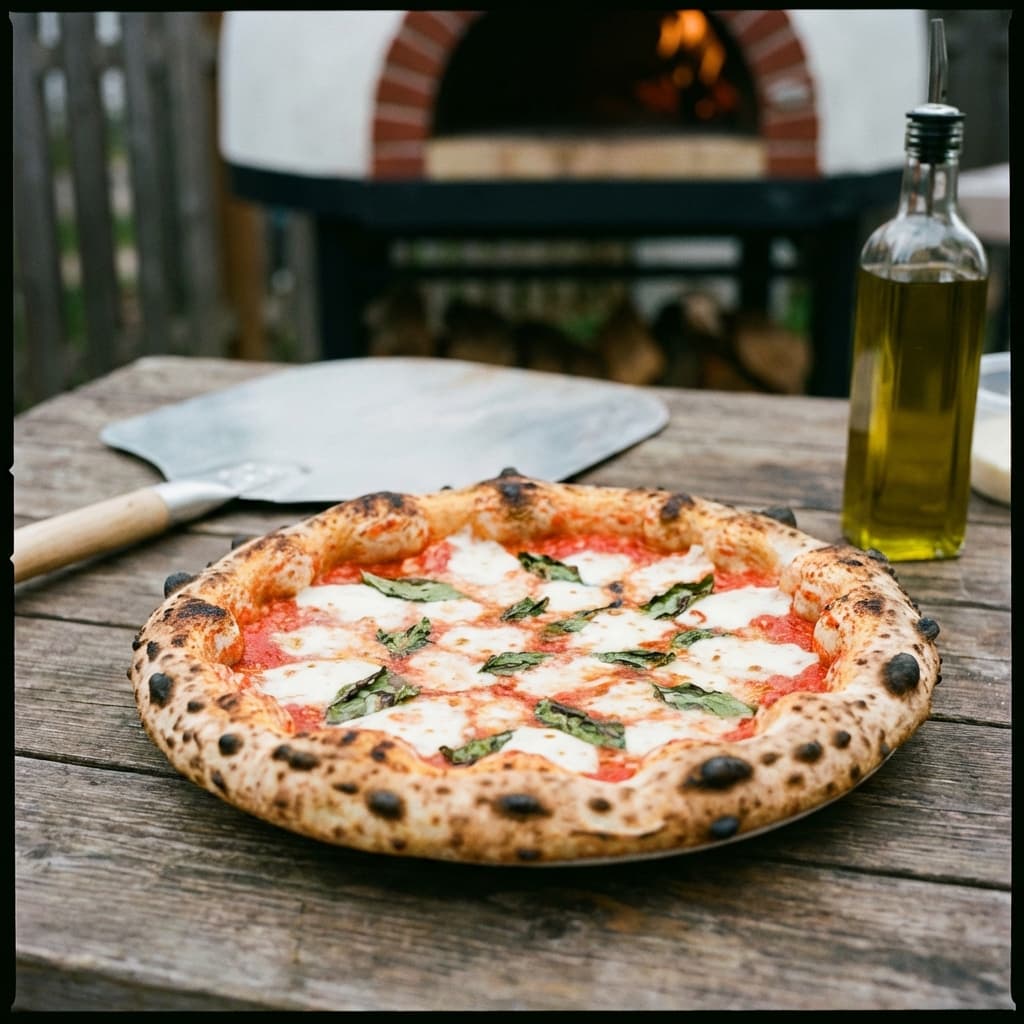
Pizza Napoletana
Blistered crust, wet center, 90 seconds of heat.
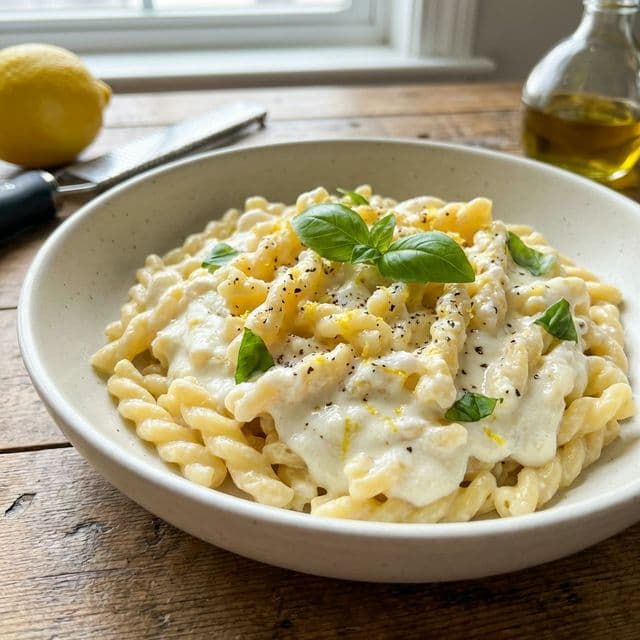
One-Pot Pasta with Ricotta & Lemon
Boil the pasta in the sauce. Starch binds the cheese.