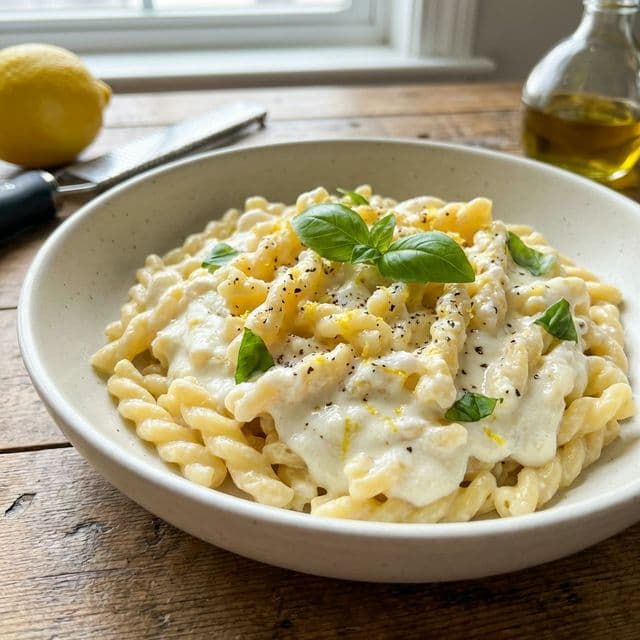
One-Pot Pasta with Ricotta & Lemon
Boil the pasta in the sauce. Starch binds the cheese.
Technique-forward One-Pot Pasta with Ricotta & Lemon: Boil the pasta in the sauce. Starch binds the cheese.
Usually, one-pot pastas are gummy disasters. This one works because Ricotta needs help to become a sauce. By boiling the pasta in a small amount of water, we create a super-starchy liquid that, when mixed with ricotta and parmesan, creates
The fit, timing, and key move are all here. If it is a yes, go straight into cook mode.
Boil the pasta in the sauce. Starch binds the cheese.
Timing note: 15 min
Set your units, then drop the ingredients into grocery if this is happening later.
What matters before the pan gets hot
The shortest path to understanding the dish, the key move, and whether tonight is the right time to cook it.
The Hook
Usually, one-pot pastas are gummy disasters. This one works because Ricotta needs help to become a sauce. By boiling the pasta in a small amount of water, we create a super-starchy liquid that, when mixed with ricotta and parmesan, creates a flawlessly smooth sauce without heavy cream.
The History
Modern Internet Efficiency.
Food Facts
Sourced notes. Tap to verify.
A lot of dairy texture comes from milk proteins like casein. When those proteins coagulate (from acid, heat, or enzymes), you get curds, thickeners, and the backbone of cheeses and creamy sauces.
En papillote refers to cooking food in a sealed parchment or foil packet, trapping steam and aromatic compounds.
Technique-forward One-Pot Pasta with Ricotta & Lemon: Boil the pasta in the sauce. Starch binds the cheese.
Nutrition per Serving
Estimated valuesSatiety
Data estimatedTechnique, context, and fallback plans
The reason the method works, the prep you can do early, and what to change if the dish starts drifting.
Usually, one-pot pastas are gummy disasters. This one works because Ricotta needs help to become a sauce. By boiling the pasta in a small amount of water, we create a super-starchy liquid that, when mixed with ricotta and parmesan, creates a flawlessly smooth sauce without heavy cream.
Cool fact: This method mimics the risotto technique—using the grain's own starch to thicken the cooking liquid.
Gummy/Sticky.
You cooked the water down too much. Pull it while it's still a bit "soupy"—it tightens as it cools.
Pasta is raw but water is gone.
Heat was too high. Add 1/4 cup hot water and keep cooking.
Use this in Focus
Turn this nutrition profile into a week you can plan, shop, and actually cook.
Set up, cook, and remember what worked
The mise, the method, your notes, and the next recipes to master after this one lands.
The Setup
- Stockpot8+ qt
- Cutting Board
- Chef's Knife
- Whisk
- Microplane/ZesterOptional
The Mise en Place
4Your prep station before cooking begins
The Pantry (0/2)
Other (0/2)
MEASURE
Place pasta in a pot. Add water just to cover (approx 3 cups for 1 lb). Add salt. Pitfall: Too much water = soup. Too little = raw pasta. Measure carefully.
BOIL
BOIL vigorously, stirring often. (Cook until: Pasta is just shy of al dente; liquid is starchy, not soupy.)
Stirring releases starch. We want cloudy, thick water.
Pasta is just shy of al dente; liquid is starchy, not soupy.
BIND
When pasta is al dente and water is mostly evaporated (but still saucy), remove from heat.
WHIP
Immediately STIR in ricotta, parmesan, lemon zest, and butter.
The residual starchy water should melt the cheeses into a glossy white coat. If it's dry, add a splash of hot water.
The residual starchy water should melt the cheeses into a glossy white coat. If it's dry, add a splash of hot water.
Service Log
Log your variables. Iterate like a pro.
Clean slate.
Log your variables after the first run.
Master These Next
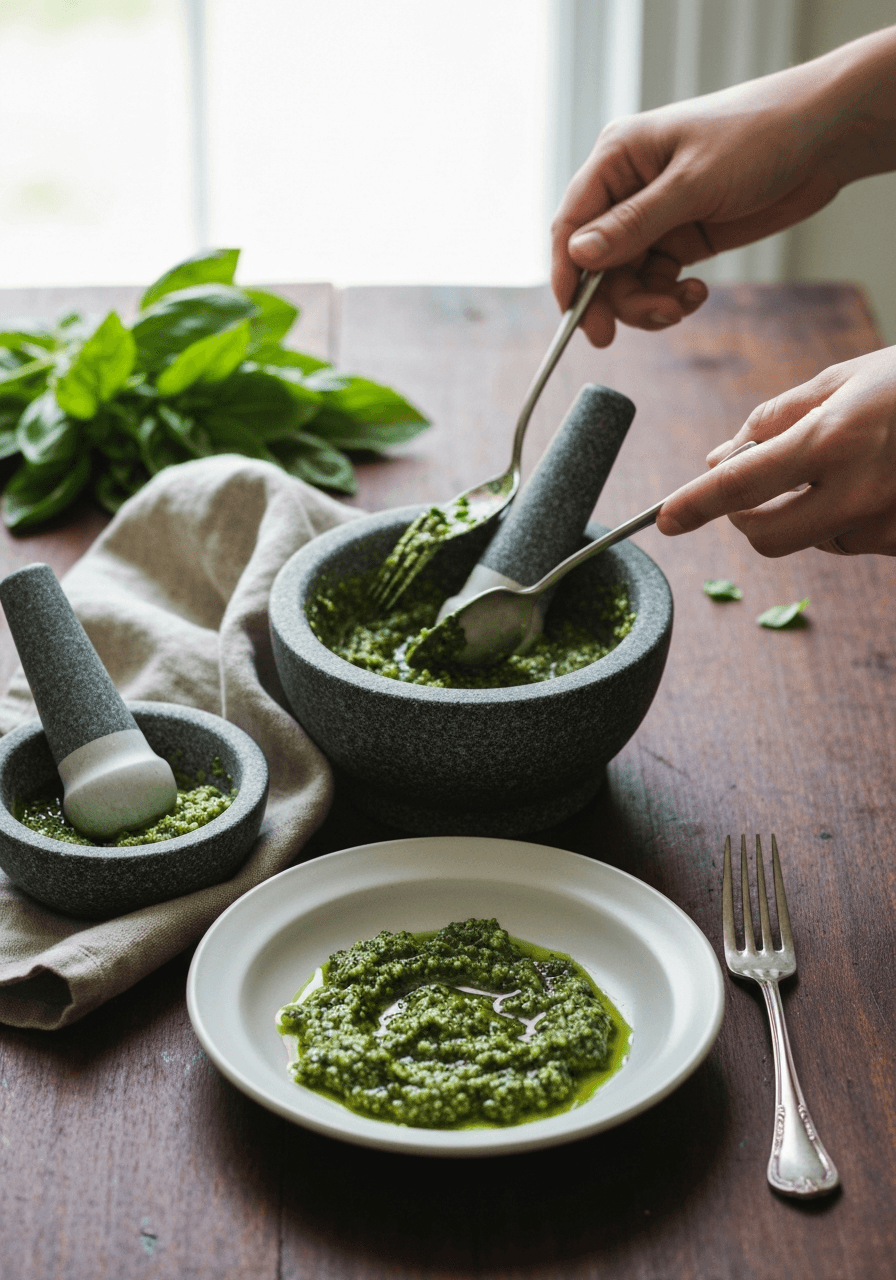
Pesto Genovese
Capture the essence of summer with this vibrant, homemade Pesto Genovese. The mortar and pestle unlocks a texture and flavor you won't believe.
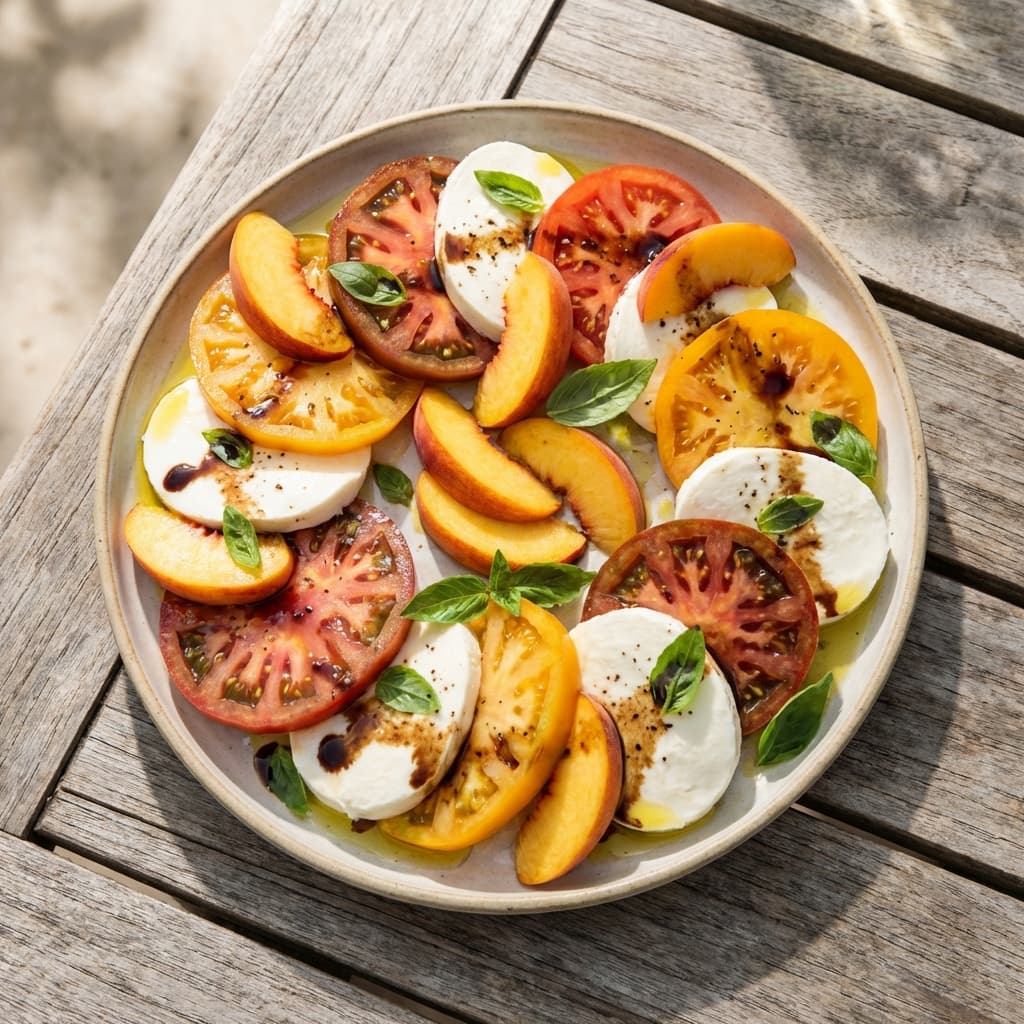
Peach + Pepper Vinegar Caprese
Tomato-mozz-peach with vinegar heat that makes it sing.
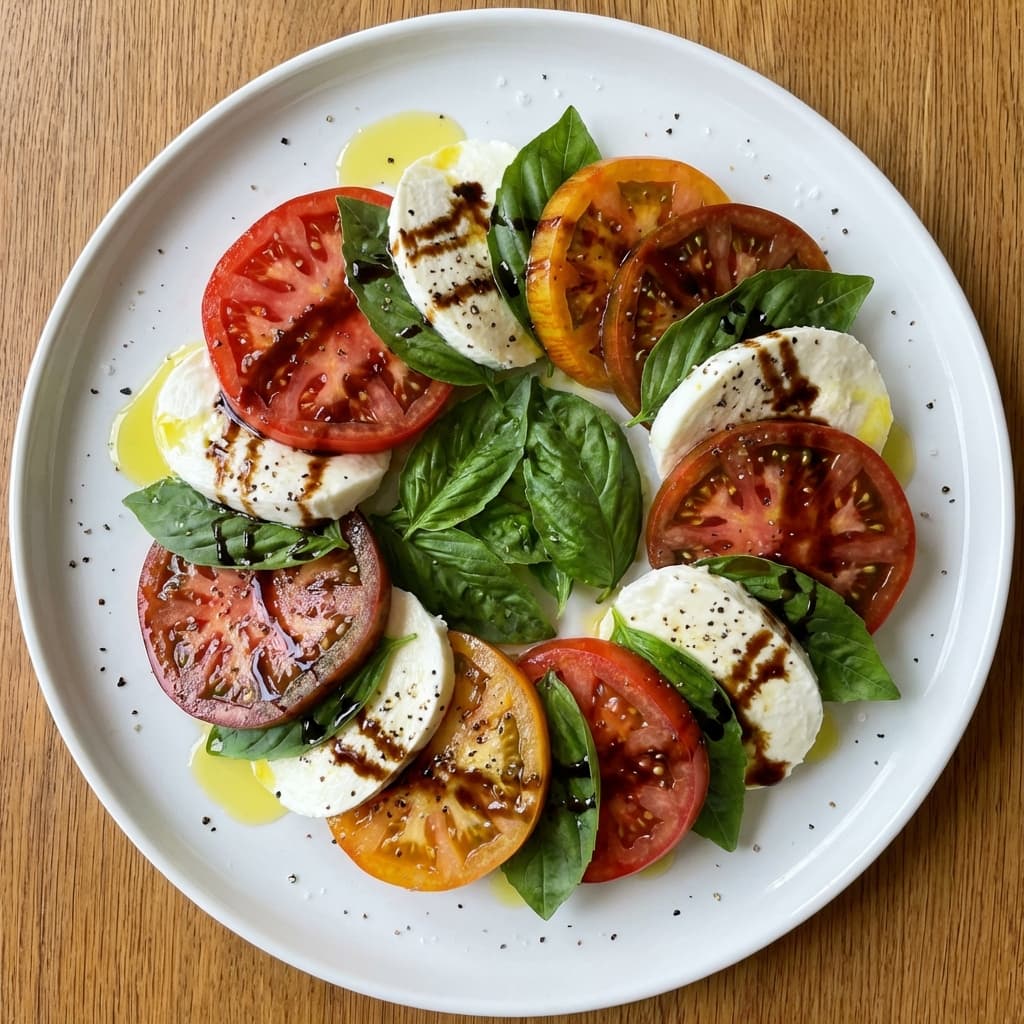
Caprese Salad
The edible Italian flag; no cooking required.