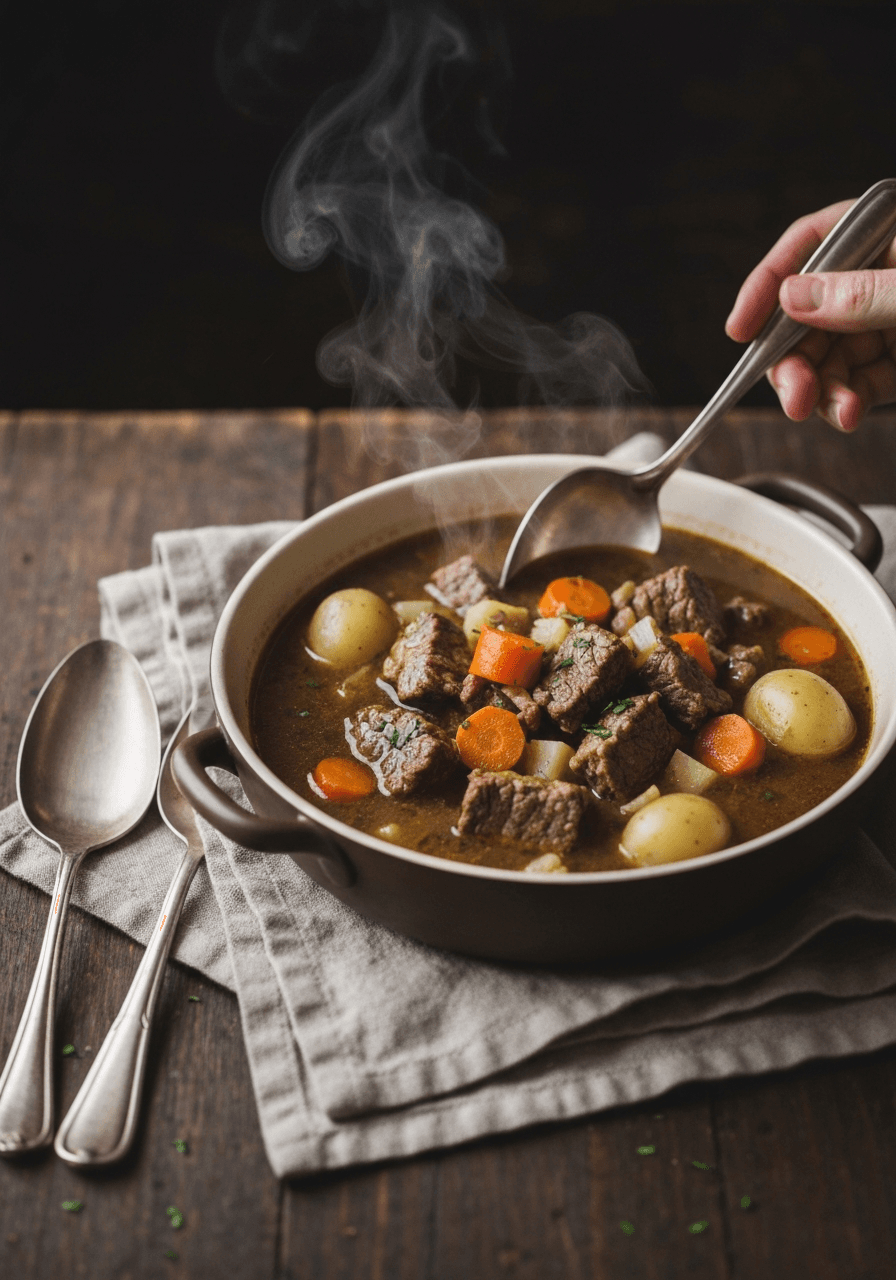
Old-Fashioned Beef Stew
No wine, just beef, carrots, and potatoes. Brown the meat or don't bother.
Master the fond-based beef stew. Chuck roast braised low and slow without wine. Dark sear creates flavor foundation. Tough meat needs collagen breakdown.
Flavor comes from fond (brown bits), not wine. Sear meat in batches—crowding causes steaming. Chuck roast has collagen that breaks down over hours into silky gelatin.
The fit, timing, and key move are all here. If it is a yes, go straight into cook mode.
No wine, just beef, carrots, and potatoes. Brown the meat or don't bother.
Timing note: 3 hours
Set your units, then drop the ingredients into grocery if this is happening later.
What matters before the pan gets hot
The shortest path to understanding the dish, the key move, and whether tonight is the right time to cook it.
The Hook
Most people rush the searing step or crowd the pan, then wonder why their stew tastes bland. The flavor in this dish comes from the Maillard reaction and fond, not fancy ingredients. If you skip proper browning, no amount of simmering will fix it.
The Technique
Collagen is a triple-helix protein found in connective tissue. At temperatures above 160°F, it slowly denatures and converts to gelatin over several hours. Gelatin dissolves in hot liquid, creating a rich, silky mouthfeel. This is why tough cuts become tender with long, slow cooking, while lean cuts dry out. The flour dredge serves two purposes: it promotes browning by absorbing surface moisture, and it thickens the sauce through starch gelatinization.
The History
USA, home cooking standard. This represents the American working-class version of beef stew—no wine, no pearl onions, just honest ingredients cooked properly.
Food Facts
Sourced notes. Tap to verify.
Tough cuts feel chewy because they contain more collagen. With time and moist heat, collagen breaks down into gelatin, which is why braises and stews get richer the longer they cook.
Cast iron heats more slowly than thinner metals but stores heat well, supporting strong sears and stable browning once preheated.
Master the fond-based beef stew. Chuck roast braised low and slow without wine. Dark sear creates flavor foundation. Tough meat needs collagen breakdown.
Nutrition per Serving
Estimated valuesSatiety
Data estimatedTechnique, context, and fallback plans
The reason the method works, the prep you can do early, and what to change if the dish starts drifting.
This differs from French Boeuf Bourguignon because it relies on water or stock, not wine. That means the flavor comes entirely from the fond—the brown bits stuck to the pot. If you steam the meat instead of searing it, you are making hospital food.
Chuck roast is essential here. It comes from the shoulder, an exercised muscle full of collagen. When braised low and slow, that collagen breaks down into gelatin, making the meat silky and rich. Filet mignon, by contrast, is a lazy muscle with no collagen—it would dissolve into dry, stringy threads.
The searing step is not negotiable. When you sear meat at high heat, the Maillard reaction creates hundreds of new flavor compounds. These compounds stick to the bottom of the pot as fond. When you deglaze with vinegar or stock, that fond dissolves into the braising liquid, becoming the flavor foundation of the stew.
Crowding the pan is the most common mistake. If you pile all the meat in at once, the temperature drops and the meat releases moisture faster than it can evaporate. Instead of searing, you're steaming—and steamed beef is gray, not brown. Sear in batches, even if it takes 15 minutes. The difference is everything.
Meat is tough after 2 hours?
It needs more time. Collagen breaks down at 160°F+ over several hours—there's no shortcut. Keep cooking until it shreds easily with a fork. Some cuts (like round) take 3-4 hours.
Sauce is thin and watery?
You didn't dredge the meat in flour, or you added too much liquid.
Use this in Focus
Turn this nutrition profile into a week you can plan, shop, and actually cook.
Set up, cook, and remember what worked
The mise, the method, your notes, and the next recipes to master after this one lands.
The Setup
- Dutch Oven6-8 qt·Must be oven-safe with lid
- Wooden Spoon
- Tongs
The Mise en Place
5 of 13Your prep station before cooking begins
Aromatics (0/3)
Seasoning (0/2)
Chef's Notes
Sear in batches—crowding the pan causes steaming, not browning.
Scrape the fond thoroughly when deglazing—that's where all the flavor lives.
Stew tastes better the next day. Make ahead, refrigerate overnight, reheat gently.
PREPARE
Pat beef cubes very dry with paper towels. Season flour with 1 tsp salt (2 tsp) and 1/2 tsp pepper. Toss beef in seasoned flour, shaking off excess.
Dry meat is essential for browning—wet meat steams • Thin flour coating, no wet patches
Beef is dry, lightly coated with flour
SEAR
Time-sensitiveHeat 2 tbsp oil in a large Dutch oven over medium-high heat. Working in 3 batches, sear beef until deeply browned on all sides (3-4 minutes per batch). Transfer to a plate.
Don't crowd the pan—temperature drops and meat steams. Take your time. • Meat is mahogany brown, not gray • Sizzling sound, rich beef aroma
Overcrowding: Crowding steams instead of browning. Sear in batches and leave space.
Each batch has dark brown crust
SAUTE
Add remaining oil to pot. Add onions and cook, stirring occasionally, until softened and lightly browned (5 minutes).
Onions pick up fond from the bottom • Onions are soft and beginning to brown • Sweet onion aroma
Onions are translucent with golden edges
DEGLAZE
Time-sensitiveAdd garlic (4 cloves) and cook 1 minute. Add vinegar and scrape the bottom of the pot vigorously with a wooden spoon to release all the brown bits (fond).
The fond is the flavor—don't skip scraping • Dark brown liquid, fond dissolves into sauce • Sharp vinegar aroma mellows quickly
Hot-pan splash: Deglazing can steam and spit. Pour slowly and keep your face/hands back.
Bottom of pot is mostly clean, liquid is dark brown
BRAISE
Return beef and any accumulated juices to pot. Add stock, bay leaves (2 whole), thyme, remaining salt (2 tsp) and pepper. Bring to a boil, then cover and transfer to 325°F (165°C) oven.
Oven heat is gentler and more even than stovetop • Beef is mostly submerged in liquid
Liquid is boiling, pot is covered
COOK
Time-sensitiveBraise in oven for 1.5 hours. Check occasionally—liquid should be at a bare simmer with small bubbles.
Low and slow breaks down collagen into gelatin • Tiny bubbles break the surface occasionally • Rich beef stew aroma fills kitchen
Meat is starting to become tender
ADD
Time-sensitiveAdd carrots (1 lb) and potatoes to pot. Return to oven uncovered and cook for 45-60 minutes more until vegetables are tender and beef is fork-tender.
Adding vegetables late prevents them from disintegrating • Beef shreds easily, vegetables are soft
Fork slides easily through beef and vegetables
FINISH
Check sauce consistency. If too thin, remove meat and vegetables, simmer sauce on stovetop to reduce. If too thick, add splash of stock or water. Taste and adjust seasoning.
Flour dredge naturally thickens the sauce • Sauce is thick and glossy, clings to meat
Scorch risk: Reductions can go from perfect to burnt fast. Keep an eye on the bottom and stir if needed.
Sauce coats the back of a spoon
Service Log
Log your variables. Iterate like a pro.
Clean slate.
Log your variables after the first run.
Master These Next
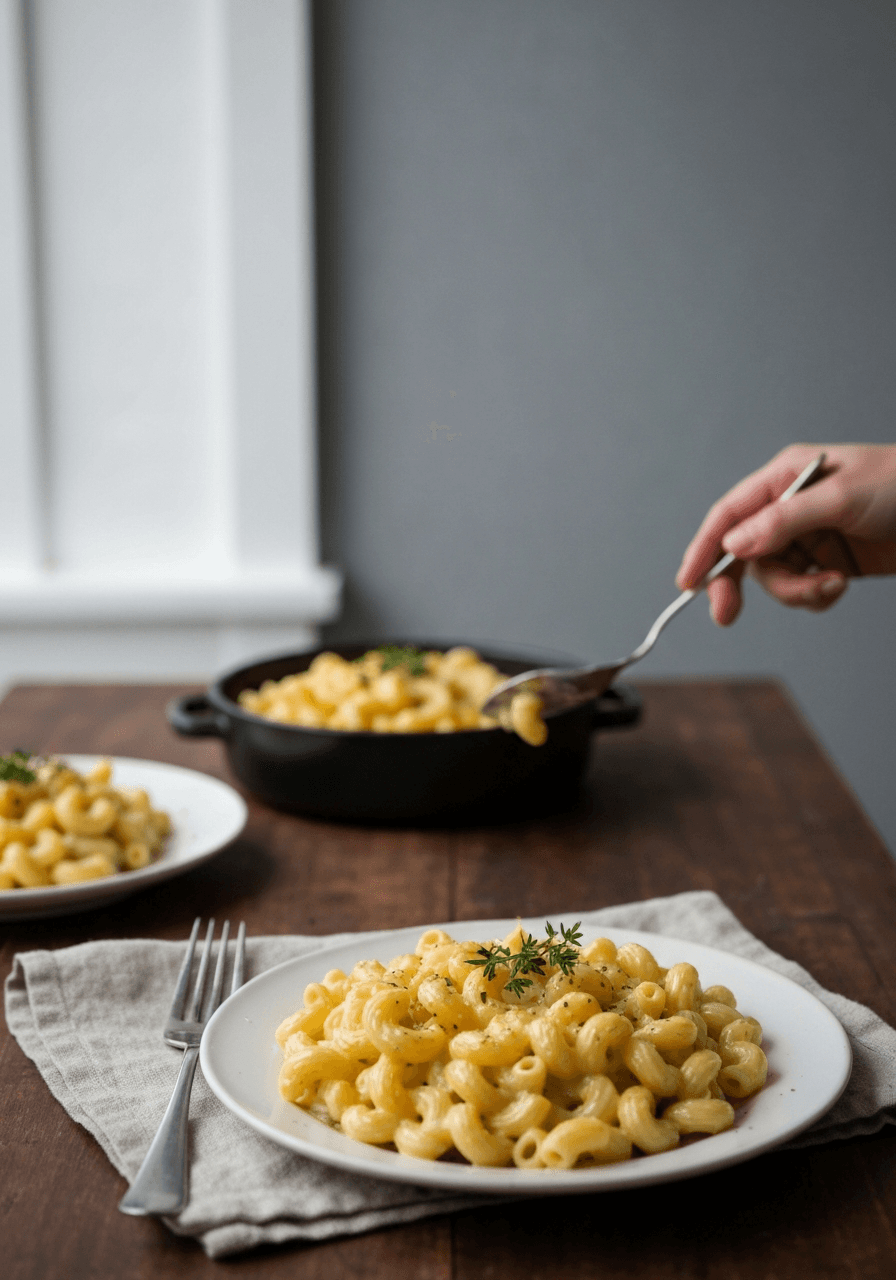
Creamy Mac & Cheese
Béchamel + Cheese = Mornay. No blue boxes allowed.
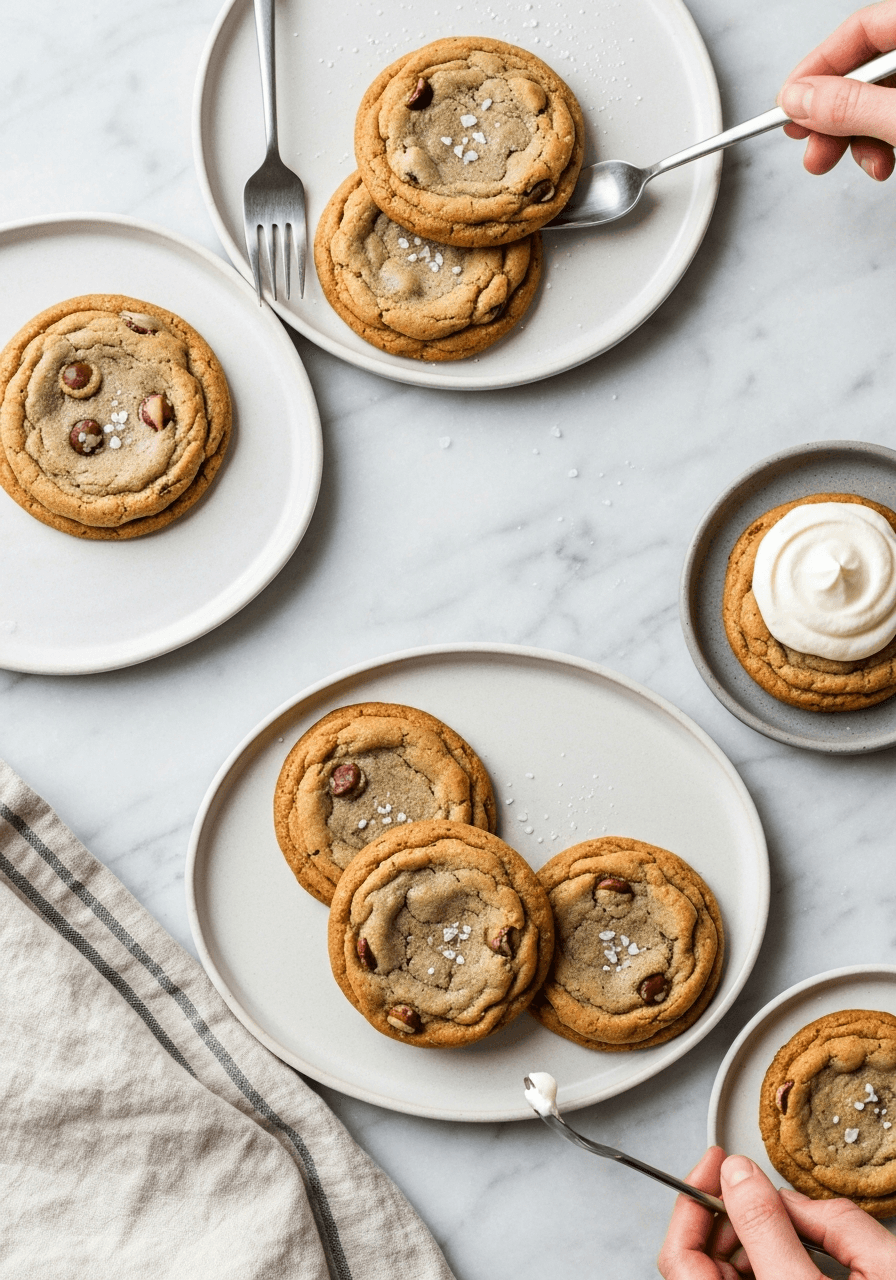
36-Hour Chocolate Chip Cookies
Dough that sleeps for 36 hours. Salt on top. Best in class.
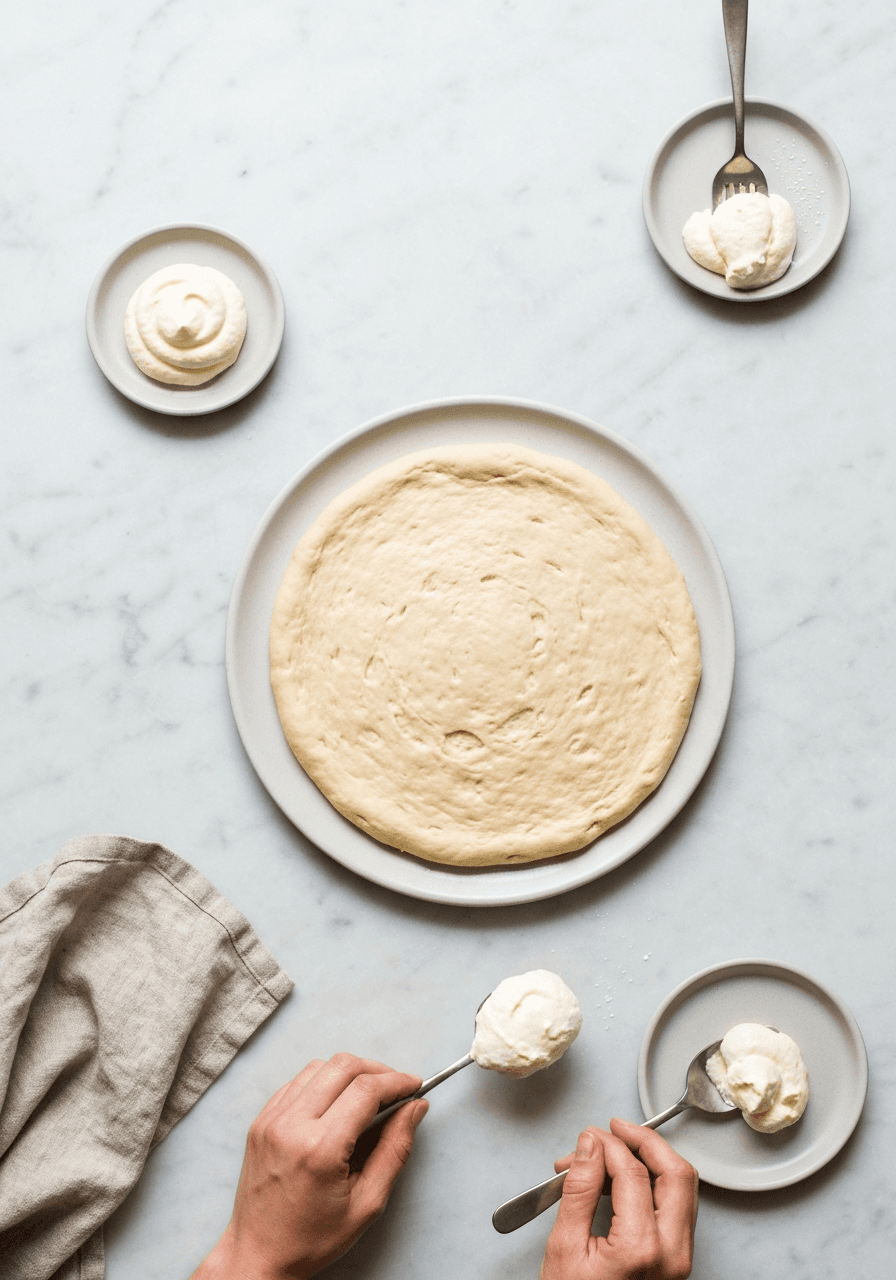
Roberta's Pizza Dough
00 Flour, cold fridge, 3 days waiting. Best crust of your life.