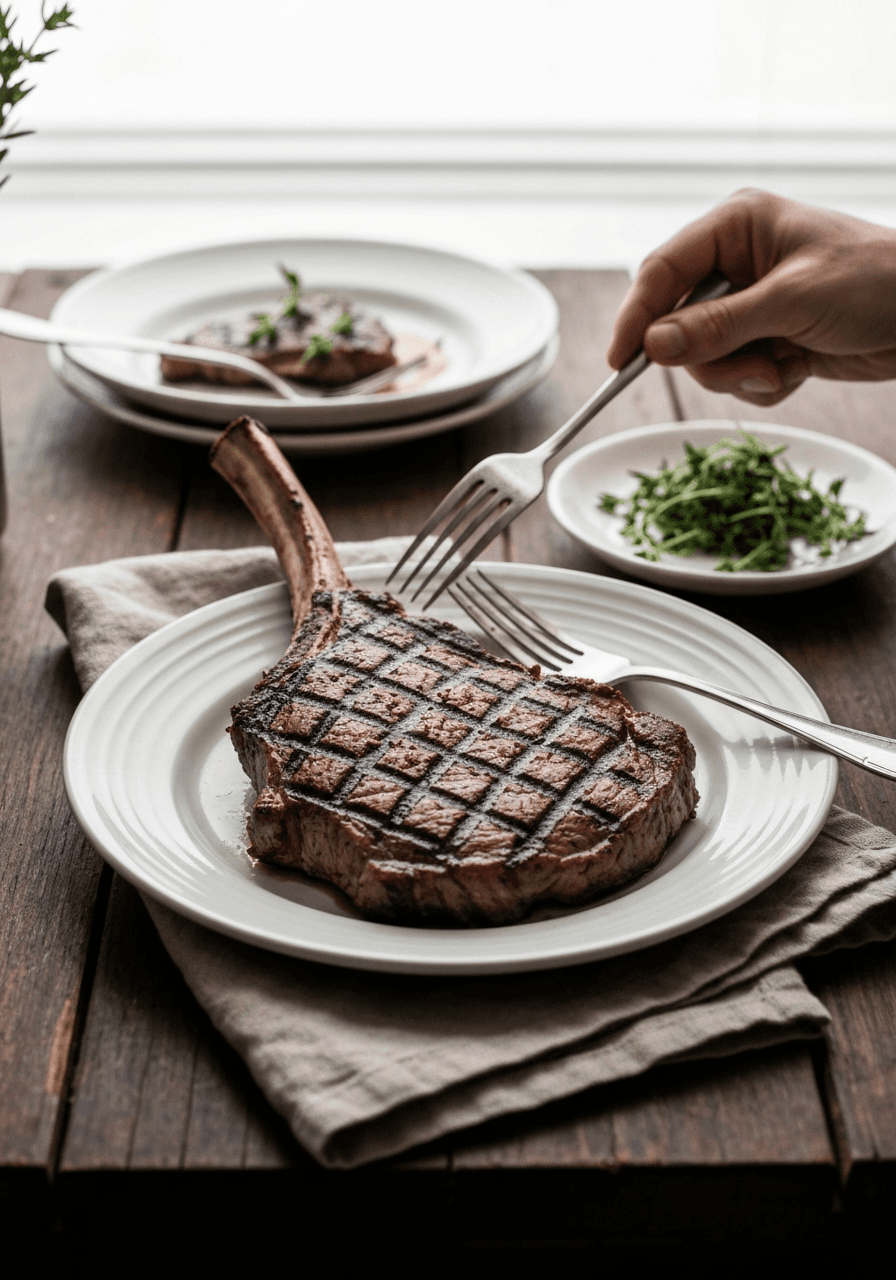
Grilled Ribeye — Reverse Sear
Unlock steakhouse-quality results at home with this reverse-seared grilled ribeye recipe. Achieve a perfectly rosy center and a deep, flavorful crust every time.
Achieve a perfect edge-to-edge rosy center and a deep, flavorful crust with this reverse-seared grilled ribeye recipe. Steak master class.
Use a reliable meat thermometer to monitor the internal temperature of the steak for precise doneness.
The fit, timing, and key move are all here. If it is a yes, go straight into cook mode.
Unlock steakhouse-quality results at home with this reverse-seared grilled ribeye recipe. Achieve a perfectly rosy center and a deep, flavorful crust every time.
Set your units, then drop the ingredients into grocery if this is happening later.
What matters before the pan gets hot
The shortest path to understanding the dish, the key move, and whether tonight is the right time to cook it.
The Hook
**The reverse sear is the secret weapon for achieving steakhouse-quality results at home.**
The Technique
Low-temperature cooking allows enzymes in the meat to break down proteins, resulting in a more tender steak. The subsequent high-heat sear creates the Maillard reaction, responsible for the rich, savory flavor and appealing crust.
The History
The reverse sear technique, popularized in modern steakhouses, involves gently cooking the steak at a low temperature before searing it at high heat to develop a flavorful crust. This method ensures even cooking and maximum tenderness.
Food Facts
Sourced notes. Tap to verify.
Grilling cooks food using radiant heat from below (and hot convection air around it). Because the heat is intense and direct, grill marks and fast browning happen quickly, so timing and turning matter.
Achieve a perfect edge-to-edge rosy center and a deep, flavorful crust with this reverse-seared grilled ribeye recipe. Steak master class.
Nutrition per Serving
Estimated valuesSatiety
Data estimatedTechnique, context, and fallback plans
The reason the method works, the prep you can do early, and what to change if the dish starts drifting.
The grill whispers promises of smoky char and savory depths, but true steak mastery lies in coaxing out the full potential of the cut. This reverse sear method, a technique borrowed from the oven, unlocks a level of tenderness and even cooking that's simply unattainable through traditional grilling alone. By gently bringing the steak to its target temperature before searing, we ensure a rosy center from edge to edge, a canvas for the intense, caramelized crust that follows.
Imagine the sizzle as the ribeye hits the grates, the Maillard reaction working its magic, transforming simple proteins and sugars into a symphony of flavor. This isn't just grilling; it's an alchemy of heat and patience, a dance between fire and flesh. The result is a steak that transcends the ordinary, a testament to the power of technique and the pursuit of culinary perfection.
This method isn't about speed; it's about precision. It's about understanding the nuances of heat and how it interacts with the fibers of the meat. It's about elevating a simple cut of beef into an unforgettable experience. So, fire up the grill, embrace the process, and prepare to taste the difference that reverse searing can make.
Consider this your steak master class. It's time to transform your grilling game.
Steak is not cooking evenly in the oven.
Ensure your oven is properly calibrated and use a reliable oven thermometer.
Steak is not developing a good crust on the grill.
Make sure the grill is preheated to high heat and the grates are clean.
Use this in Focus
Turn this nutrition profile into a week you can plan, shop, and actually cook.
Set up, cook, and remember what worked
The mise, the method, your notes, and the next recipes to master after this one lands.
The Setup
- Oven
- Grill
- Meat Thermometer
- Baking Sheet
- Wire Rack
The Mise en Place
4Your prep station before cooking begins
The Protein (0/3)
The Pantry (0/1)
PREHEAT
Preheat oven to 250°F (121°C).
SEASON
Generously season the ribeye steak (450 g) with kosher salt (1 tbsp) and black pepper (1 tsp) on all sides.
BAKE
Time-sensitivePlace the seasoned steak on a wire rack set inside a baking sheet. Bake in the preheated oven until the internal temperature reaches 120°F (49°C) for medium-rare, about 30-45 minutes.
Use a meat thermometer to monitor the internal temperature.
PREHEAT
While the steak is baking, preheat your grill to high heat.
OIL
Lightly oil the grill grates to prevent sticking.
SEAR
Time-sensitiveOnce the steak reaches the desired internal temperature, remove it from the oven and sear it on the preheated grill for 2-3 minutes per side, or until a deep, flavorful crust forms.
Deep mahogany crust with grill marks • Intense searing sound and aroma
Overcrowding: Crowding steams instead of browning. Sear in batches and leave space.
Listen for the sizzle as the steak hits the hot grates.
REST
Remove the steak from the grill and let it rest for 10 minutes before slicing and serving.
Service Log
Log your variables. Iterate like a pro.
Clean slate.
Log your variables after the first run.
Master These Next
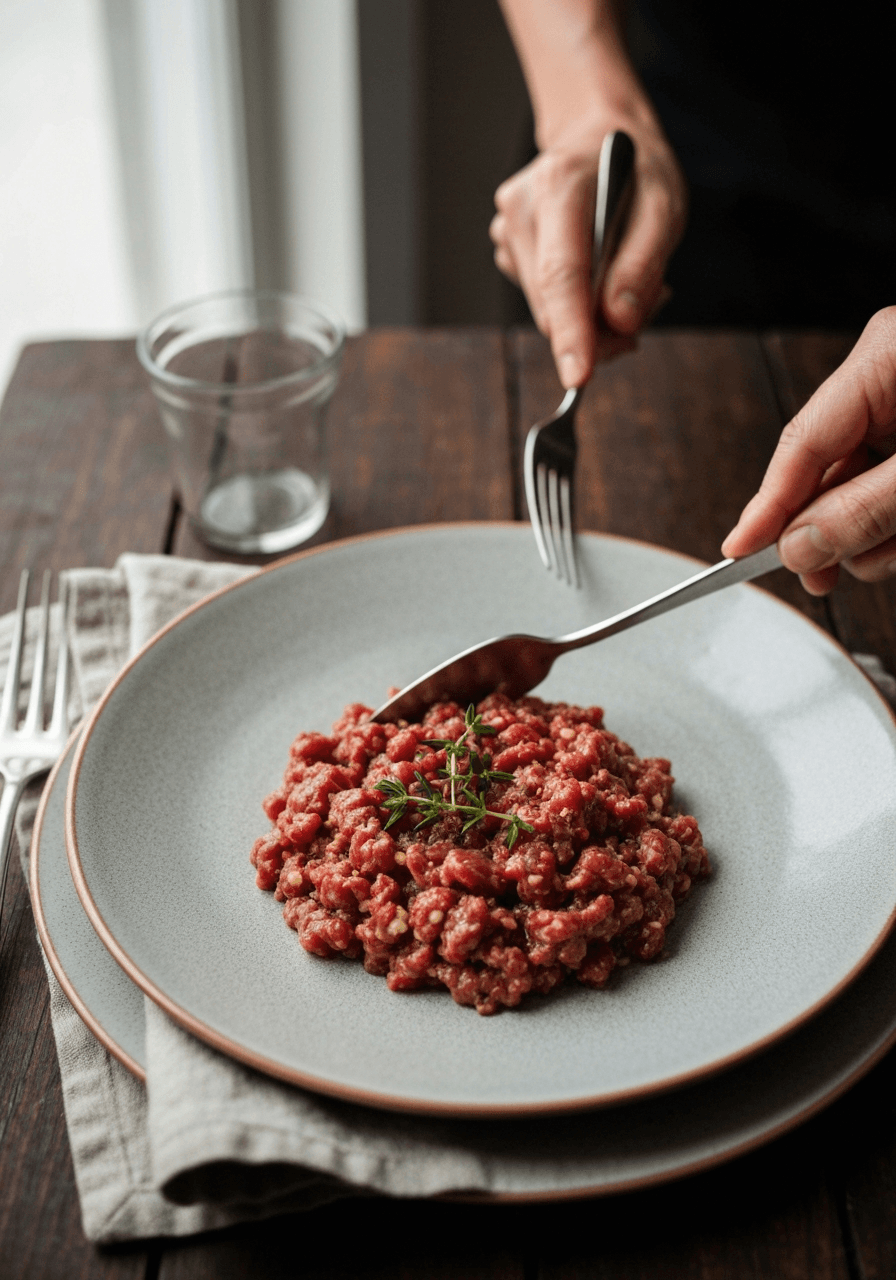
Steak Tartare — Raw Perfection
Indulge in the exquisite simplicity of steak tartare, where hand-cut beef meets vibrant seasonings for a symphony of flavor and texture.
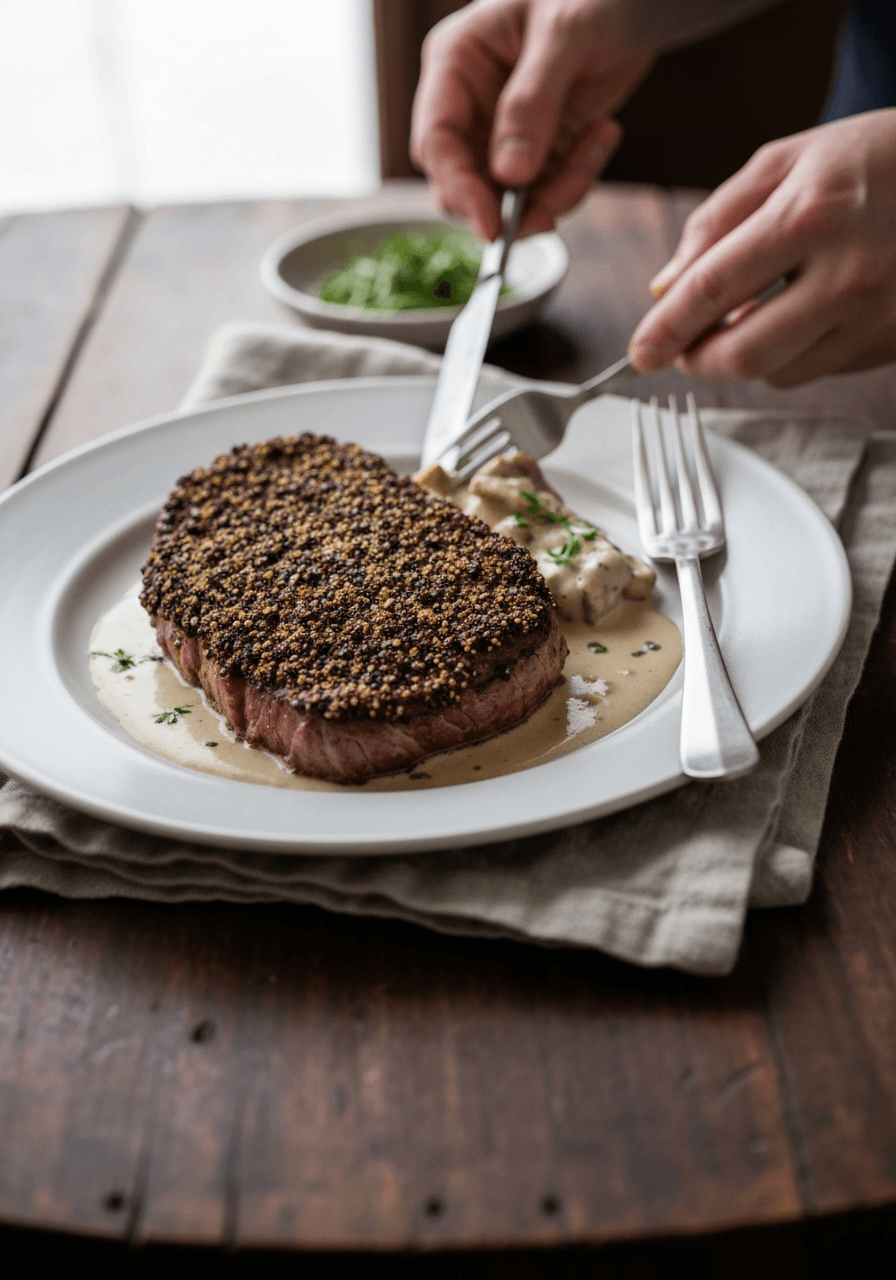
Steak au Poivre — Pepper Crusted
Experience the rich flavors of a French bistro with this classic steak au poivre recipe. Perfectly seared steak, bold pepper crust, and a decadent cream sauce.
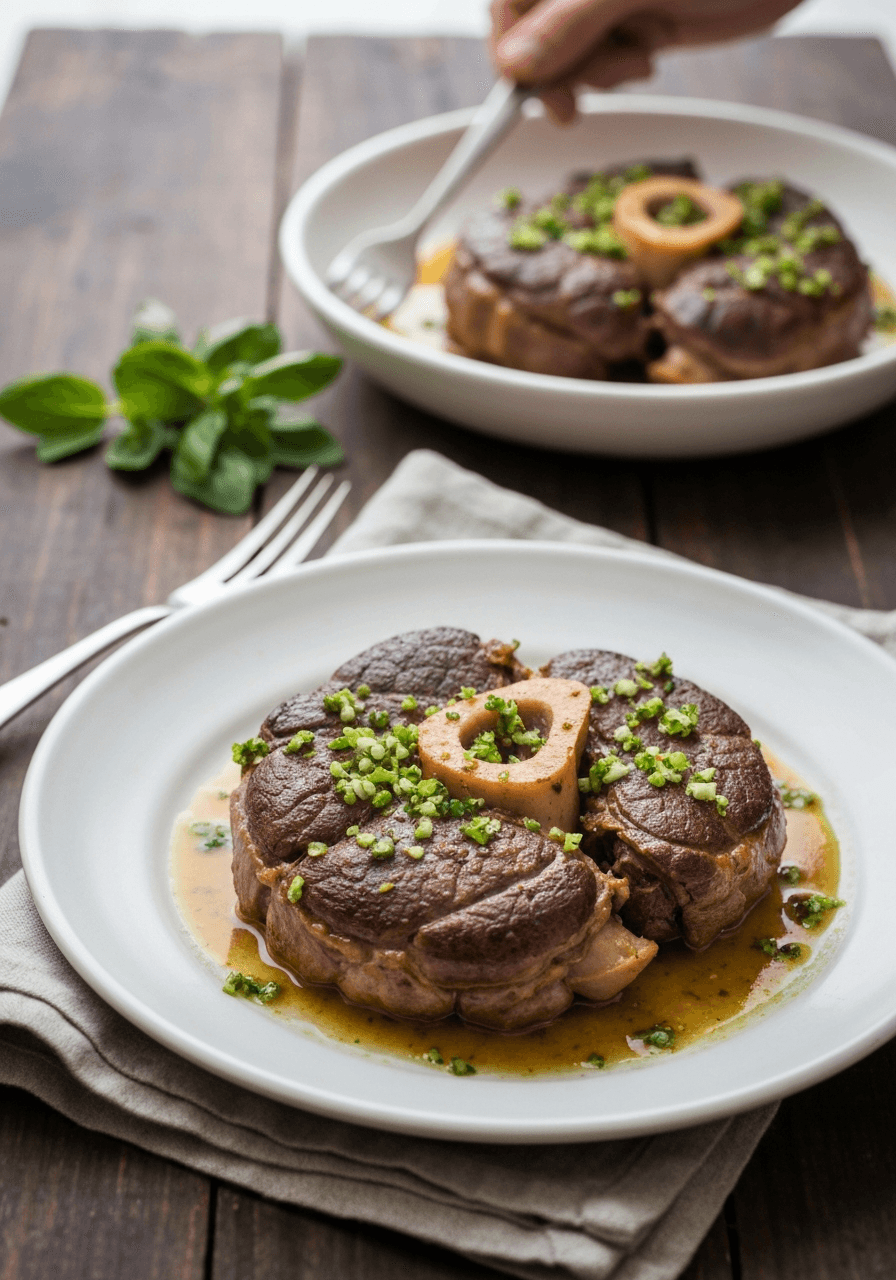
Osso Buco with Gremolata
Indulge in the richness of slow-braised veal shanks, brightened by the zesty flavors of gremolata. A classic Italian dish that's both comforting and impressive.