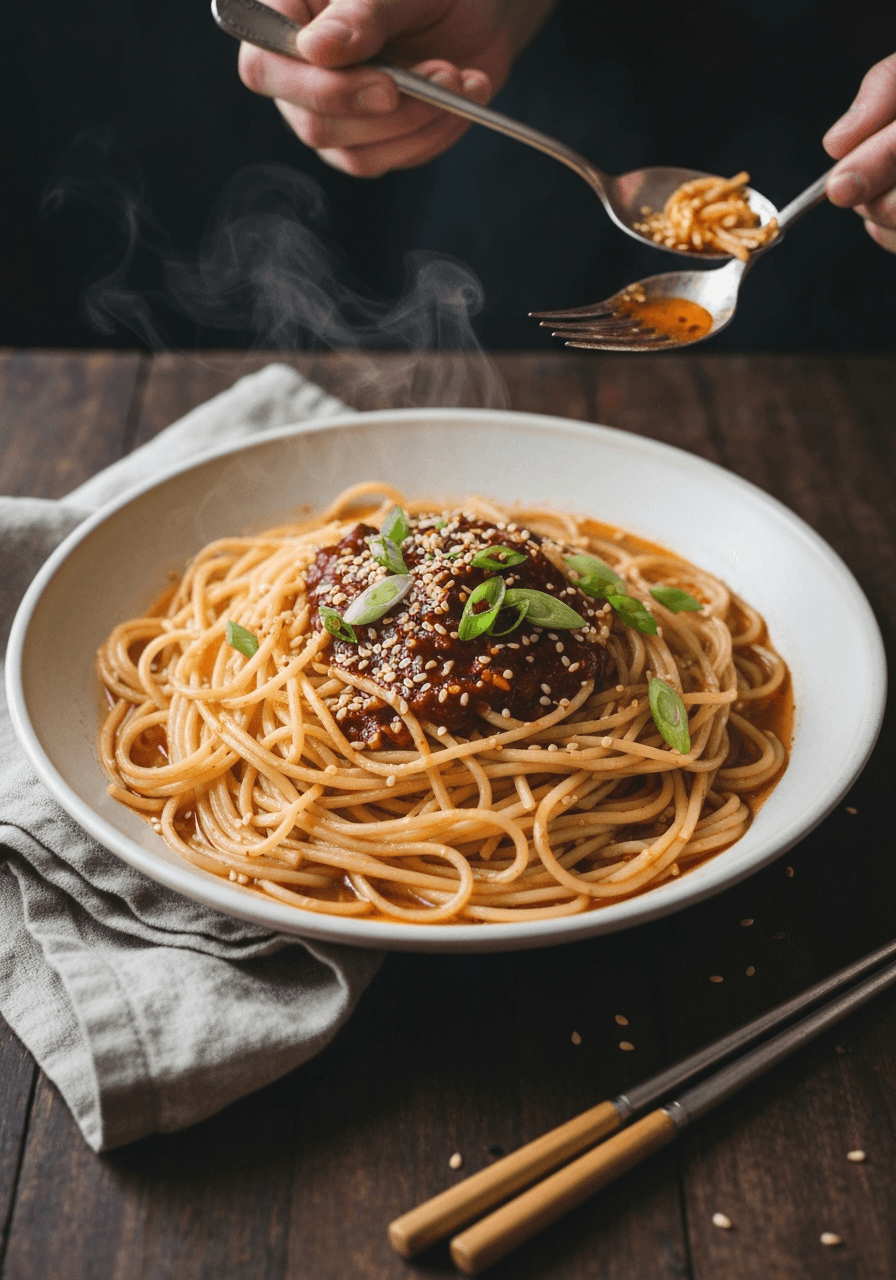
Gochujang Butter Noodles
Spaghetti meets Korean fermentation. 10 minutes to glory.
Master compound butter emulsification with gochujang noodles. Fermented chili paste, butter, honey, and garlic create a 10-minute umami bomb that rivals any res
Make compound butter while pasta boils. Toss hot noodles onto butter paste, add pasta water, toss violently. Speed and heat create the emulsion.
The fit, timing, and key move are all here. If it is a yes, go straight into cook mode.
Spaghetti meets Korean fermentation. 10 minutes to glory.
Timing note: 15 mins
Set your units, then drop the ingredients into grocery if this is happening later.
What matters before the pan gets hot
The shortest path to understanding the dish, the key move, and whether tonight is the right time to cook it.
The Hook
This recipe works because it stacks fermented umami (gochujang) with fat (butter) and starch (pasta water). It's fusion done right—taking a technique from one cuisine and applying ingredients from another without losing the soul of either.
The Technique
Gochujang contains glutamates (natural MSG) from fermentation. When combined with butter and pasta water's starch, it creates a thick, clingy sauce. The starch acts as an emulsifier, binding the water and fat into a stable mixture that coats the noodles instead of sliding off.
The History
Popularized by Eric Kim in the New York Times (2020), inspired by Korean pantry staples and Italian emulsion techniques.
Food Facts
Sourced notes. Tap to verify.
An emulsion is a stable mixture of two liquids that normally do not mix, like oil and water. Many dressings and sauces rely on emulsifiers and whisking to hold that texture.
Food continues to cook for a few minutes after leaving heat because stored heat moves inward. Pulling proteins just before final doneness prevents overcooking.
Master compound butter emulsification with gochujang noodles. Fermented chili paste, butter, honey, and garlic create a 10-minute umami bomb that rivals any res
Nutrition per Serving
Estimated valuesSatiety
Data estimatedTechnique, context, and fallback plans
The reason the method works, the prep you can do early, and what to change if the dish starts drifting.
This is basically Cacio e Pepe for people who like flavor. The Roman classic uses just cheese, black pepper, and pasta water to create an emulsion. This uses the same technique but swaps pecorino for gochujang, a Korean fermented chili paste that's savory, sweet, spicy, and full of natural umami (glutamates).
The concept is simple: make a compound butter by mixing raw fat with intensely flavored ingredients. When you toss hot pasta onto that butter paste, the heat melts the butter and cooks the raw garlic just enough to mellow its bite. Then you add starchy pasta water in splashes, tossing constantly, until the water and butter bind into a creamy, glossy sauce.
Gochujang is the secret weapon. It contains fermented soybeans and rice, which means it's naturally loaded with the same umami compounds found in aged cheese, soy sauce, and fish sauce. That's why this dish tastes meatier and more complex than it should for something made in 10 minutes.
The honey balances the heat and adds a subtle sweetness that rounds out the fermented funk. It's not a dessert—it's a counterpoint. Without it, the dish would be one-dimensionally spicy.
Sauce is greasy and oily, not creamy?
The emulsion broke. This usually happens because the pasta wasn't hot enough or you didn't add enough pasta water. Add another splash of hot pasta water (or hot tap water) and toss…
Garlic tastes raw and sharp?
The pasta wasn't hot enough to cook the garlic. Next time, make sure the pasta goes directly from the boiling water to the bowl—no waiting. If it's already too late, microwave the…
Set up, cook, and remember what worked
The mise, the method, your notes, and the next recipes to master after this one lands.
The Setup
- Large Pot6-8 qt·For boiling pasta
- Large Serving BowlFor mixing compound butter and tossing pasta
- TongsFor tossing pasta
The Mise en Place
5 of 8Your prep station before cooking begins
Finishing (0/2)
The Pasta (0/1)
The Compound Butter (0/5)
Chef's Notes
Make compound butter ahead and keep in the fridge—it's ready whenever you need a quick meal.
Top with a fried egg, crispy tofu, or grilled chicken for extra protein.
Store in airtight container up to 2 days. Sauce may separate—re-toss with water when reheating.
BOIL
Bring a large pot of salted water to a boil. Cook pasta according to package directions until al dente. Before draining, reserve 1 cup of pasta water.
Salt the water generously—it should taste like the sea • Pasta is tender but still firm in center
Pasta is al dente, pasta water is reserved
MASH
Prep aheadWhile pasta cooks, combine softened butter, gochujang, honey (1 tbsp), garlic (3 cloves), and soy sauce (1 tsp) (if using) in a large serving bowl. Mash and stir with a fork until smooth and uniform—a thick red paste.
Room temperature butter is crucial—cold butter won't mix smoothly • Bright red-orange paste, fully combined • Sweet, spicy, fermented aroma
Butter mixture is smooth with no lumps
TOSS
Time-sensitiveDrain pasta (do not rinse). Immediately dump hot pasta directly onto the butter paste in the bowl. Toss vigorously with tongs for 30 seconds.
Speed is key—hot pasta cooks the raw garlic and melts the butter • Noodles turning red-orange as butter melts
Pasta is coated, butter is melting
EMULSIFY
Time-sensitiveAdd pasta water in 2-3 tablespoon splashes while tossing constantly. Continue adding and tossing until sauce is glossy and clings to every strand. The water and butter should bind, not separate.
Pasta water's starch binds the butter—don't skip this step • Shiny, red-coated noodles with creamy sauce
Breaking: Add fat slowly while whisking to keep it smooth. Too fast can split the sauce.
Sauce is glossy, no pools of oil
FINISH
Top with scallions (2 whole) and sesame seeds (1 tbsp). Serve immediately.
Eat immediately—emulsions break as they cool • Glossy red noodles topped with green scallions and white sesame
Noodles are hot, garnished, ready to eat
Service Log
Log your variables. Iterate like a pro.
Clean slate.
Log your variables after the first run.
Master These Next
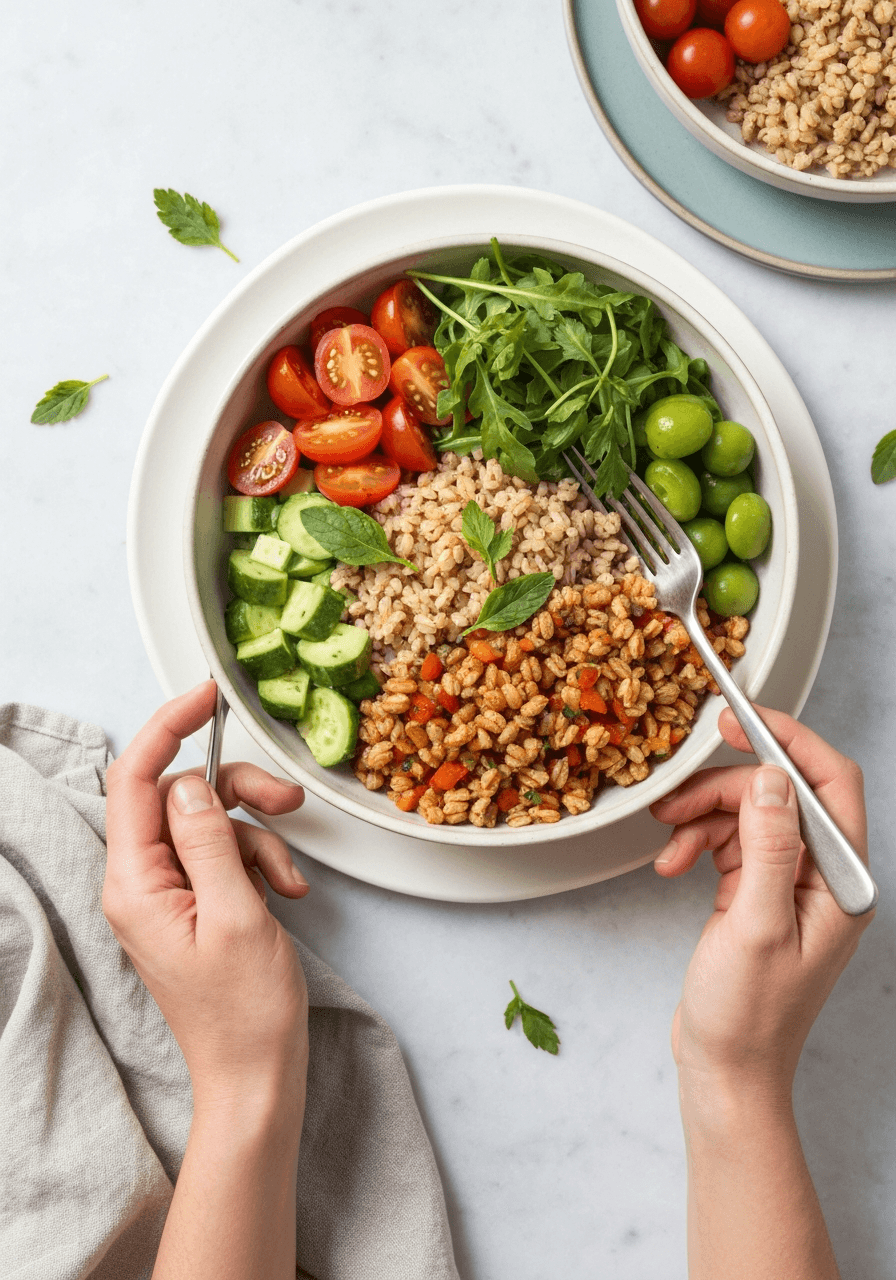
Grain Bowl — Mediterranean
A vibrant and healthy Mediterranean grain bowl bursting with fresh flavors and textures. Perfect for a quick and satisfying meal.
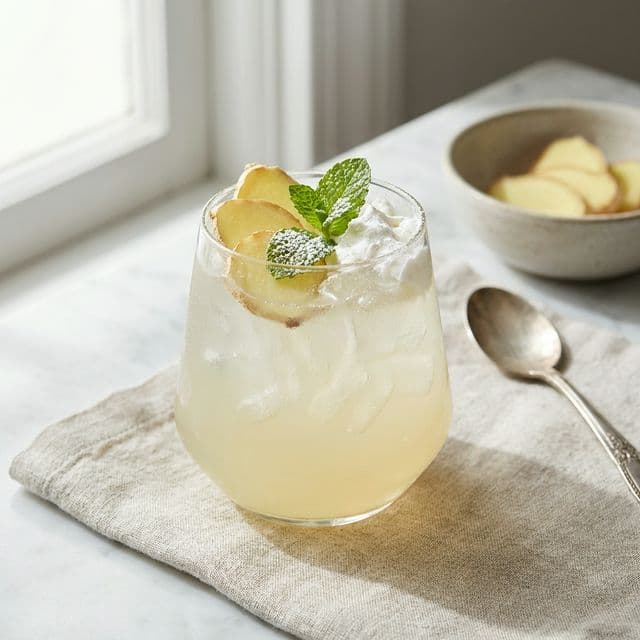
Ginger Lemonade — Fresh Not Too Sweet
A sophisticated twist on classic lemonade, with a spicy ginger kick that's both refreshing and invigorating. Perfect for hot days and easy entertaining.
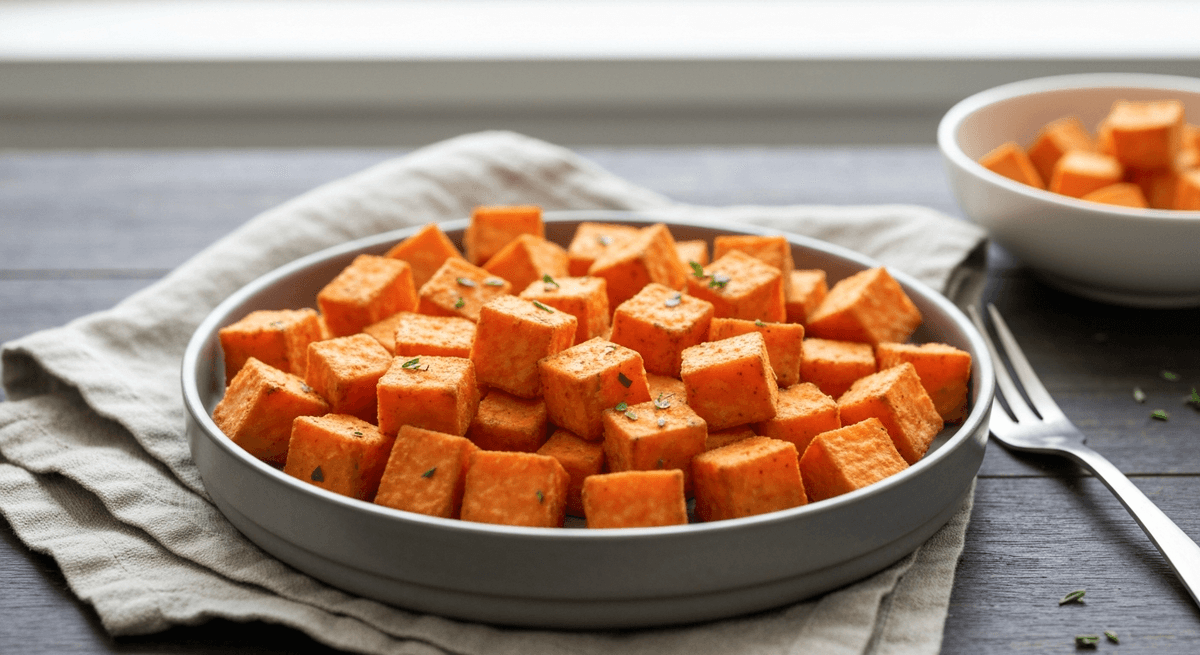
Air Fryer Sweet Potato Cubes
The sweet potato method that finally crisps. Even cubes, dry surface, and a light starch coat for clean texture.