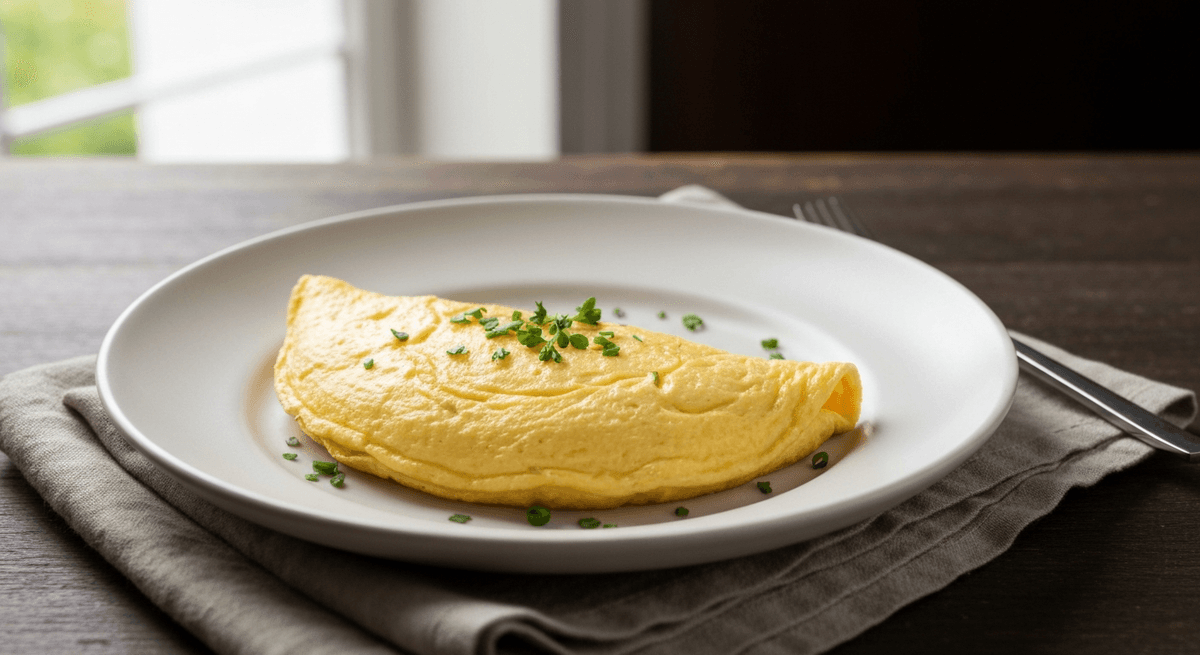
French Omelette — No Color
Unlock the secrets of the perfect French omelette: a pale, custardy dream achieved through low heat and constant stirring. A breakfast masterpiece.
Master the delicate art of the French omelette: a silky, pale, custardy delight achieved through low heat and constant stirring. A beginner-friendly breakfast.
Maintain low heat and stir constantly to prevent browning and create a creamy texture.
The fit, timing, and key move are all here. If it is a yes, go straight into cook mode.
Unlock the secrets of the perfect French omelette: a pale, custardy dream achieved through low heat and constant stirring. A breakfast masterpiece.
Set your units, then drop the ingredients into grocery if this is happening later.
What matters before the pan gets hot
The shortest path to understanding the dish, the key move, and whether tonight is the right time to cook it.
The Hook
**Perfecting the French omelette is a masterclass in low-and-slow cooking, demanding constant attention and a delicate touch.**
The Technique
The key to the French omelette lies in controlled protein coagulation. Low heat prevents the proteins from seizing up and becoming rubbery, while constant stirring disrupts the formation of large curds, resulting in a smooth, creamy texture.
The History
The French omelette, known for its pale color and creamy texture, is a classic dish of French cuisine, showcasing the chef's technique and precision in controlling heat and coagulation.
Food Facts
Sourced notes. Tap to verify.
When starch granules heat in water, they absorb moisture and swell, thickening the liquid. This is the basic physics behind many sauces, custards, and pan gravies.
Master the delicate art of the French omelette: a silky, pale, custardy delight achieved through low heat and constant stirring. A beginner-friendly breakfast.
Nutrition per Serving
Estimated valuesSatiety
Data verifiedTechnique, context, and fallback plans
The reason the method works, the prep you can do early, and what to change if the dish starts drifting.
The French omelette is not just breakfast; it's a testament to technique. Forget the browned, rustic omelets of casual diners. This is about achieving a pale, almost ethereal creation—a canvas of pure egg flavor. The secret? Low heat, constant motion, and unwavering patience. It's a dance between the pan and the whisk, a delicate ballet of coagulation.
Think of it as coaxing the egg into a state of suspended animation, a custardy cloud that barely holds its shape. There should be no color, no browning, just a smooth, unbroken surface that shimmers with a subtle sheen. The inside remains molten, a warm, flowing river of richness. This is not about speed; it's about finesse. It's about transforming humble ingredients into something sublime.
It's a dish that rewards attention and demands respect. Each movement, each stir, is a step towards perfection. And when you finally slide that pale, delicate creation onto your plate, you'll understand why the French omelette is considered a culinary masterpiece. It's a study in simplicity, a celebration of flavor, and a testament to the power of technique.
Embrace the challenge, and you'll unlock a world of culinary possibilities. This isn't just about making an omelette; it's about mastering a fundamental skill that will elevate your cooking to new heights.
Omelette is browning.
The heat is too high. Reduce the heat to the lowest setting.
Omelette is sticking to the pan.
Use a non-stick skillet and make sure there is enough butter in the pan.
Set up, cook, and remember what worked
The mise, the method, your notes, and the next recipes to master after this one lands.
The Setup
- Non-stick Skillet8-inch
- Whisk
- Spatula
The Mise en Place
4Your prep station before cooking begins
The Protein (0/3)
Other (0/1)
WHISK
In a bowl, whisk the eggs (4 large), salt (⅛ tsp), and pepper together until just combined. Do not over-whisk.
MELT
Melt the butter (2 tbsp) in a non-stick skillet over low heat.
Butter is melted and shimmering, but not browned
POUR
Pour the egg mixture into the skillet.
STIR
Time-sensitiveUsing a spatula, gently push the cooked egg from the edges towards the center, tilting the pan to allow the uncooked egg to flow underneath.
Keep the heat low and stir constantly to prevent the eggs from browning. • The omelette should be creamy and smooth, with no browning.
SHAPE
Time-sensitiveOnce the omelette is mostly set but still slightly runny, shape it into an oval by folding one side over the other.
SERVE
Gently slide the omelette onto a plate and serve immediately.
Omelette is pale, smooth, and slightly runny inside.
Service Log
Log your variables. Iterate like a pro.
Clean slate.
Log your variables after the first run.
Master These Next
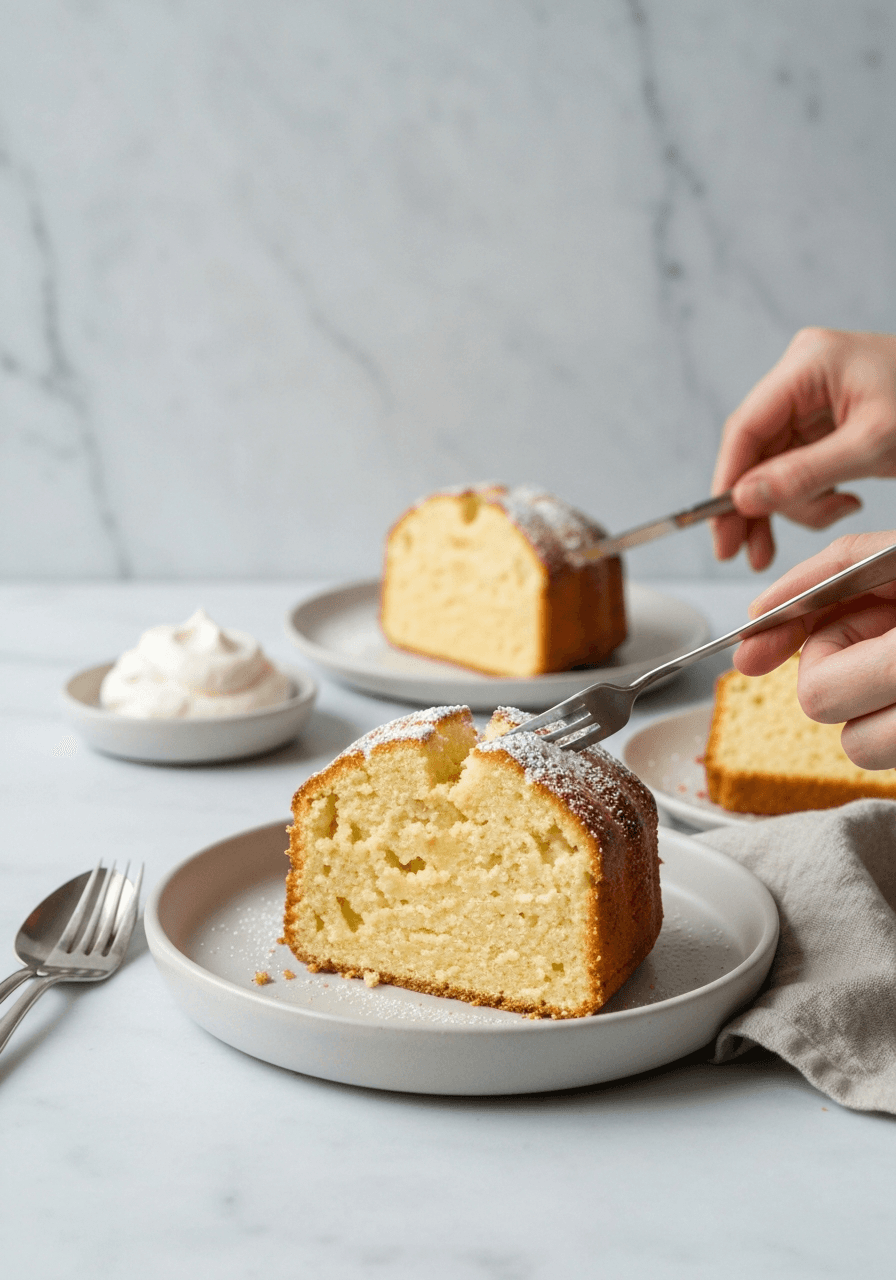
Pound Cake — Classic Vanilla
A classic vanilla pound cake with a fine crumb and rich, buttery flavor. The secret? Room temperature butter, creamed to perfection.
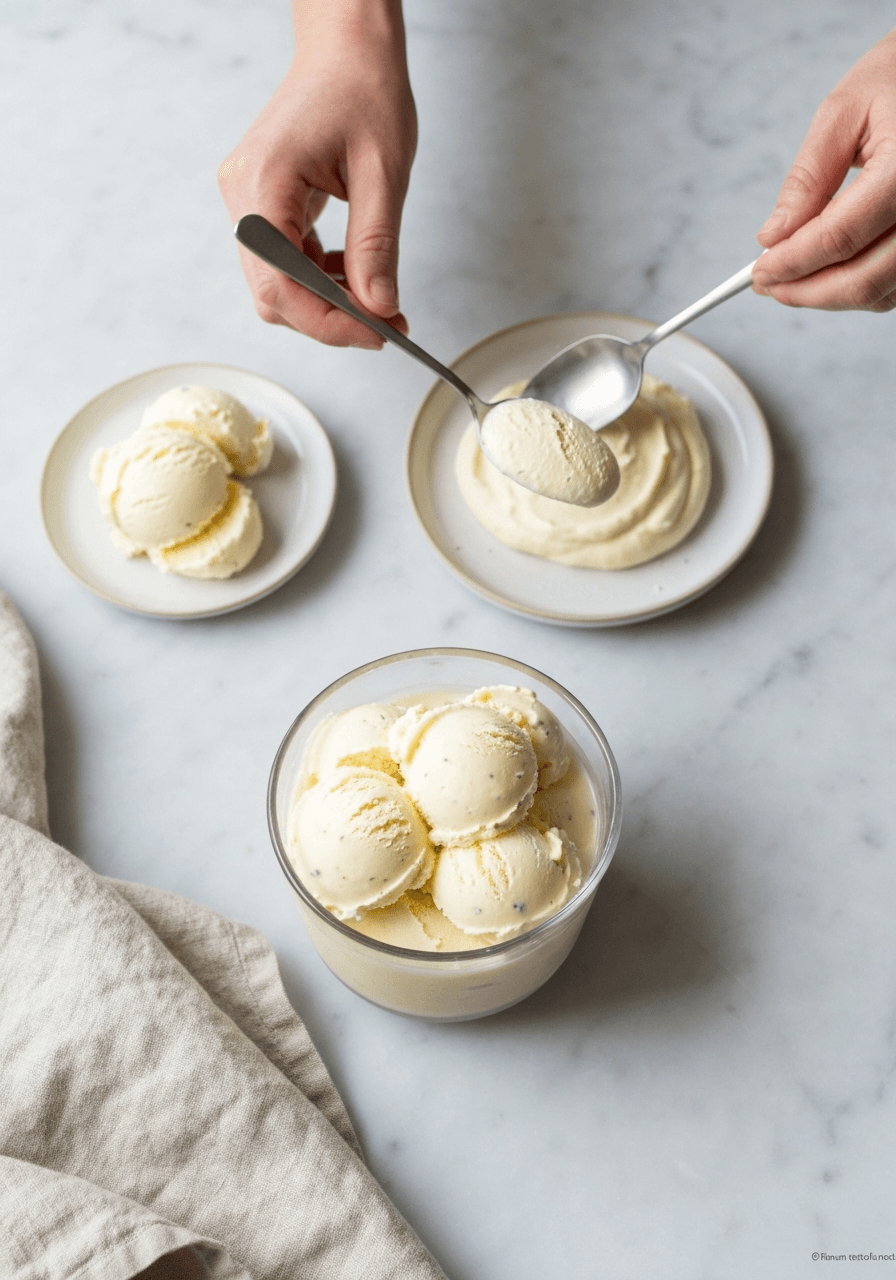
Vanilla Ice Cream Base — Custard Style
Indulge in the pure, velvety texture of homemade vanilla ice cream. This custard-style base is the perfect foundation for your favorite frozen creations.
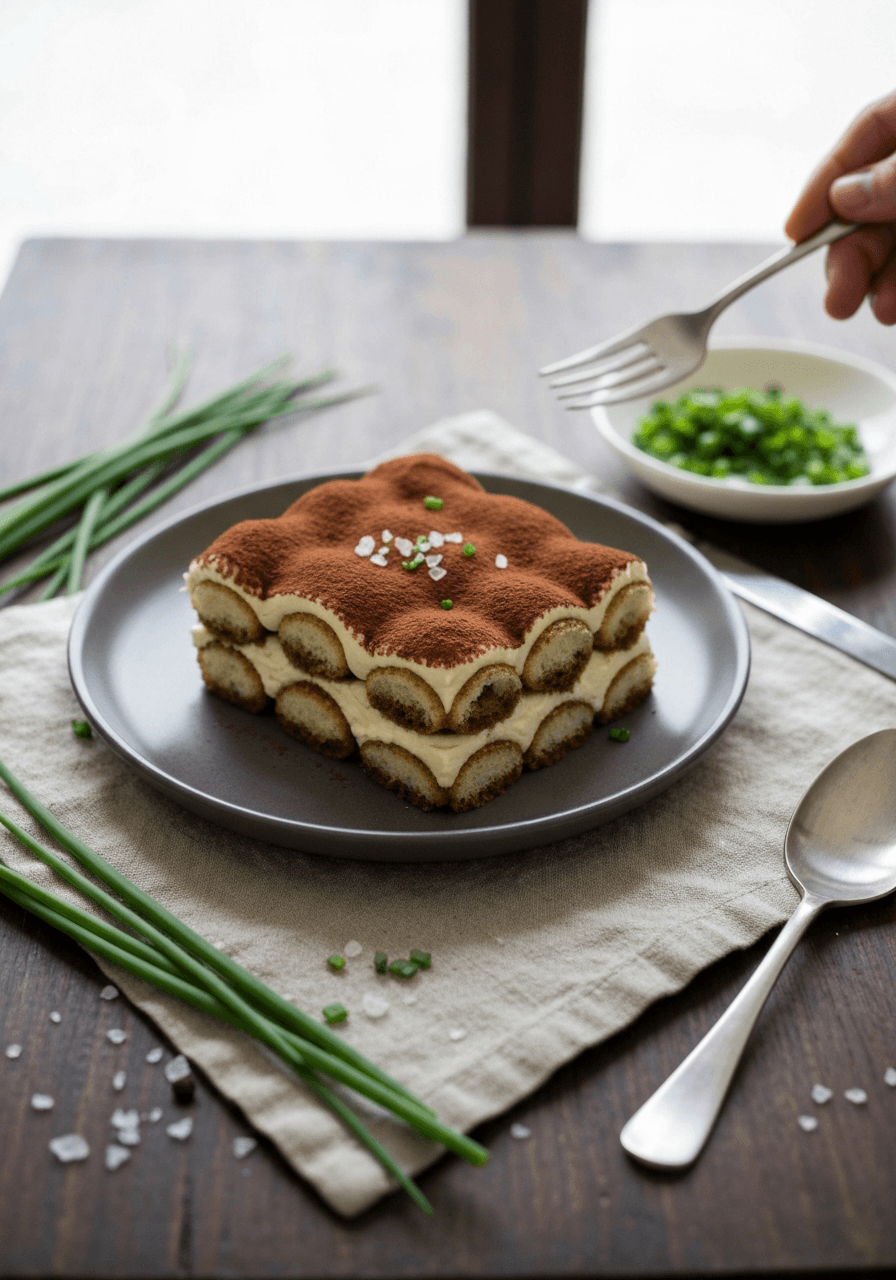
Tiramisu — No Raw Eggs
Indulge in the classic Italian dessert, tiramisu, made safe and delicious without raw eggs. Coffee-soaked ladyfingers meet creamy mascarpone in every bite.