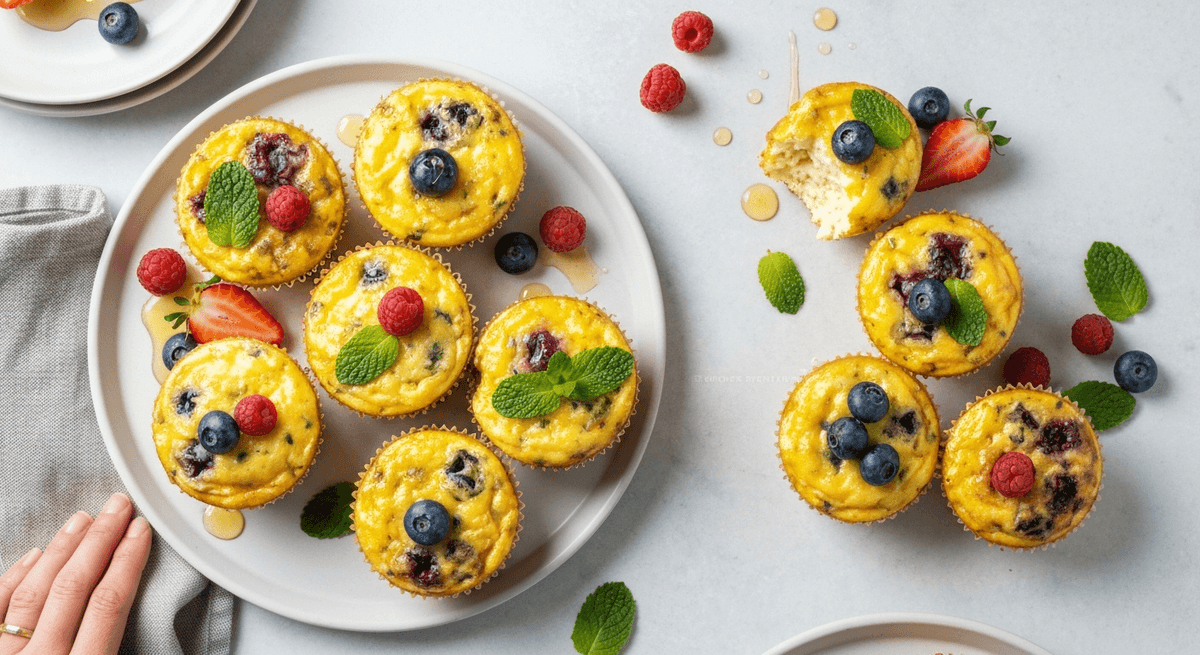
Egg Muffins (Oven, Not Rubbery)
High-protein breakfast you can prep once and win all week. Tender texture, clean flavor, no rubber.
Oven-baked egg muffins that stay tender, not rubbery. The trick is lower heat, a little dairy, and pulling them early.
Bake at 325F and pull when centers are just set--carryover finishes them so they stay tender.
The fit, timing, and key move are all here. If it is a yes, go straight into cook mode.
High-protein breakfast you can prep once and win all week. Tender texture, clean flavor, no rubber.
Timing note: 35 mins
Set your units, then drop the ingredients into grocery if this is happening later.
What matters before the pan gets hot
The shortest path to understanding the dish, the key move, and whether tonight is the right time to cook it.
The Hook
Stop overcooking your damn eggs. These aren't rubber pucks. Pull them early, let the oven finish the job. Patience, you animals.
The Technique
Egg proteins seize up like a cheap watch when overheated. We're using a lower temp (325F) and pulling them when they're barely set. The residual heat in the muffin tin and the eggs themselves finishes the cooking. It's about controlled carryover, not brute force.
The History
Forget the brunch bros and their 'meal prep' lies. This is about not screwing up a simple baked egg. The real trick isn't adding stuff, it's knowing when to stop. We're salvaging the reputation of the egg muffin from the clutches of the overzealous home cook.
Food Facts
Sourced notes. Tap to verify.
Egg yolks contain lecithin, an emulsifier that helps stabilize mixtures of oil and water. That is the core trick behind glossy sauces and creamy dressings.
Oven-baked egg muffins that stay tender, not rubbery. The trick is lower heat, a little dairy, and pulling them early.
Nutrition per Serving
Estimated valuesSatiety
Data estimatedTechnique, context, and fallback plans
The reason the method works, the prep you can do early, and what to change if the dish starts drifting.
The humble egg muffin often carries a reputation for rubbery disappointment, a breakfast casualty of the meal prep rush. Many home cooks, eager for a quick win, push their ovens too hard, chasing a fully set center like a finish line. But in that pursuit, the delicate proteins in the egg tighten, transforming a potentially tender bite into something squeaky and unappealing. It’s a culinary paradox: the very act of ensuring it’s cooked leads to its downfall.
This approach offers a gentle redemption, understanding that eggs, like many fine ingredients, reward patience and a nuanced touch. By embracing a lower, more forgiving oven temperature and incorporating a whisper of dairy, we coax out a sublime tenderness. The magic truly happens in the final moments, pulling the muffins just as their centers begin to set, allowing the residual heat to complete the transformation. This careful dance prevents the dreaded overbake, resulting in a consistently soft, savory breakfast that’s ready to fuel your week without compromising on texture or flavor.
My egg muffins came out rubbery.
Ah, rubbery eggs usually mean they spent a little too long in the oven, or the oven was running hotter than you thought.
These muffins really stuck to the pan!
That's a common frustration! It almost always comes down to the pan not being greased quite enough. Make sure you get a good, even coating in every nook and cranny, or consider usi…
Use this in Focus
Turn this nutrition profile into a week you can plan, shop, and actually cook.
Set up, cook, and remember what worked
The mise, the method, your notes, and the next recipes to master after this one lands.
The Setup
- Muffin Tin12-cup
- Whisk
The Mise en Place
5 of 7Your prep station before cooking begins
Chef's Notes
Refrigerate up to 4 days or freeze up to 2 months. Reheat gently (microwave 20–30 sec or oven 300F for 8–10 min).
PREHEAT
Heat oven to 325F (163C). Grease a 12-cup muffin tin well.
Lower heat keeps eggs tender and prevents rubbery edges. • Tin looks evenly coated so eggs won't stick
WHISK
Whisk eggs (10 whole), milk (½ cups), salt, and pepper until smooth and lightly foamy.
Milk adds tenderness and helps prevent squeaky texture. • Pale yellow, slightly foamy surface • Clean egg aroma
Mixture is uniform with no egg white streaks
FILL
Divide spinach and cheese among the muffin cups. Pour egg mixture in, filling each cup about 3/4 full.
Mix-ins go in first so they don't all float to the top. • Cups filled to the same level
Even distribution so muffins cook consistently
BAKE
Time-sensitivePrep aheadBake 18-22 minutes until centers are just set (a toothpick comes out mostly clean).
Pull early. Carryover heat finishes the center without drying the edges. • Lightly puffed tops; minimal jiggle in the center • Warm egg-cheese aroma
Centers set but still tender; no browning overload
REST
Rest 5 minutes, then run a knife around edges and remove muffins.
Resting helps them set and release without tearing. • Edges pull away slightly from the tin • Soft, tender bite when warm
Muffins release cleanly
Service Log
Log your variables. Iterate like a pro.
Clean slate.
Log your variables after the first run.
Related Techniques
Master These Next
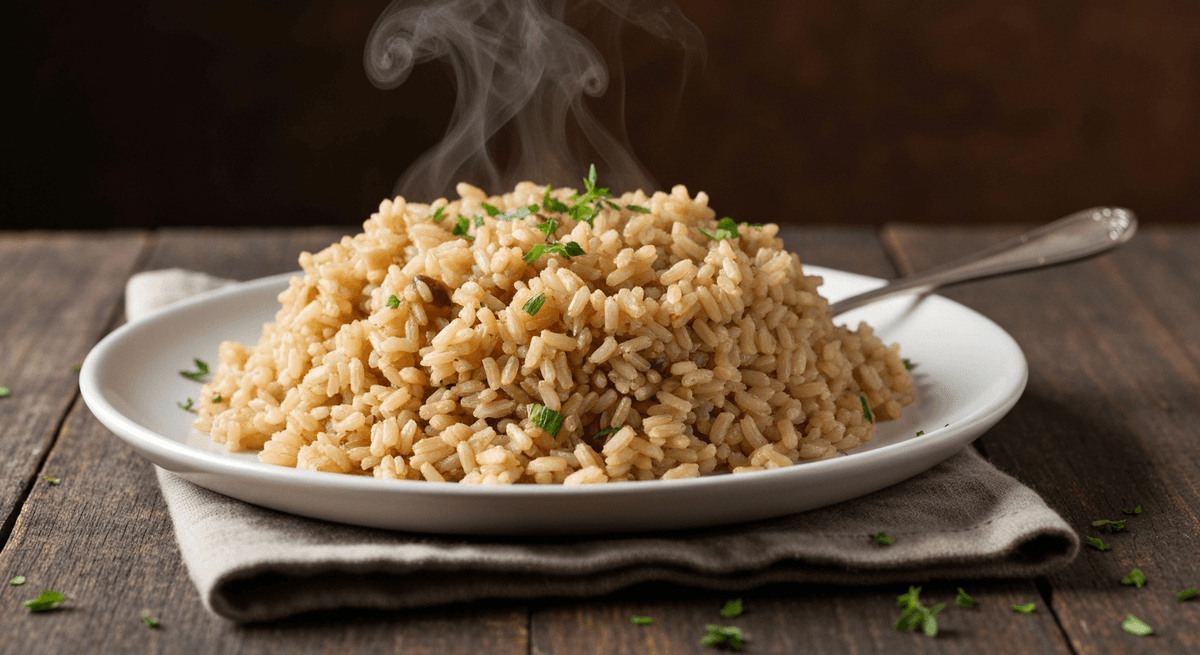
Brown Rice Pilaf
The brown rice base you'll actually repeat: fluffy grains, nutty flavor, and a method that scales for meal prep.
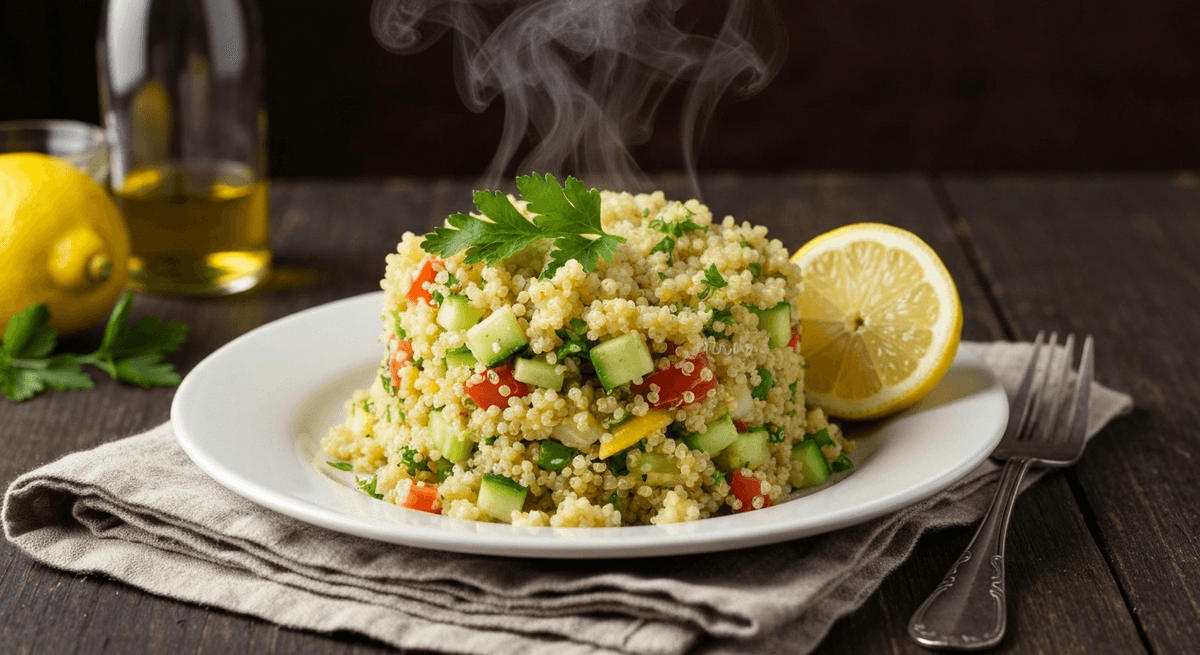
Quinoa Salad
Meal-prep quinoa that stays fluffy: bright lemon dressing, crisp veggies, and clean herb flavor.
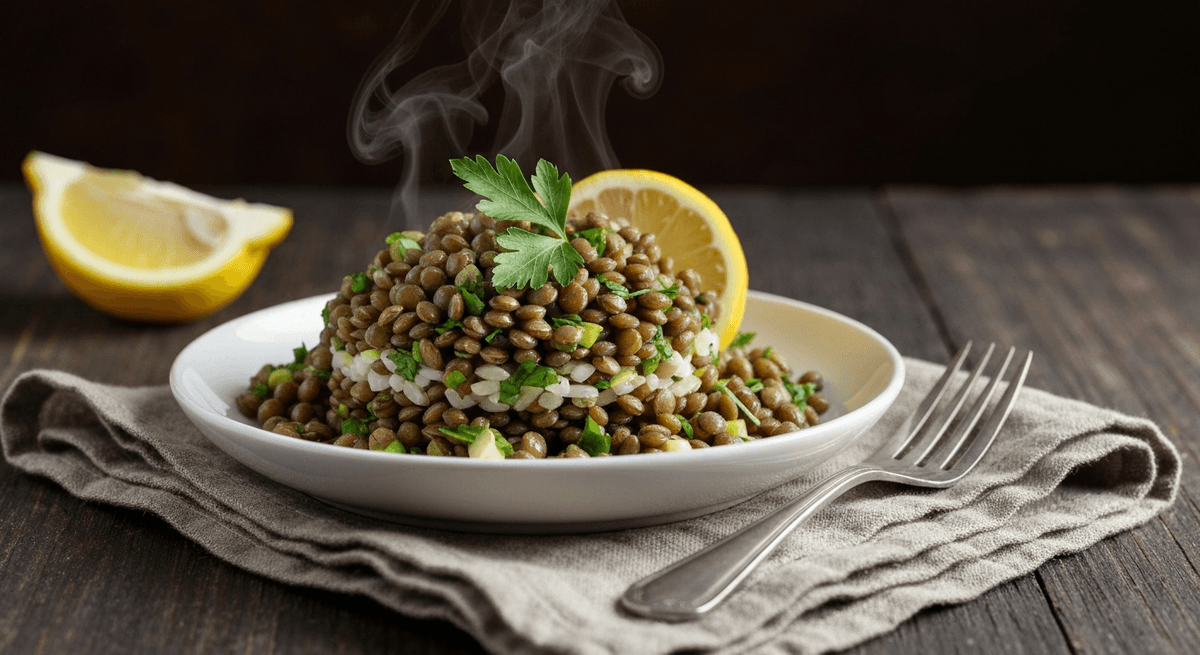
Mediterranean Lentil Salad
Meal-prep friendly lentil salad with real crunch and a bright dressing that keeps it clean.