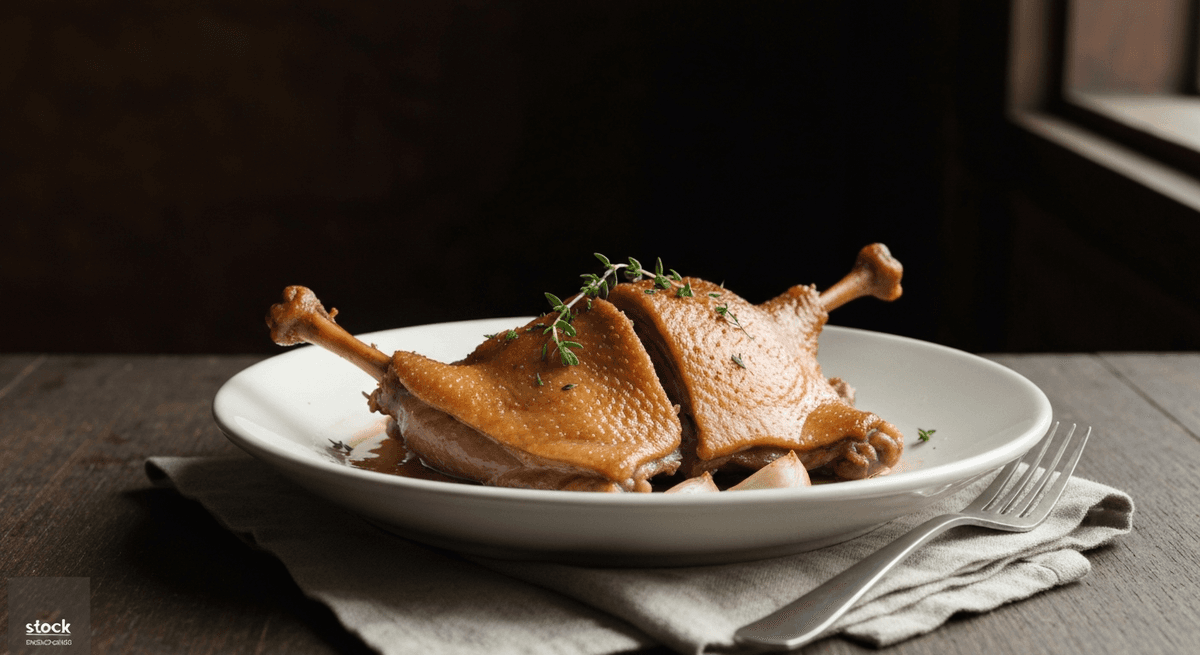
Duck Confit — Preserved in Fat
Experience the rich, tender succulence of duck confit, a French culinary tradition that transforms simple ingredients into a luxurious delicacy. Crispy skin, melt-in-your-mouth meat.
Classic French duck confit. Salt-cured duck legs slow-cooked in their own fat until meltingly tender with crispy skin. A luxurious technique.
Ensure the duck legs are fully submerged in fat during the slow cooking process for even cooking and preservation.
The fit, timing, and key move are all here. If it is a yes, go straight into cook mode.
Experience the rich, tender succulence of duck confit, a French culinary tradition that transforms simple ingredients into a luxurious delicacy. Crispy skin, melt-in-your-mouth meat.
Set your units, then drop the ingredients into grocery if this is happening later.
What matters before the pan gets hot
The shortest path to understanding the dish, the key move, and whether tonight is the right time to cook it.
The Hook
**The key to perfect duck confit is patience and low, slow cooking to render the fat and tenderize the meat.**
The Technique
The salt curing process draws out moisture from the duck, inhibiting bacterial growth and preserving the meat. Slow cooking in fat further protects the duck from spoilage while tenderizing the muscle fibers.
The History
Duck confit originates from Gascony, France, where it was developed as a method of preserving duck legs for long periods.
Food Facts
Sourced notes. Tap to verify.
An emulsion is a stable mixture of two liquids that normally do not mix, like oil and water. Many dressings and sauces rely on emulsifiers and whisking to hold that texture.
Classic French duck confit. Salt-cured duck legs slow-cooked in their own fat until meltingly tender with crispy skin. A luxurious technique.
Nutrition per Serving
Estimated valuesSatiety
Data estimatedTechnique, context, and fallback plans
The reason the method works, the prep you can do early, and what to change if the dish starts drifting.
Duck confit is more than just a dish; it's a testament to the art of preservation and transformation. Born from the need to conserve food through the harsh winters of Gascony, France, this technique involves salting duck legs and then slowly cooking them in their own rendered fat. The result is a culinary marvel—tender, succulent meat encased in a layer of crispy, golden skin.
The magic of confit lies in the alchemy of time and temperature. As the duck legs luxuriate in their fatty embrace, they become infused with a deep, rich flavor that transcends the ordinary. The salt draws out moisture, intensifying the natural flavors of the duck, while the slow cooking process breaks down tough fibers, creating a melt-in-your-mouth texture.
Imagine the aroma wafting through your kitchen as the duck confit slowly simmers, a symphony of savory scents that evoke images of rustic French farmhouses and convivial gatherings. It's a dish that invites you to slow down, savor the moment, and appreciate the simple pleasures of life. Duck confit is not just food; it's an experience, a journey into the heart of French culinary tradition.
Whether served as a centerpiece of a grand feast or enjoyed as a simple indulgence, duck confit is a dish that never fails to impress. Its rich, complex flavors and satisfying textures make it a true culinary masterpiece, a testament to the transformative power of simple ingredients and time-honored techniques.
Duck legs are too salty after curing.
Rinse the duck legs more thoroughly under cold water before cooking.
Duck fat is not fully covering the legs during cooking.
Add more rendered duck fat or use a smaller pot to ensure the legs are submerged.
Use this in Focus
Turn this nutrition profile into a week you can plan, shop, and actually cook.
Set up, cook, and remember what worked
The mise, the method, your notes, and the next recipes to master after this one lands.
The Setup
- Dutch Oven6-quart
- Non-Reactive Dish
- Oven
The Mise en Place
5 of 6Your prep station before cooking begins
The Protein (0/3)
The Aromatics (0/1)
The Spice Blend (0/1)
CURE
Prep aheadIn a non-reactive dish, generously coat the duck legs (8 legs) with coarse salt (½ cups), cracked black peppercorns (2 tbsp), crushed garlic (6 cloves), and fresh thyme (8 sprigs) sprigs. Ensure all surfaces are covered.
REFRIGERATE
Prep aheadCover the dish tightly and refrigerate for at least 24 hours, or up to 48 hours, to allow the salt to penetrate the duck legs (8 legs).
RINSE
Remove the duck legs (8 legs) from the refrigerator and rinse thoroughly under cold water to remove excess salt. Pat dry with paper towels.
PREHEAT
Preheat oven to 275°F (135°C).
ARRANGE
Time-sensitiveIn a Dutch oven or oven-safe pot, arrange the duck legs (8 legs) in a single layer. Pour the rendered duck fat (6 cups) over the legs, ensuring they are fully submerged. Add additional duck fat if needed.
Duck legs completely covered in fat
BAKE
Bake in the preheated oven for 6-8 hours, or until the duck meat is extremely tender and easily pulls away from the bone.
Meat is very tender
COOL
Remove the Dutch oven from the oven and let the duck legs (8 legs) cool in the fat. This allows the flavors to meld and the meat to become even more tender.
REMOVE
Prep aheadCarefully remove the duck legs (8 legs) from the fat. At this point, you can store the legs in the refrigerator, submerged in the fat, for several weeks.
PREHEAT
When ready to serve, preheat oven to 400°F (200°C) or heat a skillet over medium-high heat.
CRISPY
Place the duck legs (8 legs) skin-side up in the oven or skillet and cook until the skin is crispy and golden brown, about 10-15 minutes.
Skin is golden brown and crispy • Crisp skin
SERVE
Serve the duck confit hot, with your favorite accompaniments such as roasted vegetables, potatoes, or a simple salad.
Service Log
Log your variables. Iterate like a pro.
Clean slate.
Log your variables after the first run.
Master These Next
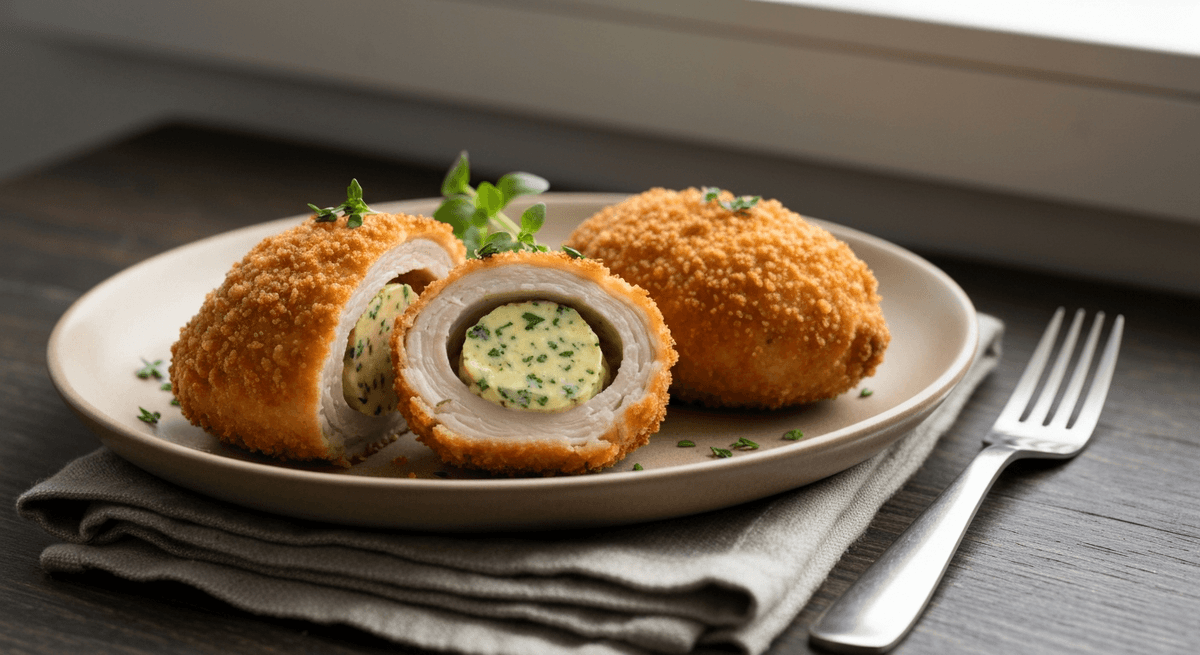
Chicken Kiev — Butter Stuffed
Crispy, golden crust gives way to a burst of savory garlic-herb butter. A culinary adventure in every bite.
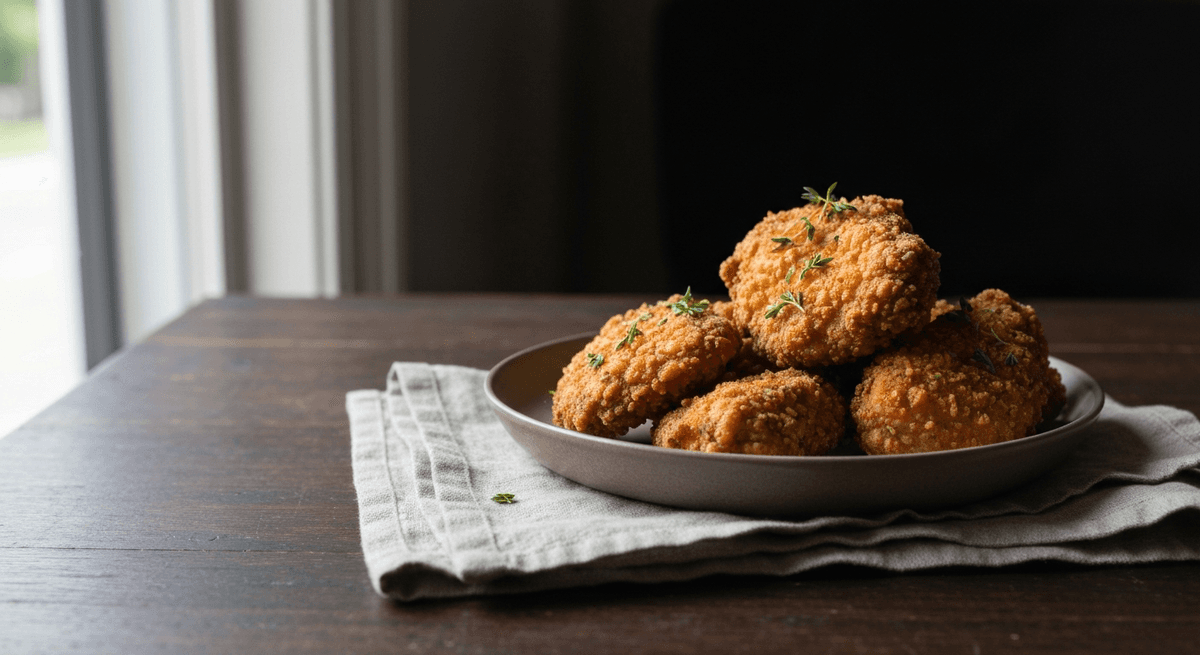
Fried Chicken — Double Dredge
Experience the ultimate crispy fried chicken with a double dredge technique. Buttermilk tenderizes the chicken while the coating creates a satisfying crunch.
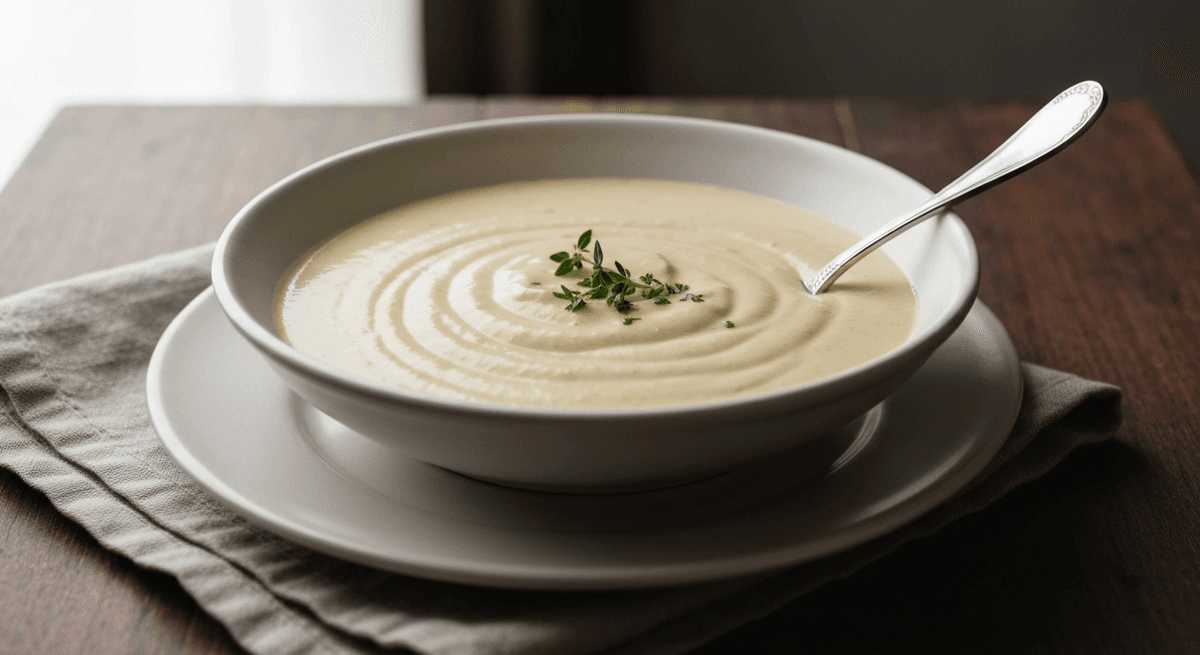
Chicken Velouté: A Silky Mother Sauce
Unlock the secrets of classic French cuisine with this velvety chicken velouté. A versatile mother sauce that elevates any dish.