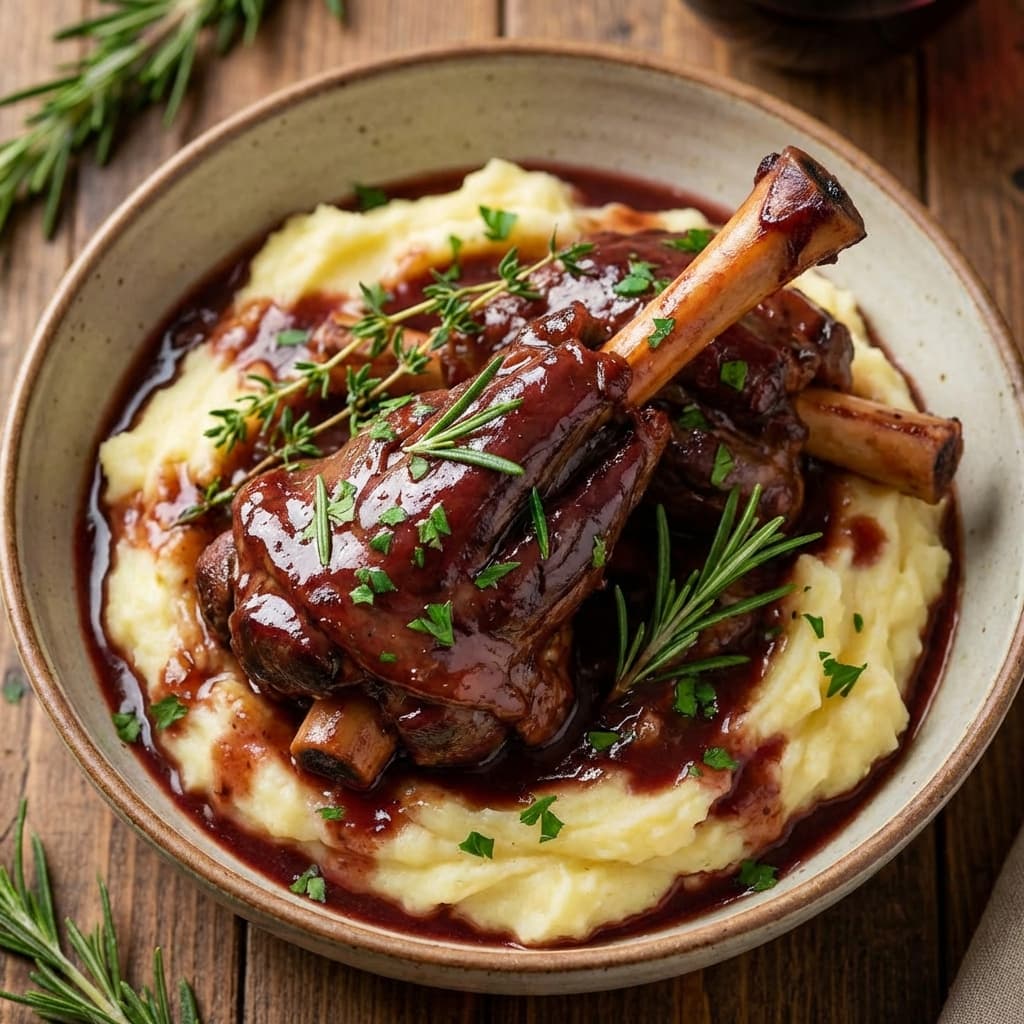
Braised Lamb Shanks
Tough meat turned to butter by time and liquid.
Tough meat turned to butter by time and liquid. The shank is the shin.
The shank is the shin
The fit, timing, and key move are all here. If it is a yes, go straight into cook mode.
Tough meat turned to butter by time and liquid.
Timing note: 3 hours
Set your units, then drop the ingredients into grocery if this is happening later.
What matters before the pan gets hot
The shortest path to understanding the dish, the key move, and whether tonight is the right time to cook it.
The Hook
This ain't no quick sear. The shank's the shin, built for work, not speed. You braise it, or you eat shoe leather. Simple.
The Technique
Collagen is your friend here, but only if you respect the clock. Slow heat at 300°F breaks down that tough connective tissue into gelatin. Too fast, it stays tough. Too slow, it disintegrates. Get it right, and the gelatin thickens your sauce naturally. Mess it up, and you've wasted good wine and stock.
The History
Forget the fancy French origins. Lamb shanks, like most braises, are peasant food born from necessity. Tough cuts, slow cooking, making something out of nothing. Middle Eastern, Mediterranean, European – it's all the same story: feed the people with what you've got, and make it taste like a miracle.
Food Facts
Sourced notes. Tap to verify.
Tough cuts feel chewy because they contain more collagen. With time and moist heat, collagen breaks down into gelatin, which is why braises and stews get richer the longer they cook.
Tough meat turned to butter by time and liquid. The shank is the shin.
Nutrition per Serving
Estimated valuesSatiety
Data estimatedTechnique, context, and fallback plans
The reason the method works, the prep you can do early, and what to change if the dish starts drifting.
The shank is the shin of the animal. It does all the heavy lifting, which means it is packed with tough connective tissue and collagen. You cannot grill this cut; if you try, it will be inedible leather. But if you give it time, liquid, and gentle heat, that toughness becomes its greatest asset.
Braising is the art of patience. Over three hours in the oven, the collagen slowly melts into gelatin, thickening the wine sauce naturally and turning the meat into something you can eat with a spoon. The marrow inside the bone dissolves, enriching the braise with a deep, mineral savoriness that stock alone can't replicate. It is a dish that tastes like time itself--rich, sticky, and profoundly comforting.
My lamb still feels a bit tough, not meltingly tender.
Ah, the lamb's still a bit resistant, you say? That's just the collagen needing a little more time to work its magic and break down. Don't worry, just pop it back in the pot for an…
There's a layer of fat on top of my sauce.
A little fat on top of the sauce? That's common with lamb. Just let the sauce settle for a moment. You'll see the oil rise. Then, gently skim that excess fat off with a ladle befor…
Watch the Technique
Video source: YouTube
Use this in Focus
Turn this nutrition profile into a week you can plan, shop, and actually cook.
Set up, cook, and remember what worked
The mise, the method, your notes, and the next recipes to master after this one lands.
The Setup
- Dutch Oven5-7 qt
- Tongs
- Chef's Knife
- Cutting Board
The Mise en Place
4Your prep station before cooking begins
The Protein (0/1)
The Braise (0/2)
Other (0/1)
Chef's Notes
Sear shanks until deeply browned on all sides for maximum flavor development.
Use a heavy-bottomed pot with a tight-fitting lid to ensure even braising and prevent moisture loss.
Serve over creamy polenta or mashed potatoes to soak up the rich braising liquid.
Braise ahead! Flavor deepens overnight. Skim fat before reheating gently on the stovetop.
THE SEAR
Salt shanks heavily. SEAR in oil until dark brown on all sides.
Why? Flavor. Gray meat tastes like boiled socks.
Overcrowding: Crowding steams instead of browning. Sear in batches and leave space.
THE BASE
Remove lamb. Sauté veg in the lamb fat. Add tomato paste (brown it). Deglaze with wine.
Overcrowding: Crowding steams instead of browning. Sear in batches and leave space.
Scorch risk: Tomato paste can blacken quickly. Keep it moving; if it burns, it will taste bitter.
THE SUBMERSION
Return lamb. Add stock until meat is 3/4 covered.
THE OVEN
Time-sensitiveCover tight. Braise at 300°F for 2.5 - 3 hours.
"Fork Tender." You should be able to pull the meat off the bone with a spoon.
THE GLAZE
Remove lamb. Boil the sauce aggressively until it coats a spoon. Pour over lamb.
Scorch risk: Reductions can go from perfect to burnt fast. Keep an eye on the bottom and stir if needed.
Service Log
Log your variables. Iterate like a pro.
Clean slate.
Log your variables after the first run.
Related Techniques
Master These Next
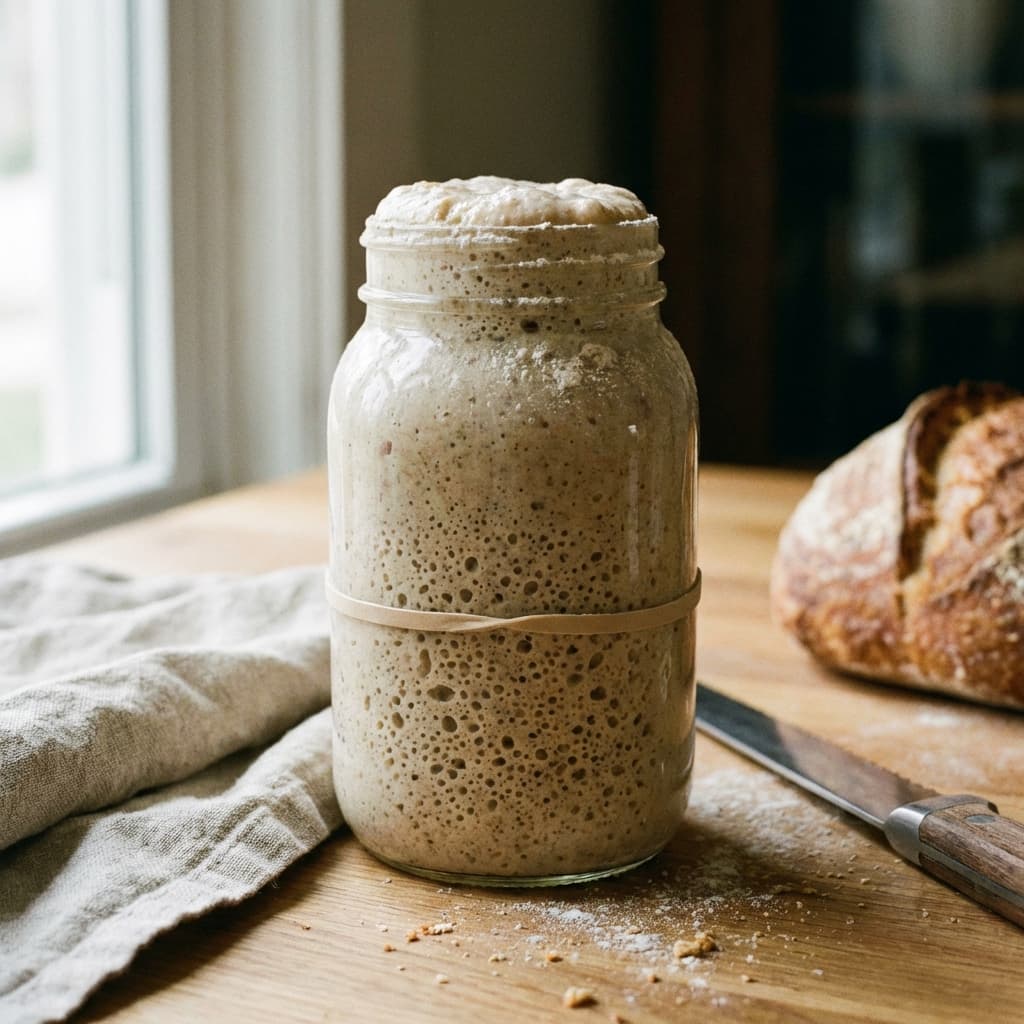
Sourdough Starter
A living culture you can keep alive with a jar, flour, and routine.
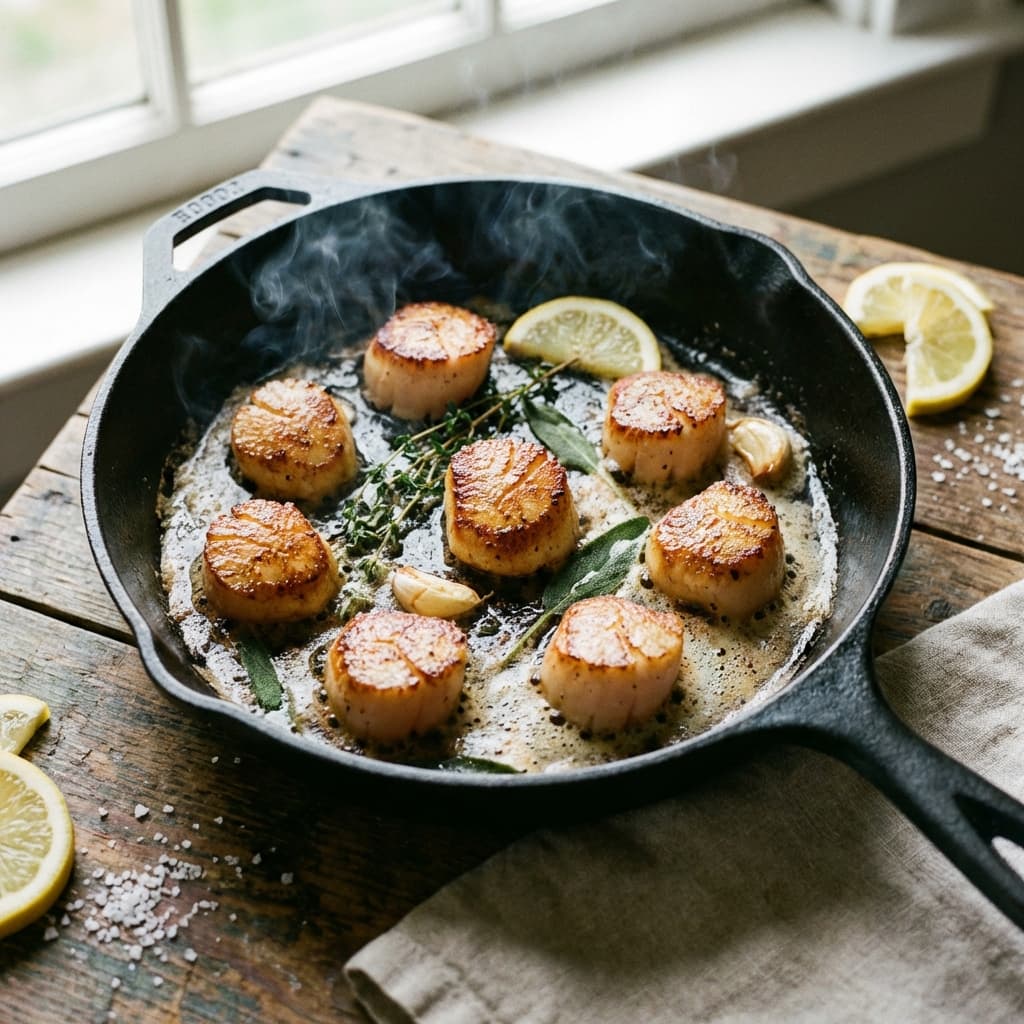
Seared Scallops
Golden crust, translucent center, sweet ocean candy.
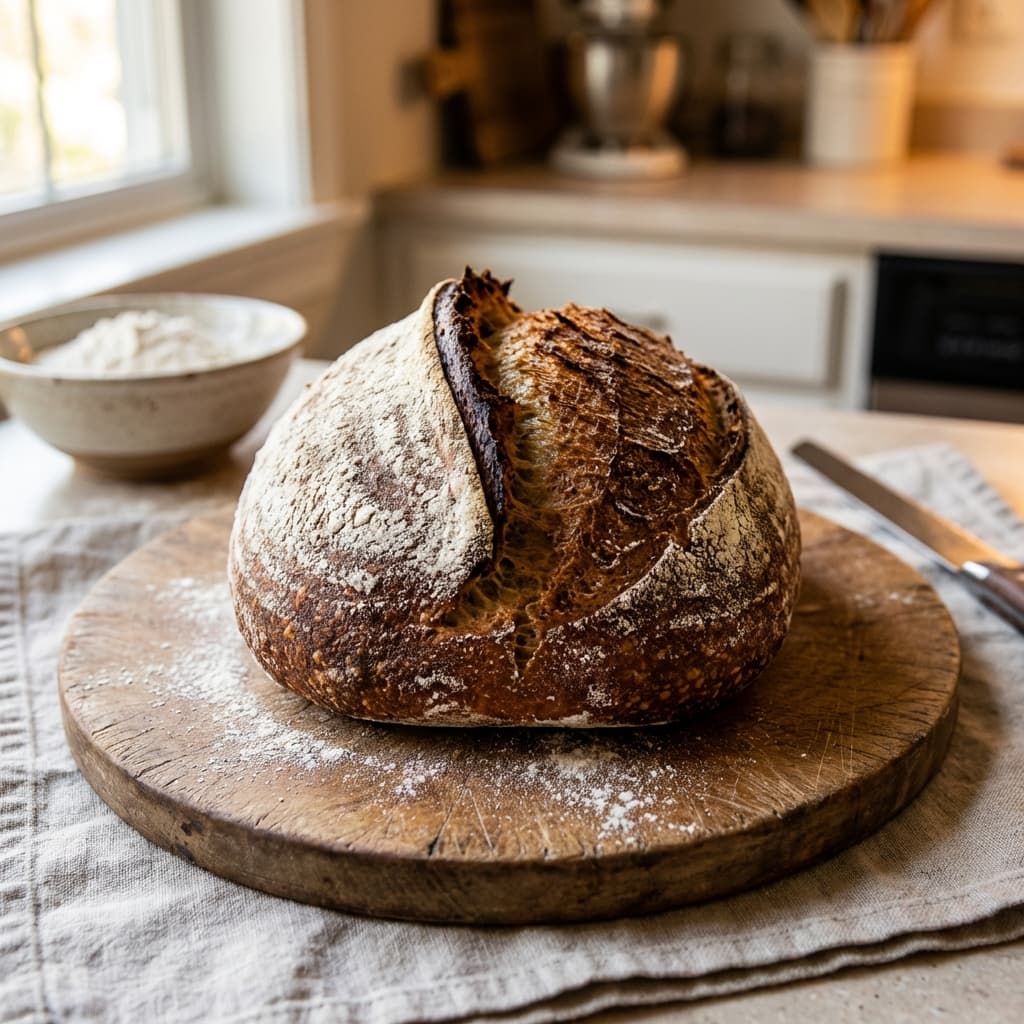
Sourdough Bread
Tamagotchi for adults: keeping a wild yeast colony alive.