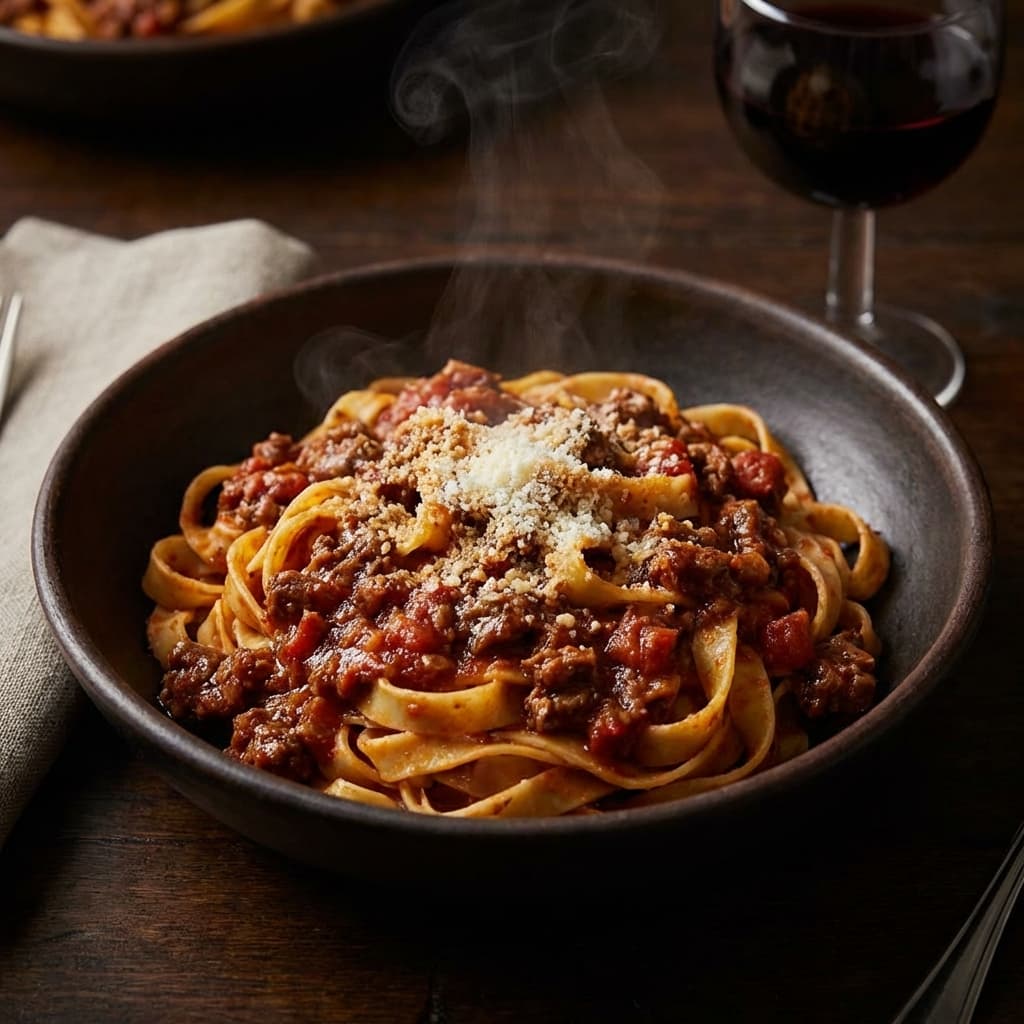
Bolognese (Ragù)
Meat sauce stewed in milk. Tomatoes are an afterthought.
Meat sauce stewed in milk. Tomatoes are an afterthought. If you make this in 30 minutes, you are making "Meat Sauce," not Ragù.
If you make this in 30 minutes, you are making "Meat Sauce," not Ragù
The fit, timing, and key move are all here. If it is a yes, go straight into cook mode.
Meat sauce stewed in milk. Tomatoes are an afterthought.
Timing note: 4 hours
Set your units, then drop the ingredients into grocery if this is happening later.
What matters before the pan gets hot
The shortest path to understanding the dish, the key move, and whether tonight is the right time to cook it.
The Hook
Thirty minutes? That's not ragù, that's sad, undercooked meat sauce. This is a slow burn, not a sprint.
The Technique
We start with milk to break down protein and tenderize. Then wine for acidity and deglazing, lifting those Maillard bits. Only then do we add a whisper of tomato. This slow hydrolysis transforms tough meat into gelatin-rich silk, a texture you can't rush.
The History
This isn't some weeknight miracle. True Ragù Bolognese hails from Bologna, Italy, a dish so serious it got an official registration. Forget your quick versions; this is about patience and tradition, a slow-cooked masterpiece that respects the ingredients.
Food Facts
Sourced notes. Tap to verify.
Tough cuts feel chewy because they contain more collagen. With time and moist heat, collagen breaks down into gelatin, which is why braises and stews get richer the longer they cook.
Meat sauce stewed in milk. Tomatoes are an afterthought. If you make this in 30 minutes, you are making "Meat Sauce," not Ragù.
Nutrition per Serving
Estimated valuesSatiety
Data estimatedTechnique, context, and fallback plans
The reason the method works, the prep you can do early, and what to change if the dish starts drifting.
Forget the quick weeknight "meat sauce" – true Ragù Bolognese is a labor of love, a testament to patience born in the heart of Bologna, Italy. It's a dish so revered, its official recipe was registered in 1982. The magic lies in its slow transformation. We begin not with tomatoes, but with a generous bath of whole milk, coaxing the ground beef and pork into unparalleled tenderness. This isn't just about softening meat; it's about creating a foundation for the deep, savory flavors to come.
Only after this initial tenderizing does the wine, then a whisper of tomato, enter the fray. This deliberate layering allows the meat to break down completely, creating a rich, complex sauce that clings, rather than slides. Serving this masterpiece with delicate spaghetti is a culinary misstep, a "tourist trap." The true revelation is pairing it with wide ribbons of tagliatelle, each groove perfectly designed to cradle the luxurious, slow-cooked ragù. This is not a sauce; it is a story stewed to perfection.
My ragù tastes a bit sharp or sour.
That usually means the wine and tomatoes needed a little more time to cook down.
There's a layer of grease on top.
Ah, the pork fat decided to take a little vacation. You can either gently skim that off the top with a spoon if you prefer a leaner finish, or stir it back in with some gusto. Reme…
Watch the Technique
Video source: YouTube
Use this in Focus
Turn this nutrition profile into a week you can plan, shop, and actually cook.
Set up, cook, and remember what worked
The mise, the method, your notes, and the next recipes to master after this one lands.
The Setup
- Dutch Oven5-7 qt
- Chef's Knife
- Cutting Board
- Wooden Spoon
The Mise en Place
4Your prep station before cooking begins
The Protein (0/1)
The Braise (0/1)
Other (0/2)
Chef's Notes
Low and slow is key. Simmer uncovered for the last hour to thicken and deepen flavor.
Don't rush the browning of the meat and soffritto. This builds the foundational flavor.
Serve with wide pasta like pappardelle or tagliatelle to catch the rich sauce.
A sprinkle of fresh parsley or basil adds a bright contrast to the deep flavors.
THE SWEAT
Cook soffritto (200 g) in butter until soft and sweet. Do not brown.
THE BROWN
Add meat. Cook until raw color is gone, but do not crisp it like a taco filling. We want soft meat.
Overcrowding: Crowding steams instead of browning. Sear in batches and leave space.
THE MILK
ADD milk (1 cup). Simmer until it completely evaporates.
Why? The lactic acid breaks down the meat fibers.
THE WINE
Time-sensitiveADD wine. Simmer until it completely evaporates.
Sniff the pot. The alcohol smell should be gone.
Sniff the pot. The alcohol smell should be gone.
THE STEW
Time-sensitiveAdd tomatoes and broth. Simmer on very low heat for 3+ hours.
⚠️ If it gets too dry, add a splash of water. It should be loose and glossy, not a solid brick.
Service Log
Log your variables. Iterate like a pro.
Clean slate.
Log your variables after the first run.
Master These Next
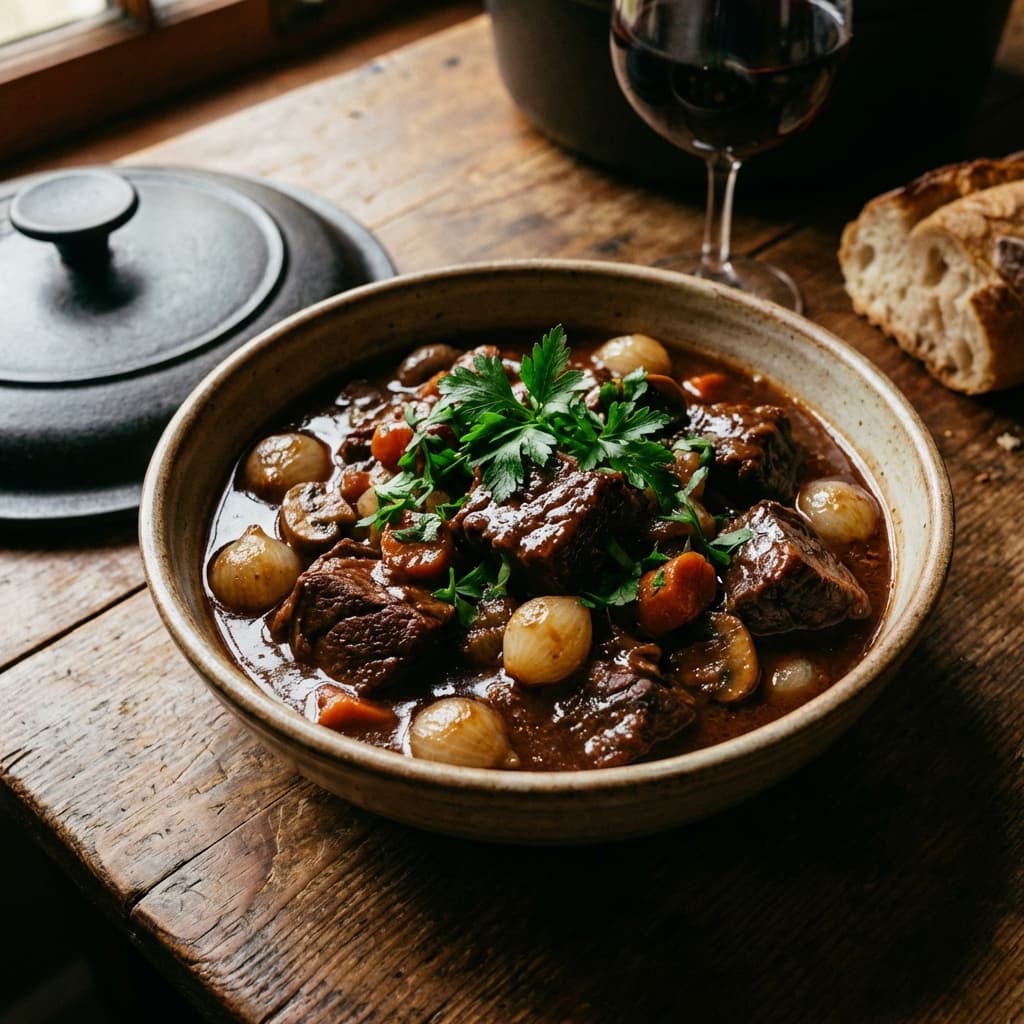
Boeuf Bourguignon
Beef braised in wine until it can be eaten with a spoon.
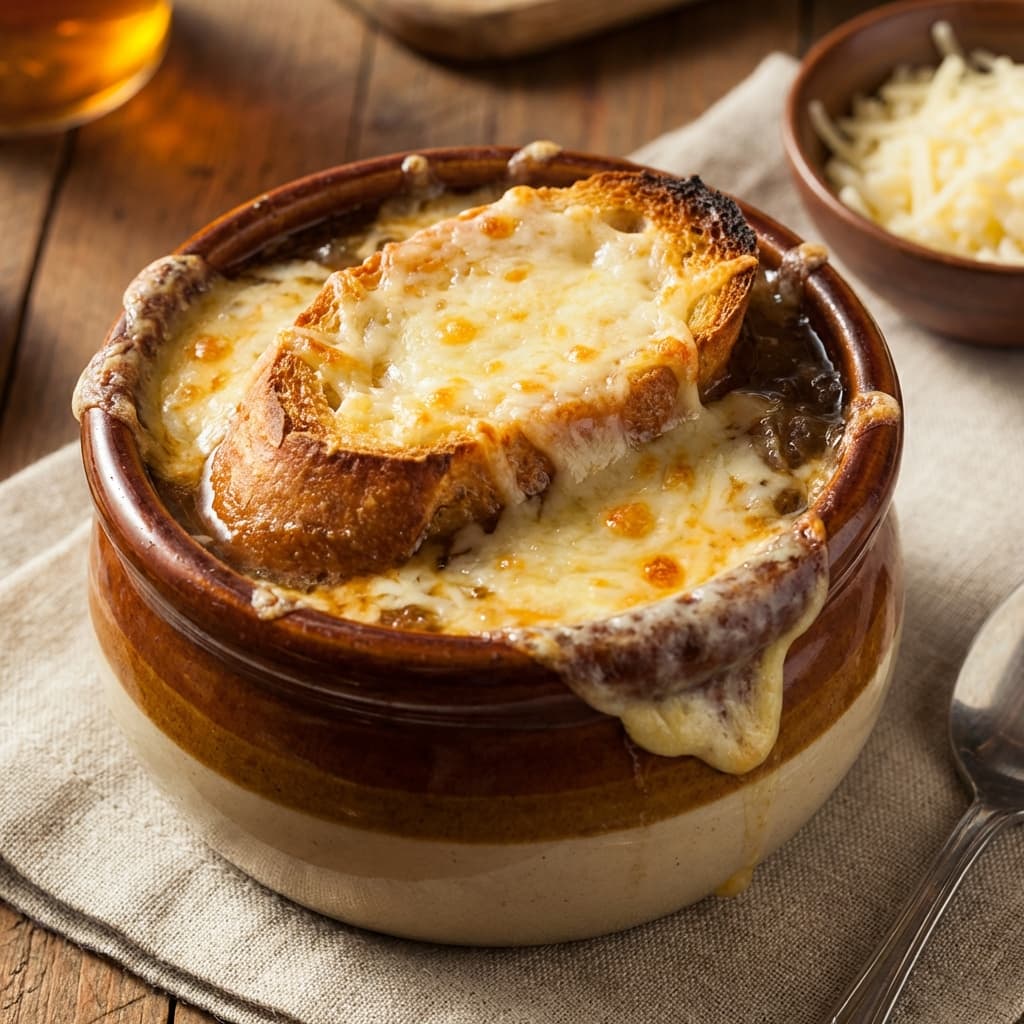
French Onion Soup
Onions tortured into brown jam, topped with cheese lava.
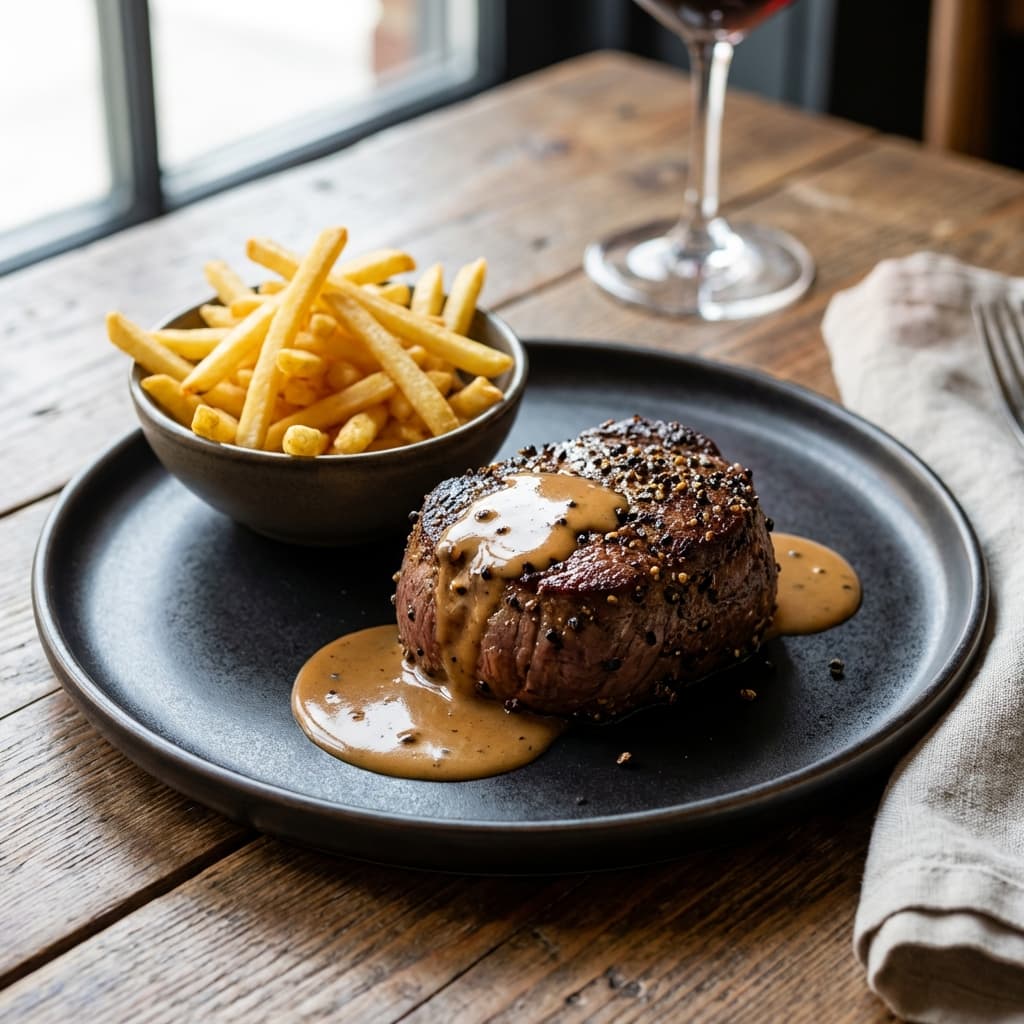
Steak au Poivre
Crusted beef, cognac flames, creamy pepper sauce.