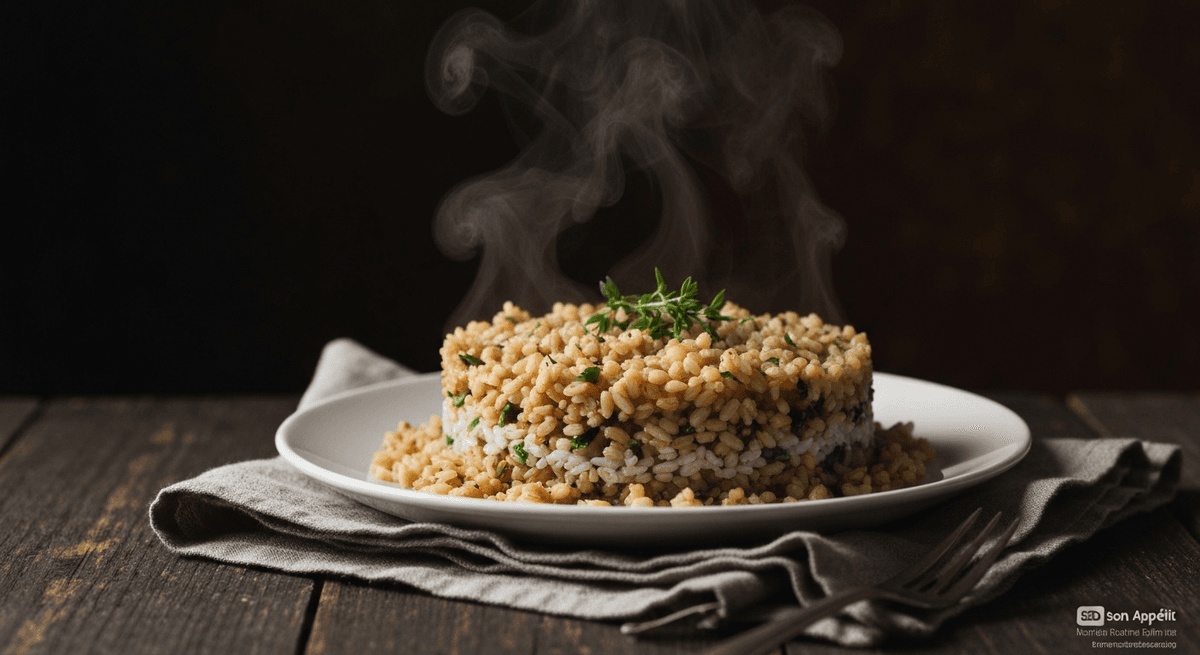
Whole Grain Batch Cook (Reheat Rules + Texture Map)
Batch-cook whole grains once and reheat them like they were freshly made. Texture rules that actually work.
A simple system for batch-cooking whole grains and reheating them without dryness or mush: water ratios, resting, and reheat rules.
Salt the cook water, rest covered, then reheat with a splash of water and steam--texture is moisture management.
The fit, timing, and key move are all here. If it is a yes, go straight into cook mode.
Batch-cook whole grains once and reheat them like they were freshly made. Texture rules that actually work.
Timing note: 10 mins
Set your units, then drop the ingredients into grocery if this is happening later.
What matters before the pan gets hot
The shortest path to understanding the dish, the key move, and whether tonight is the right time to cook it.
The Hook
Your grains are dry because you treat them like sawdust. Reheat them like food, you morons. Add water, cover, and steam.
The Technique
Cooling causes starch retrogradation, making grains hard. Reheating without moisture just bakes them further. A splash of water and steam reverses this, rehydrating the starches gently. It's basic moisture management, not rocket science, but it separates the pros from the amateurs.
The History
This isn't some ancient secret. It's a practical, no-bullshit method for making whole grains edible after they've been sitting around. Forget the romantic notions; this is about surviving the line, turning yesterday's batch into today's fuel without making it taste like cardboard.
Food Facts
Sourced notes. Tap to verify.
Fermentation uses microorganisms to transform foods, often improving shelf life, flavor, and texture. It is one of the oldest food-processing techniques.
A simple system for batch-cooking whole grains and reheating them without dryness or mush: water ratios, resting, and reheat rules.
Nutrition per Serving
Estimated valuesTechnique, context, and fallback plans
The reason the method works, the prep you can do early, and what to change if the dish starts drifting.
Whole grains, the bedrock of a nourishing diet, often fall short not because of their inherent toughness, but because they're relegated to an afterthought. Too often, they're cooked with a careless hand—lacking salt, drowning in the wrong water ratio, or worse, reheated into a desiccated husk. This isn't a failure of the grain; it's a failure of understanding its potential.
The true magic lies in a simple, repeatable system: cook them with intention, store them with care, and reheat them with respect. This approach transforms them from a bland side dish into a dependable foundation, capable of being restored to a texture that rivals their initial perfection. It’s about moisture management, a nuanced technique often overlooked in the rush of daily life.
When a grain reheats dry, it's a sign that it was treated as mere leftovers, not as food deserving of a second life. The chef's wisdom is clear: add moisture, cover, and allow the steam to work its restorative magic. This is how we build a real-food pyramid that truly sticks—with bases that are consistently delicious and satisfying, fulfilling their promise of wholesome goodness.
My reheated grains are feeling a bit dry.
That happens when the steam escapes too quickly. Try adding just a teaspoon of water at a time, cover it right back up, and let it steam again. A tiny drizzle of oil at the end wil…
These grains are too mushy, almost gummy.
You likely added a touch too much water, or they steamed a bit too long.
Set up, cook, and remember what worked
The mise, the method, your notes, and the next recipes to master after this one lands.
The Setup
- Airtight Containers2-cup
- Microwave or Covered Pan
The Mise en Place
3Your prep station before cooking begins
Baseline (0/2)
Optional (0/1)
Chef's Notes
Texture map: brown rice (fluffy with rest), quinoa (rinse well), farro/barley (chewy, forgiving). Use the same steam reheat rule for all.
SALT
Always salt your grain water (1 cup). If it tastes bland in the pot, it will be bland in the bowl.
Grains absorb seasoning as they hydrate—this is your only chance to season internally. • Salt fully dissolved
Cook water tastes lightly seasoned
REST
Prep aheadRest covered 10 minutes after cooking (most grains). Then fluff. Rest is what sets texture.
Covered rest uses residual steam to finish hydration evenly. • No wet sheen on top after rest • Steamy grain aroma
Grains separate when fluffed
STORE
Prep aheadCool grains quickly, then refrigerate in airtight containers. For best texture, store in 2-cup portions.
Cooling uncovered prevents condensation that makes grains soggy. • Room-temp grains before sealing
Grains cooled and not trapped in steam
REHEAT
Reheat rule: add 1 tbsp water (1 cup) per 1 cup cooked grain, cover, and steam in microwave 60-90 seconds (or in a covered pan 3-5 minutes).
Steam restores texture. Dry reheats create dry grains. • Steam present; grains loosen when stirred • Steamy warmth
Grain is hot and softened without mush
Service Log
Log your variables. Iterate like a pro.
Clean slate.
Log your variables after the first run.
Related Techniques
Master These Next

Red Curry Lentils with Sweet Potatoes
A stew that eats like a meal. The lentils thicken the curry.
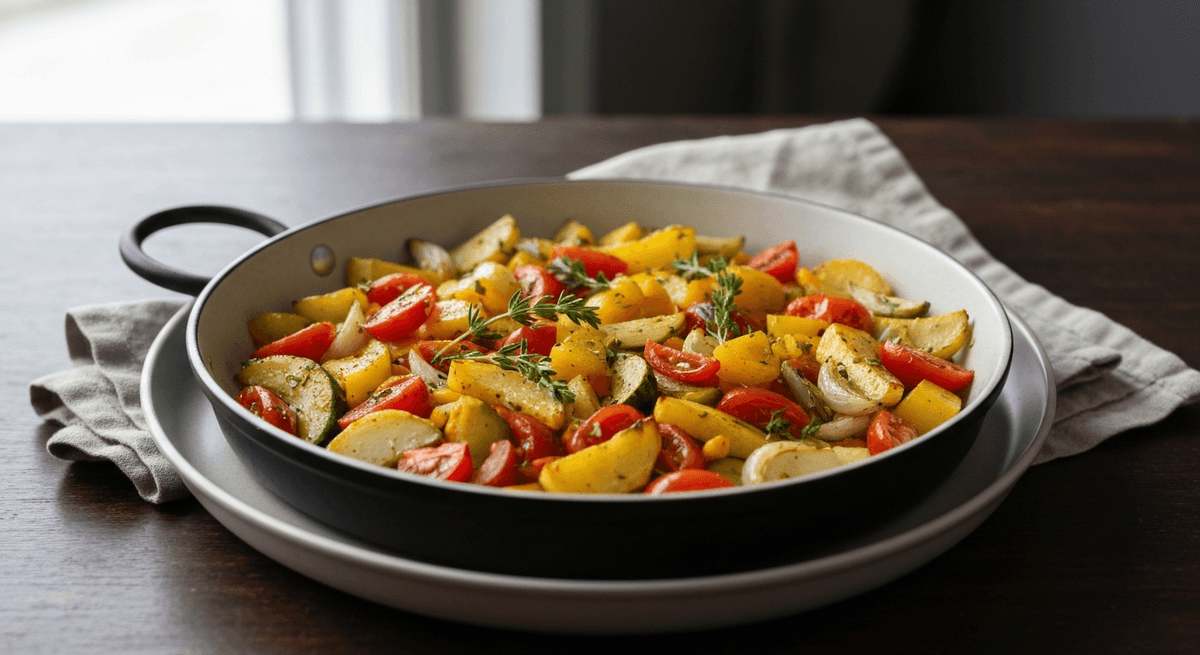
Roasted Vegetable Timing Map
The cheat sheet for roasting mixed vegetables without guesswork: order, timing, and cues that prevent sogginess.

Fish Doneness Targets
The cheat sheet for moist fish: doneness targets, cues, and what 'done' actually looks like.