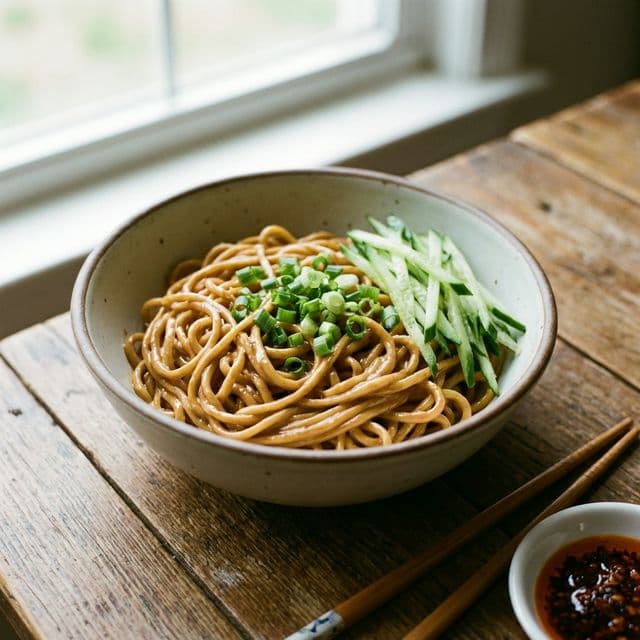
Takeout-Style Sesame Noodles
Cold noodles, hot sauce. Peanut butter and sesame paste sludge.
Master cold emulsion technique with NYC takeout classic. Sesame paste and peanut butter create velvet coating for rinsed noodles in 15 minutes.
This is the dish that defined NYC takeout. It balances the bitterness of sesame paste (tahini) with sweetness of sugar and fat of peanut butter. It's a sludge sauce—it looks too thick until pasta water loosens it into velvet coating. Cold noodles require rinsing to stop cooking and remove excess starch.
The fit, timing, and key move are all here. If it is a yes, go straight into cook mode.
Cold noodles, hot sauce. Peanut butter and sesame paste sludge.
Timing note: 15 mins
Set your units, then drop the ingredients into grocery if this is happening later.
What matters before the pan gets hot
The shortest path to understanding the dish, the key move, and whether tonight is the right time to cook it.
The Hook
This works because it balances bitterness (sesame paste), sweetness (sugar), salt (soy), acid (vinegar), fat (peanut butter), and heat (chili oil). That's a complete flavor profile in one bowl. The rinsing is critical—without it, you get a clumpy mess.
The Technique
Peanut butter contains lecithin (a natural emulsifier from peanuts) which stabilizes the emulsion between the sesame paste's oils and the added water. Rinsing noodles gelatinizes the surface starch, preventing them from sticking together as they cool.
The History
NYC (Hwa Yuan Restaurant, 1970s). Popularized by Sam Sifton and attributed to Shorty Tang, the chef who created it.
Food Facts
Sourced notes. Tap to verify.
An emulsion is a stable mixture of two liquids that normally do not mix, like oil and water. Many dressings and sauces rely on emulsifiers and whisking to hold that texture.
A simmer uses lower agitation than a full boil, helping keep proteins tender and broths clearer while still cooking food through.
Master cold emulsion technique with NYC takeout classic. Sesame paste and peanut butter create velvet coating for rinsed noodles in 15 minutes.
Nutrition per Serving
Estimated valuesSatiety
Data estimatedTechnique, context, and fallback plans
The reason the method works, the prep you can do early, and what to change if the dish starts drifting.
This is the dish that defined NYC takeout. It was created at Hwa Yuan restaurant in Chinatown in the 1970s and spread across every Chinese restaurant in the city.
The genius is the sauce. It starts as a sludge—sesame paste (tahini), peanut butter, soy sauce, sugar, vinegar, and chili oil whisked together into a paste so thick you think you've messed up. But then you add hot water, one tablespoon at a time, and it transforms into a smooth, pourable cream. This is a cold emulsion, similar to making aioli or Caesar dressing.
The peanut butter acts as the emulsifier. Its natural oils and proteins bind the water and sesame paste together, creating a stable sauce that clings to noodles instead of pooling at the bottom of the bowl.
The second trick is rinsing the noodles. In Italian cooking, we never rinse pasta because the surface starch helps sauce cling. But cold Asian noodles are different. If you don't rinse them, the excess starch causes them to clump into a solid brick. Rinsing stops the cooking, removes the starch, and cools them down so the sauce doesn't break.
The result is cold noodles coated in a nutty, sweet, spicy, tangy sauce that hits every flavor note.
Sauce is gluey?
You didn't add enough hot water to thin the peanut butter. Add more water, 1 tablespoon at a time, whisking vigorously until it loosens into a pourable sauce.
Noodles are a solid block?
You didn't rinse them enough, or you waited too long to toss them.
Set up, cook, and remember what worked
The mise, the method, your notes, and the next recipes to master after this one lands.
The Setup
- Large Pot6-8 qt·For boiling noodles
- WhiskFor emulsifying sauce
The Mise en Place
5 of 11Your prep station before cooking begins
The Sauce (0/7)
Chef's Notes
Make the sauce ahead and keep it in the fridge for up to a week.
The sauce will thicken in the fridge. Thin with warm water before using.
Top with shredded chicken, edamame, or a fried egg for extra protein.
WHISK
Prep aheadIn a large bowl, whisk together sesame paste (¼ cups), peanut butter, soy sauce (3 tbsp), sugar (2 tbsp), vinegar, and chili oil (2 tbsp). The mixture will seize up and look like cement. This is normal—it's a sludge at this stage.
Don't panic when it looks too thick—that's expected • Thick, tan-brown paste that looks too thick to use • Strong sesame and peanut aroma
Sauce is thick paste, fully combined
THIN
Prep aheadAdd hot water (¼ cups), 1 tablespoon at a time, whisking constantly. Keep adding and whisking until the sauce transforms into a pourable cream. It should ribbon off the whisk smoothly.
Add water gradually. Too much at once and it won't emulsify. • Creamy tan sauce that ribbons off whisk
Sauce is pourable and smooth
BOIL
Bring a large pot of salted water to a boil. Cook noodles according to package directions until al dente. Drain.
Salt the water well—noodles absorb flavor here • Tender noodles with slight bite
Noodles are cooked but still firm
RINSE
Time-sensitivePrep aheadRinse noodles under cold running water until completely cool to the touch. Shake dry thoroughly in the colander. If you don't dry them, the sauce will slide off.
Unlike Italian pasta, Asian cold noodles must be rinsed to remove starch • Cool noodles that don't stick together • Noodles feel cool and dry, not slippery
Noodles are cold and dry
TOSS
Add noodles to the bowl with the sauce. Toss vigorously with tongs or chopsticks until every strand is coated. Drizzle with sesame oil (1 tbsp) and toss again.
Get in there with your hands if needed—every strand should be coated • Glossy tan noodles with no dry spots
Noodles are evenly coated in sauce
SERVE
Top with scallions (3 whole) and cucumber (1 medium). Serve at room temperature or cold.
These improve after sitting 30 mins—flavors meld • Tan noodles topped with green scallions and pale cucumber
Noodles are glossy, garnished, ready
Service Log
Log your variables. Iterate like a pro.
Clean slate.
Log your variables after the first run.
Master These Next
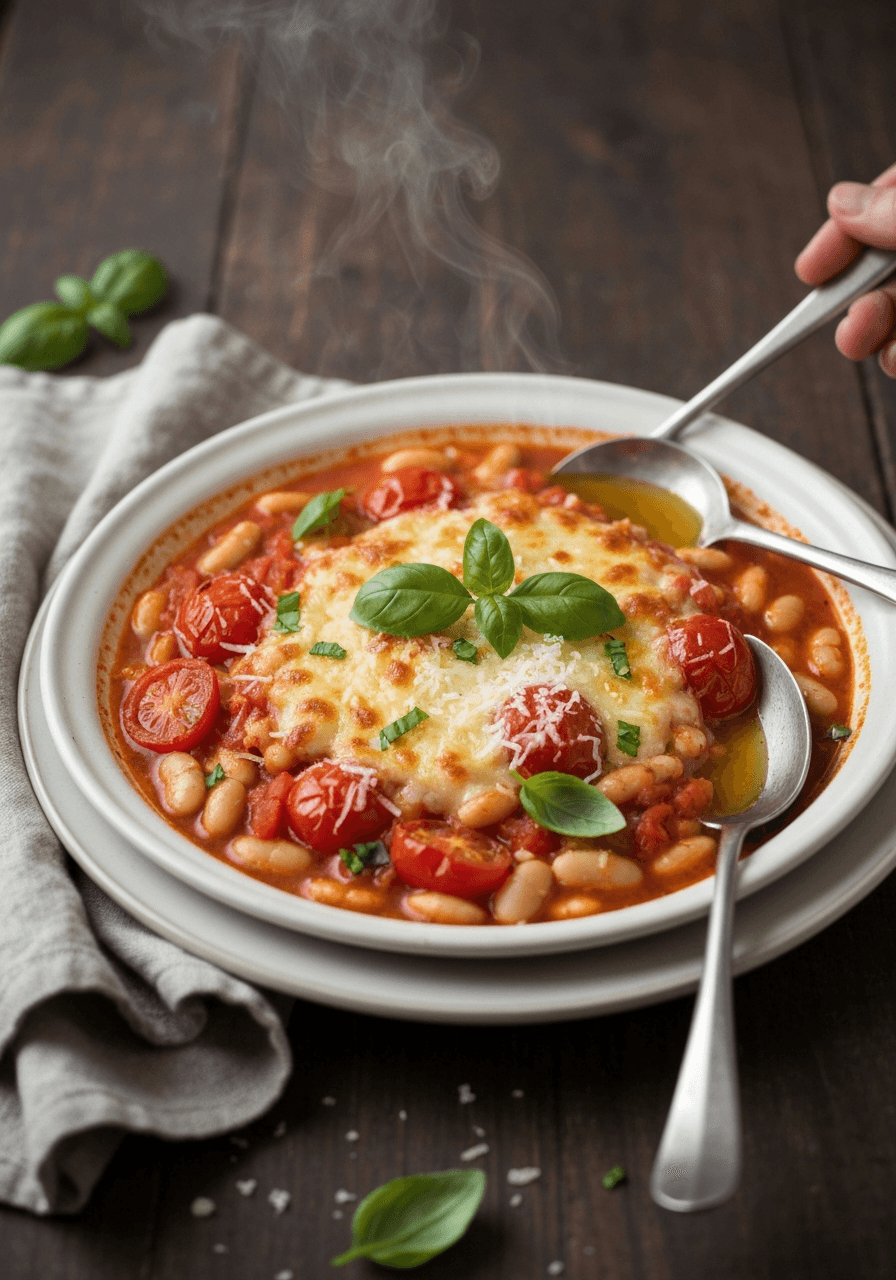
Roasted Tomato & White Bean Stew
Pizza Beans. Crispy cheese, bursting tomatoes, zero effort.
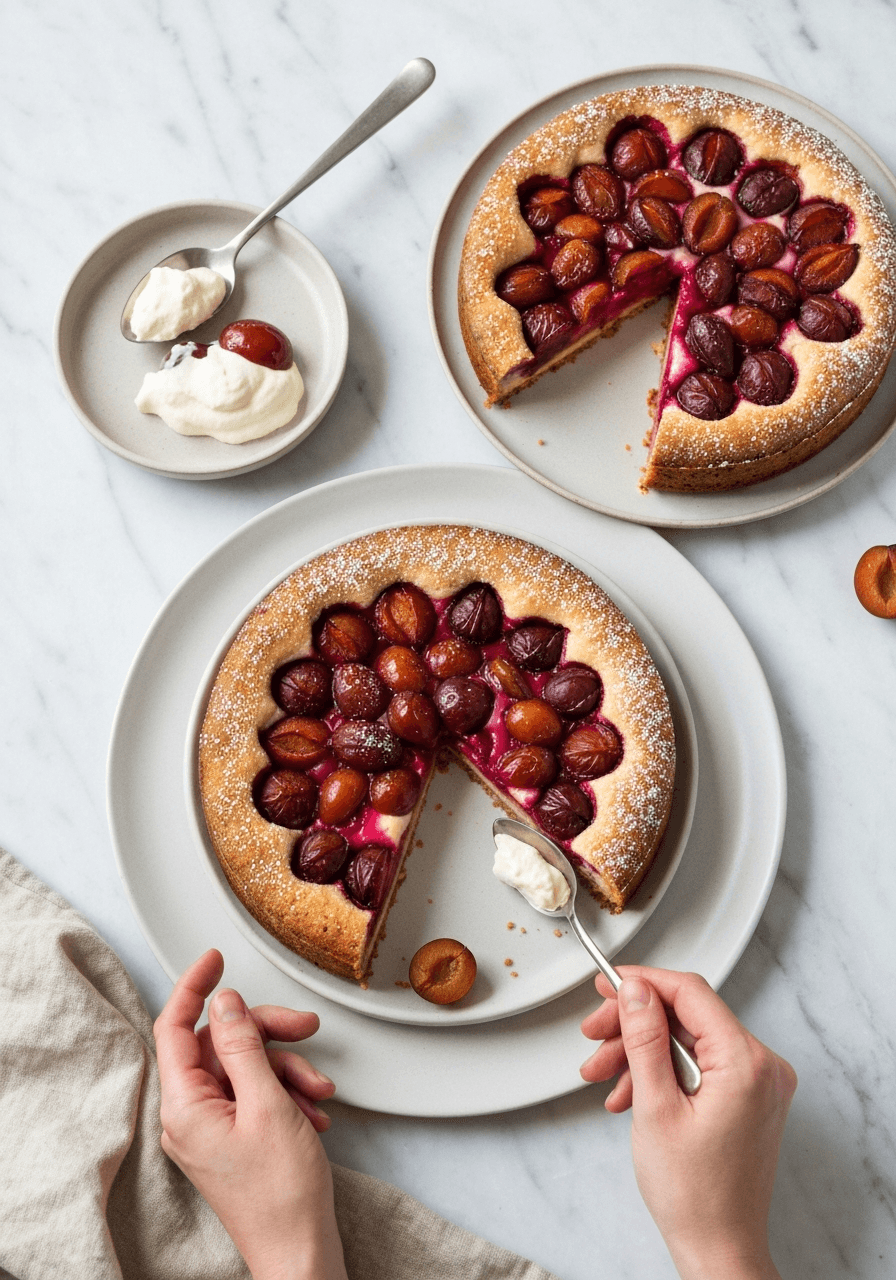
Original Plum Torte
The most published recipe in history. Fruit sinks, batter rises.
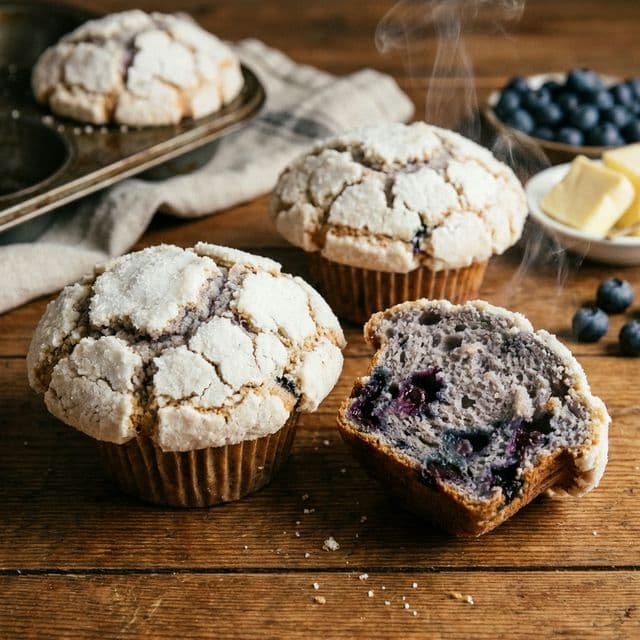
Jordan Marsh Blueberry Muffins
The department store legend. Mash half the berries, keep half whole.