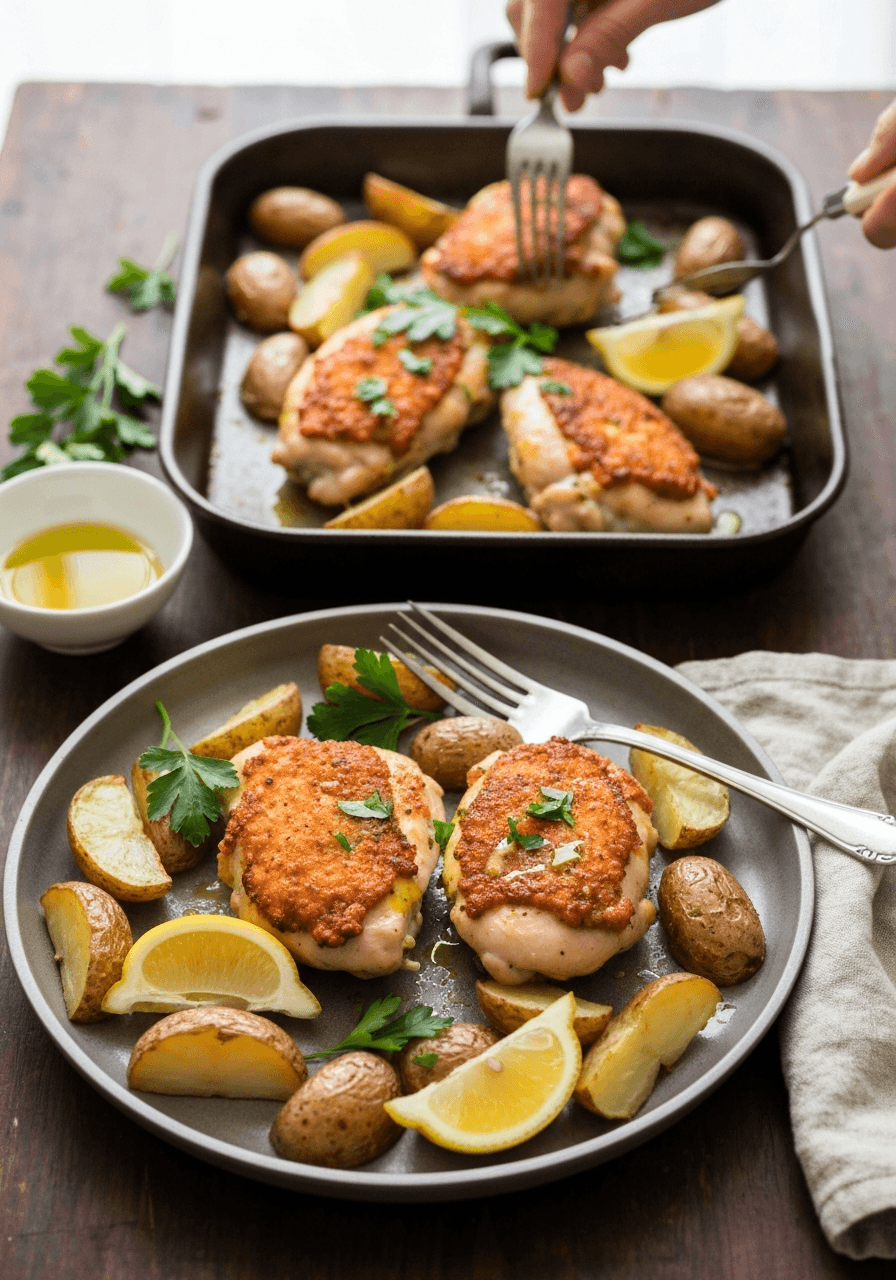
Sheet-Pan Chicken & Potatoes
Schmaltz-roasted potatoes and crispy chicken. One pan.
Learn proper spacing and rendered fat technique with sheet-pan chicken. Chicken thighs drip schmaltz onto potatoes, creating crispy skin and golden vegetables w
Spacing is everything. Crowding causes steaming. Give ingredients room to breathe, and use chicken thighs (self-basting) placed between potatoes so dripping fat fries the garnish.
The fit, timing, and key move are all here. If it is a yes, go straight into cook mode.
Schmaltz-roasted potatoes and crispy chicken. One pan.
Timing note: 60 mins
Set your units, then drop the ingredients into grocery if this is happening later.
What matters before the pan gets hot
The shortest path to understanding the dish, the key move, and whether tonight is the right time to cook it.
The Hook
Most home cooks fail at sheet pan dinners because they don't understand heat transfer. Crowding causes steaming. Proper spacing and fat placement (chicken on top dripping onto vegetables) creates actual roasting—the Maillard reaction that makes food taste good.
The Technique
Chicken fat (schmaltz) has a smoke point around 375°F, making it perfect for high-heat roasting. As the fat renders from the skin, it drips onto the potatoes, creating a frying effect that browns and crisps them. This is the same principle as confit—cooking in fat—but uses the meat's own rendered fat instead of added oil.
The History
Modern American home cooking, popularized by Melissa Clark and Sam Sifton in various NYT recipes emphasizing proper roasting technique.
Food Facts
Sourced notes. Tap to verify.
A sheet-pan dinner leans on a baking sheet as a wide, hot surface so ingredients roast in a single layer. Spacing matters: crowding traps steam, while airflow helps browning.
Food continues to cook for a few minutes after leaving heat because stored heat moves inward. Pulling proteins just before final doneness prevents overcooking.
Learn proper spacing and rendered fat technique with sheet-pan chicken. Chicken thighs drip schmaltz onto potatoes, creating crispy skin and golden vegetables w
Nutrition per Serving
Estimated valuesSatiety
Data estimatedTechnique, context, and fallback plans
The reason the method works, the prep you can do early, and what to change if the dish starts drifting.
The 'sheet pan dinner' is usually a lie. Most recipes tell you to dump everything on a pan and roast it together, which sounds great until you realize that vegetables release water. If you crowd the pan, that water has nowhere to go. Instead of roasting, you're steaming—and steamed chicken skin is a tragedy.
This recipe works because it respects physics. First, spacing: you give the ingredients room to breathe so moisture can evaporate instead of pooling. Second, schmaltz: by placing chicken thighs skin-side up between (not on top of) the potatoes, the rendered fat drips down and fries the vegetables. It's self-basting genius.
Chicken thighs are non-negotiable here. Breasts are lean, so they dry out at high heat. Thighs have fat marbled throughout, which keeps them juicy even when blasted at 425°F. The skin acts as a natural basting lid, protecting the meat while crisping up into a golden, crackling shell.
The lemon wedges roast alongside everything, their juices concentrating and caramelizing. At the end, you squeeze them over the chicken and potatoes for a bright, acidic punch that cuts through the richness of the schmaltz.
Potatoes are soggy, not crispy?
You crowded the pan. Next time, use two sheet pans or reduce the amount of vegetables. Airflow is essential for crispiness—no airflow means steaming.
Chicken skin is flabby and pale?
Oven wasn't hot enough, or you didn't dry the skin properly.
Use this in Focus
Turn this nutrition profile into a week you can plan, shop, and actually cook.
Set up, cook, and remember what worked
The mise, the method, your notes, and the next recipes to master after this one lands.
The Setup
- Rimmed Baking Sheet18x13 inch (half sheet)·Must have rimmed edges to catch fat
- Paper TowelsFor drying chicken skin
The Mise en Place
5 of 8Your prep station before cooking begins
The Seasoning (0/4)
Chef's Notes
Dry the chicken skin thoroughly—this is the single most important step for crispy skin.
If your oven has hot spots, rotate the pan halfway through cooking.
Serve with a simple green salad or crusty bread to soak up the pan juices.
PREHEAT
Preheat oven to 425°F (220°C).
High heat is mandatory for crispy skin
Oven is fully preheated
TOSS
On a large rimmed baking sheet, toss potatoes, garlic (6 cloves), lemon (1 whole) wedges, olive oil (3 tbsp), oregano, 1 tsp salt (2 tsp), and 1/2 tsp pepper. Spread in a single layer with space between pieces.
Crowding = steaming. Use two pans if needed • Single layer, not piled on top of each other
Potatoes are evenly coated and spread out
PLACE
Pat chicken thighs dry with paper towels. Season both sides with remaining salt (2 tsp) and pepper. Nestle chicken thighs skin-side up between the potatoes—not on top of them.
Dry skin is critical—wet skin steams instead of crisping • Chicken pieces spaced evenly, skin facing up
Chicken skin is dry, seasoned, placed between vegetables
ROAST
Time-sensitiveRoast for 40-45 minutes without moving anything. Do not stir or flip.
Don't open the oven—let the heat do its work undisturbed • Chicken skin is deep golden brown, potatoes are crispy at edges • Rich chicken fat and roasted potato aroma
Chicken skin is golden and crispy
BASTE
Remove pan from oven. Tilt pan slightly and use a spoon to drizzle the rendered chicken fat over the potatoes. Return to oven for 5-10 more minutes.
This schmaltz (chicken fat) fries the potatoes and adds incredible flavor • Golden rendered fat coating vegetables
Potatoes are glossy with chicken fat
TEST
Time-sensitiveCheck doneness: chicken should reach 165°F internal temperature, and skin should tap like a fingernail on a table when tested. If skin is still soft, crank heat to 450°F for final 5 minutes.
Flabby skin means not enough heat—boost temperature • Skin is dark golden, taut, and crispy • Skin makes a tapping sound when touched
Chicken is cooked through, skin is crispy
REST
Let rest 5 minutes before serving. Squeeze roasted lemon (1 whole) wedges over everything.
Resting allows juices to redistribute for moist meat • Pan juices are no longer bubbling
Juices have settled
Service Log
Log your variables. Iterate like a pro.
Clean slate.
Log your variables after the first run.
Master These Next
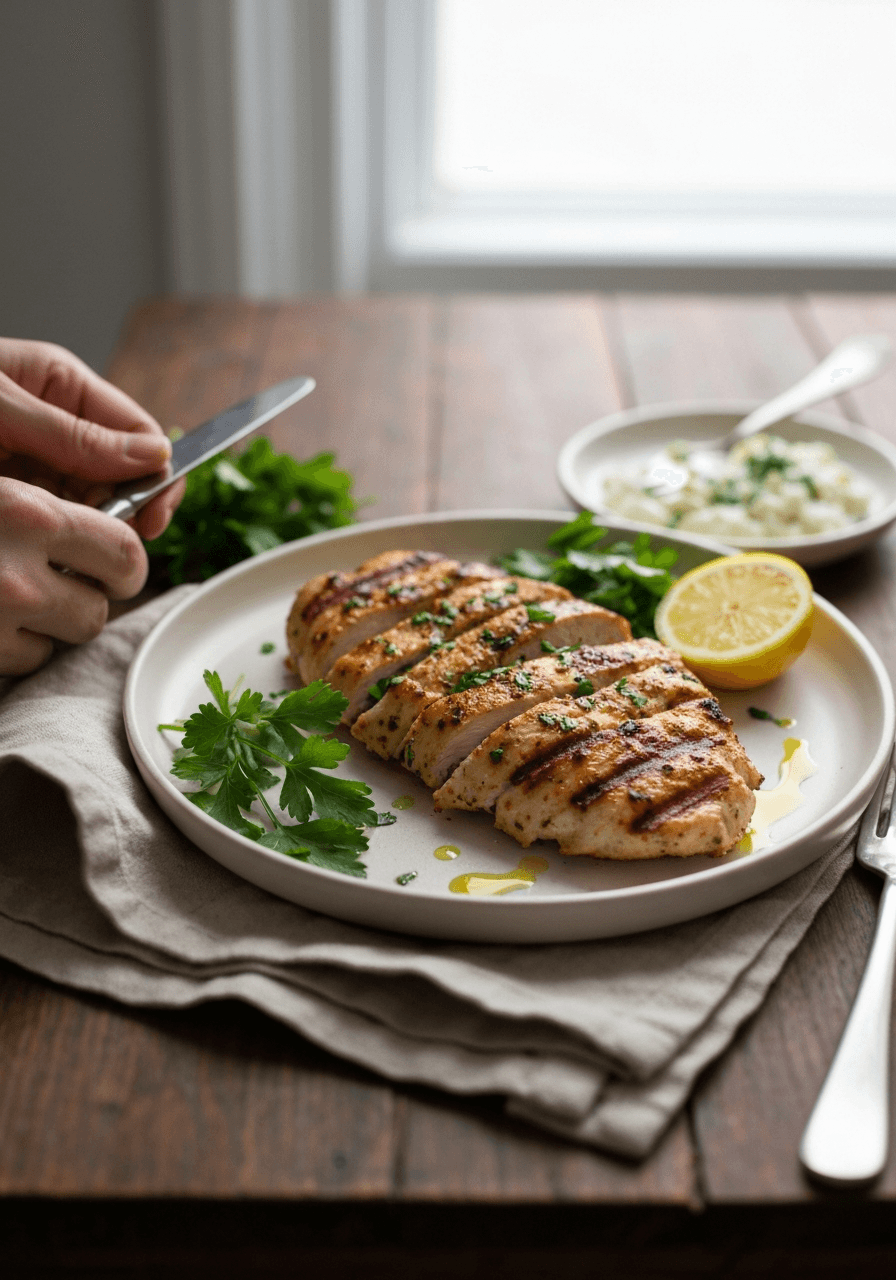
Oven-Roasted Chicken Shawarma
No spit required. Lemon, cumin, and a screaming hot oven.
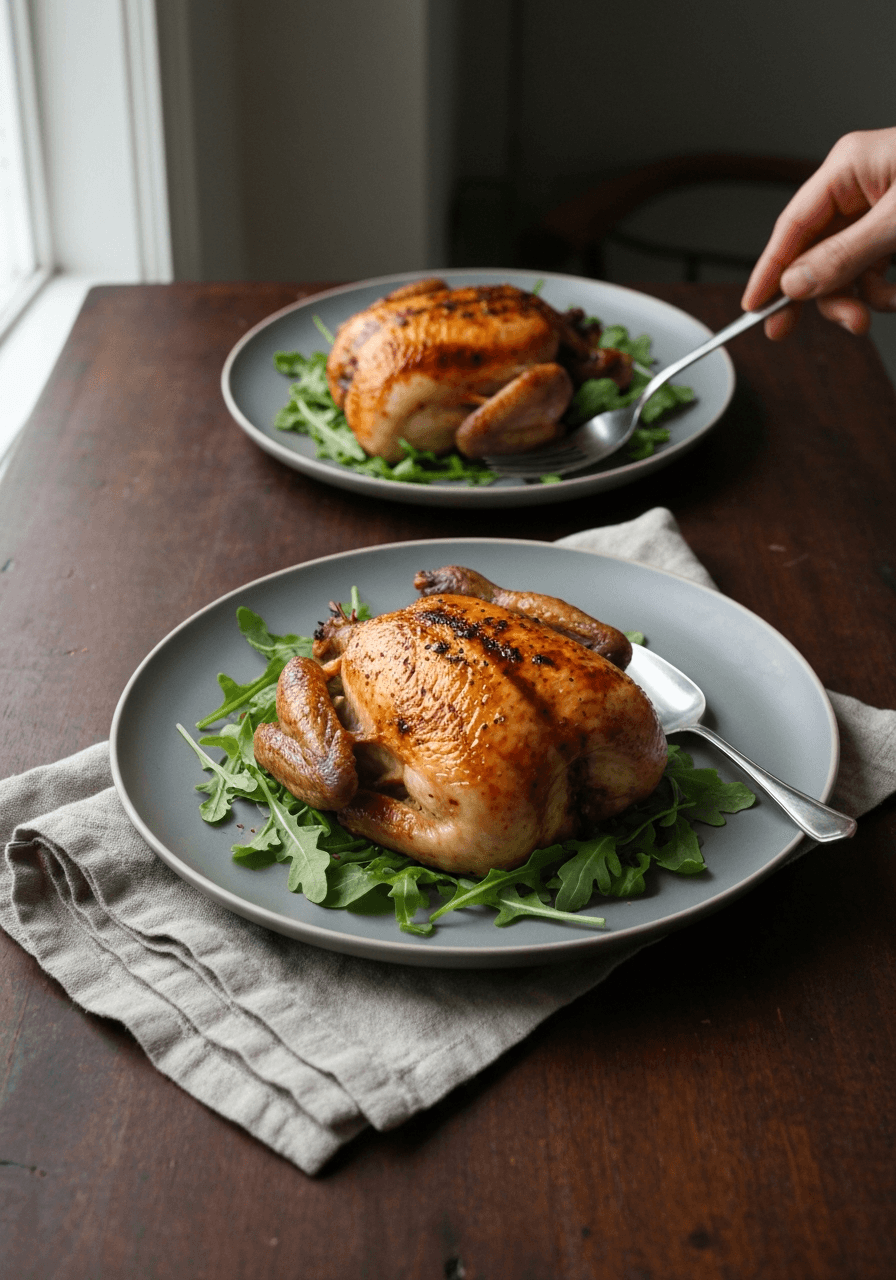
Zuni-Style Roast Chicken
Salt it 24 hours early. Small bird, high heat. The salad drinks the drippings.
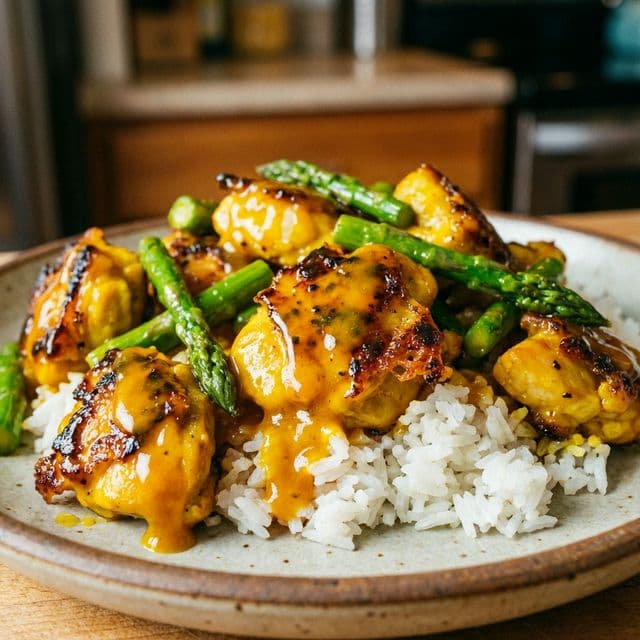
Turmeric-Black Pepper Chicken
Neon yellow, sticky, sweet, and spicy. The honey is the glue.