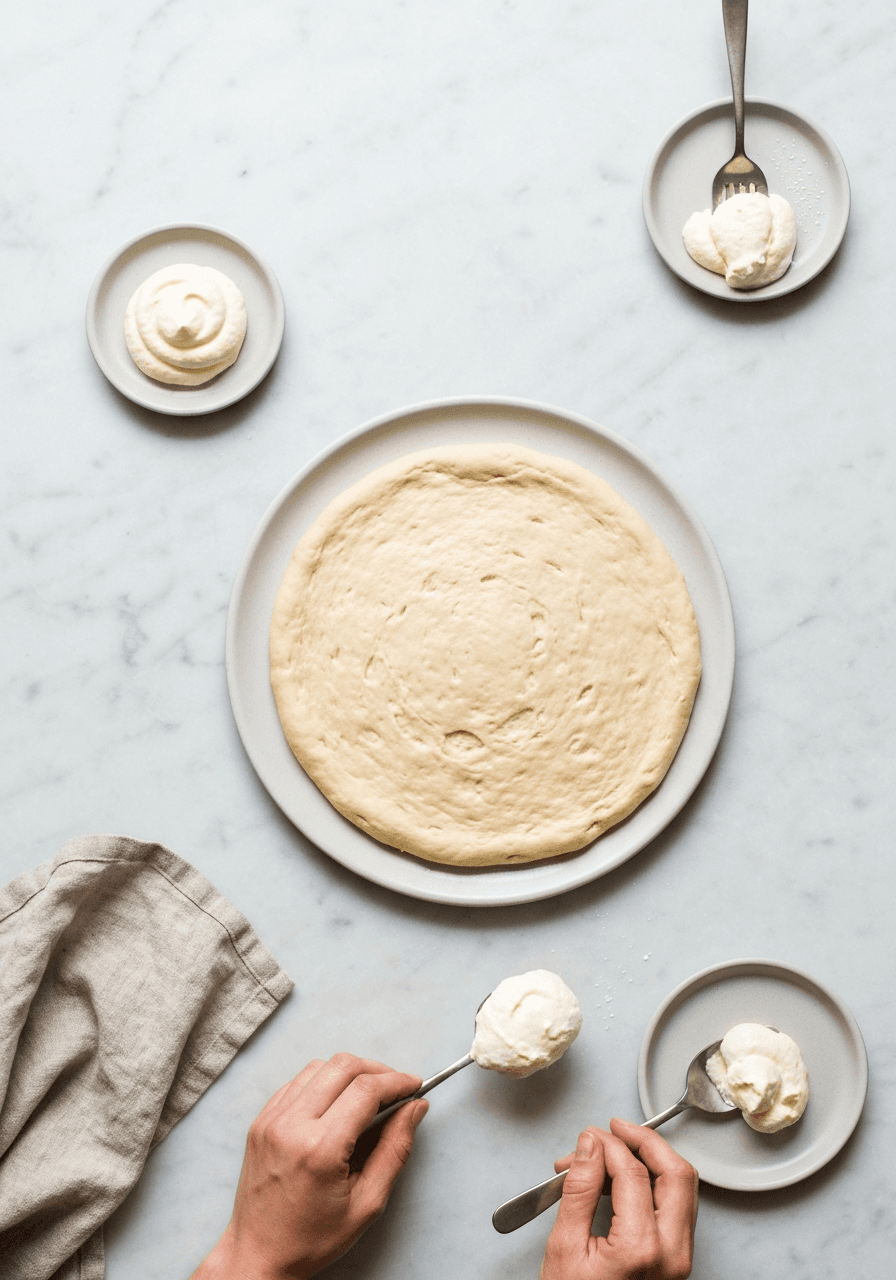
Roberta's Pizza Dough
00 Flour, cold fridge, 3 days waiting. Best crust of your life.
Master cold fermentation with Roberta's pizza dough. 00 flour blend, 72-hour fridge rest, windowpane test. Flavor from time, not yeast.
Weigh ingredients—do not use cups. Knead to windowpane. Refrigerate 24-48 hours minimum for flavor. Let warm 1 hour before stretching.
The fit, timing, and key move are all here. If it is a yes, go straight into cook mode.
00 Flour, cold fridge, 3 days waiting. Best crust of your life.
Timing note: 24-72 hours
Set your units, then drop the ingredients into grocery if this is happening later.
What matters before the pan gets hot
The shortest path to understanding the dish, the key move, and whether tonight is the right time to cook it.
The Hook
This recipe proves that time is an ingredient. The long, cold fermentation creates flavor complexity you can't achieve with more yeast and less time. It's the difference between Wonder Bread and sourdough.
The Technique
Cold fermentation slows yeast activity, allowing enzymes to break down starches into sugars and proteins into amino acids. This creates flavor compounds (organic acids, alcohols, esters) that taste complex and 'aged.' The cold also relaxes gluten strands, making the dough easier to stretch without springing back.
The History
Roberta's, Brooklyn, NYC. Popularized by Sam Sifton in the New York Times.
Food Facts
Sourced notes. Tap to verify.
The Maillard reaction is a chemical reaction between amino acids and sugars that creates many of the roasted, toasted, and deeply savory flavors in cooked food.
Cast iron heats more slowly than thinner metals but stores heat well, supporting strong sears and stable browning once preheated.
Master cold fermentation with Roberta's pizza dough. 00 flour blend, 72-hour fridge rest, windowpane test. Flavor from time, not yeast.
Nutrition per Serving
Estimated valuesSatiety
Data estimatedTechnique, context, and fallback plans
The reason the method works, the prep you can do early, and what to change if the dish starts drifting.
You cannot make good pizza dough in 2 hours. Flavor comes from fermentation, not yeast quantity. The tiny amount of yeast in this recipe isn't a typo—it's intentional.
By putting the dough in the fridge for 24-72 hours, we slow down the yeast dramatically. This creates complex acids and esters that taste like sourdough, and it relaxes the gluten so the dough stretches easily without snapping back.
The 50/50 blend of 00 flour and all-purpose is the key to texture. 00 flour is finely milled, creating a super-smooth dough that chars without burning. All-purpose adds strength. Together, they create the perfect balance of crisp and chewy.
The windowpane test is your checkpoint. After kneading, you should be able to stretch a small piece of dough thin enough to see light through it without tearing. If it tears, keep kneading.
Never use a rolling pin to stretch pizza dough. You'll crush all the gas bubbles in the rim (the cornicione), and you'll end up with a flat, dense crust instead of that puffy, airy edge.
Dough snaps back like a rubber band when stretching?
It's too cold or hasn't rested long enough. Let it sit at room temperature for another 30 minutes. The gluten needs to relax before it will stretch easily.
Dough tears easily when stretching?
Poor gluten development. Next time, knead longer and make sure it passes the windowpane test. You can also check if your flour has adequate protein (look for bread flour or high-pr…
Set up, cook, and remember what worked
The mise, the method, your notes, and the next recipes to master after this one lands.
The Setup
- Kitchen ScaleEssential—do not use volume measurements for flour
- Pizza Stone or SteelOptionalFor crispy bottom crust
- Airtight ContainersFor refrigerating dough balls
The Mise en Place
5 of 6Your prep station before cooking begins
The Dough (0/5)
Chef's Notes
Use a kitchen scale—flour density varies too much for volume measurements to be accurate.
Ferment 48-72 hours for best flavor. 24 hours minimum, 5 days maximum.
Make dough 3 days ahead. Keeps in fridge up to 5 days.
MIX
In a large bowl, whisk together both flours, salt, and yeast. Add water (1 cup). Stir with a wooden spoon until a shaggy dough forms. It will look rough and sticky.
Don't overmix—just bring it together • Shaggy, sticky mass—no dry flour visible
Dough is combined but rough-looking
REST
Cover bowl with plastic wrap. Let rest at room temperature for 15 minutes.
This rest allows flour to hydrate, making kneading easier • Dough looks slightly smoother
Dough has relaxed slightly
KNEAD
Turn dough onto a lightly floured surface. Knead for 3 minutes until it comes together. Let rest 15 minutes. Knead again for 3 minutes until smooth and elastic.
Windowpane test: stretch a small piece thin enough to see light through without tearing • Smooth, elastic, stretches thin without tearing • Dough feels alive, springs back when poked
Dough passes the windowpane test
DIVIDE
Divide dough into 2 equal pieces. Shape each into a tight ball. Coat lightly with olive oil (1 tbsp). Place each ball in a separate container or plastic bag.
Tight shaping creates surface tension for better rise • Balls are taut on surface, no tears
Two smooth, tight balls
REFRIGERATE
Prep aheadSeal containers tightly. Refrigerate for at least 24 hours, ideally 48-72 hours.
This is where the flavor happens—cold fermentation creates complex acids • Dough balls have expanded to fill containers • Slightly sour, fermented aroma
Dough has doubled in size, smells slightly sour/yeasty
WARM
Time-sensitiveOne hour before baking, remove dough from fridge. Let sit at room temperature.
Cold dough snaps back and won't stretch—it needs to relax • Dough is soft, pliable, not cold
Dough is room temperature, relaxed
STRETCH
On a floured surface, gently press dough from center outward, leaving a 1-inch rim untouched. Pick up dough, drape over knuckles, and gently stretch by rotating and letting gravity pull it.
Never use a rolling pin—it destroys gas bubbles in the rim • Translucent center, puffy rim
Dough is thin in center, thick rim (cornicione)
BAKE
Time-sensitiveTop with sauce and toppings. Bake on a preheated pizza stone or steel at 500°F (260°C) for 8-12 minutes until crust is golden and bubbly.
Preheat stone for 45 minutes minimum for crispy bottom • Charred spots on crust, cheese is browned • Charred, yeasty aroma
Crust is golden, cheese is bubbling, rim has leopard spots
Service Log
Log your variables. Iterate like a pro.
Clean slate.
Log your variables after the first run.
Master These Next
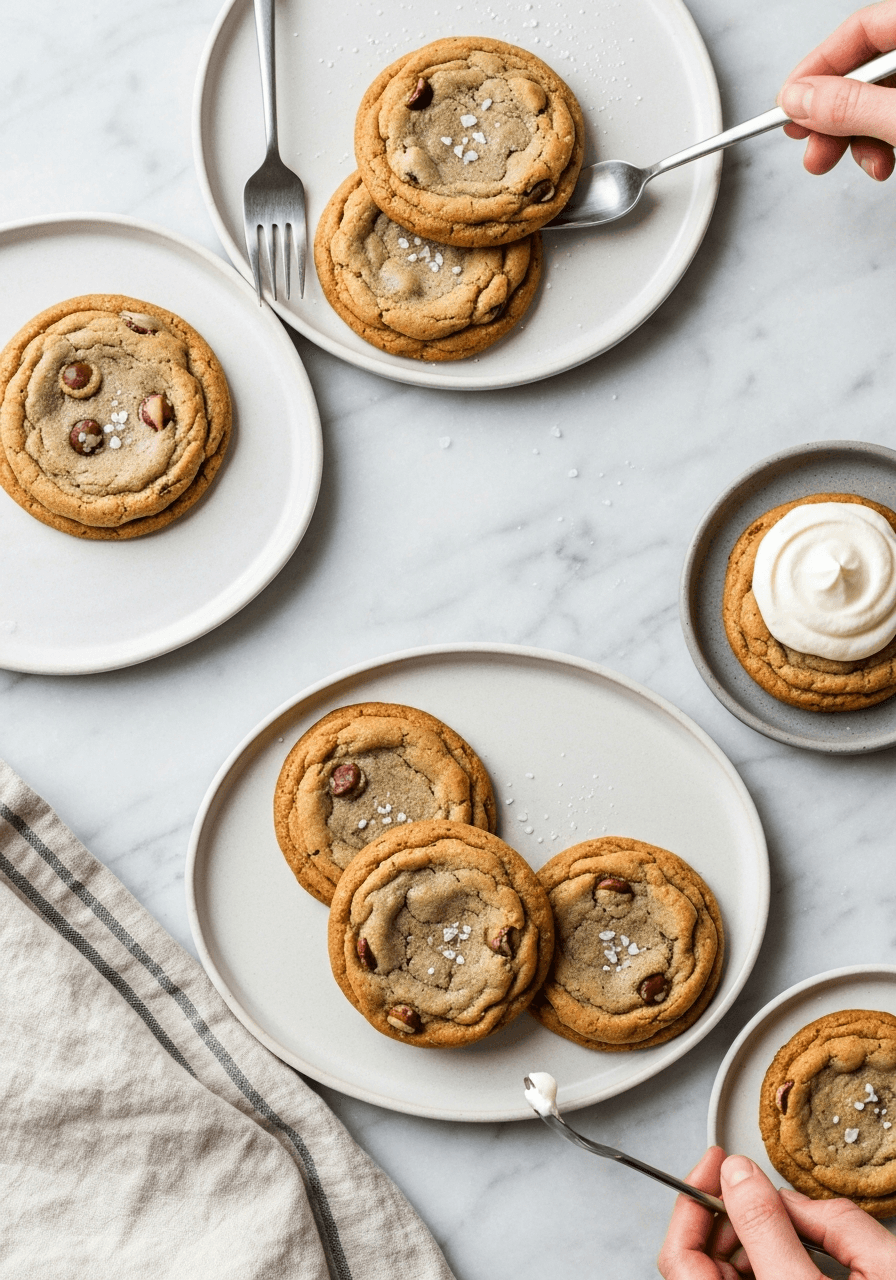
36-Hour Chocolate Chip Cookies
Dough that sleeps for 36 hours. Salt on top. Best in class.
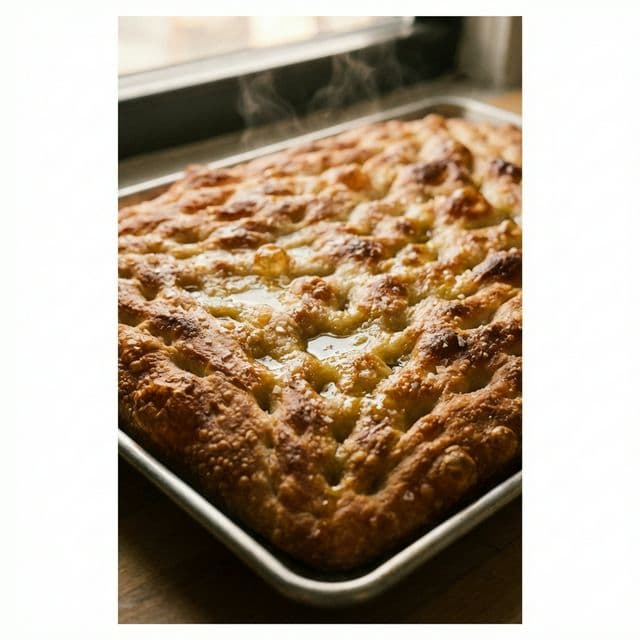
Ligurian Focaccia
Olive oil sponge cake. Salt brine is the secret ingredient.
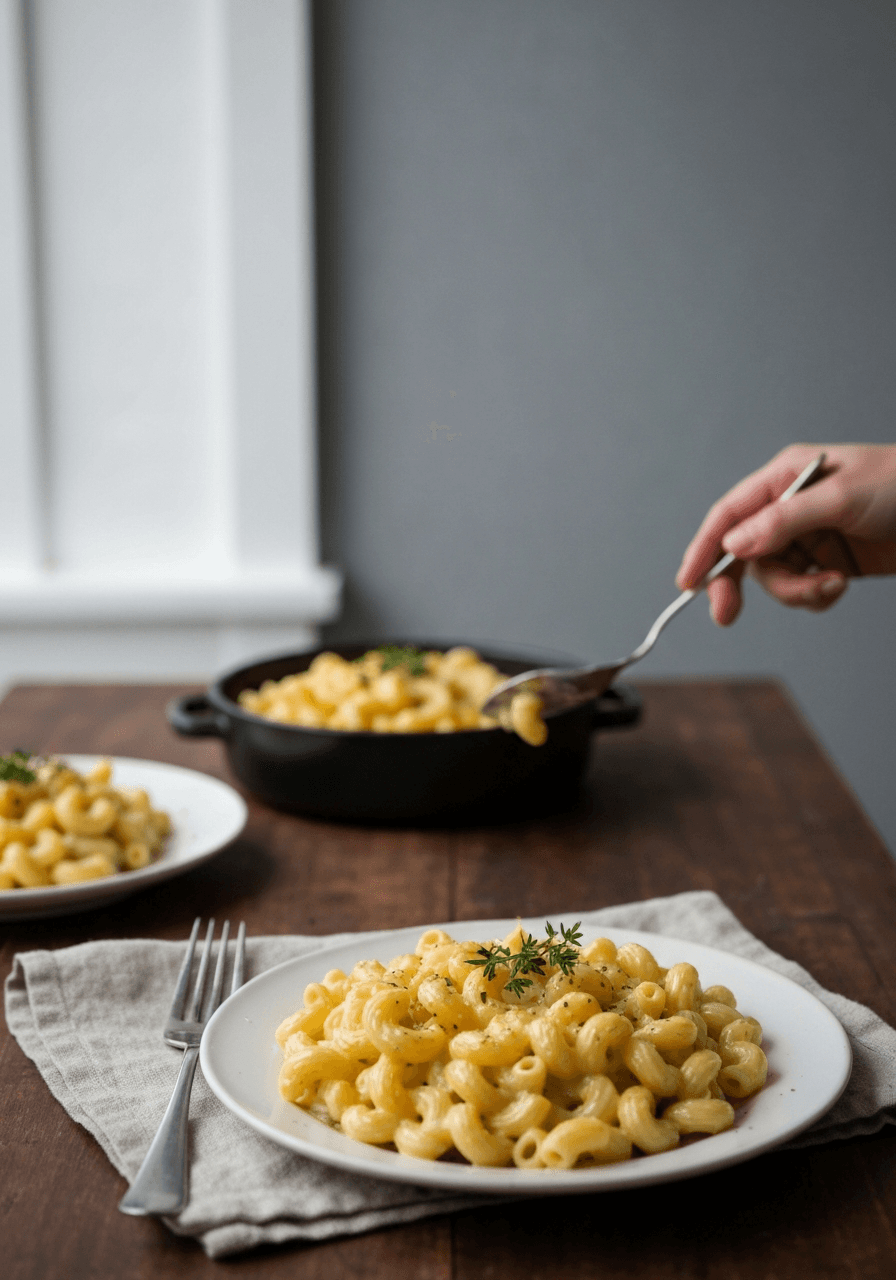
Creamy Mac & Cheese
Béchamel + Cheese = Mornay. No blue boxes allowed.