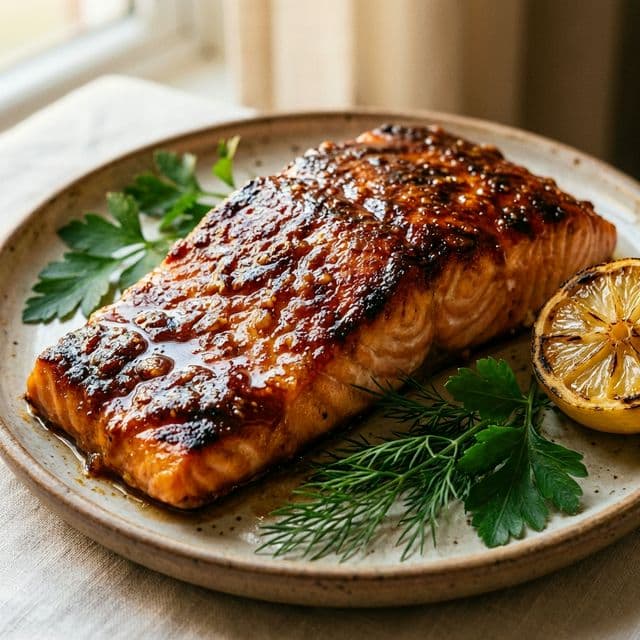
Roasted Salmon with Brown Sugar & Mustard
12 minutes to glory. The glaze protects the fish.
Master Maillard glaze technique with salmon. Brown sugar and Dijon create protective crust that caramelizes while keeping fish moist in 15 minutes.
Salmon is fatty. Mustard is acidic. Brown sugar is sweet. This triad creates a chemical barrier. By blasting at high heat, sugar caramelizes into a crust while mustard keeps fish moist. It's impossible to dry out if you pull at medium-rare. Dijon vinegar denatures surface protein, helping glaze adhere.
The fit, timing, and key move are all here. If it is a yes, go straight into cook mode.
12 minutes to glory. The glaze protects the fish.
Timing note: 15 mins
Set your units, then drop the ingredients into grocery if this is happening later.
What matters before the pan gets hot
The shortest path to understanding the dish, the key move, and whether tonight is the right time to cook it.
The Hook
This works because the sugar forms a protective barrier. Most people are scared to cook fish at high heat because it dries out. But with this glaze, the high heat is what creates the crust while keeping the inside moist. It's foolproof if you pull it at the right time.
The Technique
Dijon mustard contains vinegar, which denatures (unfolds) surface proteins, helping the glaze stick. Sugar caramelizes at 320°F, creating a Maillard reaction (browning) that produces new flavor compounds. The glaze acts as a moisture barrier, slowing evaporation from the fish's surface.
The History
Modern American cooking, popularized by Sam Sifton in the New York Times. The technique draws from French glaze traditions adapted to quick weeknight cooking.
Food Facts
Sourced notes. Tap to verify.
Mise en place means setting up your ingredients and tools before you start cooking. It is a professional workflow trick that reduces mistakes, keeps timing tight, and makes cooking feel calmer.
Searing creates a browned crust and flavor compounds on the exterior. It does not seal in juices, but it does improve texture and taste.
Master Maillard glaze technique with salmon. Brown sugar and Dijon create protective crust that caramelizes while keeping fish moist in 15 minutes.
Nutrition per Serving
Estimated valuesSatiety
Data verifiedTechnique, context, and fallback plans
The reason the method works, the prep you can do early, and what to change if the dish starts drifting.
This is a recipe built on opposites. Salmon is fatty. Mustard is acidic. Brown sugar is sweet. Together, they create a chemical barrier that protects the fish from overcooking.
When you blast salmon at high heat, the exterior proteins coagulate quickly, forming a dry crust. But when you coat it in mustard and sugar, that mixture caramelizes into a glaze instead. The mustard's acidity denatures the surface proteins slightly, helping the glaze adhere and creating a thin barrier that traps moisture inside.
Meanwhile, the sugar caramelizes in the oven's dry heat, creating a sweet, sticky crust that adds textural contrast to the soft fish beneath. The Maillard reaction (browning) creates hundreds of new flavor compounds—nutty, toasty, savory notes that balance the richness of the salmon.
The key is pulling the fish when it's slightly underdone. Salmon continues to cook from residual heat for about 2 minutes after leaving the oven. If you wait until it looks fully cooked in the oven, it will be overcooked by the time you eat it. Pull it when the center is still translucent, and it will be perfect.
Glaze burnt?
Your rack was too close to the broiler, or you broiled too long.
Fish is dry?
You cooked it until it looked done. Pull it when it looks underdone—the center should be translucent. It finishes cooking on the plate. Overcooking is irreversible.
Use this in Focus
Turn this nutrition profile into a week you can plan, shop, and actually cook.
Set up, cook, and remember what worked
The mise, the method, your notes, and the next recipes to master after this one lands.
The Setup
- Rimmed Baking SheetLine with foil or parchment
The Mise en Place
5 of 6Your prep station before cooking begins
Chef's Notes
Center-cut fillet ensures uniform thickness for even cooking.
If using skin-on salmon, the skin won't crisp—this is a top-side glaze recipe.
Serve with roasted vegetables, rice, or a simple green salad.
PREHEAT
Preheat oven to 400°F (200°C). Line a rimmed baking sheet with foil or parchment paper. Place salmon on the prepared sheet, skin-side down if using skin-on.
Line the pan for easy cleanup—salmon glaze can stick • Salmon centered on lined baking sheet
Oven is hot, salmon is on sheet
PAINT
Prep aheadIn a small bowl, mix Dijon mustard (3 tbsp) and brown sugar (2 tbsp) into a thick paste. Season salmon with salt (½ tsp) and pepper. Paint the top of the salmon liberally with the mustard-sugar paste. Don't be shy—you want a thick, even layer covering the entire surface.
Use a spoon or pastry brush. Thick layer = better crust. • Brown paste covering entire top surface of salmon • Sweet mustard aroma
Salmon is coated in thick glaze
ROAST
Time-sensitiveRoast salmon for 10-12 minutes. Do not overcook. Salmon continues to cook for 2 minutes after you take it out. Pull it when it looks slightly underdone—translucent in the dead center.
Don't wait until it looks fully cooked—it will overcook on the plate • Glaze is caramelizing and bubbling • Smell of caramelizing sugar
Fish flakes but is still translucent in center
BROIL
Time-sensitiveIf the top isn't bubbly and caramelized, switch oven to broil. Broil for the last 60-90 seconds, watching carefully. The glaze should bubble like lava.
This step is optional but adds textural contrast. Watch it—sugar burns fast. • Dark brown bubbling crust on top • Smell of caramel
Glaze is bubbling and lightly charred
SERVE
Let salmon rest for 2 minutes. Serve immediately with lemon wedges.
The crust sets as it cools slightly • Dark brown crust on top, pink flesh beneath
Salmon is rested, glaze is set
Service Log
Log your variables. Iterate like a pro.
Clean slate.
Log your variables after the first run.
Master These Next
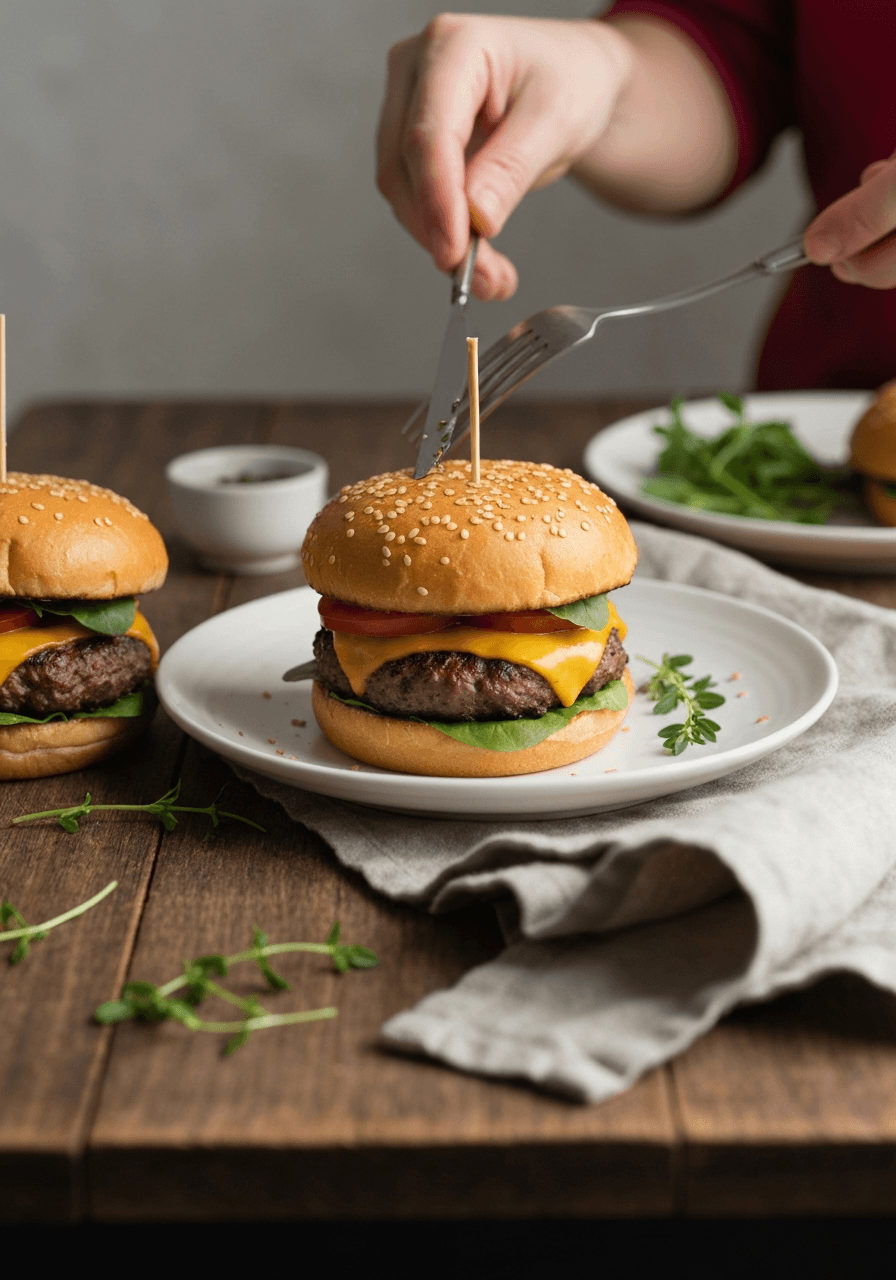
Smash Burgers — Crispy Edges
Craving a burger with maximum flavor and crispy edges? These smash burgers deliver a fast and satisfying fast-food experience, elevated.
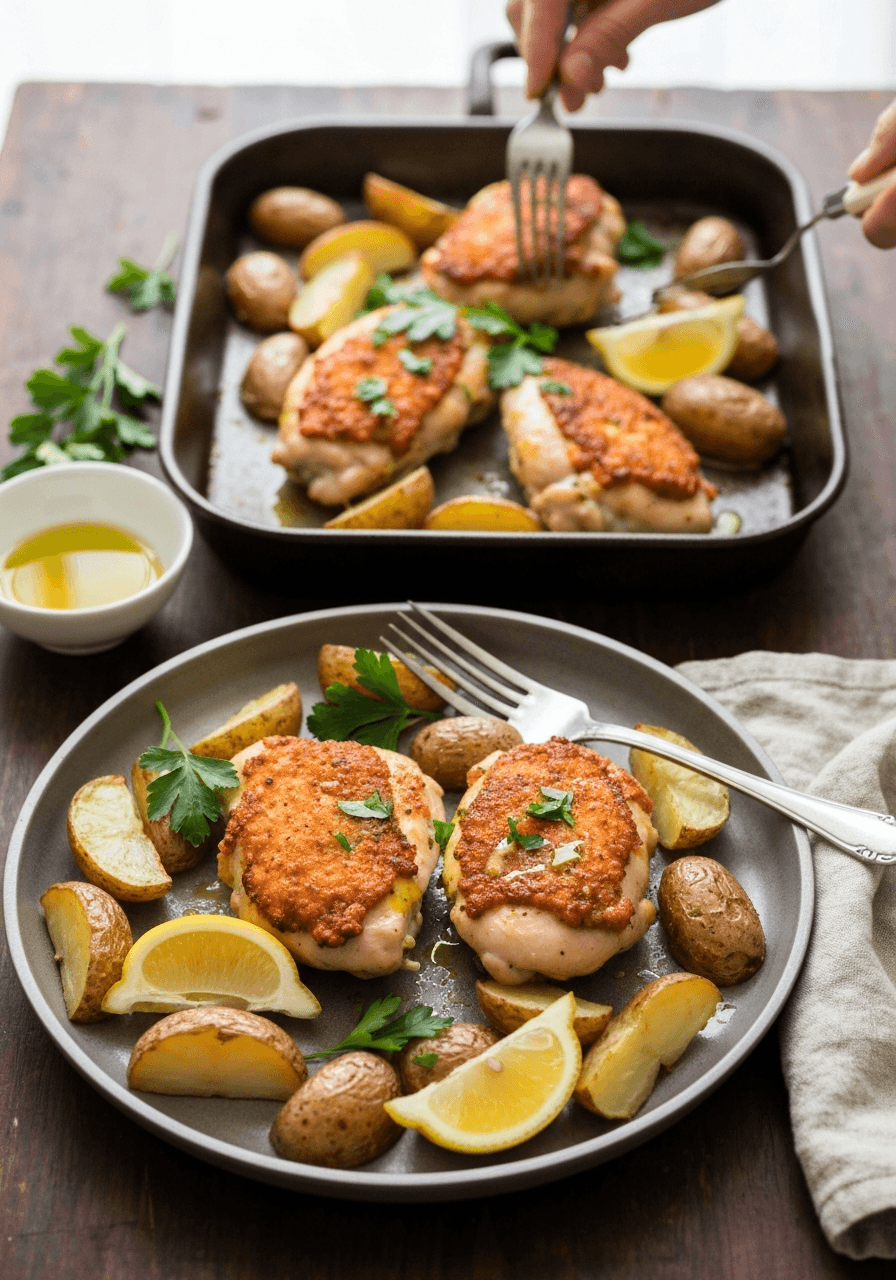
Sheet-Pan Chicken & Potatoes
Schmaltz-roasted potatoes and crispy chicken. One pan.
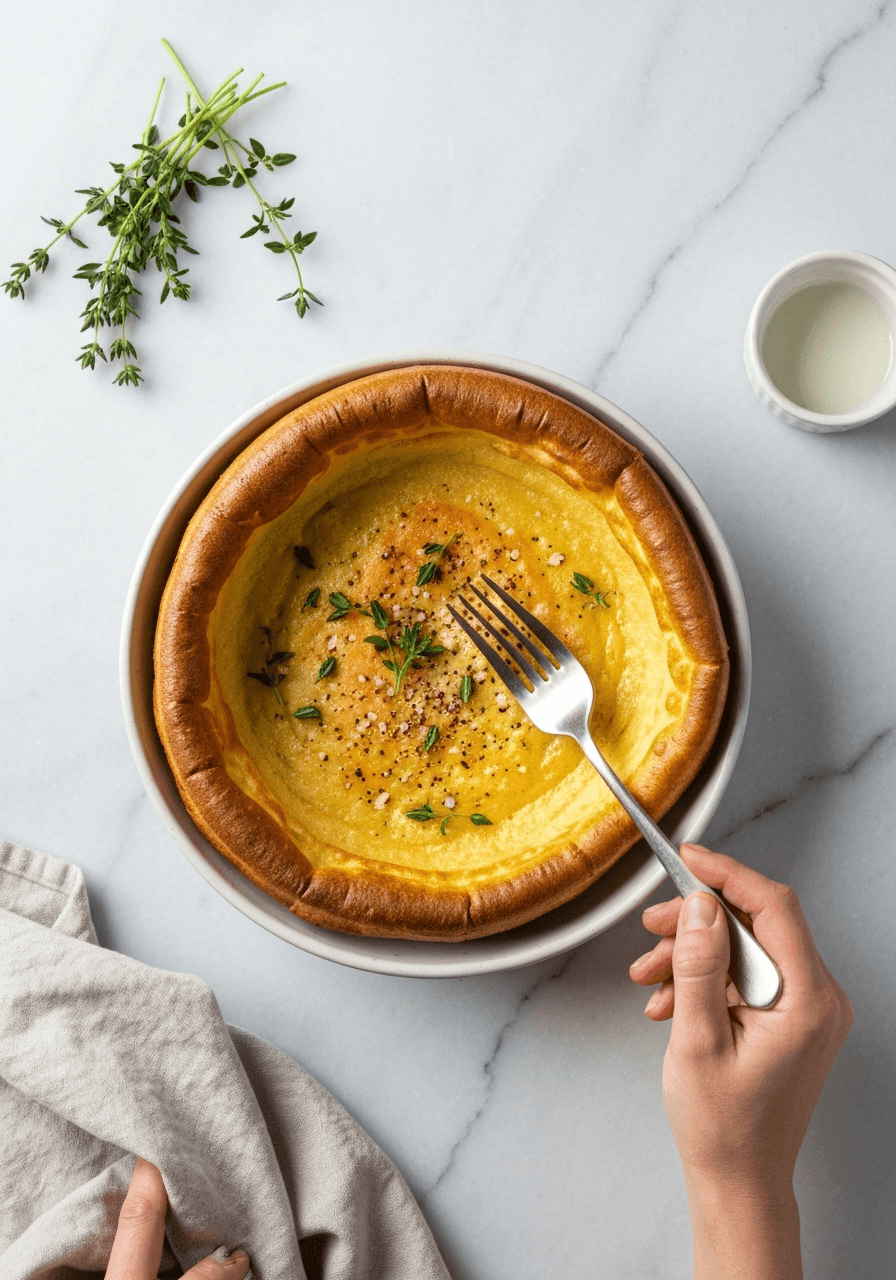
Dutch Baby
A giant, deflated popover. Custard meets pancake.