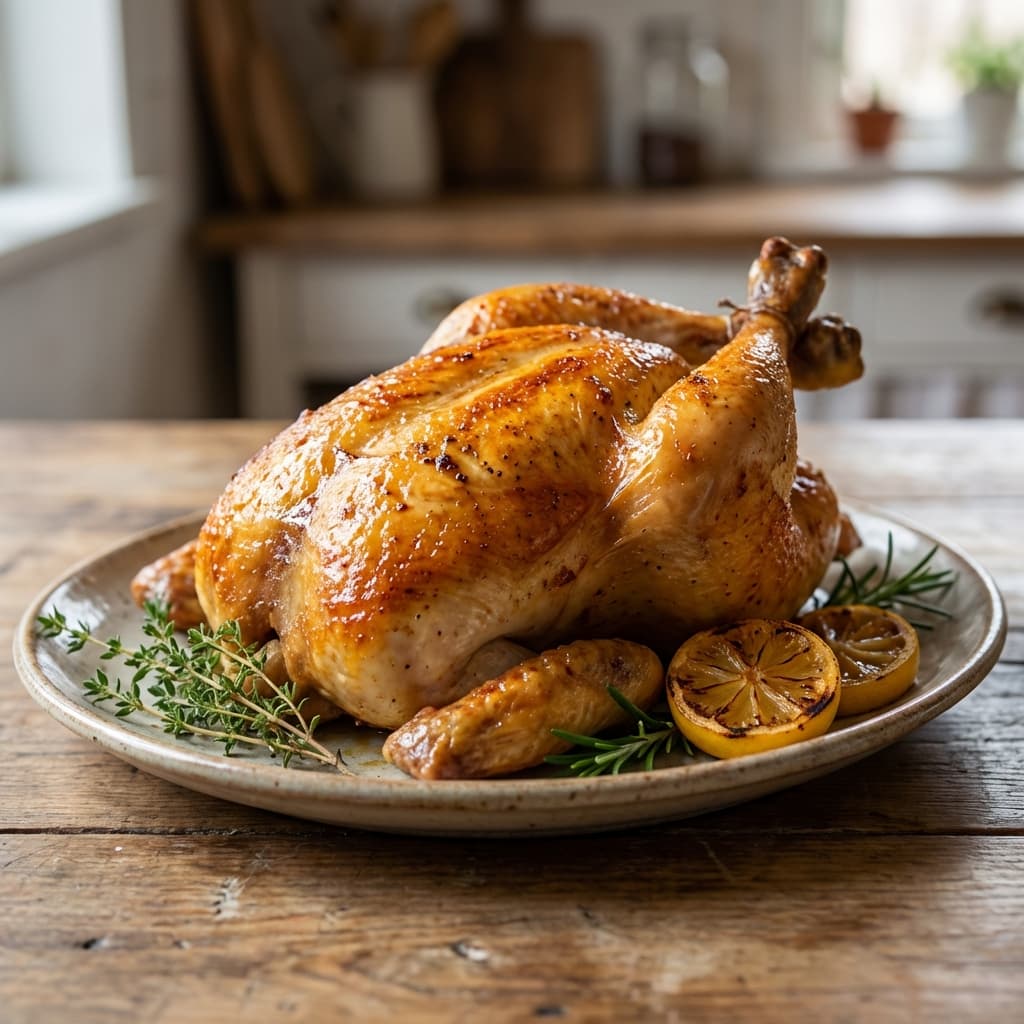
Roasted Chicken
Crispy skin, tender juicy meat, legs cooked through.
Master the art of roasted chicken with this simple recipe for crispy skin & juicy meat, overcoming the breast vs. leg temperature challenge.
A simple roast chicken is the hardest dish to perfect because the breast dries out at 150°F while the legs need 175°F
The fit, timing, and key move are all here. If it is a yes, go straight into cook mode.
Crispy skin, tender juicy meat, legs cooked through.
Timing note: 1h 30m
Set your units, then drop the ingredients into grocery if this is happening later.
What matters before the pan gets hot
The shortest path to understanding the dish, the key move, and whether tonight is the right time to cook it.
The Hook
Roast chicken: the ultimate test. Get it wrong, you're a hack. Get it right, you're a god. No pressure.
The Technique
The breast dries out at 150°F, the legs need 175°F. It's a biological war. We blast it hot and fast, trussing for even heat, drying the skin for that shatter. Salting draws moisture, then reabsorbs, seasoning and crisping. It’s a tightrope walk.
The History
This isn't just French peasant food, it's a global obsession perfected by the likes of Thomas Keller. Forget 'simple,' this is a battle against biology, a primal dish elevated to an art form. It's been cooked forever, but nailing it is a modern triumph.
Food Facts
Sourced notes. Tap to verify.
Shakespeare put the phrase in The Merry Wives of Windsor (1602) to mean that with the right effort, the world holds opportunity inside a shell that you can open.
In the U.S., oysters were a working-class staple until overfishing and pollution after 1880 made them scarce, sending prices steeply upward and turning them into a high-end luxury.
Master the art of roasted chicken with this simple recipe for crispy skin & juicy meat, overcoming the breast vs. leg temperature challenge.
Nutrition per Serving
Estimated valuesSatiety
Data verifiedTechnique, context, and fallback plans
The reason the method works, the prep you can do early, and what to change if the dish starts drifting.
A perfectly roasted chicken is the gold standard for any cook, professional or home. It seems simple--put a bird in an oven--but it is actually a battle against biology. The breast meat is lean and dries out at 150°F, while the dark leg meat is fatty and needs 175°F to be edible. Cooking one whole animal to two different temperatures simultaneously is the chef's eternal riddle.
When you solve it, the reward is primal. The skin should be shattered glass, salty and golden, protecting meat that is so juicy it weeps when you slice it. The "oyster"--that hidden nugget of dark meat on the back near the thigh--is the chef's tax, eaten standing over the cutting board before the bird ever hits the table. It is a meal that signifies home, comfort, and mastery over the elements.
My kitchen is filling with smoke!
That's usually the chicken fat splattering and burning. A simple trick is to place some chopped vegetables like potatoes or carrots underneath the bird; they'll catch the fat. Alte…
My chicken breast is dry and tough.
Ah, the classic dry breast. That just means it got a little too much heat for too long. Invest in a digital thermometer; it's your best friend for perfectly cooked chicken. Forget…
Use this in Focus
Turn this nutrition profile into a week you can plan, shop, and actually cook.
Set up, cook, and remember what worked
The mise, the method, your notes, and the next recipes to master after this one lands.
The Setup
- Cast Iron Skillet12-inch
- Instant-Read Thermometer
- Cutting Board
- Chef's Knife
- Tongs
The Mise en Place
2Your prep station before cooking begins
The Protein (0/2)
Chef's Notes
Pat the chicken completely dry with paper towels before roasting for crispier skin.
Place chicken on a rack in the roasting pan to allow air circulation for even cooking and browning.
Serve with roasted root vegetables like potatoes, carrots, and parsnips for a complete meal.
Rub under the skin with softened butter mixed with herbs like rosemary and thyme for extra flavor.
TEMPER
Pull chicken from fridge 1 hour before cooking.
Why? If the center is ice cold, the outside will burn before the inside cooks.
DRY & SALT
Time-sensitivePaper towel the skin until bone dry. SALT liberally.
⚠️ Moisture is the enemy of crispiness. If the skin is wet, it will steam and be rubbery.
TRUSS
Tie the legs together and tuck the wings under.
Why? This creates a compact shape so hot air circulates evenly. It also protects the delicate breast meat.
BLAST
Time-sensitiveROAST at 450°F (230°C). Yes, high heat.
Don't touch it for 50-60 mins. Skin should be deep golden brown. Internal temp: 160°F in the breast (carryover will take it to 165°F).
Service Log
Log your variables. Iterate like a pro.
Clean slate.
Log your variables after the first run.
Master These Next
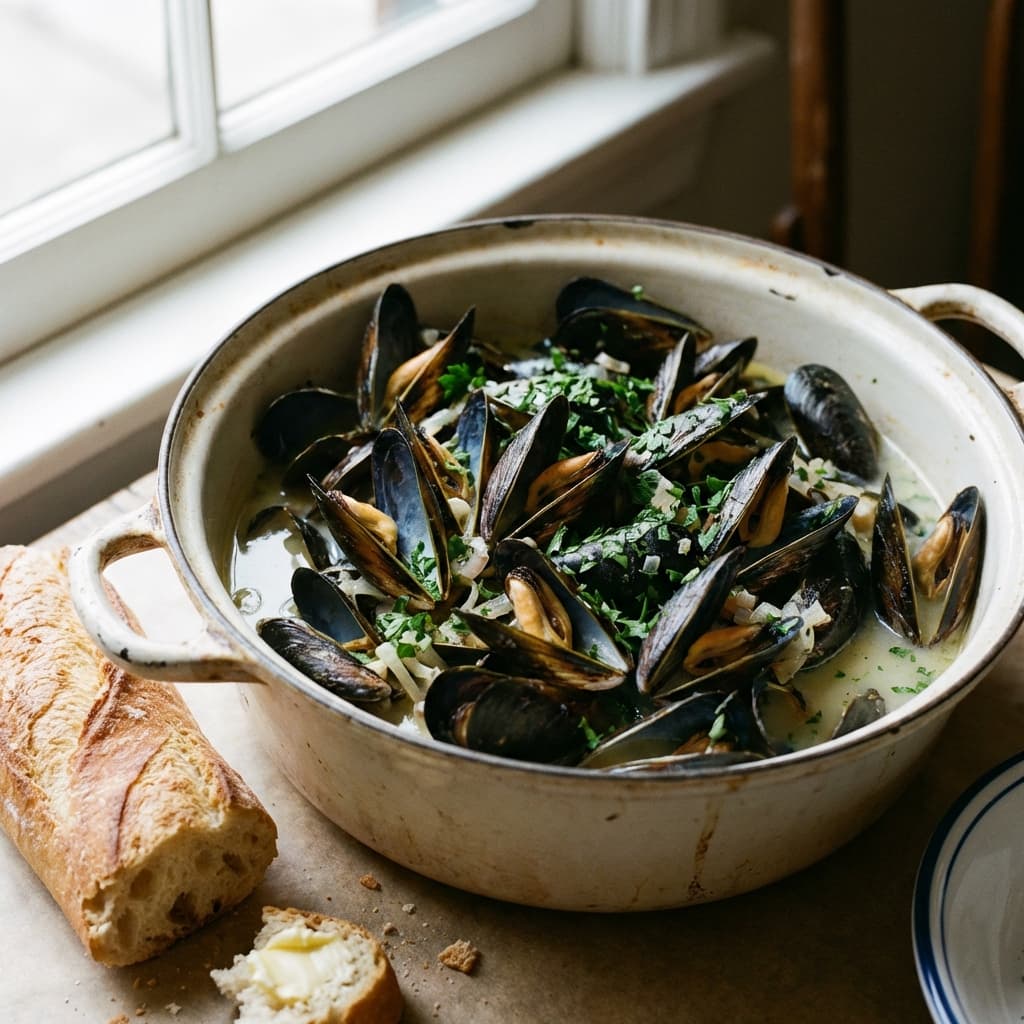
Moules Marinières
Mussels steamed in wine, broth thickened with butter.
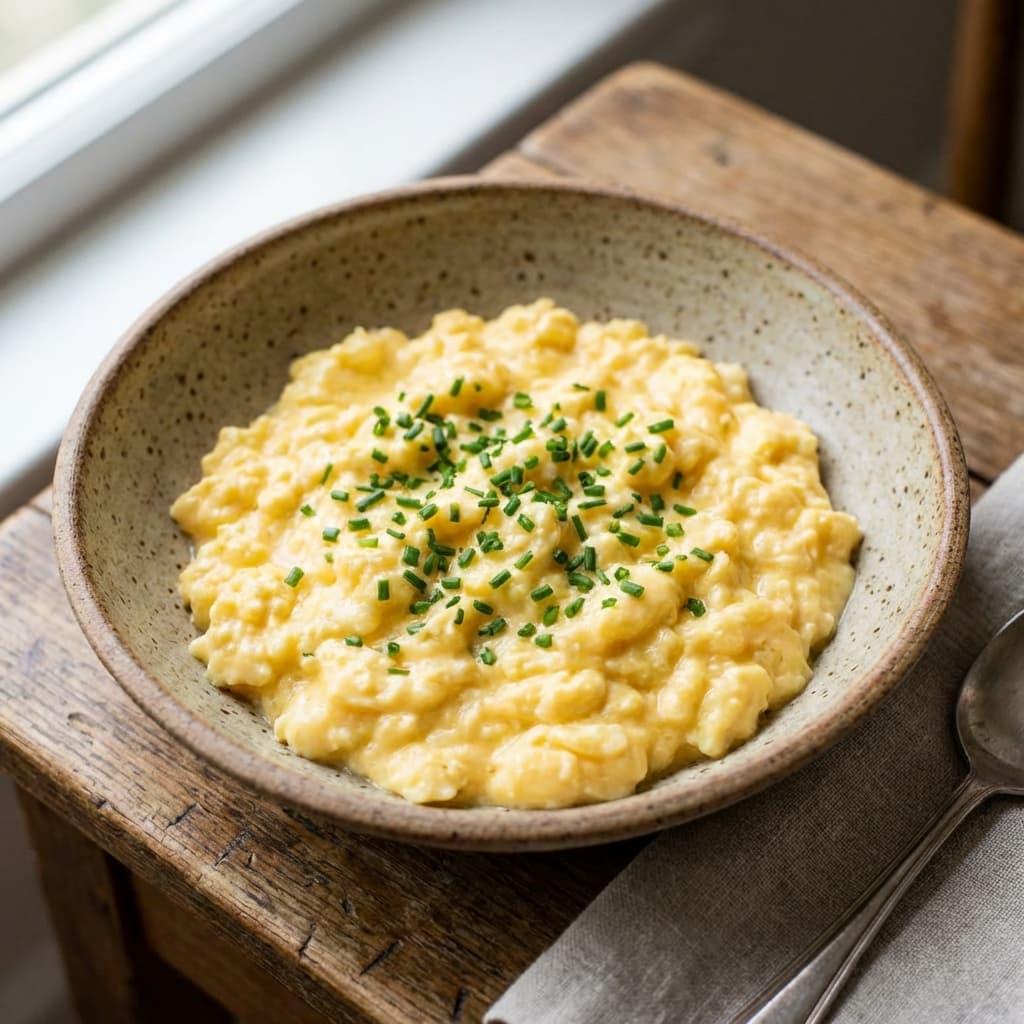
Scrambled Eggs
Buttery, golden ribbons of soft custard.
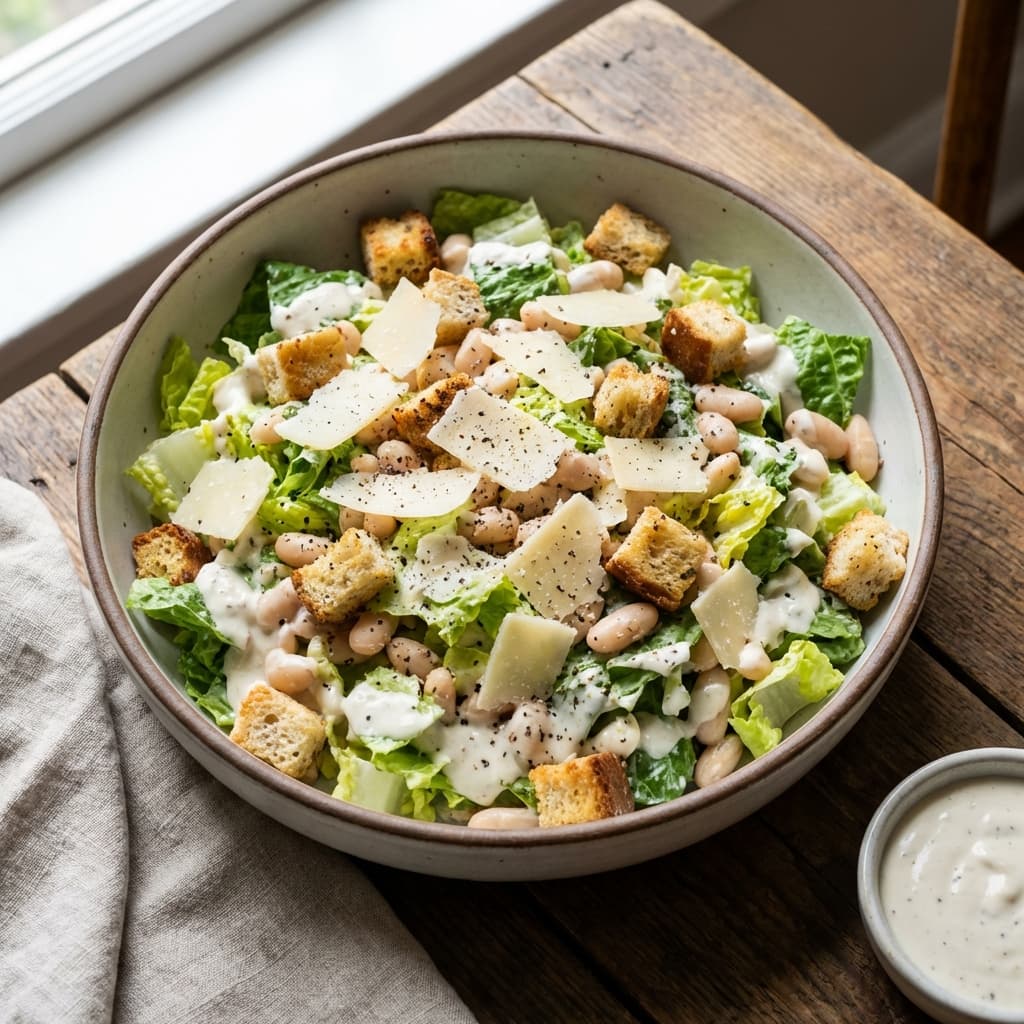
White Bean "Caesar" Bowl
Caesar vibes without the heaviness: beans, greens, and a sharp no-egg dressing that tastes like a plan.