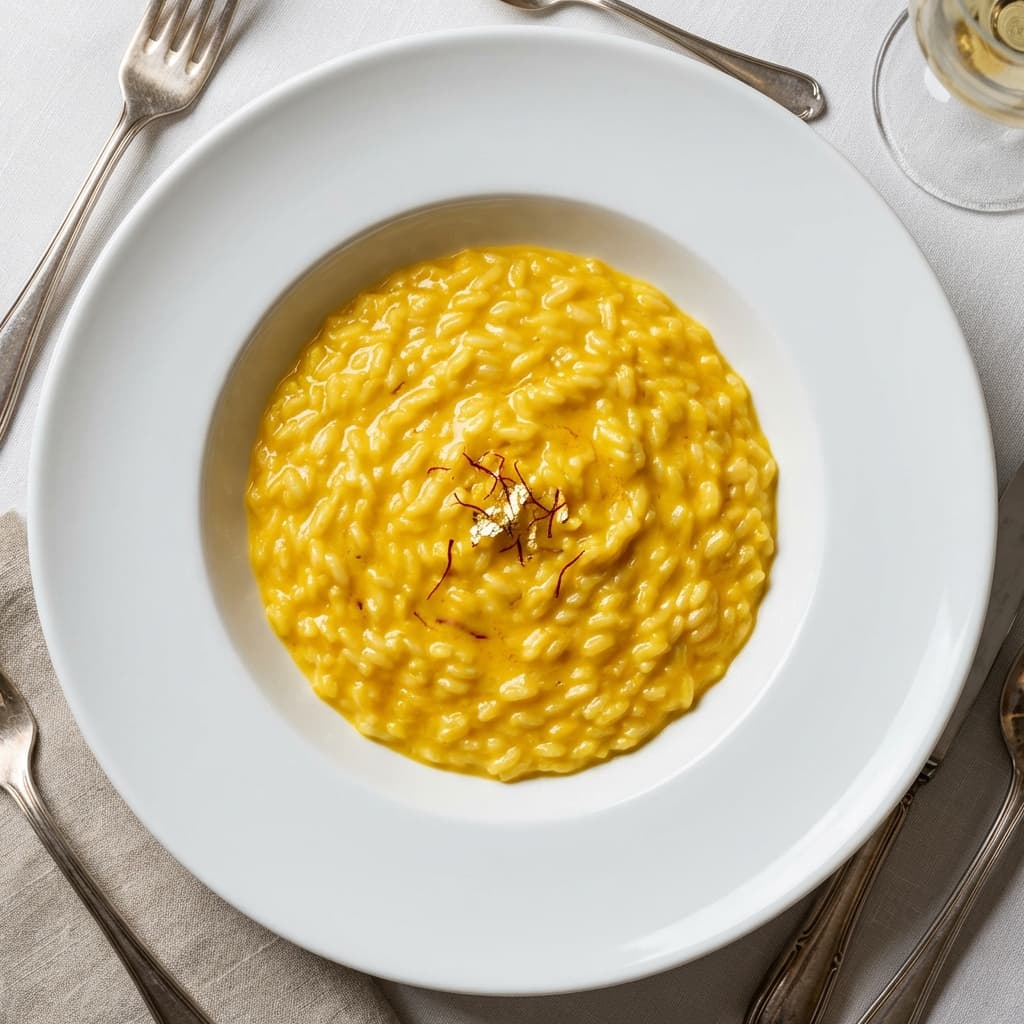
Risotto alla Milanese
Rice that flows like lava; saffron gold.
Rice that flows like lava; saffron gold.. Risotto is not "boiled rice."
Risotto is not "boiled rice
The fit, timing, and key move are all here. If it is a yes, go straight into cook mode.
Rice that flows like lava; saffron gold.
Timing note: 40 mins
Set your units, then drop the ingredients into grocery if this is happening later.
What matters before the pan gets hot
The shortest path to understanding the dish, the key move, and whether tonight is the right time to cook it.
The Hook
This isn't rice pudding. It's a 25-minute staring contest with a pot. Blink and you've failed.
The Technique
The magic is starch gelatinization. Agitating the Carnaroli rice releases amylose, creating a natural emulsion. Constant stirring prevents sticking and ensures each grain cooks evenly, building that signature creamy texture without a drop of cream. Screw this up, and you get gluey, overcooked rice.
The History
Milan, 1574. Legend claims some smart-aleck glassblower spiked the wedding risotto with saffron, a pigment he normally used for staining glass. What started as a prank became a culinary icon. Don't believe the bullshit about it being some ancient peasant dish.
Food Facts
Sourced notes. Tap to verify.
The Maillard reaction is a chemical reaction between amino acids and sugars that creates many of the roasted, toasted, and deeply savory flavors in cooked food.
Rice that flows like lava; saffron gold.. Risotto is not "boiled rice."
Nutrition per Serving
Estimated valuesSatiety
Data verifiedTechnique, context, and fallback plans
The reason the method works, the prep you can do early, and what to change if the dish starts drifting.
Legend has it that in 1574, a young apprentice glassblower working on the Duomo di Milano decided to play a prank at his master's wedding. He added saffron--usually used to stain glass yellow--to the rice. The result wasn't a ruined dish, but the birth of Milan's most iconic culinary treasure: Risotto alla Milanese.
This dish is a study in texture. It should not be stiff or clumpy; it should be all'onda ("on the wave"). When you tilt the plate, the risotto should ripple and flow like slow lava. This texture comes from the friction of stirring, which rubs the starch off the rice grains to create a natural cream. The flavor is unmistakable: the metallic, floral hum of saffron paired with the richness of bone marrow and parmesan. It is opulence in a bowl, gold in color and in spirit.
My rice has a hard, chalky center.
That means the rice isn't quite cooked through yet. Don't worry, it's a common spot to land. Just keep adding your warm stock, a ladle at a time, and continue stirring. Taste it fr…
My risotto turned into a sticky, mushy mess.
Ah, that usually happens if the rice is overcooked, or if you used the wrong kind of rice.
Set up, cook, and remember what worked
The mise, the method, your notes, and the next recipes to master after this one lands.
The Setup
- Cutting Board
- Chef's Knife
- Whisk
- Wooden Spoon
The Mise en Place
4Your prep station before cooking begins
The Protein (0/1)
The Spice Blend (0/1)
The Pantry (0/1)
Other (0/1)
Chef's Notes
Toast the Arborio rice until the edges are translucent before adding liquid. This helps the grains cook evenly and absorb broth without becoming mushy.
Add hot broth one ladleful at a time, stirring constantly. Wait until most of the liquid is absorbed before adding the next ladle.
For a creamy finish, stir in cold butter and grated Parmesan cheese off the heat at the very end. This technique is called 'mantecatura'.
Serve immediately. Risotto waits for no one! Garnish with fresh parsley and a sprinkle of Parmesan.
TOAST (Tostatura)
Time-sensitiveTOAST the rice (300g) in fat (marrow/butter) with NO liquid. High heat.
Why? This hardens the outer shell so the grain doesn't turn to mush later. • Rice should be too hot to touch and smell like popcorn.
Rice should be too hot to touch and smell like popcorn.
DEGLAZE
ADD white wine (100ml). Let it evaporate completely.
Hot-pan splash: Deglazing can steam and spit. Pour slowly and keep your face/hands back.
THE FEED
Time-sensitiveAdd hot stock one ladle at a time. STIR constantly. Wait for liquid to disappear before adding the next ladle.
⚠️ Drowning the rice. If you add all the stock at once, you are boiling rice, not making risotto. The friction of stirring creates the cream.
MANTECATURA (The Whip)
Time-sensitiveWhen rice is tender but has a "bite," remove from heat. WHIP in cold butter and parmesan.
The "All'onda" Wave. Tilt the pot; the risotto should flow slowly like molten lava.
Service Log
Log your variables. Iterate like a pro.
Clean slate.
Log your variables after the first run.
Related Techniques
Master These Next
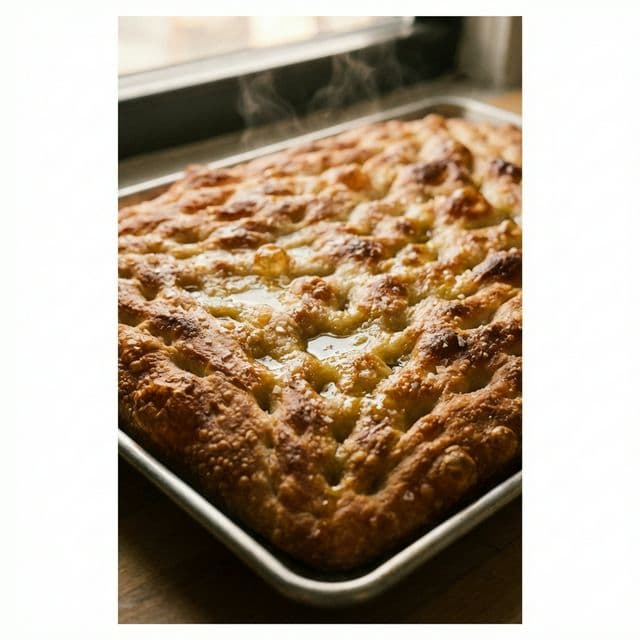
Ligurian Focaccia
Olive oil sponge cake. Salt brine is the secret ingredient.
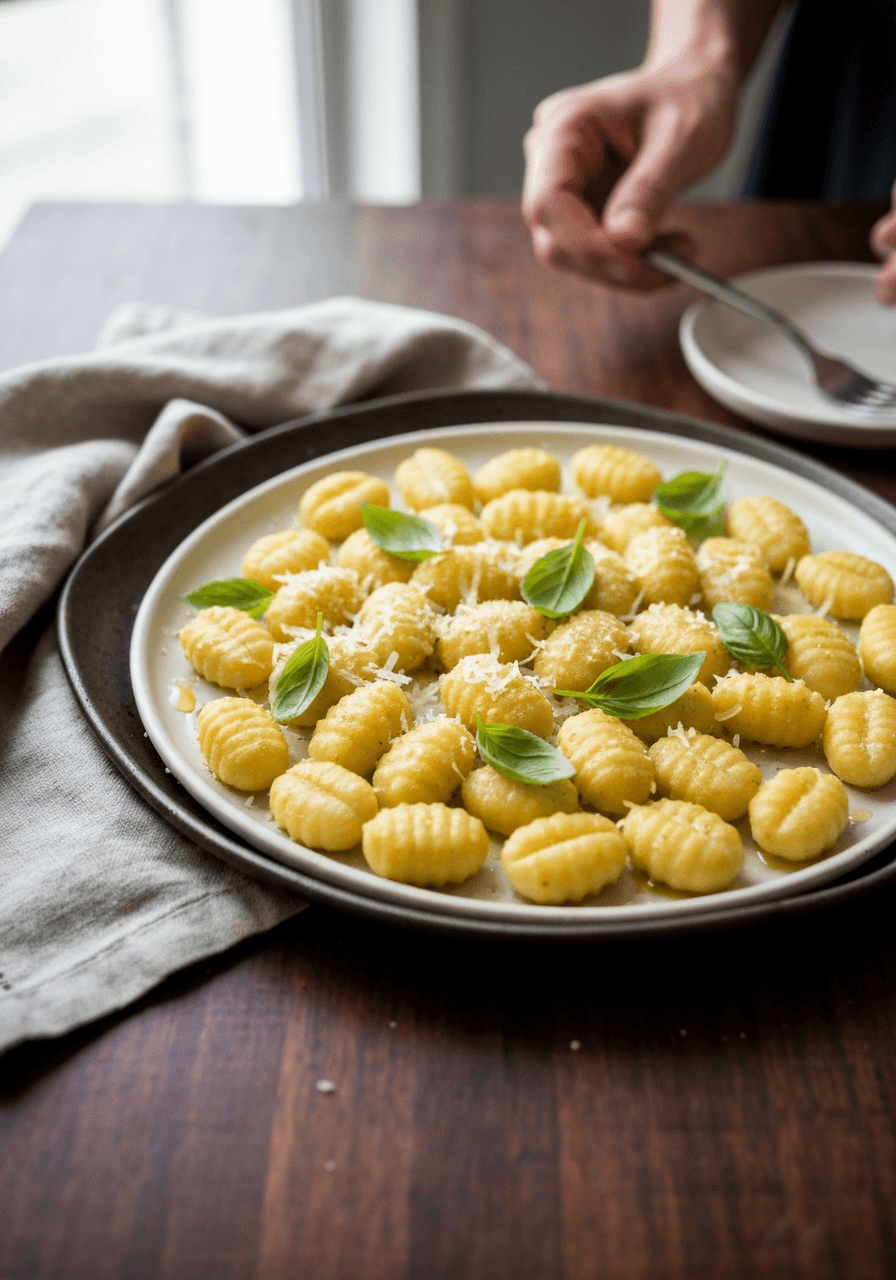
Sheet-Pan Gnocchi
Never boil store-bought gnocchi. Roast them into crispy pillows.
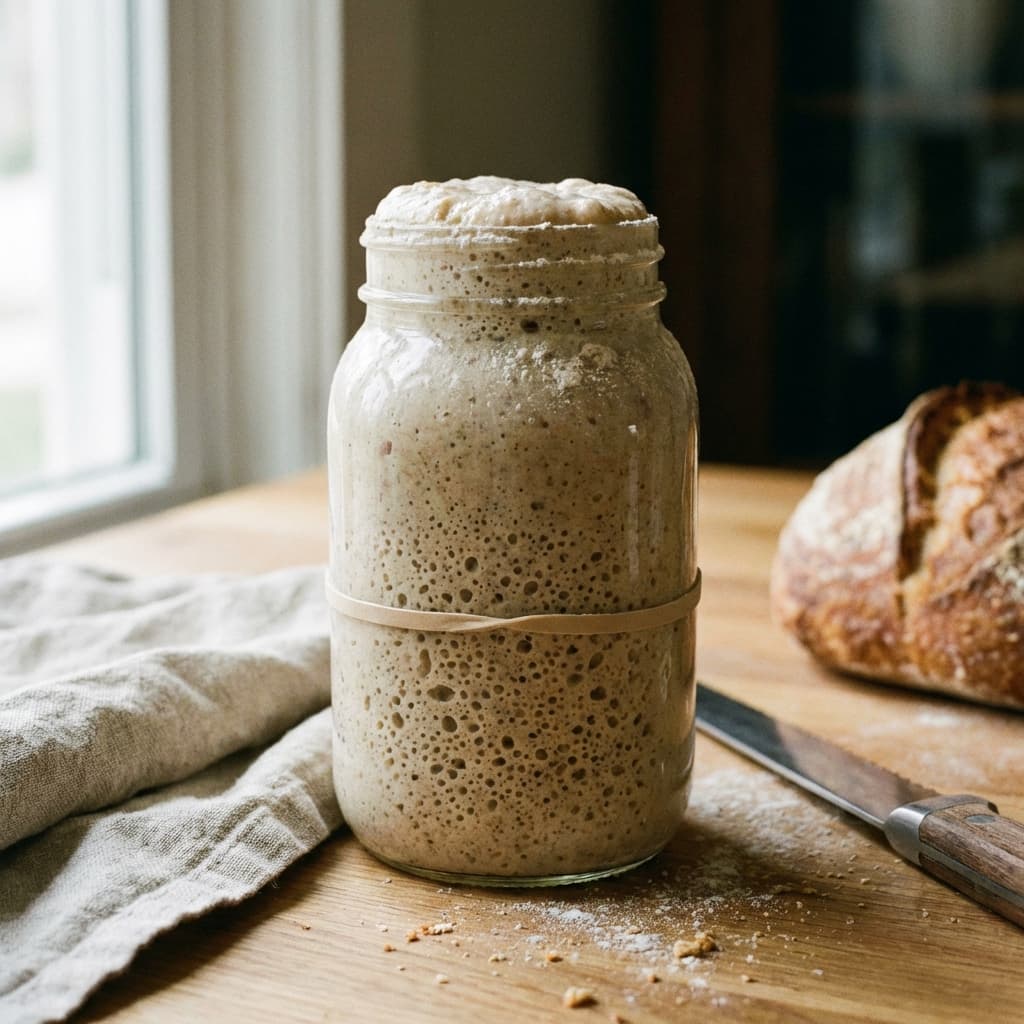
Sourdough Starter
A living culture you can keep alive with a jar, flour, and routine.