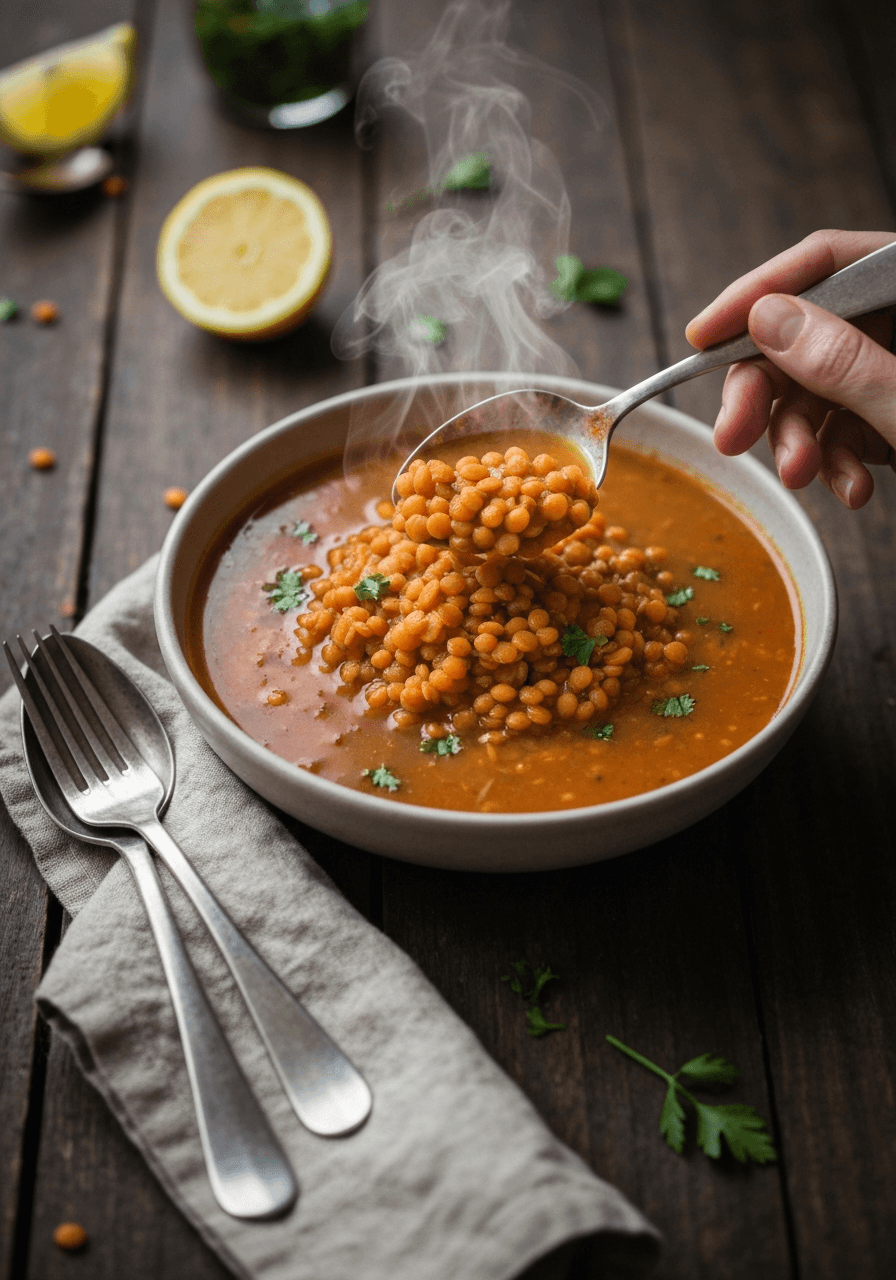
Red Lentil Soup
Ugly brown mush that tastes like heaven. Lemon is mandatory.
Master acid balancing with this red lentil soup. Cumin bloomed in fat, lentils that dissolve naturally, and lemon juice that transforms bland into brilliant.
Bloom the spices in fat first. Red lentils dissolve completely to thicken naturally. Add lemon juice off heat—heat kills fresh lemon flavor.
The fit, timing, and key move are all here. If it is a yes, go straight into cook mode.
Ugly brown mush that tastes like heaven. Lemon is mandatory.
Timing note: 45 mins
Set your units, then drop the ingredients into grocery if this is happening later.
What matters before the pan gets hot
The shortest path to understanding the dish, the key move, and whether tonight is the right time to cook it.
The Hook
This recipe proves that legumes need aggressive seasoning. They're inherently bland and earthy, so you have to hit them hard with salt, acid, and fat. The lemon isn't optional—it's structural.
The Technique
The 'bloom' technique (frying spices in fat) releases fat-soluble flavor compounds that water alone can't extract. Red lentils break down because they're hulled and split, exposing more surface area to water. Their starch thickens the soup without any need for a blender.
The History
Originates from the Levant and Turkey, where it's known as Mercimek Çorbası. This style of lentil soup has been a staple for centuries.
Food Facts
Sourced notes. Tap to verify.
An emulsion is a stable mixture of two liquids that normally do not mix, like oil and water. Many dressings and sauces rely on emulsifiers and whisking to hold that texture.
The browned bits stuck to the pan (fond) dissolve into liquid when deglazed, creating a fast flavor base for sauces.
Master acid balancing with this red lentil soup. Cumin bloomed in fat, lentils that dissolve naturally, and lemon juice that transforms bland into brilliant.
Nutrition per Serving
Estimated valuesSatiety
Data estimatedTechnique, context, and fallback plans
The reason the method works, the prep you can do early, and what to change if the dish starts drifting.
This soup looks terrible. It's brown sludge in a bowl. But it's the perfect lesson in acid balancing and flavor layering.
Without the lemon juice at the end, this is bland baby food. With the lemon, it sings. The acid cuts through the earthy, muddy lentil base and brings everything into focus. It's the difference between forgettable and crave-worthy.
Red lentils are the only legume that dissolves completely during cooking, releasing their starch to thicken the soup naturally. You don't need a blender, flour, or cream. The lentils do the work themselves, breaking down into a smooth, creamy puree.
The most critical step is the bloom—frying the spices in fat at the beginning. If you just boil spices in water, they taste dusty and flat. But when you fry cumin and chili flakes in oil, you release their essential oils, deepening the flavor exponentially. The tomato paste gets the same treatment, caramelizing until it's brick red and sweet instead of raw and metallic.
Tastes bland or muddy?
You didn't add enough lemon or salt. Legumes need aggressive seasoning. Add more lemon juice, 1 tablespoon at a time, until it tastes bright. Then adjust salt.
Soup is too thick?
Red lentils absorb liquid like a sponge. Just add more water or stock, a half cup at a time, until you reach your desired consistency. Reheat gently.
Use this in Focus
Turn this nutrition profile into a week you can plan, shop, and actually cook.
Set up, cook, and remember what worked
The mise, the method, your notes, and the next recipes to master after this one lands.
The Setup
- Large Pot4-6 qt
- Wooden Spoon
The Mise en Place
5 of 11Your prep station before cooking begins
The Spices (0/3)
Chef's Notes
The bloom is critical—frying spices in fat releases oils that boiling in water can't extract.
Red lentils thicken as they cool. If leftovers are too thick, just add water when reheating.
Serve with crusty bread, a drizzle of olive oil, and extra lemon wedges.
BLOOM
Time-sensitiveHeat olive oil (3 tbsp) in a large pot over medium heat. Add onion (1 large) and cook until soft, about 5 minutes. Add garlic (3 cloves), tomato paste (2 tbsp), cumin, and chili flakes. Cook, stirring constantly, until the paste turns brick red, about 3 minutes.
Do not burn the garlic—if it turns black, start over • Paste deepens to dark red-brown, smells toasted • Fragrant, toasted spices—not dusty or raw
Burn risk: Spices scorch fast. Keep heat moderate and stir; once fragrant, add liquid or aromatics.
Scorch risk: Tomato paste can blacken quickly. Keep it moving; if it burns, it will taste bitter.
Tomato paste is brick red, not raw orange
SIMMER
Add lentils and stock. Bring to a boil, then reduce heat to low and simmer uncovered for 30-40 minutes, stirring occasionally.
Do not salt yet—salting too early can make lentil skins tough • Soup looks like loose, creamy porridge—no whole lentils visible • Earthy, warm aroma
Scorch risk: Reductions can go from perfect to burnt fast. Keep an eye on the bottom and stir if needed.
Lentils have disintegrated into a creamy puree
DISSOLVE
Continue cooking until lentils have completely broken down. The soup should be thick and creamy. If too thick, add water to adjust consistency.
Red lentils drink water like a sponge—adjust consistency as needed • Thick, creamy texture like split pea soup
Soup is smooth, no visible lentil pieces
FINISH
Remove from heat. Stir in lemon (1 whole) juice, cilantro, and salt (1 tsp) to taste.
Heat kills fresh lemon flavor—always add acid off the heat • Flecks of green cilantro throughout • Bright lemon aroma cuts through earthy lentils
Soup tastes bright and balanced, not muddy
Service Log
Log your variables. Iterate like a pro.
Clean slate.
Log your variables after the first run.
Master These Next
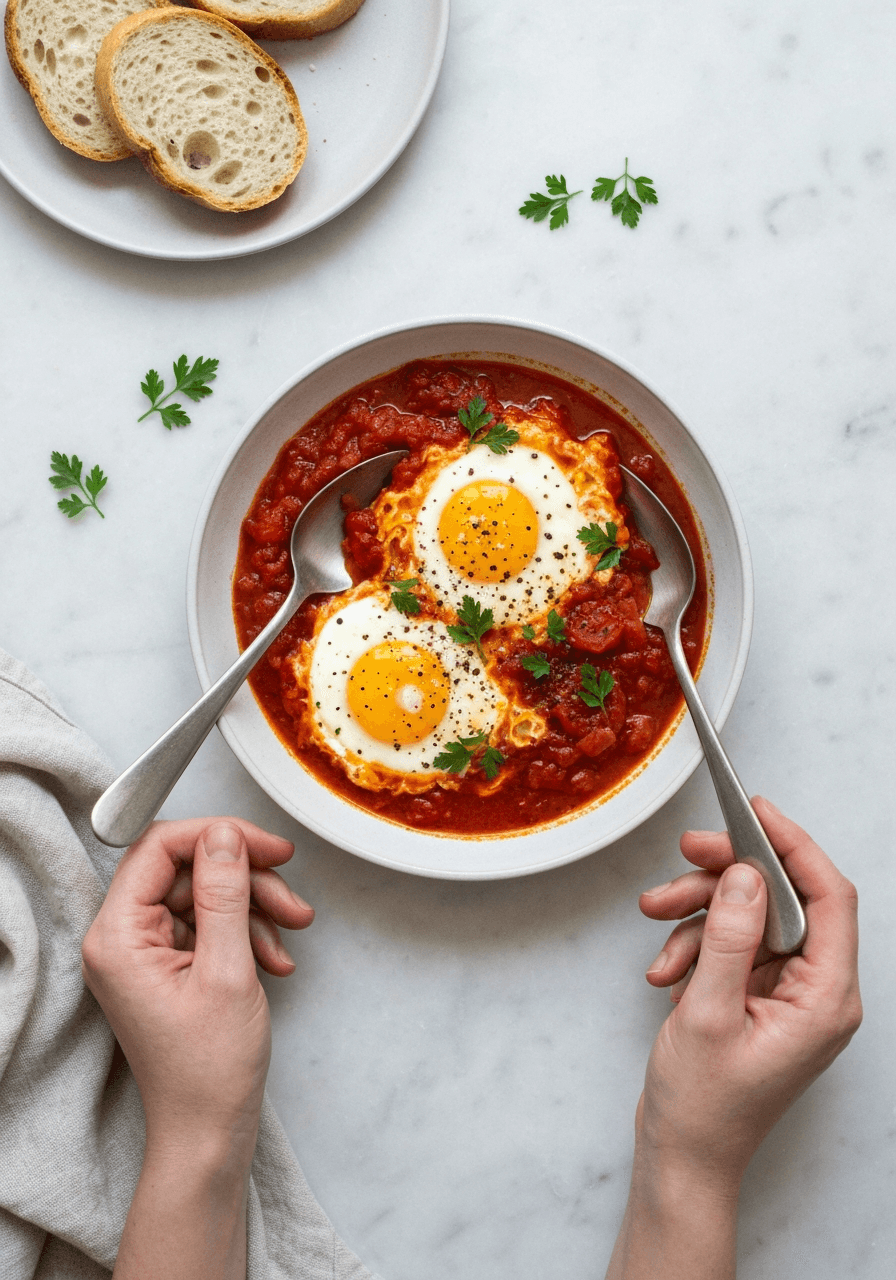
Shakshuka
Eggs poached in spicy tomato purgatory. Bread required.
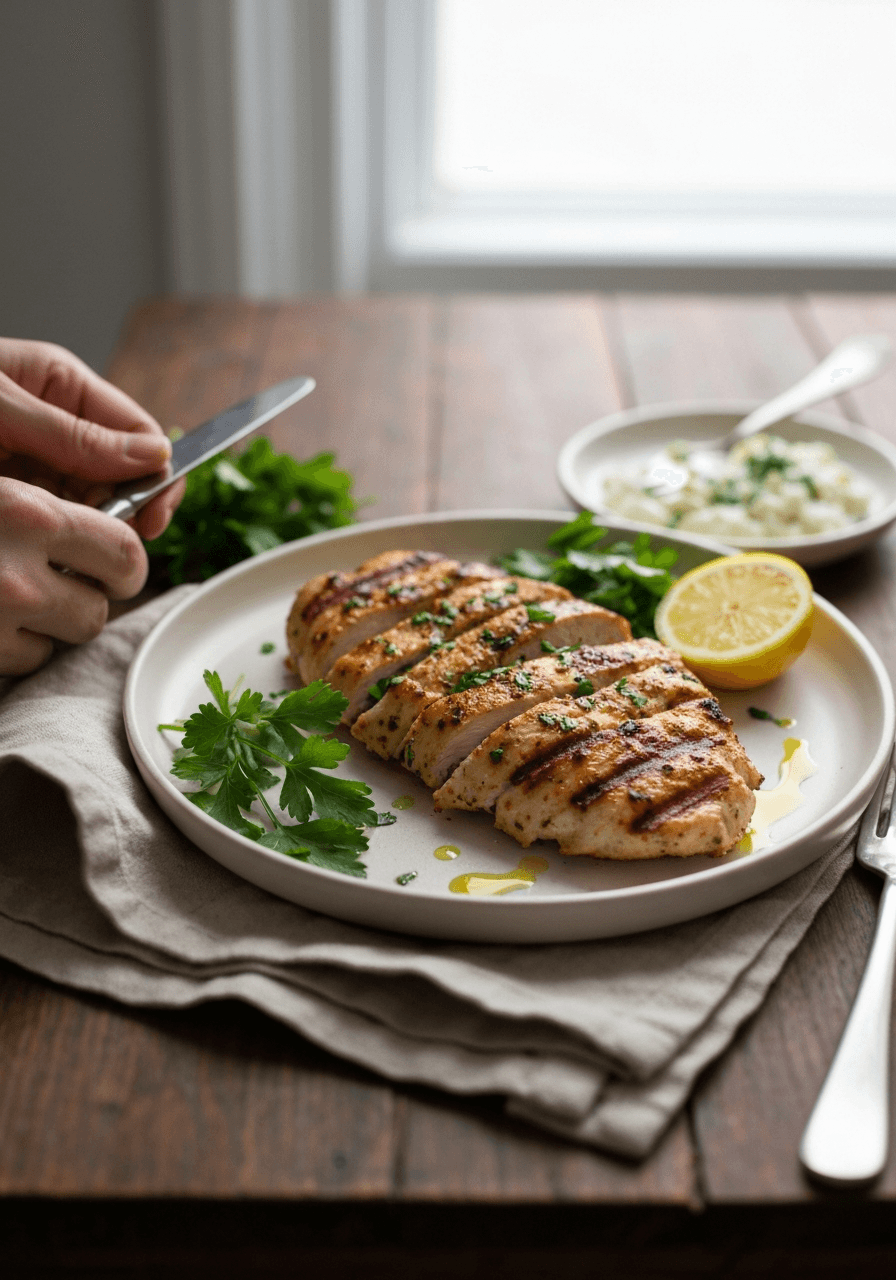
Oven-Roasted Chicken Shawarma
No spit required. Lemon, cumin, and a screaming hot oven.
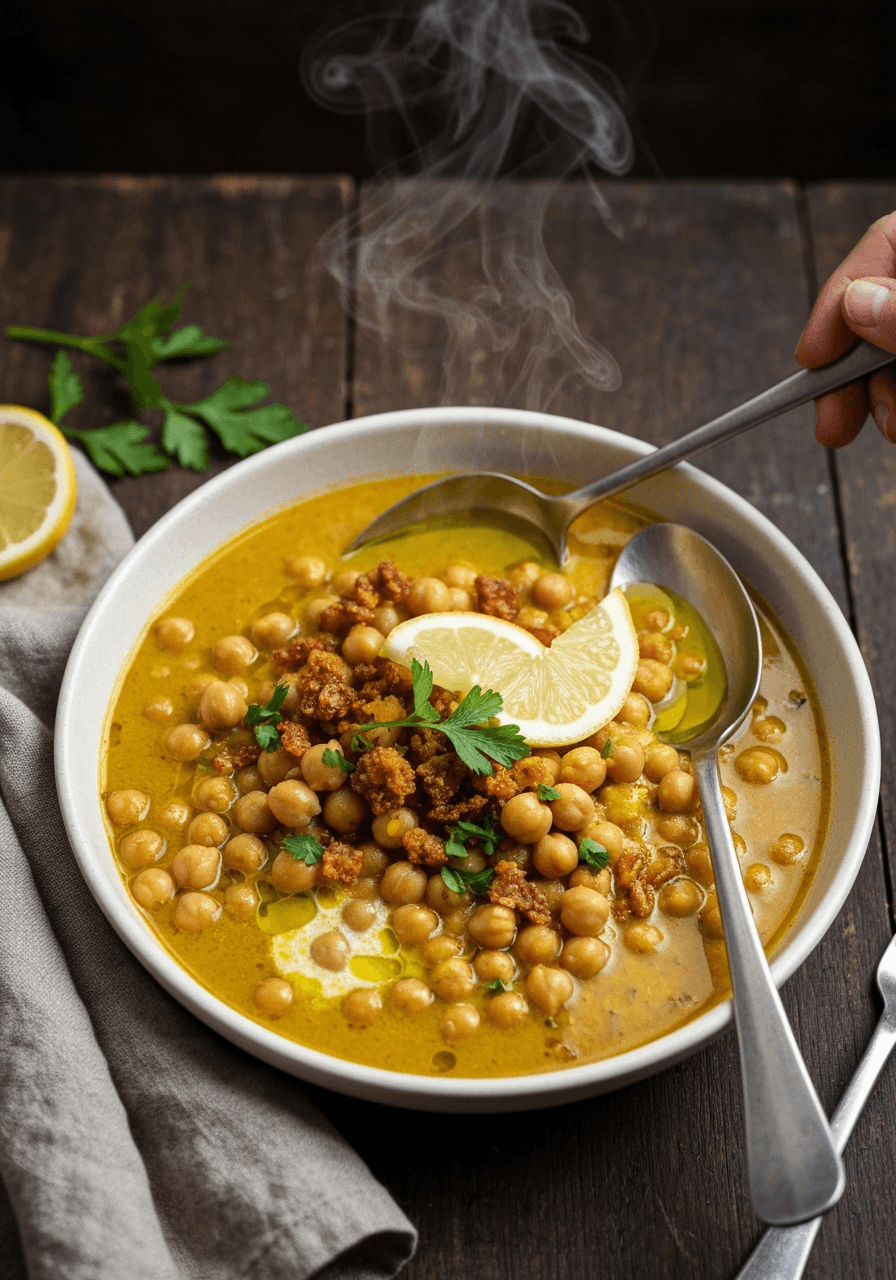
Spiced Chickpeas
Crispy bits, creamy broth, and a turmeric gold rush.