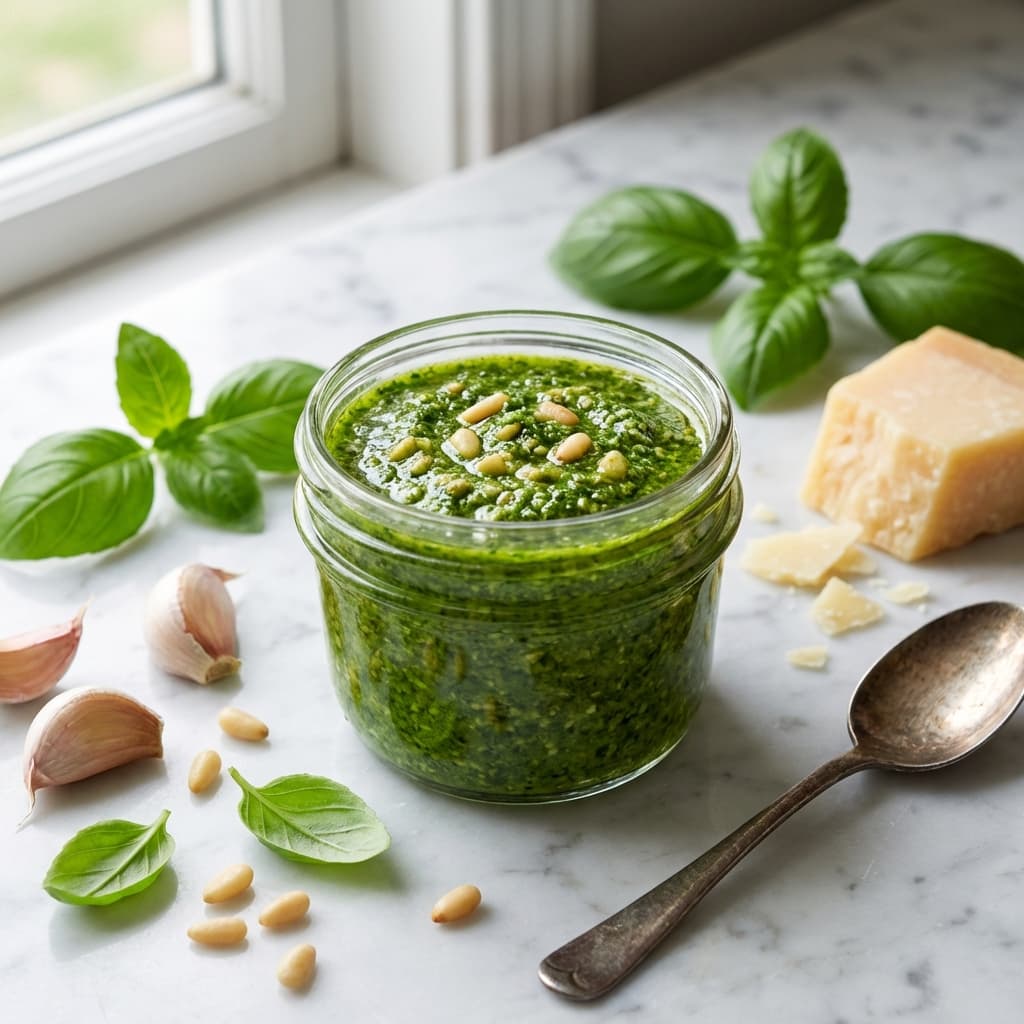
Pesto (Basil Pesto + Variations)
Classic basil pesto plus variations you can make with whatever greens you have.
Make vibrant pesto with our recipe for classic basil pesto and variations, learning to achieve the perfect spoonable consistency by streaming in the oil
Stream the oil into the food processor while it's running, watching for a spoonable consistency; too much oil makes it thin, too little makes it dry.
The fit, timing, and key move are all here. If it is a yes, go straight into cook mode.
Classic basil pesto plus variations you can make with whatever greens you have.
Timing note: 30 mins
Set your units, then drop the ingredients into grocery if this is happening later.
What matters before the pan gets hot
The shortest path to understanding the dish, the key move, and whether tonight is the right time to cook it.
The Hook
Pesto isn't a sauce. It's a damn shortcut. Your last chance to save wilted basil before it becomes compost.
The Technique
The oil stream is your tightrope. Too fast, you break the emulsion, creating a greasy mess. Too slow, it's dry and sad. We're building a stable matrix with basil lecithin and Parmesan proteins to suspend those oil droplets. Get it wrong, and you've just wasted good olive oil.
The History
Straight outta Liguria, Italy. Forget your fancy stories. This is peasant food, born from necessity and a glut of basil. It's the quick fix for a cook who needs flavor *now*, not some slow-cooked bullshit.
Food Facts
Sourced notes. Tap to verify.
Fermentation uses microorganisms to transform foods, often improving shelf life, flavor, and texture. It is one of the oldest food-processing techniques.
Make vibrant pesto with our recipe for classic basil pesto and variations, learning to achieve the perfect spoonable consistency by streaming in the oil
Nutrition per Serving
Estimated valuesSatiety
Data estimatedTechnique, context, and fallback plans
The reason the method works, the prep you can do early, and what to change if the dish starts drifting.
Pesto is not "a sauce." It's a shortcut: concentrated herb flavor you can deploy whenever a meal needs a backbone. It's also the fastest way to use basil before it turns into a limp green apology in your fridge.
My pesto is looking dry and crumbly, not coming together like a paste.
Ah, that happens when we don't quite get enough oil in there.
My pesto is too thin and oily, almost soupy.
It sounds like we might have added a bit too much oil. Don't worry, we can often fix this. Try adding a small handful of your nuts (or whatever you used) and pulse them in. That wi…
Set up, cook, and remember what worked
The mise, the method, your notes, and the next recipes to master after this one lands.
The Setup
- Food Processor
- Cutting Board
- Chef's Knife
The Mise en Place
5 of 8Your prep station before cooking begins
Chef's Notes
For brighter pesto, blanch basil leaves for 10 seconds before blending. Shock in ice water to stop cooking.
Toast pine nuts lightly before adding to pesto. This deepens their flavor and adds a subtle crunch.
Stir pesto into warm pasta, spread on sandwiches, or dollop onto grilled chicken or fish.
Swap pine nuts for toasted walnuts or almonds for a different nutty flavor profile.
PULSE
In a food processor: nuts + garlic + cheese + salt. Pulse until sandy.
ADD BASIL
Add basil and pulse a few quick bursts.
STREAM OIL
With the processor running, stream in oil until spoonable.
FINISH
Taste. Add lemon if it tastes flat. Adjust salt carefully.
Service Log
Log your variables. Iterate like a pro.
Clean slate.
Log your variables after the first run.
Related Techniques
Master These Next
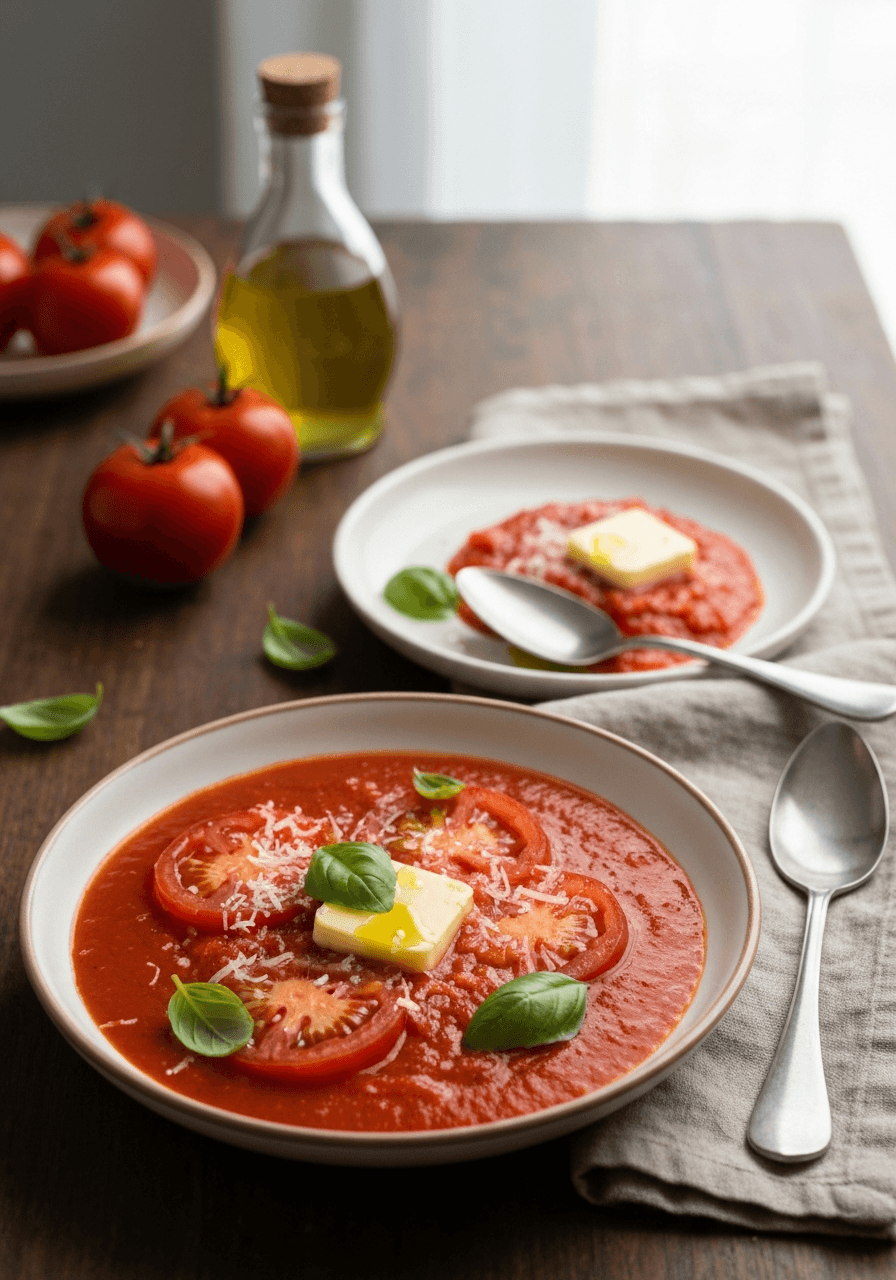
3-Ingredient Tomato Sauce
Tomatoes, butter, onion. No chopping. Pure alchemy.
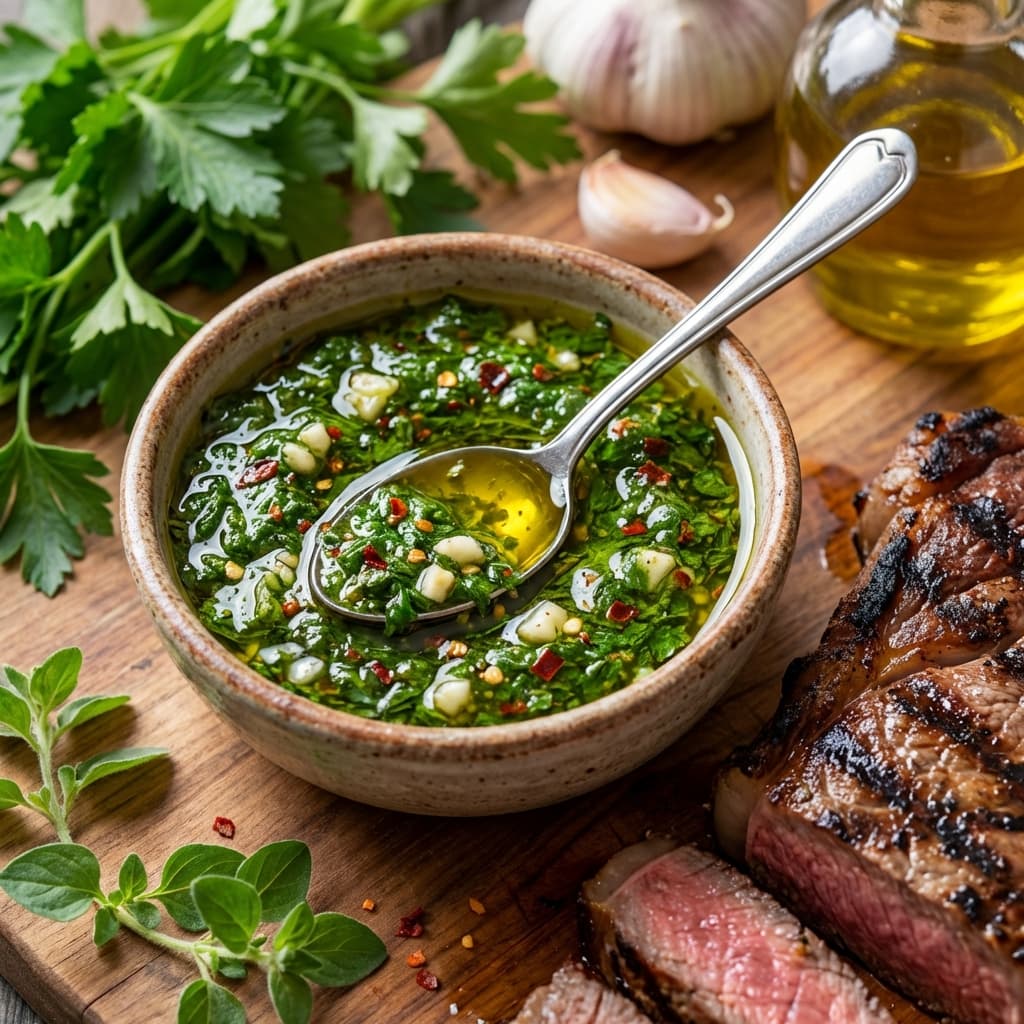
Chimichurri
Herb lightning--acid, salt, and green fire.
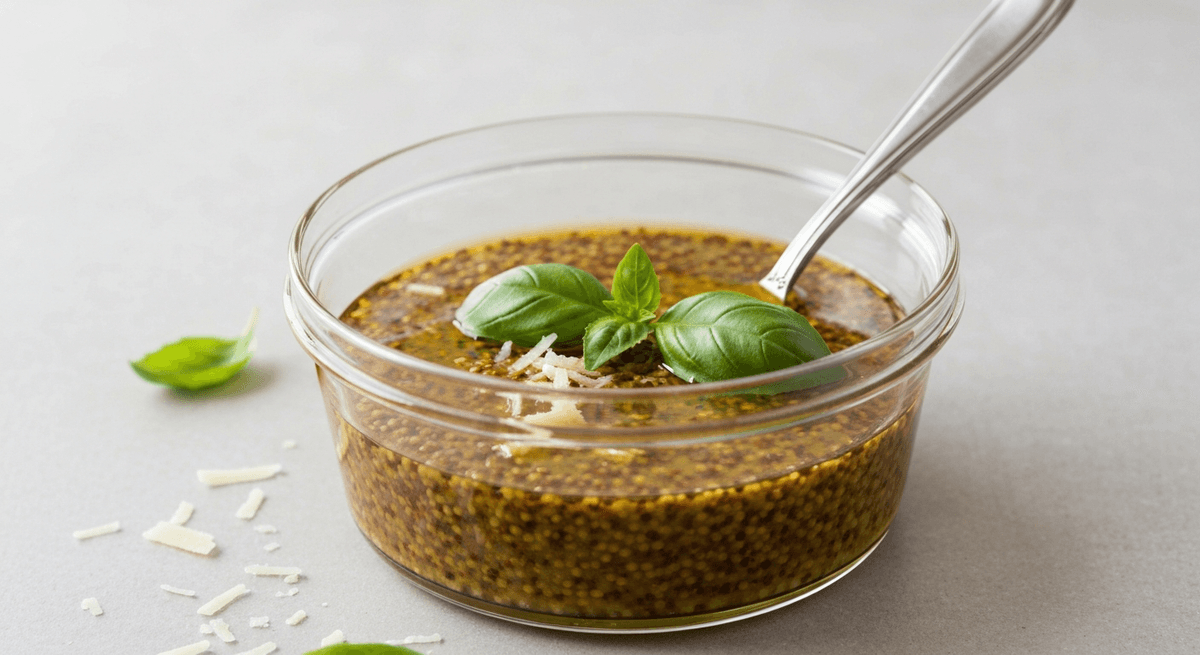
Cane-Syrup Dijon Vinaigrette for Bitter Greens
Deep sweetness + sharp mustard makes greens craveable.