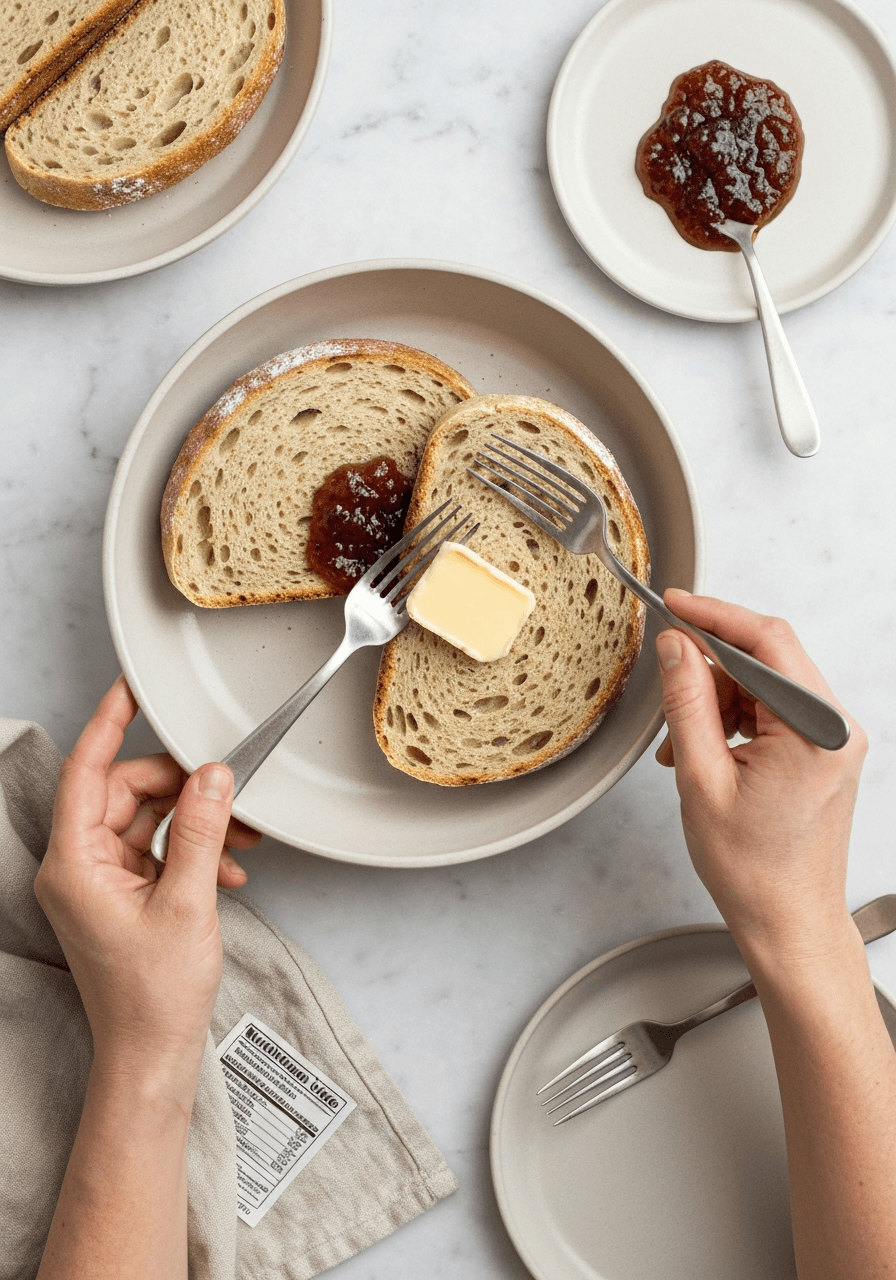
No-Knead Bread
Time replaces labor. The easiest best bread you will ever bake.
Master no-knead bread with time and fermentation. Minimal yeast, 18-hour rise, Dutch oven baking creates professional sourdough-like crumb with zero kneading ef
Time replaces kneading. Gluten develops through hydration and 18-hour fermentation, not punching. Dutch oven traps steam for crispy crust.
The fit, timing, and key move are all here. If it is a yes, go straight into cook mode.
Time replaces labor. The easiest best bread you will ever bake.
Timing note: 18 hours passive
Set your units, then drop the ingredients into grocery if this is happening later.
What matters before the pan gets hot
The shortest path to understanding the dish, the key move, and whether tonight is the right time to cook it.
The Hook
You cannot make good pizza or bread dough in 2 hours. Flavor comes from fermentation. By slowing down the yeast with minimal quantities and long cold/room-temp rises, we create complex acids and relax the gluten so it stretches without snapping back.
The Technique
Gluten forms when flour proteins (glutenin and gliadin) hydrate and align. Kneading speeds this up, but time does it better—long fermentation allows enzymes to break down starches into sugars (flavor) while gluten organizes naturally. The Dutch oven mimics a professional steam oven, keeping the crust soft initially so the loaf expands fully before setting.
The History
Sullivan Street Bakery, NYC, popularized by Jim Lahey and Mark Bittman in 2006.
Food Facts
Sourced notes. Tap to verify.
Fermentation uses microorganisms to transform foods, often improving shelf life, flavor, and texture. It is one of the oldest food-processing techniques.
Caramelization comes from sugar breakdown at high heat, while Maillard browning involves amino acids and sugars together.
Master no-knead bread with time and fermentation. Minimal yeast, 18-hour rise, Dutch oven baking creates professional sourdough-like crumb with zero kneading ef
Nutrition per Serving
Estimated valuesSatiety
Data estimatedTechnique, context, and fallback plans
The reason the method works, the prep you can do early, and what to change if the dish starts drifting.
Most people think gluten is developed by kneading—punching and working the dough until your arms ache. Wrong. Gluten is developed by hydration and time. In this recipe, biology does the work for 18 hours while you sleep or go about your day. The result is a crumb structure that looks like professional sourdough with zero physical effort.
Jim Lahey at Sullivan Street Bakery in New York popularized this technique in 2006, and it changed home baking forever. The breakthrough wasn't just the no-knead method—it was the Dutch oven. By baking bread in a covered pot, you trap steam, creating the same humid environment as a professional steam-injected oven. That steam is what gives you the shatteringly crisp, crackled crust.
The tiny amount of yeast is intentional. Too much yeast creates a beer-like flavor and rushed fermentation. We want slow, complex flavor development. The dough transforms from a sticky, ugly mass into an airy, structured loaf purely through chemistry and patience.
This is bread for people who thought bread baking was too hard. It's not hard—it just requires trust in time.
Bread is flat or dense?
Your yeast was dead, or you didn't let it rise the full 18 hours.
Bottom is burnt?
Your oven runs hot on the bottom. Place a sheet pan on the rack under the Dutch oven to deflect direct heat. Some ovens have hot spots—rotating the pot halfway through helps.
Set up, cook, and remember what worked
The mise, the method, your notes, and the next recipes to master after this one lands.
The Setup
- Dutch Oven6-8 qt·Cast iron or enameled cast iron with oven-safe lid
- Large Mixing Bowl
- Cotton TowelNot terry cloth—use smooth cotton
The Mise en Place
4Your prep station before cooking begins
The Dough (0/4)
Chef's Notes
Use a kitchen scale for accuracy—bread is chemistry, and volume measurements can vary.
If dough is overproofed (collapses when touched), it's past its prime. Start over—there's no salvaging it.
Store at room temperature in a cloth bag or wrapped in a towel. Never refrigerate—it goes stale faster.
MIX
In a large bowl, combine flour, yeast, salt, and water (1⅝ cups). Mix with a wooden spoon until combined—it will look ugly, sticky, and shaggy. Do not knead.
The shaggy mess is intentional—time does the work, not your hands • Wet, lumpy dough with no dry flour pockets
Dough is sticky and rough, all flour is hydrated
REST
Time-sensitiveCover bowl tightly with plastic wrap. Let sit at room temperature (65-75°F) for 18 hours.
This long fermentation develops flavor and gluten structure—don't rush it • Dough has doubled, surface covered in bubbles • Slightly yeasty, fermented smell
Surface is dotted with bubbles and jiggles like jelly
FOLD
Turn dough out onto a well-floured surface. Fold it over itself twice, forming into a rough ball. Let rest uncovered for 15 minutes.
Gentle folds preserve the gas bubbles created during fermentation • Ball of dough relaxing on counter
Dough holds shape loosely
SHAPE
Time-sensitiveShape dough into a ball with floured hands. Place seam-side down on a heavily floured cotton towel. Cover with another towel. Let rise for 2 hours.
The towel prevents sticking—use plenty of flour • Puffy, risen ball
Dough has doubled again
PREHEAT
Time-sensitive30 minutes before baking, place a covered 6-8 qt Dutch oven in the oven and preheat to 450°F (230°C).
The pot MUST be scorching hot—cold pot = dense brick
Pot is dangerously hot
BAKE
Time-sensitiveCarefully remove hot pot. Turn dough seam-side up into pot (use towel to flip). Cover with lid. Bake 30 minutes covered.
Covered baking traps steam, creating the crispy crust • Bread baking smell
Lid is on, bread is enclosed
FINISH
Time-sensitiveRemove lid. Bake uncovered for 15-20 more minutes until deep golden brown.
Uncovered baking deepens color and crisps the crust • Dark amber crust with crackled surface • Caramelized crust smell
Crust is dark golden, sounds hollow when tapped on bottom
COOL
Turn bread out onto a wire rack. Let cool completely before slicing—at least 1 hour.
Cutting hot bread releases steam and makes it gummy • Steam has stopped rising
Bread is room temperature
Service Log
Log your variables. Iterate like a pro.
Clean slate.
Log your variables after the first run.
Master These Next
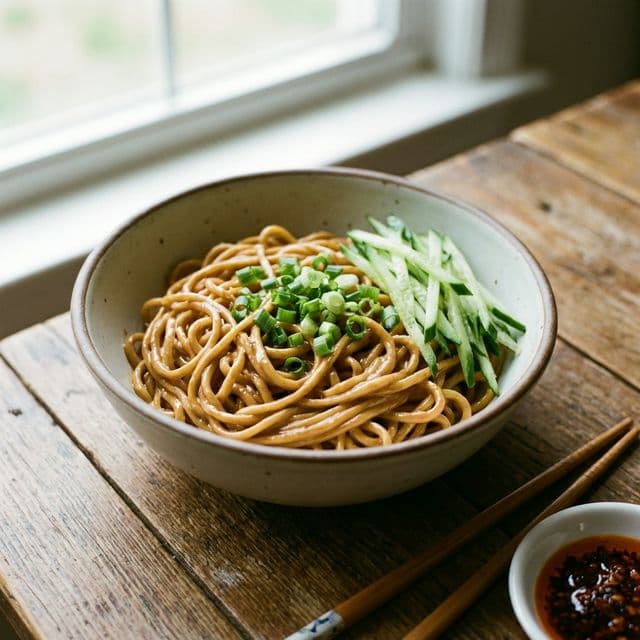
Takeout-Style Sesame Noodles
Cold noodles, hot sauce. Peanut butter and sesame paste sludge.
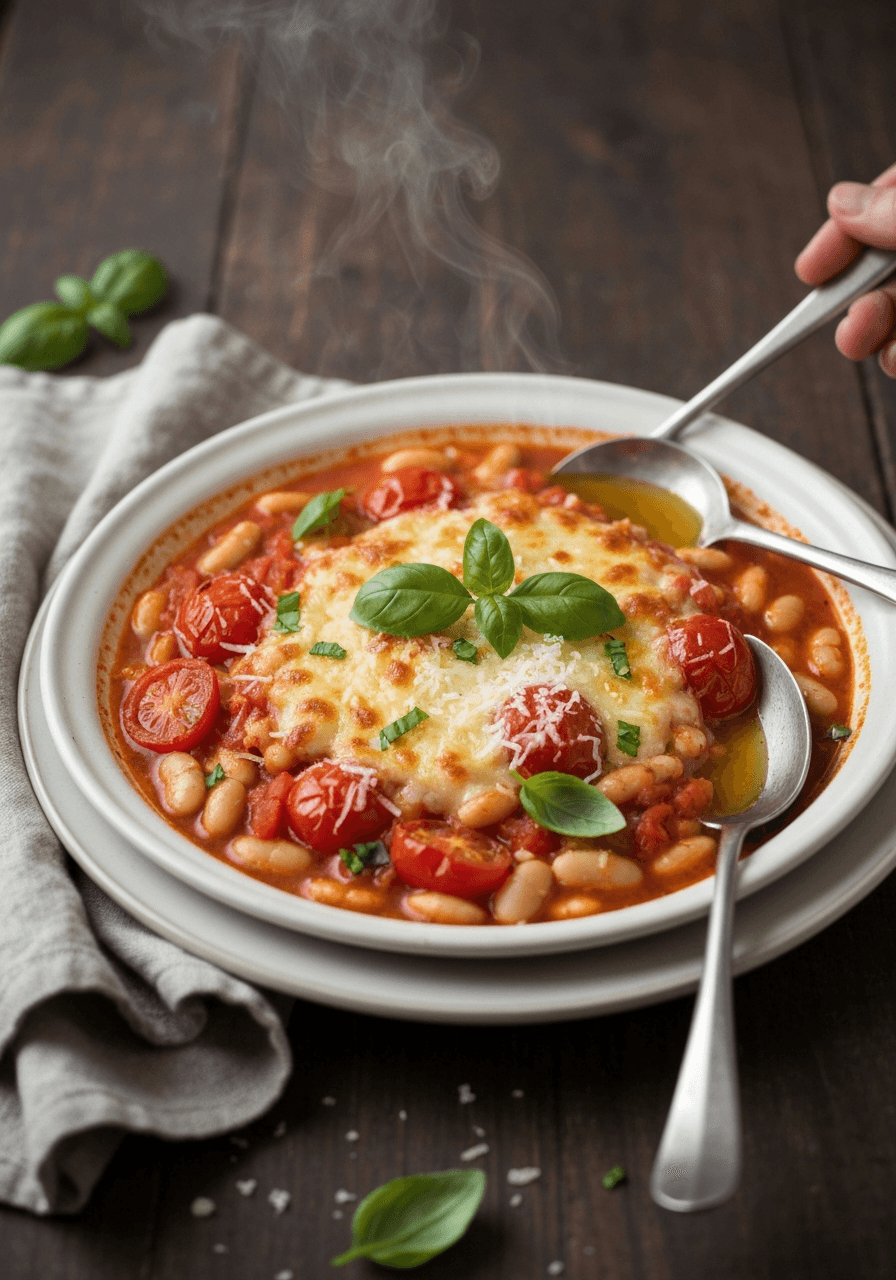
Roasted Tomato & White Bean Stew
Pizza Beans. Crispy cheese, bursting tomatoes, zero effort.
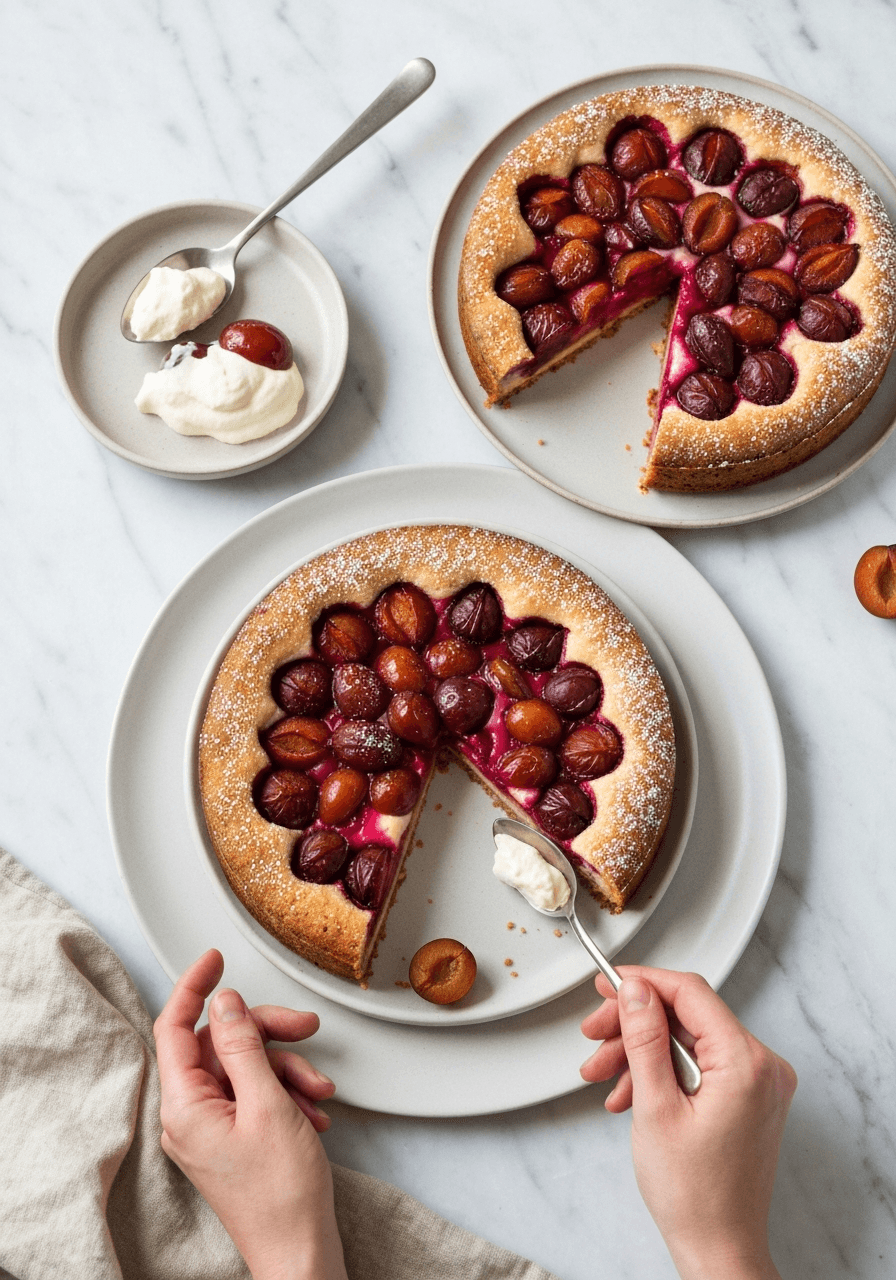
Original Plum Torte
The most published recipe in history. Fruit sinks, batter rises.