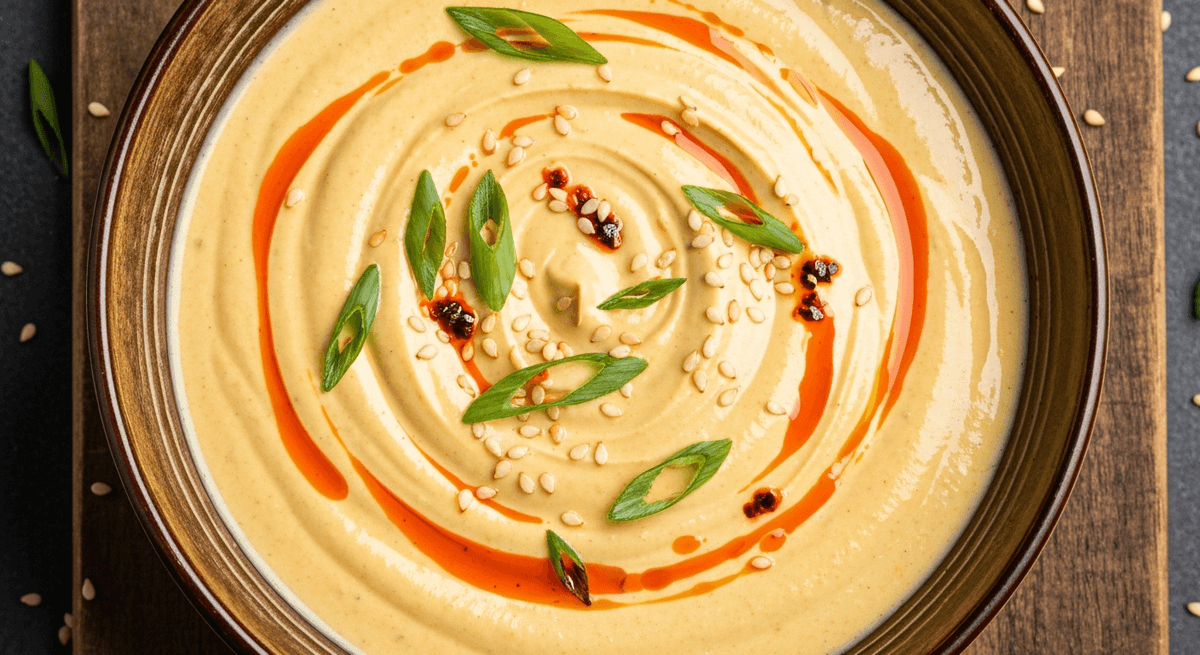
Miso Tahini Sauce (Umami, Not Salty)
Savory, creamy, and bright: the fastest sauce upgrade for bowls and roasted vegetables.
Creamy miso tahini sauce with clean umami. Balanced with lemon and water so it stays savory, not salty.
Thin with water after lemon hits--miso tahini should be pourable and balanced, not paste-like and salty.
The fit, timing, and key move are all here. If it is a yes, go straight into cook mode.
Savory, creamy, and bright: the fastest sauce upgrade for bowls and roasted vegetables.
Timing note: 8 mins
Set your units, then drop the ingredients into grocery if this is happening later.
What matters before the pan gets hot
The shortest path to understanding the dish, the key move, and whether tonight is the right time to cook it.
The Hook
This ain't salt lick. It's umami. Thin it with water and lemon, not sugar, or you're just a hack.
The Technique
Miso's salt needs taming. Adding water and acid breaks down the paste's salinity while preserving its glutamates. Tahini, a stable emulsion, binds it all. Over-salting and trying to mask it with sugar is amateur hour; this is about balance through dilution and pH.
The History
Forget the sanitized stories. This is born from necessity, a fusion of Japanese miso's fermented depth and Middle Eastern tahini's nutty richness. It’s not about tradition; it’s about flavor, a bastard child of necessity and taste, proving umami doesn't need a passport.
Food Facts
Sourced notes. Tap to verify.
When starch granules heat in water, they absorb moisture and swell, thickening the liquid. This is the basic physics behind many sauces, custards, and pan gravies.
Creamy miso tahini sauce with clean umami. Balanced with lemon and water so it stays savory, not salty.
Nutrition per Serving
Estimated valuesSatiety
Data estimatedTechnique, context, and fallback plans
The reason the method works, the prep you can do early, and what to change if the dish starts drifting.
Miso, that fermented soybean paste, holds a delicate balance. It can be a profound source of umami, a fifth taste that deepens flavor, or it can overwhelm with pure saltiness. Many sauces falter by treating miso as an afterthought, a mere splash of seasoning. But here, it’s the heart, the soul of the sauce, elevated by the nutty richness of tahini. This isn't just about combining ingredients; it's about coaxing out harmony.
The transformation from a thick paste to a silken elixir is where the magic truly lies. Tahini provides a luxurious, creamy foundation, while a bright squeeze of lemon cuts through the richness, preventing it from becoming heavy. The crucial step, however, is the judicious addition of water. This isn't about masking saltiness with sweetness, but about achieving true balance. It turns the potent miso and dense tahini into a pourable, vibrant sauce that clings beautifully to everything it touches, making roasted vegetables sing and grain bowls feel like a masterpiece.
My sauce is really thick and chalky, not creamy at all.
Ah, that happens! Tahini can be dense. You need a little more water to coax out that creaminess. Add it a tablespoon at a time, whisking hard after each addition. You're looking fo…
This tastes way too salty, and it's a bit thick too.
Got it. A little too much salt punch, eh? Let's balance that. Whisk in another tablespoon or two of water, and a teaspoon of lemon juice to brighten it up. For next time, if your m…
Set up, cook, and remember what worked
The mise, the method, your notes, and the next recipes to master after this one lands.
The Setup
- Mixing Bowl
- Whisk
The Mise en Place
5 of 6Your prep station before cooking begins
Chef's Notes
Refrigerate up to 5 days. Sauce thickens—thin with a splash of water.
WHISK
Prep aheadWhisk tahini (¼ cups), miso, lemon juice (2 tbsp), and water (¼ cups) until smooth. Add garlic (1 clove) and sesame oil if using.
Miso dissolves best when whisked into acid and water with tahini. • Smooth tan sauce that ribbons off a spoon • Sesame-lemon aroma with savory depth
Sauce is creamy and cohesive, not clumpy
ADJUST
Prep aheadAdd water (¼ cups) 1 tbsp at a time until pourable. Taste--if too salty, add 1 tbsp water and 1 tsp lemon juice (2 tbsp).
Dilution + acid is the fix for saltiness, not sweetener. • Pourable consistency without breaking • Bright finish, not salty punch
Balanced umami with clean brightness
Service Log
Log your variables. Iterate like a pro.
Clean slate.
Log your variables after the first run.
Related Techniques
Master These Next
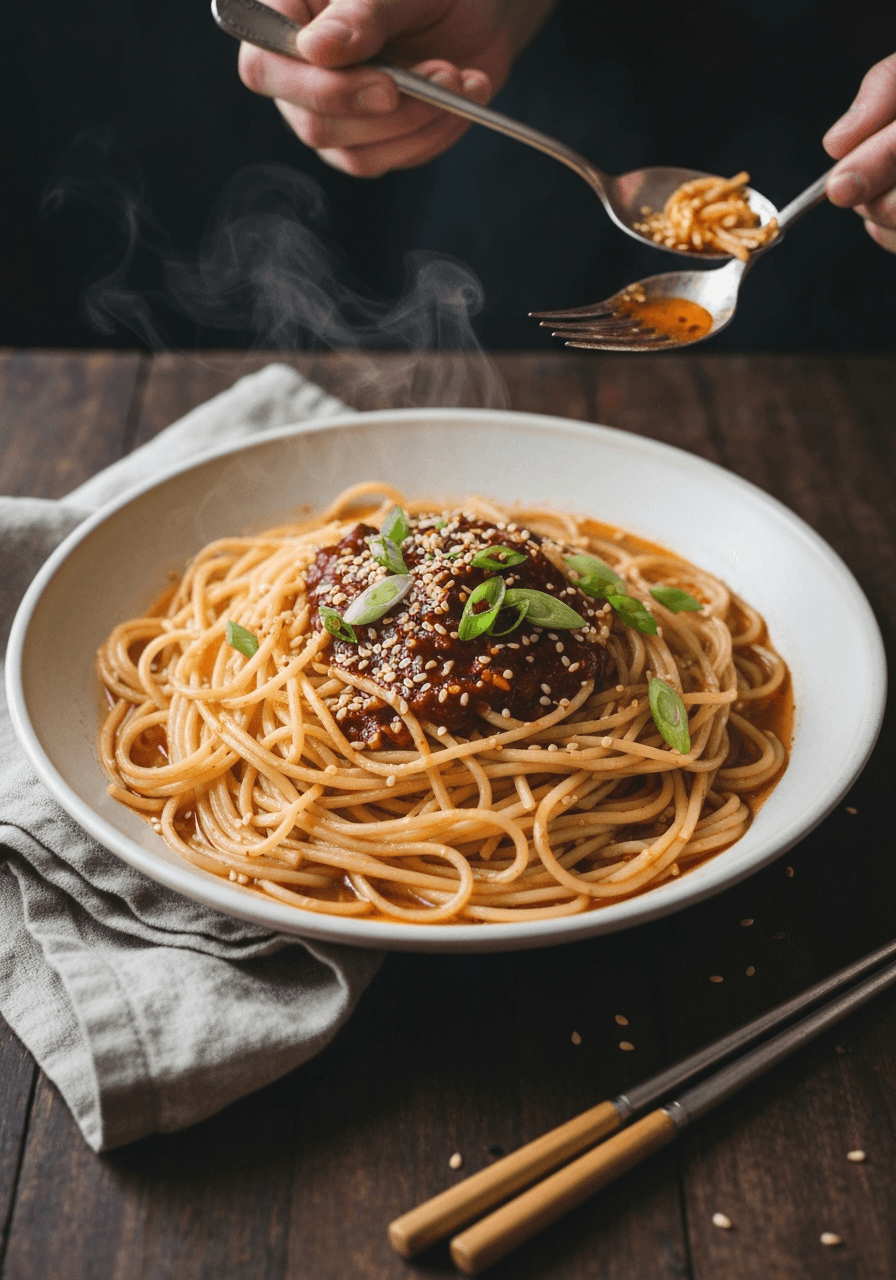
Gochujang Butter Noodles
Spaghetti meets Korean fermentation. 10 minutes to glory.
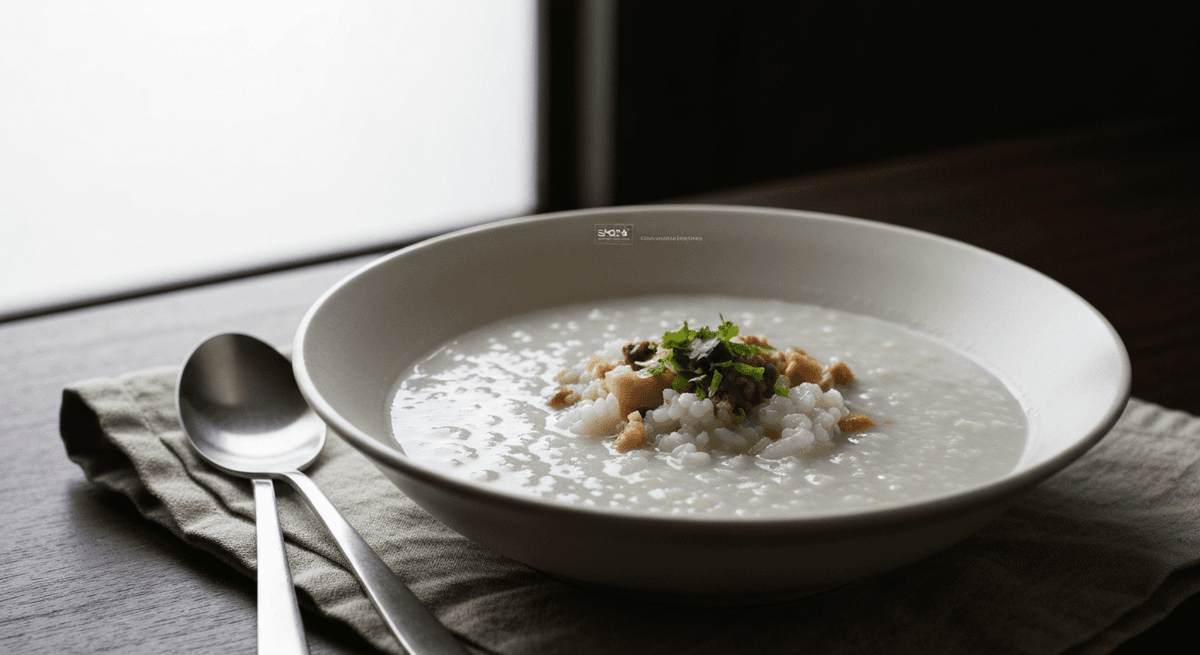
Congee — Silky Rice Porridge
Experience the ultimate comfort food with this silky smooth rice porridge. Customize with your favorite savory toppings for a nourishing and satisfying meal.
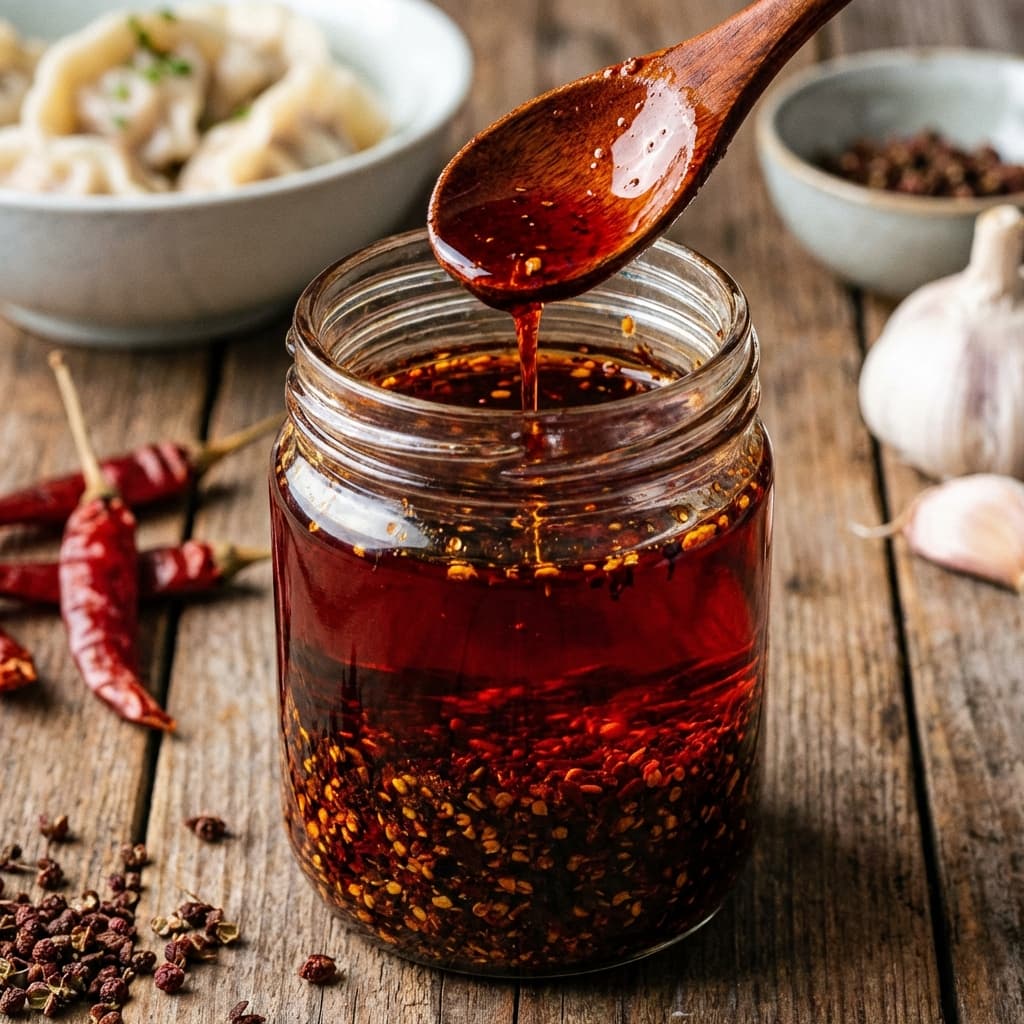
Sichuan Chili Oil (Hong You) -- Weeknight Jar
The 5-minute jar that makes everything taste like a restaurant.