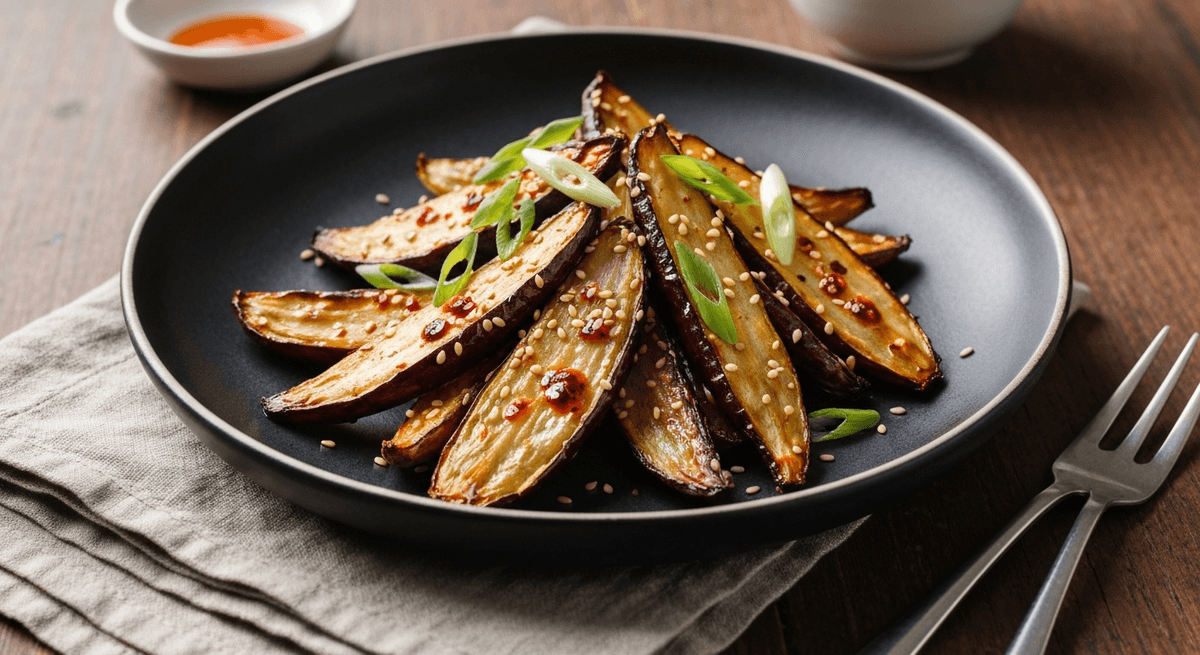
Miso Roasted Vegetables (Umami, Not Sweet)
Vegetables that taste deep and savory without added sugar. Thin miso glaze, high heat, crisp edges.
Roasted vegetables with a miso glaze that tastes savory and deep, not sugary. Big umami, crisp edges, and a clean finish.
Use a thin miso glaze and roast at 425F--thick miso burns before vegetables brown.
The fit, timing, and key move are all here. If it is a yes, go straight into cook mode.
Vegetables that taste deep and savory without added sugar. Thin miso glaze, high heat, crisp edges.
Timing note: 40 mins
Set your units, then drop the ingredients into grocery if this is happening later.
What matters before the pan gets hot
The shortest path to understanding the dish, the key move, and whether tonight is the right time to cook it.
The Hook
Miso isn't sugar. Don't treat it like some sticky-sweet bullshit. Roast it hot and fast, or you're just burning paste.
The Technique
Miso's proteins and sugars caramelize like crazy. Too thick, and it scorches before the veg even soften. A thin coat, high heat – that's the Maillard reaction doing its dirty work, browning the veg and developing that deep, savory flavor without turning into charcoal.
The History
Forget your sweet glazes. This is about harnessing the funk of fermented soybeans, a Japanese staple, for pure umami. It's not about delicate sweetness; it's about depth. We're borrowing a trick from the East to make boring veg sing, no sugar needed.
Food Facts
Sourced notes. Tap to verify.
The Maillard reaction is a chemical reaction between amino acids and sugars that creates many of the roasted, toasted, and deeply savory flavors in cooked food.
Roasted vegetables with a miso glaze that tastes savory and deep, not sugary. Big umami, crisp edges, and a clean finish.
Nutrition per Serving
Estimated valuesSatiety
Data estimatedTechnique, context, and fallback plans
The reason the method works, the prep you can do early, and what to change if the dish starts drifting.
Most vegetable glazes rely on sugar, yielding a sticky sweetness that quickly becomes one-dimensional. This approach, however, misses the profound depth that miso brings to the table. Inspired by Japanese culinary traditions, this method harnesses miso's inherent savoriness to create a glaze that’s deeply umami, not sugary. It’s a clever shortcut to a restaurant-quality flavor profile, making humble vegetables taste remarkably complex.
The magic lies in the synergy of high heat and a restrained hand. Roasting concentrates the natural sweetness and earthy notes of vegetables like carrots and cauliflower, while a whisper-thin miso glaze caramelizes into a savory glaze. This technique avoids the burnt, bitter char that thick glazes can produce, instead achieving crisp edges and a clean, lingering taste. It’s a testament to the power of umami, proving that true depth doesn't require added sugar, just a thoughtful application of powerful ingredients.
My glaze looks burnt before the veggies are even soft.
Ah, that usually means the miso glaze was a bit too thick, or your oven runs a touch hot.
My vegetables are cooked but they didn't get any color.
If your veggies are tender but pale, the pan was likely too crowded.
Set up, cook, and remember what worked
The mise, the method, your notes, and the next recipes to master after this one lands.
The Setup
- Sheet Panhalf sheet
- Mixing Bowl
The Mise en Place
5 of 7Your prep station before cooking begins
Other (0/2)
Miso Glaze (0/4)
Chef's Notes
Add protein: toss chickpeas in the same glaze and roast alongside the vegetables for a fuller meal.
PREHEAT
Heat oven to 425F (220C). Line a sheet pan for easy cleanup.
High heat is what makes the glaze. Low heat makes paste. • Oven fully preheated
WHISK
Prep aheadWhisk miso, olive oil (2 tbsp), rice vinegar (1 tbsp), and water (2 tbsp) into a thin glaze.
Thin glaze browns without burning. • Glaze ribbons smoothly off a spoon • Savory fermented aroma
Glaze is thin and brushable, not thick paste
TOSS
Toss vegetables with the glaze until lightly coated. Spread on the pan in a single layer with space.
Space prevents steaming and lets the glaze caramelize. • No puddles on the pan
Vegetables are coated but not dripping
ROAST
Prep aheadRoast 25-30 minutes, stirring once, until browned and tender. Finish with sesame seeds (1 tbsp) if using.
If it looks dark early, it’s the miso browning—stir once to prevent scorching. • Glossy browned patches on vegetables • Roasted, savory aroma
Browned edges and tender centers
Service Log
Log your variables. Iterate like a pro.
Clean slate.
Log your variables after the first run.
Related Techniques
Master These Next
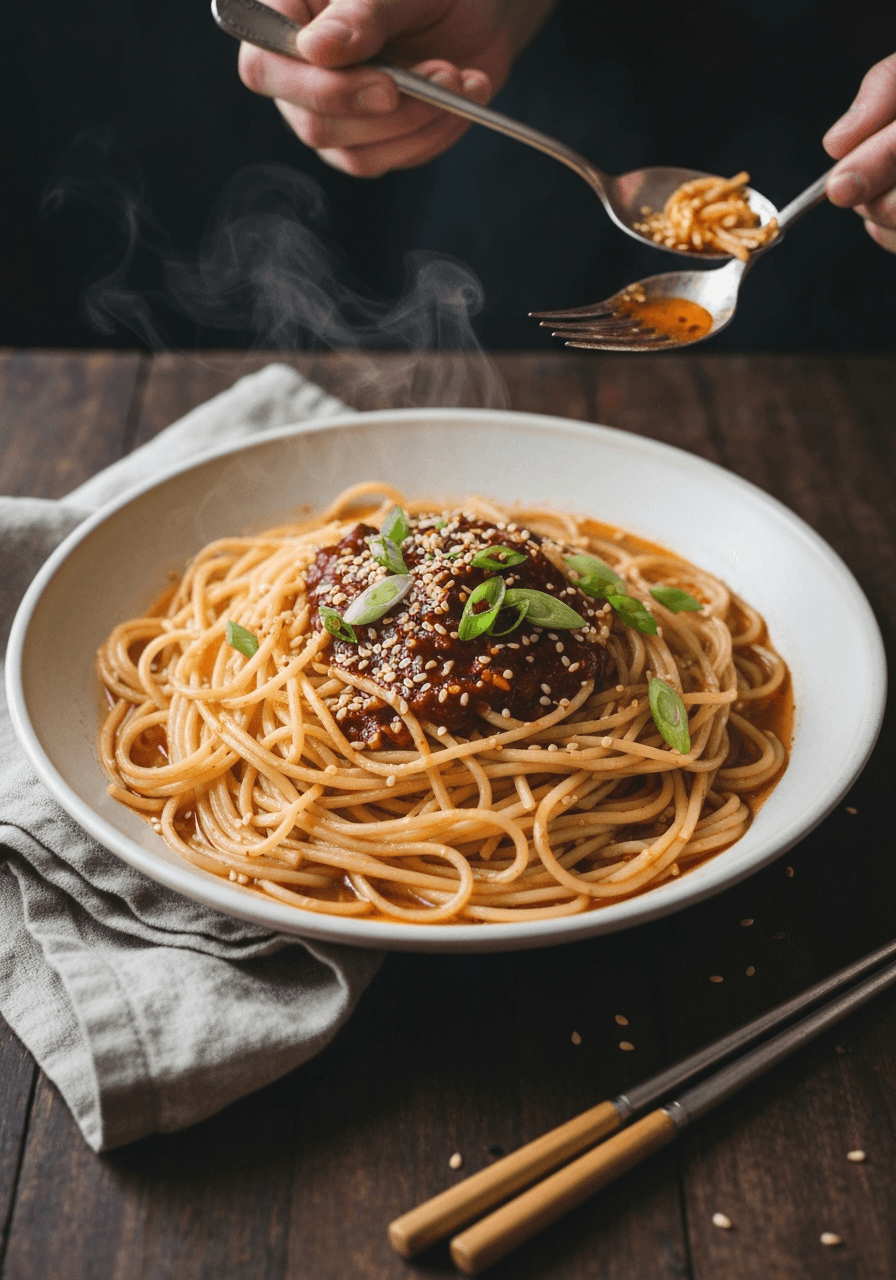
Gochujang Butter Noodles
Spaghetti meets Korean fermentation. 10 minutes to glory.
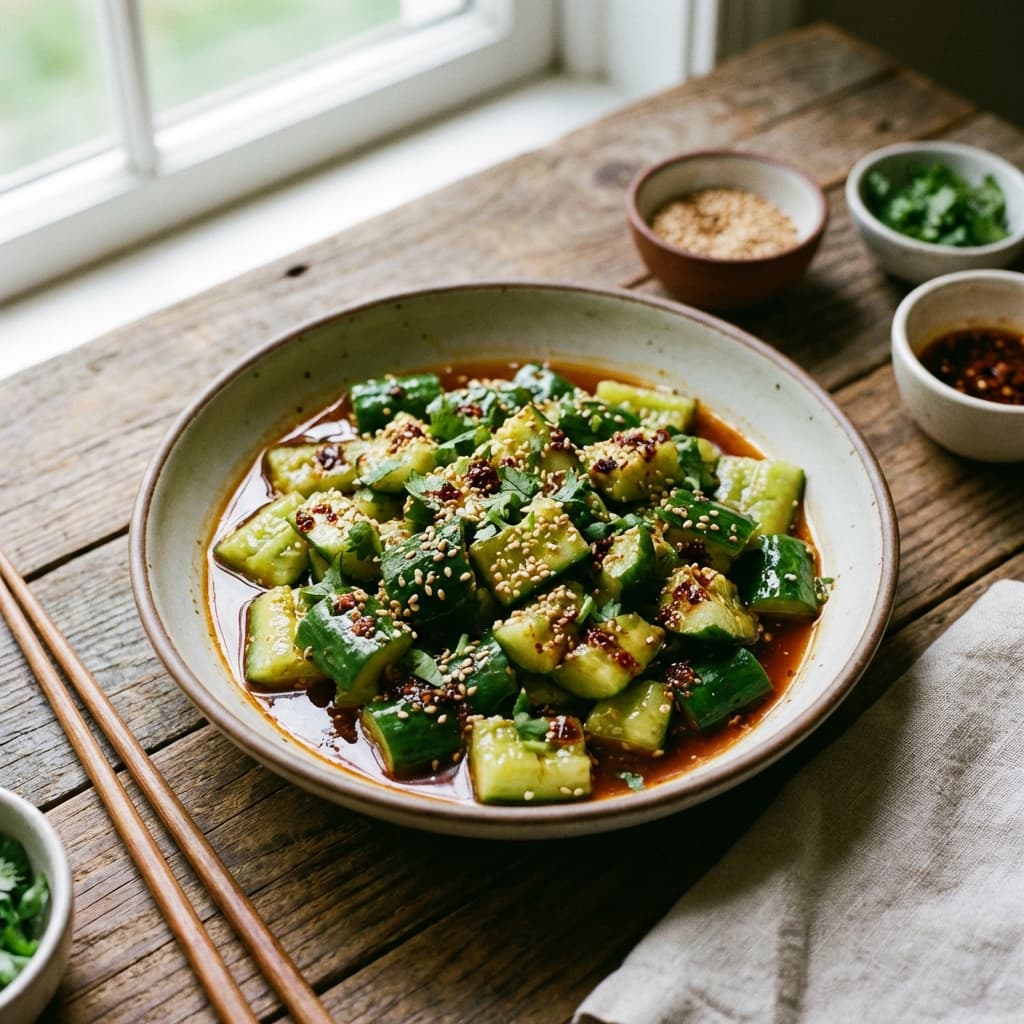
Sichuan Smashed Cucumbers
Cold crunch, garlic punch, chili heat, and that numbing tingle.
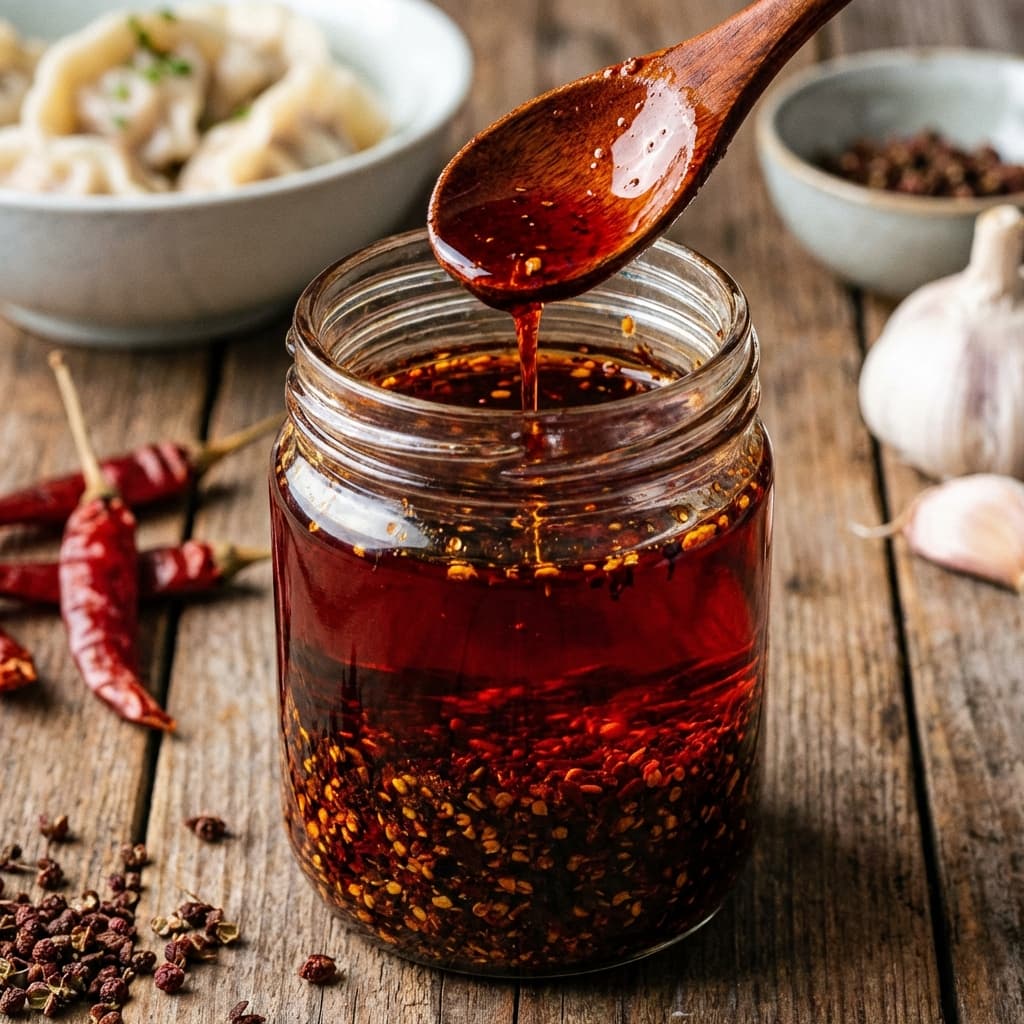
Sichuan Chili Oil (Hong You) -- Weeknight Jar
The 5-minute jar that makes everything taste like a restaurant.