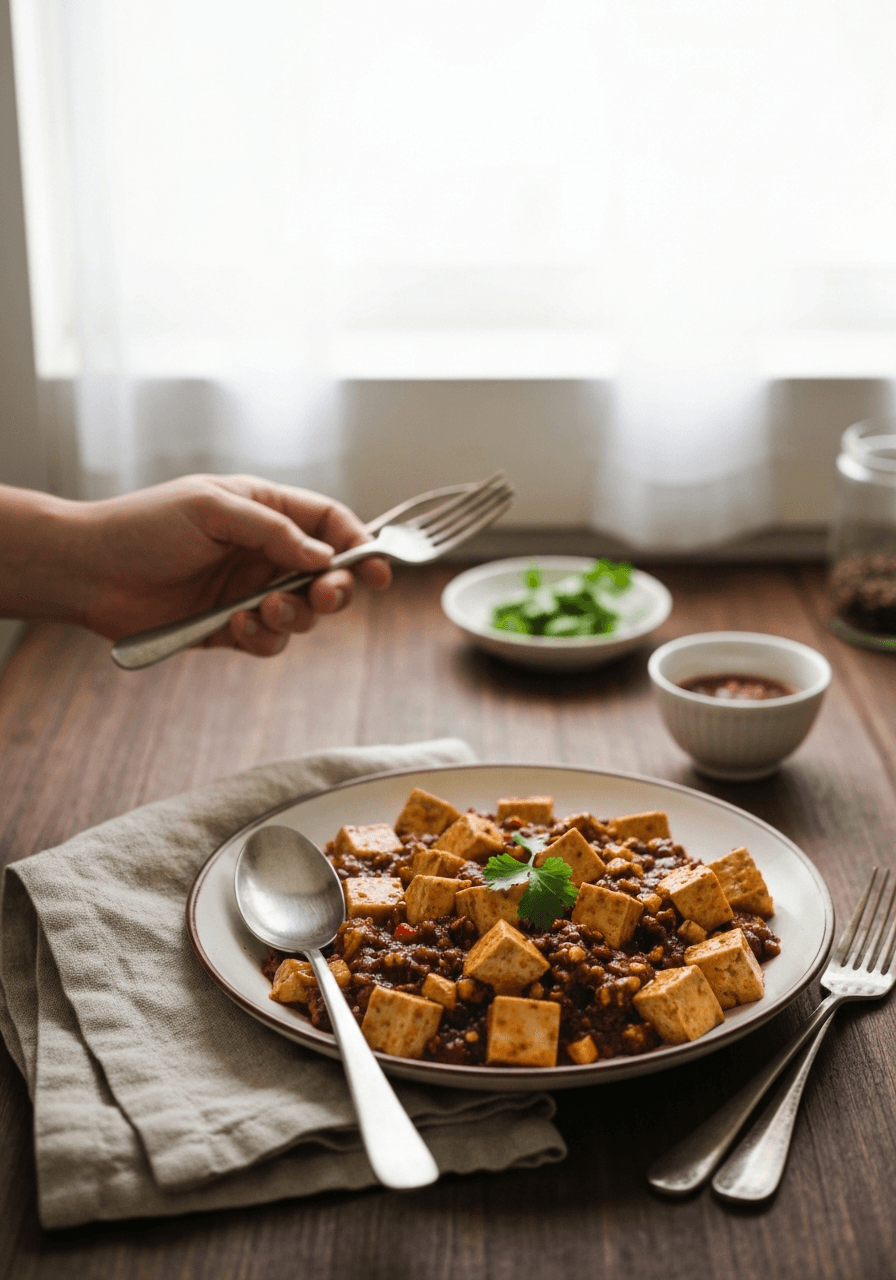
Mapo Tofu — Sichuan Authentic
Experience the authentic flavors of Sichuan with this Mapo Tofu recipe. Silky tofu meets a fiery, numbing sauce for an unforgettable culinary adventure.
Authentic Mapo Tofu recipe from Sichuan. Silky tofu in a spicy, savory sauce with fermented doubanjiang for depth. Ready in 30 minutes.
Bloom the doubanjiang in hot oil to unlock its deep, fermented flavor.
The fit, timing, and key move are all here. If it is a yes, go straight into cook mode.
Experience the authentic flavors of Sichuan with this Mapo Tofu recipe. Silky tofu meets a fiery, numbing sauce for an unforgettable culinary adventure.
Set your units, then drop the ingredients into grocery if this is happening later.
What matters before the pan gets hot
The shortest path to understanding the dish, the key move, and whether tonight is the right time to cook it.
The Hook
**The soul of Mapo Tofu is the balance of ma (numbing) and la (spicy).** Don't skimp on the Sichuan peppercorns or the doubanjiang.
The Technique
The numbing sensation comes from Sichuan peppercorns, which contain hydroxy-alpha-sanshool. This compound activates touch receptors in the mouth, creating a tingling effect. The fermentation of doubanjiang creates glutamates, which enhance the umami flavor.
The History
Mapo Tofu originated in Chengdu, Sichuan, China, during the Qing Dynasty. It was created by a woman with pockmarks (Ma Po) who ran a small restaurant and served this dish to local laborers and merchants. Over time, it became a staple of Sichuan cuisine.
Food Facts
Sourced notes. Tap to verify.
When starch granules heat in water, they absorb moisture and swell, thickening the liquid. This is the basic physics behind many sauces, custards, and pan gravies.
Authentic Mapo Tofu recipe from Sichuan. Silky tofu in a spicy, savory sauce with fermented doubanjiang for depth. Ready in 30 minutes.
Nutrition per Serving
Estimated valuesSatiety
Data estimatedTechnique, context, and fallback plans
The reason the method works, the prep you can do early, and what to change if the dish starts drifting.
Mapo Tofu is more than just a dish; it's an experience. The trembling softness of the tofu against the fiery, numbing kiss of Sichuan peppercorns creates a symphony of sensations. It's a dish that awakens the palate and warms the soul, a testament to the power of balance and contrast.
At its heart, Mapo Tofu is about transformation. Humble ingredients—tofu, ground meat, and spices—are alchemized into something extraordinary. The key is the doubanjiang, a fermented broad bean paste that lends a deep, savory umami that elevates the dish beyond simple spice.
Imagine the first bite: the delicate tofu yielding to the assertive sauce, the interplay of heat and savor, the subtle tingle that lingers on the tongue. It's a dish that demands attention, a culinary adventure that transports you to the bustling streets of Chengdu.
This recipe is not just about following steps; it's about understanding the essence of Mapo Tofu. It's about embracing the boldness of Sichuan cuisine and celebrating the magic that happens when simple ingredients are treated with respect and passion.
Tofu is breaking apart during cooking.
Be gentle when stirring. Use a spatula to fold the tofu instead of stirring vigorously.
Sauce is not thick enough.
Make sure the cornstarch slurry is well mixed and add it slowly while stirring.
Set up, cook, and remember what worked
The mise, the method, your notes, and the next recipes to master after this one lands.
The Setup
- Wok14-inch
- Spatula
The Mise en Place
5 of 13Your prep station before cooking begins
The Protein (0/2)
The Spice Blend (0/2)
PREPARE
Prep aheadCut the tofu into 1-inch cubes and set aside. Mix cornstarch (1 tbsp) with 2 tbsp water to create a slurry.
HEAT
Heat chili oil (2 tbsp) in a wok or large skillet over medium-high heat.
Oil should shimmer but not smoke.
ADD
Add ground pork (200 g) and cook, breaking it up with a spatula, until browned.
Pork should be fragrant and slightly crispy.
ADD
Time-sensitiveAdd doubanjiang (2 tbsp), garlic (4 cloves), and ginger (1 tbsp) to the wok. Cook, stirring constantly, until fragrant and the oil turns red, about 1 minute.
This step is crucial for unlocking the flavor of the doubanjiang. • The aroma should be intense and savory.
POUR
Pour in chicken broth (1 cup), soy sauce (1 tbsp), and sugar (1 tsp). Bring to a simmer.
GENTLY FOLD
Gently fold in the tofu cubes. Simmer for 5 minutes to allow the tofu to absorb the flavors.
Be careful not to break the tofu while stirring. • Tofu should be coated in the sauce.
STIR
Stir in the cornstarch (1 tbsp) slurry to thicken the sauce. Cook until the sauce is glossy and coats the tofu, about 1 minute.
ADD
Stir in Sichuan peppercorns (1 tbsp) and sesame oil (1 tsp).
The aroma of Sichuan peppercorns should be prominent.
GARNISH
Garnish with chopped scallions (2 stalks) and serve hot with rice.
Service Log
Log your variables. Iterate like a pro.
Clean slate.
Log your variables after the first run.
Master These Next
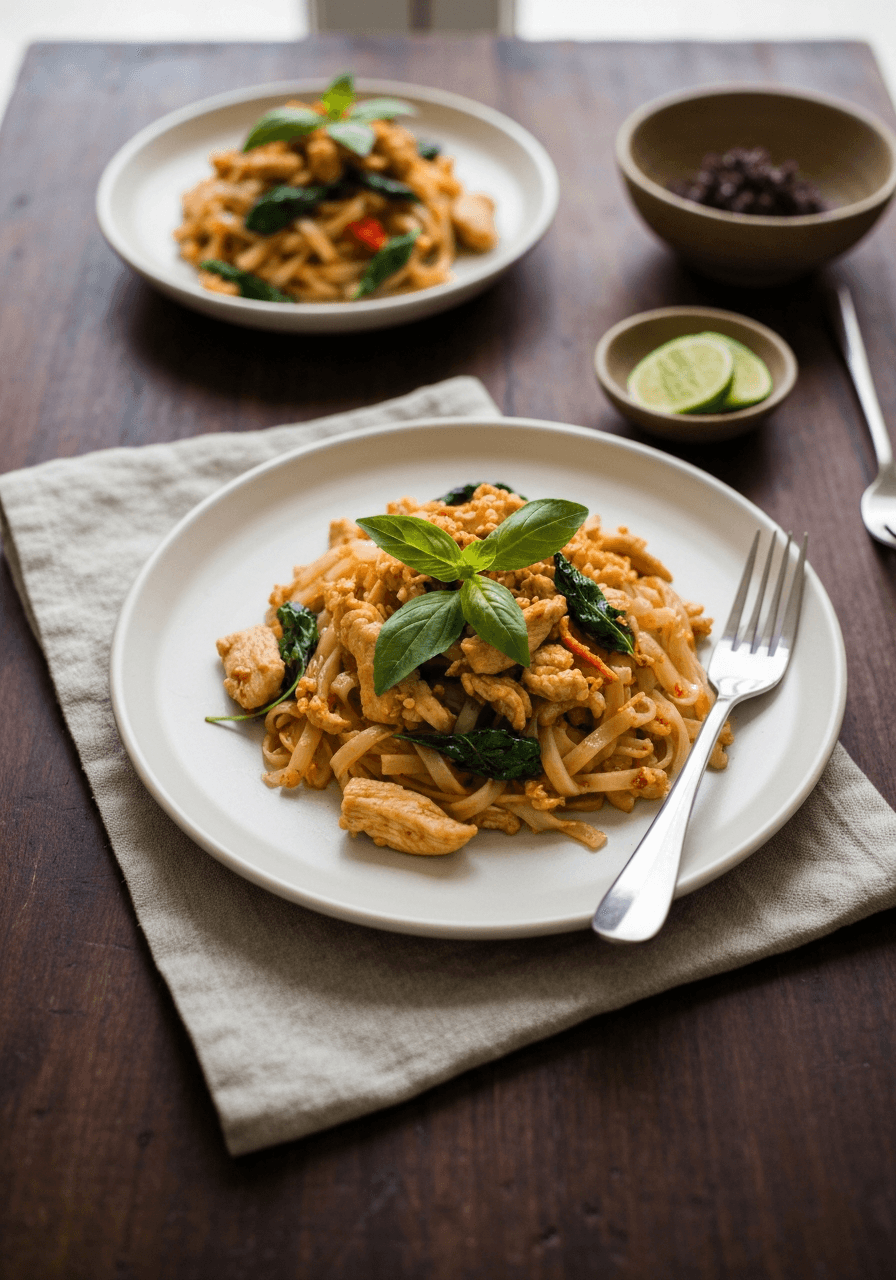
Pad Krapow — Thai Basil Chicken
Experience the authentic taste of Thailand with this quick and easy Pad Krapow recipe! The fiery flavors and aromatic holy basil will transport you to the streets of Bangkok.
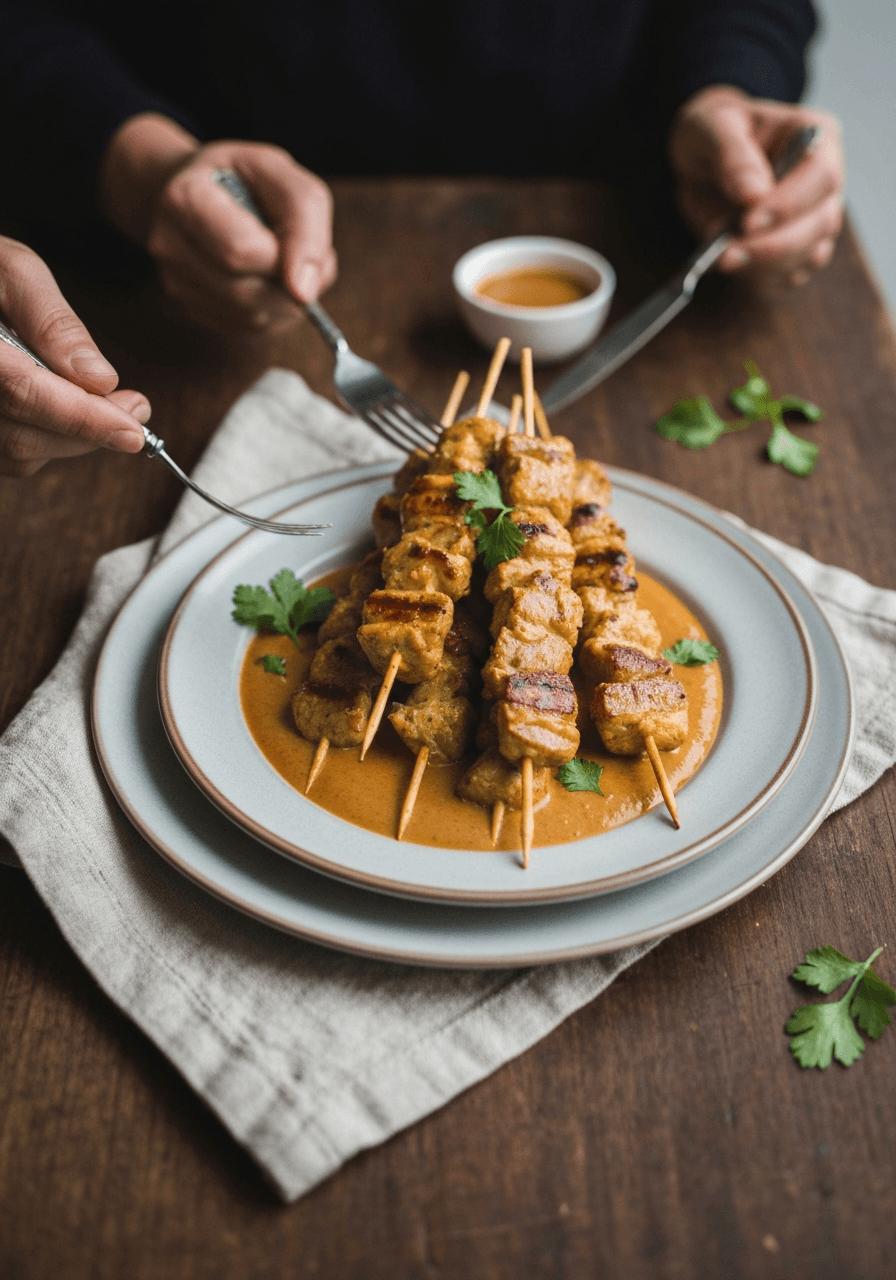
Satay — Peanut Sauce Skewers
Tender grilled skewers meet rich, creamy peanut sauce in this Southeast Asian-inspired dish. The coconut milk marinade ensures every bite is succulent and flavorful.
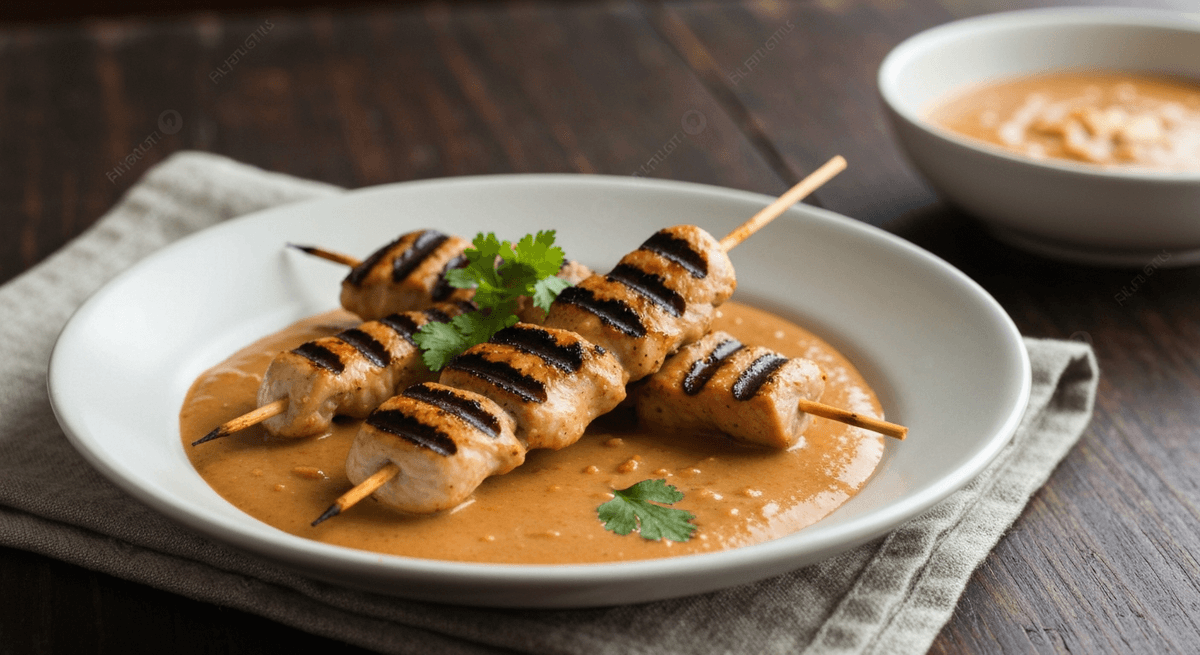
Chicken Satay with Peanut Sauce
Tender chicken skewers kissed by the grill, bathed in a creamy, homemade peanut sauce. This is Southeast Asian street food at its finest, a guaranteed crowd-pleaser.