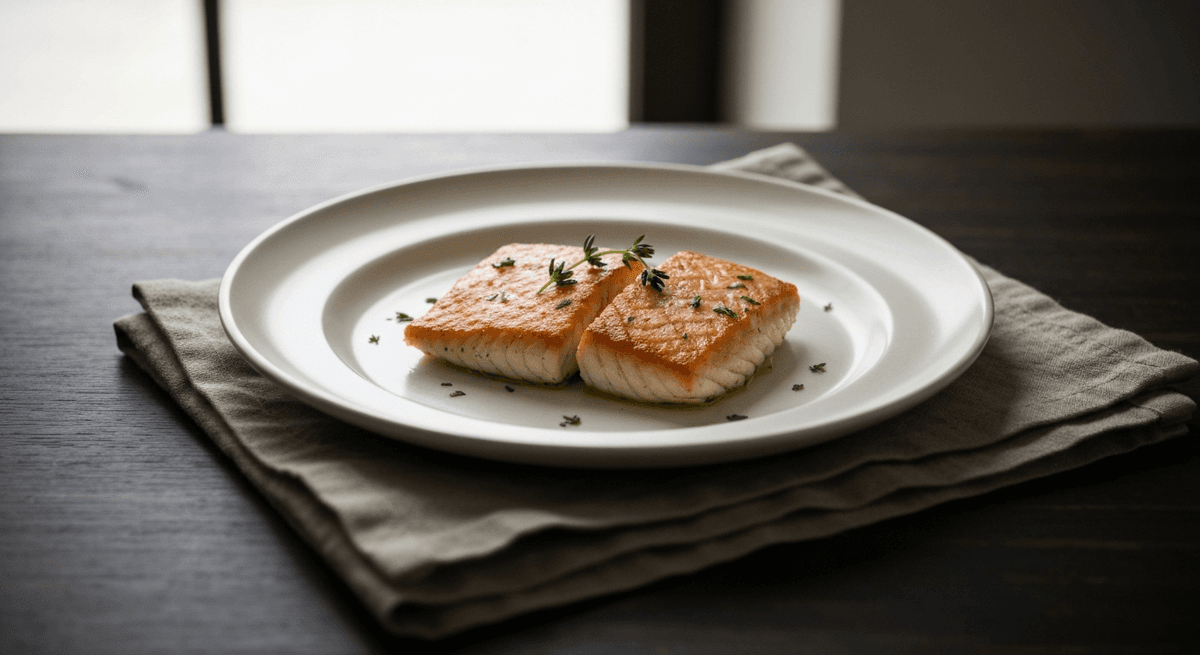
Fish Doneness Targets (Quick Timing Map)
The cheat sheet for moist fish: doneness targets, cues, and what 'done' actually looks like.
A simple fish timing map: doneness targets, visual cues, and when to stop cooking so fish stays moist and never turns chalky.
Pull fish early--carryover finishes it; targets beat timers every time.
The fit, timing, and key move are all here. If it is a yes, go straight into cook mode.
The cheat sheet for moist fish: doneness targets, cues, and what 'done' actually looks like.
Timing note: 8 mins
Set your units, then drop the ingredients into grocery if this is happening later.
What matters before the pan gets hot
The shortest path to understanding the dish, the key move, and whether tonight is the right time to cook it.
The Hook
Stop staring at the clock. Fish cooks in its own heat. Pull it early or serve chalk.
The Technique
Protein tightens and squeezes out moisture as it heats. Pulling fish a few degrees below target lets carryover cooking finish the job. This preserves that crucial juiciness and prevents the dry, flaky disaster that comes from cooking to the bitter end.
The History
This isn't rocket science, it's just knowing when to stop. Forget the timers and the guesswork. We're talking about basic protein denaturation, not some arcane culinary secret. This is about not screwing up a perfectly good piece of fish by overthinking it.
Food Facts
Sourced notes. Tap to verify.
Mise en place means setting up your ingredients and tools before you start cooking. It is a professional workflow trick that reduces mistakes, keeps timing tight, and makes cooking feel calmer.
A simple fish timing map: doneness targets, visual cues, and when to stop cooking so fish stays moist and never turns chalky.
Nutrition per Serving
Estimated valuesSatiety
Data estimatedTechnique, context, and fallback plans
The reason the method works, the prep you can do early, and what to change if the dish starts drifting.
The culinary world often treats fish with a fear bordering on superstition. We’ve all been there, hovering over the pan, a minute too long, watching a glistening fillet transform into a dry, chalky disappointment. Time, that seemingly reliable constant, becomes a cruel trickster with delicate seafood. It’s not about mastering an arcane art; it’s about understanding the subtle language of doneness, a language that speaks in temperature and texture, not just the ticking clock.
This guide is born from that frustration, a cheat sheet to unlock consistently moist, flaky fish. It’s about recognizing that the true magic happens not in the relentless march of minutes, but in the gentle carryover cooking that finishes the job. By embracing precise temperature targets and visual cues, we move beyond guesswork, transforming fear into confidence. It’s the difference between a dish that merely survives the heat and one that truly thrives, a repeatable triumph for any fish, any time.
My fish is dry and crumbly, almost chalky.
Ah, that happens when it cooks a minute too long. The residual heat keeps cooking it after you pull it. For next time, aim for that target temperature and let it rest. If you're wo…
My fish came out watery.
That usually means it went into the pan wet, or the heat was a bit too low.
Set up, cook, and remember what worked
The mise, the method, your notes, and the next recipes to master after this one lands.
The Setup
- Instant-Read Thermometer
The Mise en Place
3Your prep station before cooking begins
Baseline Seasoning (0/1)
Baseline Fat (0/1)
Baseline Brightness (0/1)
Chef's Notes
Thickness rules everything. For thin fillets, cut time sharply and rely on cues/targets.
DRY
Pat fish very dry before oiling and seasoning.
Dry surface roasts; wet surface steams and goes watery. • No visible moisture on the fish
Surface looks matte, not wet
TARGET
Time-sensitiveUse doneness targets: salmon 120-125F (49-52C) for moist; white fish (cod/haddock) 125-130F (52-54C); scallops 115-120F (46-49C); shrimp opaque and firm (no translucent centers).
Pull early—carryover finishes fish without drying. • Center glossy, edges opaque
Target reached, not 'time elapsed'
CUE
Time-sensitiveVisual cues: moist fish looks glossy in the center; dry fish looks chalky and flakes into tiny dry bits. Stop cooking at glossy.
Chalkiness is overcooking, not seasoning. • Slight translucency in the thickest center • Clean ocean aroma, not 'fishy'
Glossy center, not chalk
REST
Rest 2-3 minutes after cooking, then finish with lemon (1 whole) and a small drizzle of olive oil (1 tbsp) if desired.
Acid at the end keeps fish tasting clean. • Surface looks lightly glossy • Lemon lifts aroma immediately
Juices stay in the fish; flavor tastes bright
Service Log
Log your variables. Iterate like a pro.
Clean slate.
Log your variables after the first run.
Related Techniques
Master These Next
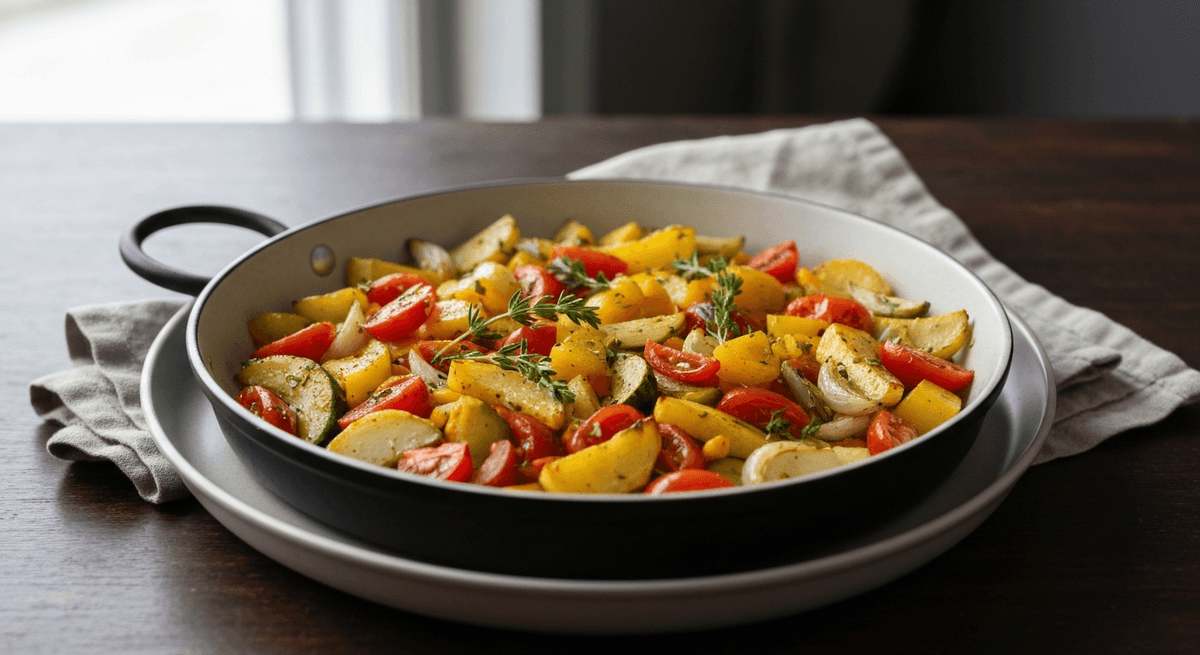
Roasted Vegetable Timing Map
The cheat sheet for roasting mixed vegetables without guesswork: order, timing, and cues that prevent sogginess.
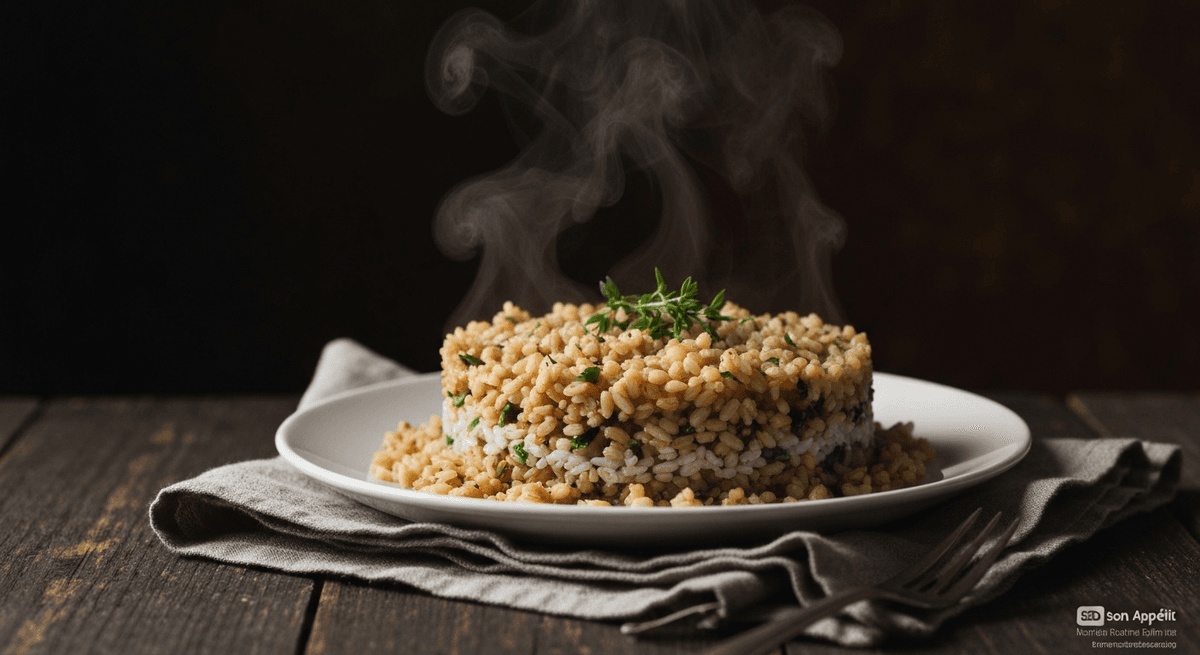
Whole Grain Batch Cook
Batch-cook whole grains once and reheat them like they were freshly made. Texture rules that actually work.
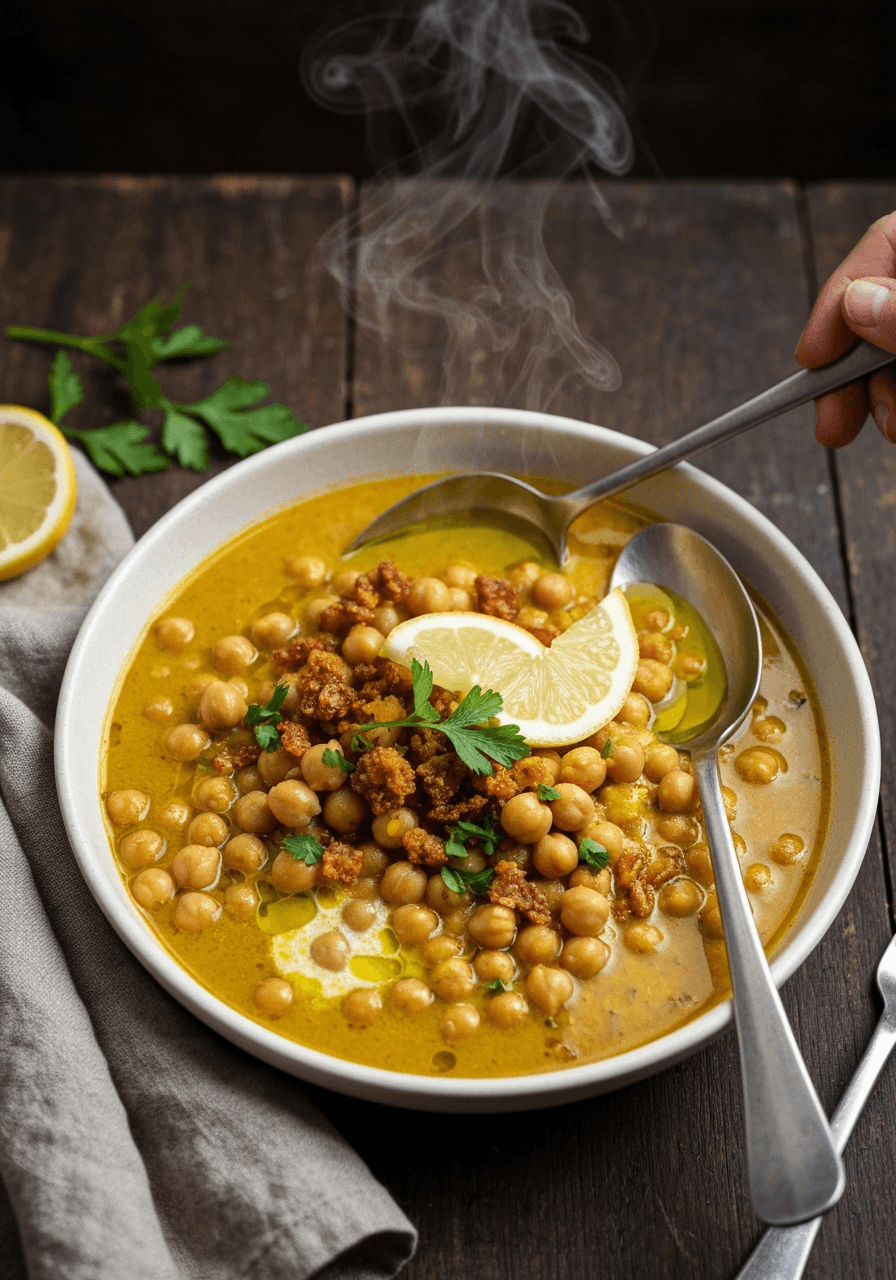
Spiced Chickpeas
Crispy bits, creamy broth, and a turmeric gold rush.