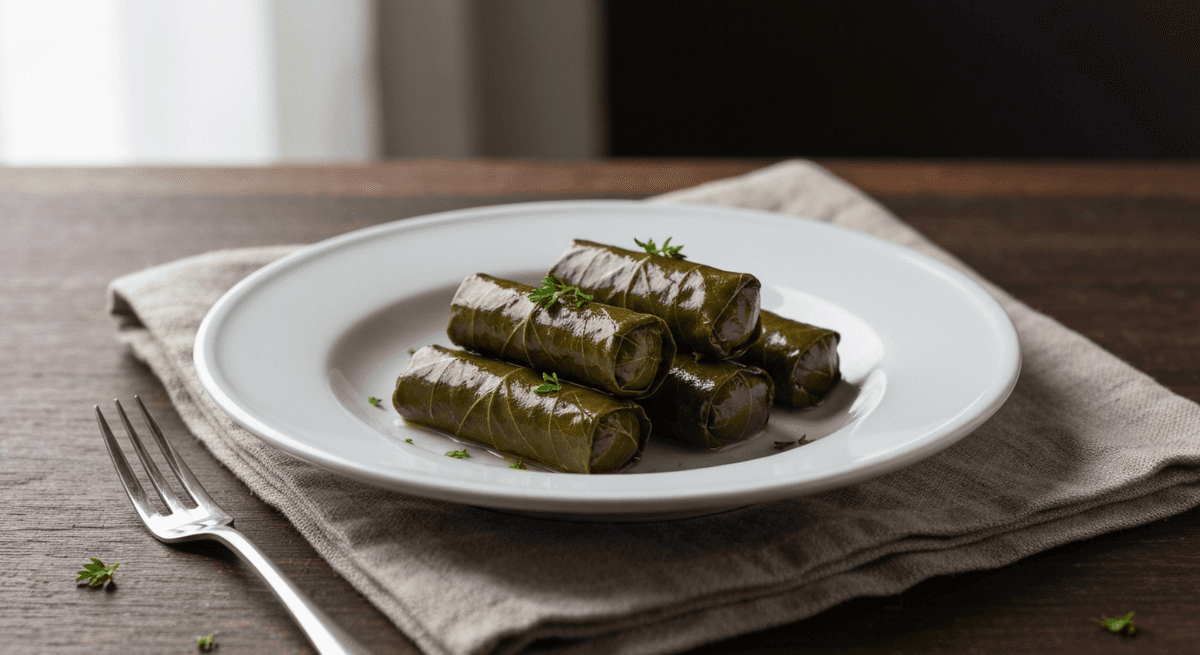
Dolmades — Stuffed Grape Leaves
Experience the taste of Greece with these delicate, herb-infused stuffed grape leaves. A perfect balance of flavors and textures in every bite.
Delicate grape leaves embrace a fragrant rice filling, infused with herbs and lemon. A taste of the Greek sun, perfect as an appetizer or light meal.
Roll the dolmades tightly to ensure they hold their shape and cook evenly.
The fit, timing, and key move are all here. If it is a yes, go straight into cook mode.
Experience the taste of Greece with these delicate, herb-infused stuffed grape leaves. A perfect balance of flavors and textures in every bite.
Set your units, then drop the ingredients into grocery if this is happening later.
What matters before the pan gets hot
The shortest path to understanding the dish, the key move, and whether tonight is the right time to cook it.
The Hook
**The tight rolling technique is paramount for even cooking and preventing the filling from spilling out.**
The Technique
The blanching process tenderizes the grape leaves, making them pliable and easier to roll. The lemon juice not only adds flavor but also helps to preserve the color of the leaves during cooking.
The History
Dolmades are a traditional Greek dish, with variations found throughout the Mediterranean and Middle East, dating back to ancient times.
Food Facts
Sourced notes. Tap to verify.
The Maillard reaction is a chemical reaction between amino acids and sugars that creates many of the roasted, toasted, and deeply savory flavors in cooked food.
Delicate grape leaves embrace a fragrant rice filling, infused with herbs and lemon. A taste of the Greek sun, perfect as an appetizer or light meal.
Nutrition per Serving
Estimated valuesSatiety
Data estimatedTechnique, context, and fallback plans
The reason the method works, the prep you can do early, and what to change if the dish starts drifting.
Dolmades, or stuffed grape leaves, are more than just a dish; they are a labor of love, a testament to the art of transforming simple ingredients into something extraordinary. Each leaf, carefully rolled and filled with a mixture of rice, herbs, and spices, carries within it the warmth of the Mediterranean sun and the gentle breeze of the Aegean Sea. The aroma that fills the kitchen as they simmer is a symphony of earthy greens, bright citrus, and fragrant herbs, a prelude to the delicate dance of flavors that awaits.
To truly appreciate dolmades is to understand the alchemy that takes place within the pot. The grape leaves, once firm and slightly bitter, soften and become tender, their vegetal notes mellowing into a subtle sweetness. The rice, plump and infused with the essence of the herbs, absorbs the flavors of the lemon and olive oil, creating a harmonious blend of textures and tastes. It is a dish that invites you to slow down, to savor each bite, and to connect with the rich culinary heritage of Greece.
Making dolmades is an act of patience and precision, a meditative process that rewards the diligent cook with a dish that is both elegant and comforting. The key lies in the tight rolling technique, ensuring that each leaf is snugly wrapped around the filling, creating a perfect little package of flavor. The result is a dish that is not only delicious but also visually stunning, a testament to the transformative power of simple ingredients and the magic of Greek cuisine.
Grape leaves are too tough to roll.
Blanch them for a longer period or use jarred leaves.
Filling is too dry.
Add a little more water or lemon juice to the rice mixture.
Set up, cook, and remember what worked
The mise, the method, your notes, and the next recipes to master after this one lands.
The Setup
- Large Pot
- Medium Pan
- Plate
The Mise en Place
5 of 10Your prep station before cooking begins
PREPARE
Prep aheadIf using jarred grape leaves (50 leaves), rinse them thoroughly. If using fresh leaves, blanch them in boiling water (1 cup) for 2 minutes to soften.
Leaves are pliable and easy to handle
SAUTE
In a large pan, heat olive oil (¼ cups) over medium heat. Add the chopped onion (½ cups) and sauté until translucent.
Onions are soft and slightly golden
ADD
Add the rice, mint, dill, salt (1 tsp), and pepper to the pan. Stir well to combine.
Aromatic herbs fill the air
POUR
Time-sensitivePour in the lemon juice (¼ cups) and water (1 cup). Bring to a simmer, then reduce heat to low, cover, and cook for 15 minutes, or until the rice is tender and the liquid is absorbed.
Rice is fluffy and has absorbed all the liquid
Scorch risk: Reductions can go from perfect to burnt fast. Keep an eye on the bottom and stir if needed.
REMOVE
Remove from heat and let the rice mixture cool slightly.
PLACE
Lay a grape leaf flat on a clean surface, vein-side up. Place a small spoonful of the rice mixture in the center of the leaf.
FOLD
Fold the sides of the leaf inward, then roll tightly from the bottom up, like a cigar.
Keep the roll tight to prevent the filling from escaping during cooking. • Dolma is tightly rolled and secure
REPEAT
Repeat with the remaining leaves and rice mixture.
ARRANGE
Arrange the dolmades in a single layer in a pot. Pour 1/2 cup of water (1 cup) over them. Place a plate over the dolmades to keep them submerged during cooking.
SIMMER
Time-sensitiveSimmer over low heat for 30 minutes, or until the grape leaves (50 leaves) are tender.
Grape leaves are tender and slightly translucent • Aromatic steam rises from the pot
LET REST
Let the dolmades cool slightly before serving. Serve at room temperature or chilled, garnished with lemon wedges and fresh herbs.
Service Log
Log your variables. Iterate like a pro.
Clean slate.
Log your variables after the first run.
Master These Next

Scallion Pancakes — Crispy Layers
Unlock the secrets to perfect scallion pancakes! Crispy on the outside, chewy on the inside, and bursting with savory flavor.
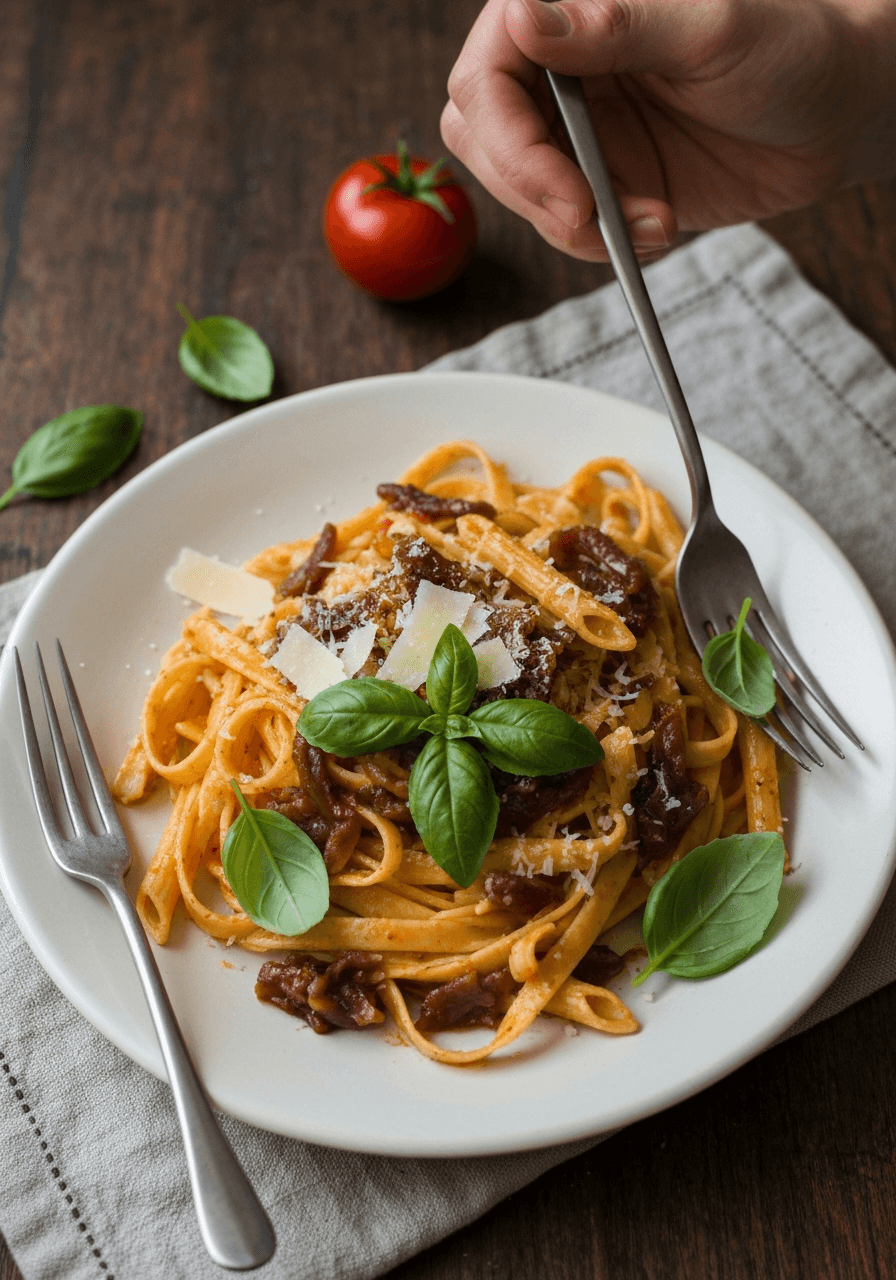
Caramelized Shallot Pasta
A whole tube of tomato paste, a tin of anchovies, and zero apologies.
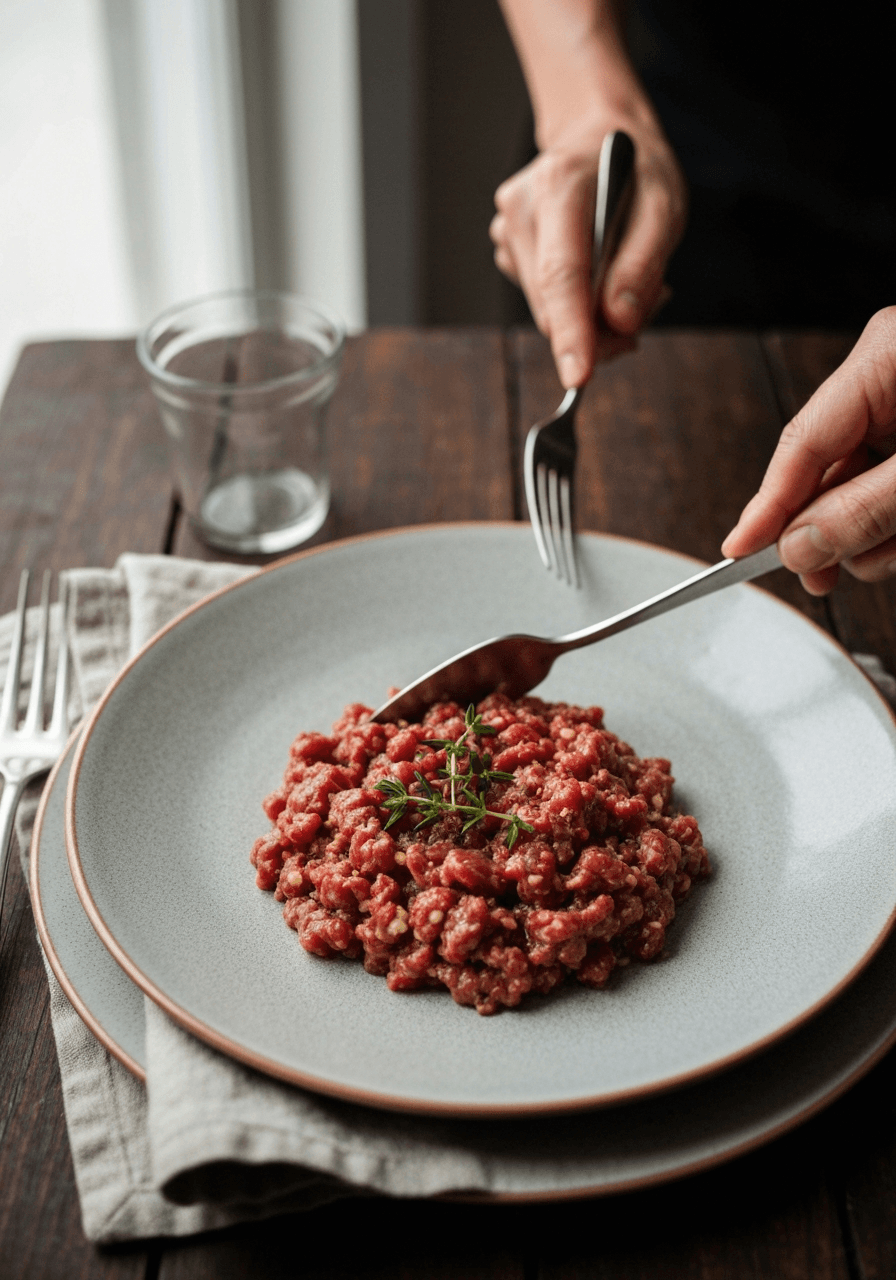
Steak Tartare — Raw Perfection
Indulge in the exquisite simplicity of steak tartare, where hand-cut beef meets vibrant seasonings for a symphony of flavor and texture.