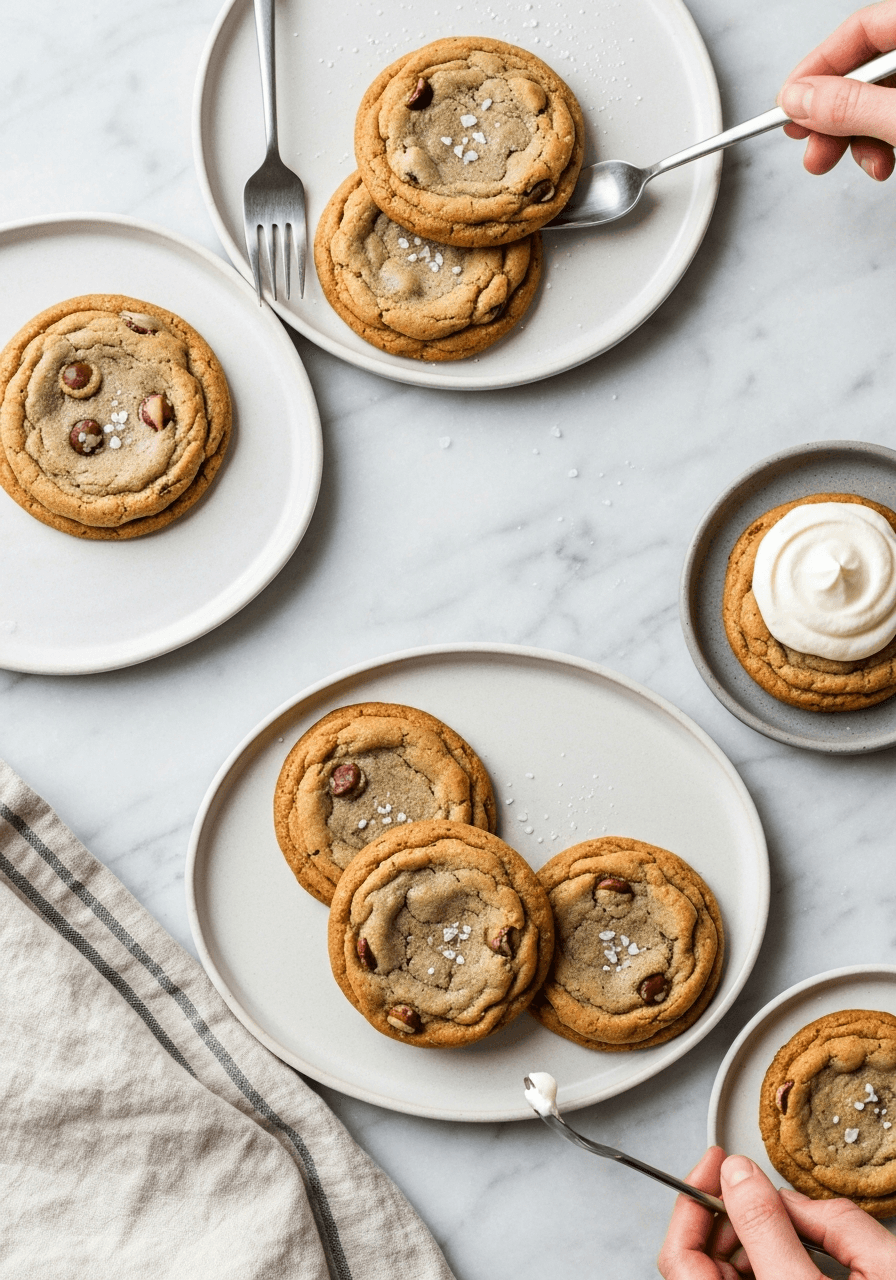
36-Hour Chocolate Chip Cookies
Dough that sleeps for 36 hours. Salt on top. Best in class.
Master cookie hydration with 36-hour aged dough. Bread flour creates chew, aged dough creates toffee flavor, flaky salt creates perfection.
Cream butter and sugars until pale (5 mins). Mix dough, chill 24-36 hours for flavor. Bake from cold—edges crisp, centers underdone.
The fit, timing, and key move are all here. If it is a yes, go straight into cook mode.
Dough that sleeps for 36 hours. Salt on top. Best in class.
Timing note: 36 hours (passive)
Set your units, then drop the ingredients into grocery if this is happening later.
What matters before the pan gets hot
The shortest path to understanding the dish, the key move, and whether tonight is the right time to cook it.
The Hook
This recipe proves that time is an ingredient. You can't rush hydration or enzymatic breakdown. The 36-hour rest creates flavor chemistry that fresh dough simply can't achieve.
The Technique
During the long chill, flour absorbs liquid (eggs, butter), causing the dough to dry out slightly and concentrate flavor. Enzymes (amylase) break down complex starches into simple sugars, which caramelize more readily during baking. The cold dough also spreads less in the oven, creating thicker cookies with crispy edges and gooey centers.
The History
New York Times (2008), adapted from Jacques Torres and David Leite. Became one of the most published cookie recipes in history.
Food Facts
Sourced notes. Tap to verify.
Fermentation uses microorganisms to transform foods, often improving shelf life, flavor, and texture. It is one of the oldest food-processing techniques.
Caramelization comes from sugar breakdown at high heat, while Maillard browning involves amino acids and sugars together.
Master cookie hydration with 36-hour aged dough. Bread flour creates chew, aged dough creates toffee flavor, flaky salt creates perfection.
Nutrition per Serving
Estimated valuesSatiety
Data estimatedTechnique, context, and fallback plans
The reason the method works, the prep you can do early, and what to change if the dish starts drifting.
Why do bakery cookies taste better than yours? Aging. By letting the dough rest in the fridge for 24-36 hours, the flour fully hydrates, absorbing all the liquid from the eggs and butter. Meanwhile, enzymes in the flour break down starches into simple sugars. This leads to deeper browning and a toffee-like flavor.
The bread flour and cake flour blend is deliberate. Bread flour has high protein, creating 'the chew'—that satisfying texture when you bite down. Cake flour has low protein, creating tenderness. Together, they make a cookie that's crispy at the edges and chewy in the center.
Chocolate discs are non-negotiable. Chocolate chips are designed to hold their shape when baked—they don't melt and pool. Discs or chopped chunks create layers of melted chocolate throughout the cookie.
The flaky salt on top isn't a garnish—it's structural. It balances the sweetness and makes each bite more complex. Without it, the cookies are one-dimensionally sweet.
Cookies spread into thin puddles?
Butter was too warm, or you didn't chill the dough long enough.
Cookies are too cakey, not chewy?
You measured flour by volume instead of weight, getting too much flour.
Set up, cook, and remember what worked
The mise, the method, your notes, and the next recipes to master after this one lands.
The Setup
- Stand MixerOptionalOr hand mixer—but stand mixer makes creaming easier
- Baking SheetsLined with parchment paper
- Cookie ScoopOptional3 tbsp size for uniform cookies
The Mise en Place
5 of 12Your prep station before cooking begins
Chef's Notes
Use a kitchen scale to weigh flour—volume measurements vary too much for consistent results.
Dough must age 24-36 hours. Can keep in fridge up to 5 days or freeze up to 3 months.
Bake straight from fridge—cold dough spreads less and creates thicker cookies.
CREAM
Time-sensitiveIn a stand mixer with paddle attachment, cream butter and both sugars on medium-high speed for 5 minutes until pale and fluffy.
Aeration creates lift—don't shortcut this step • Mixture has increased in volume, looks whipped
Mixture is light, fluffy, almost white
MIX
Add eggs one at a time, beating well after each addition. Add vanilla. Mix until smooth.
Add eggs slowly to prevent breaking the emulsion • No streaks of egg visible
Mixture is smooth, eggs fully incorporated
FOLD
Time-sensitiveIn a separate bowl, whisk together both flours, baking soda (1¼ tsp), baking powder (1¼ tsp), and salt. Add dry ingredients to butter mixture. Mix on low speed just until no white flour is visible. Do not overmix.
Stop the second you see no more white flour—overmixing creates tough cookies • Dough looks shaggy, slightly lumpy
No white flour streaks, but dough is still rough
FOLD
Add chocolate discs. Fold in by hand with a spatula until evenly distributed.
Hand folding is gentler than mixer • Chocolate pieces throughout dough
Chocolate is evenly dispersed
CHILL
Prep aheadWrap dough tightly in plastic wrap. Refrigerate for at least 24 hours, ideally 36 hours.
This is where flavor happens—flour hydrates, starches break down into sugars • Dough looks drier on surface, darker • Richer, toffee-like aroma
Dough is cold, firm, slightly darker in color
SCOOP
Preheat oven to 350°F (175°C). Scoop dough into large golf ball-sized portions (about 3 tbsp each). Place on parchment-lined baking sheets, 3 inches apart.
Bake straight from fridge—cold dough spreads less • Large, round balls spaced far apart
Dough balls are cold, uniform size
SPRINKLE
Sprinkle each dough ball generously with flaky sea salt (2 tbsp).
Salt is structural, not optional—it balances sweetness • White salt crystals on dough surface
Visible salt flakes on top of each cookie
BAKE
Time-sensitiveBake for 12-15 minutes. Edges should be crispy brown, centers should look slightly underdone and pale. They will look too soft but will set as they cool.
Pull them early—they keep cooking from carryover heat • Golden brown edges, pale centers • Toasted butter aroma
Edges crispy, centers look underdone
COOL
Let cool on baking sheet for 5 minutes, then transfer to a wire rack. They will firm up as they cool.
Don't skip the rest—they're too fragile hot • Edges are crispy, centers are chewy
Cookies are firm enough to move
Service Log
Log your variables. Iterate like a pro.
Clean slate.
Log your variables after the first run.
Master These Next
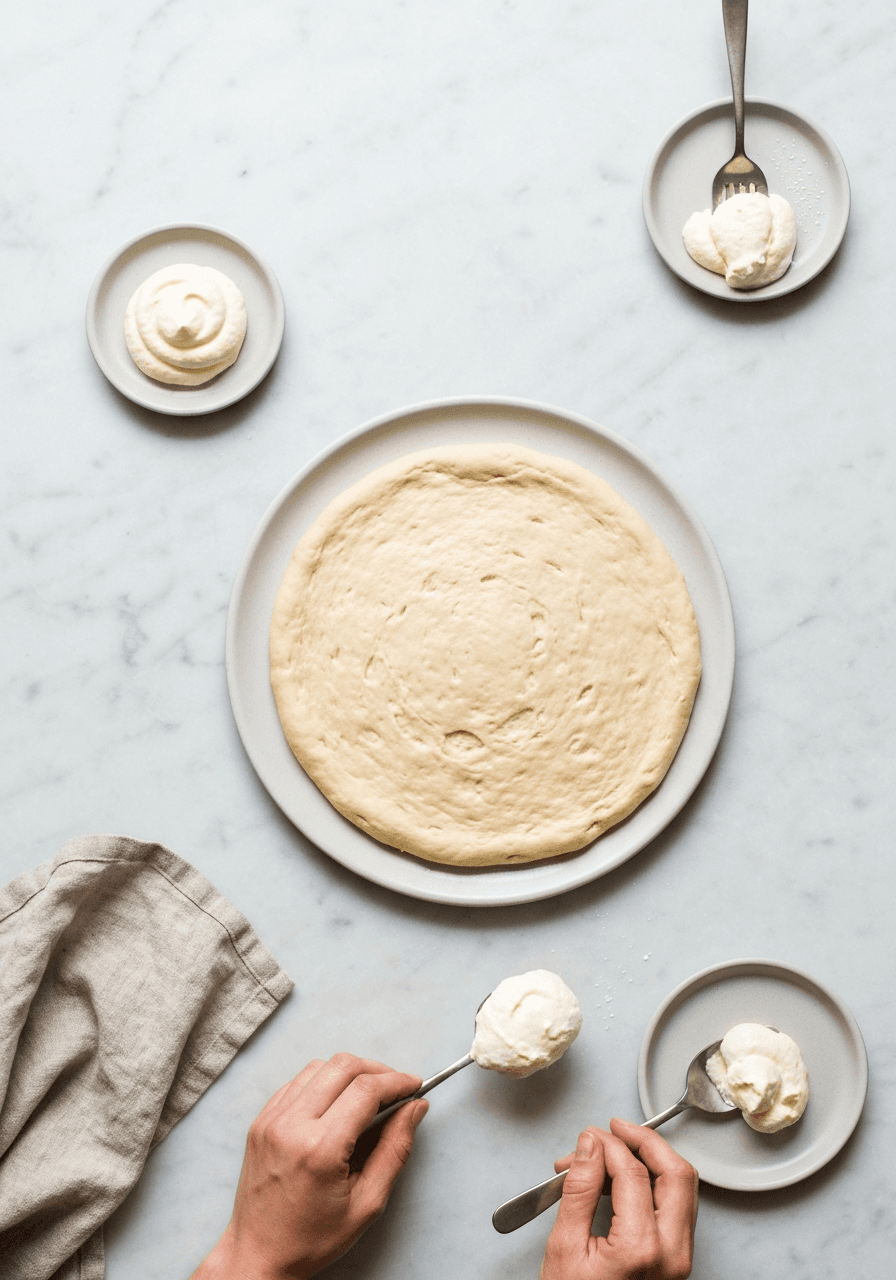
Roberta's Pizza Dough
00 Flour, cold fridge, 3 days waiting. Best crust of your life.
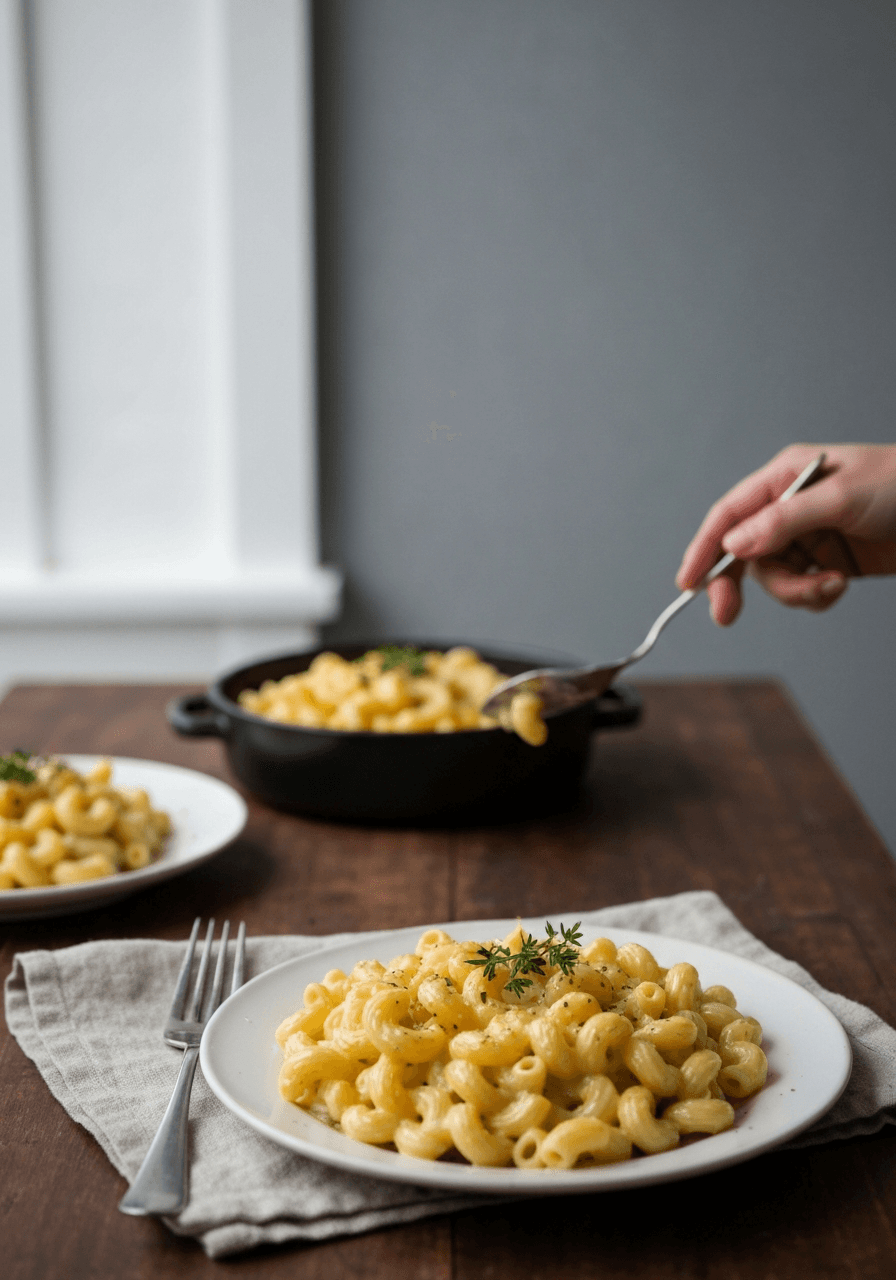
Creamy Mac & Cheese
Béchamel + Cheese = Mornay. No blue boxes allowed.
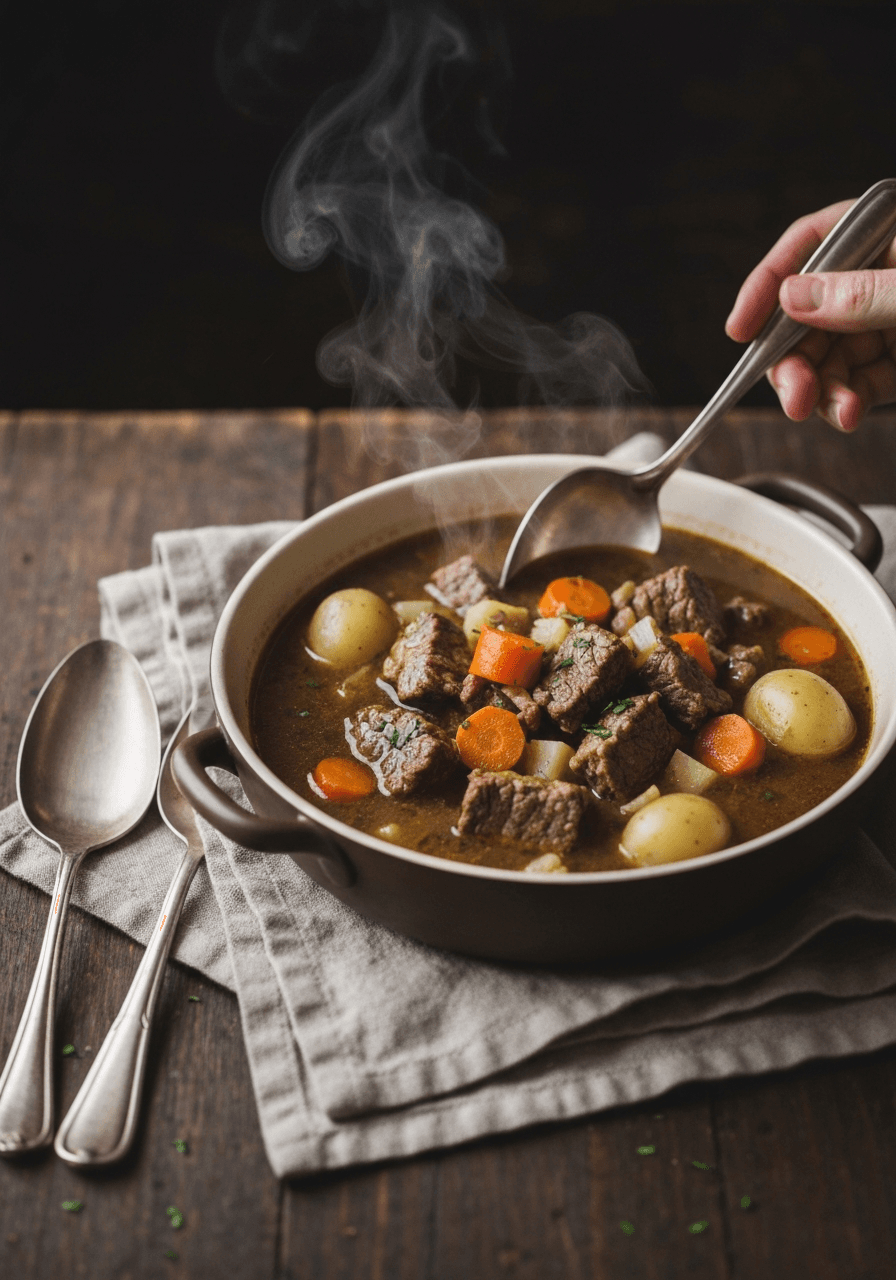
Old-Fashioned Beef Stew
No wine, just beef, carrots, and potatoes. Brown the meat or don't bother.