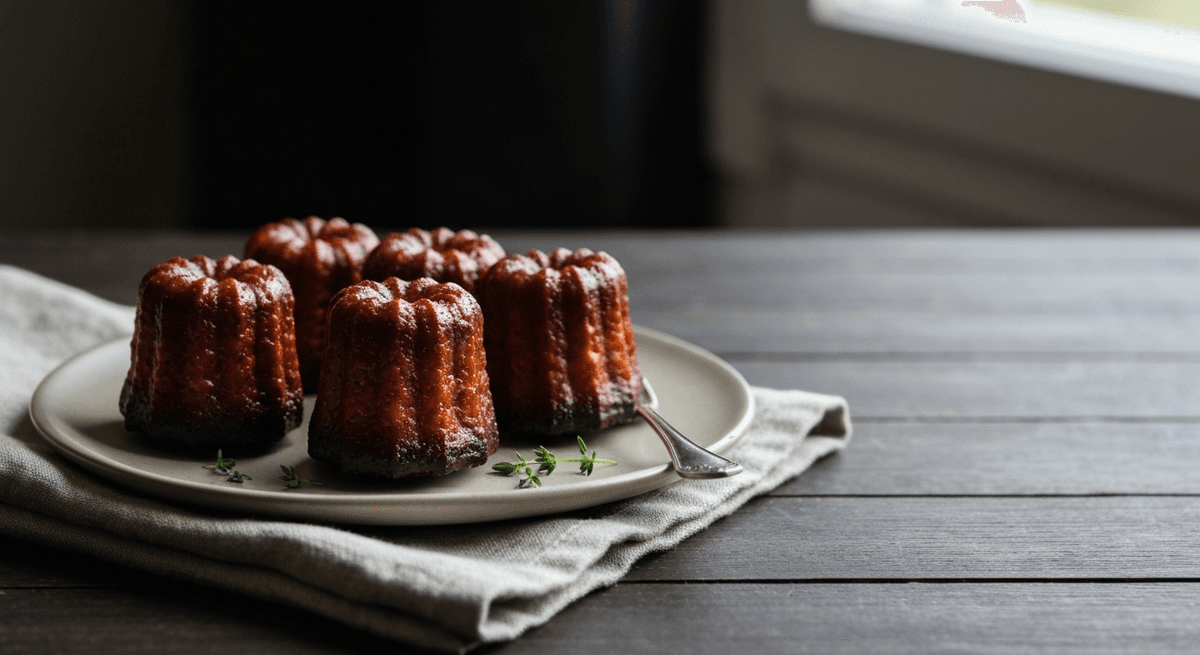
Caneles — Bordeaux Cakes
Experience the magic of Bordeaux with these caramelized, custardy caneles. The beeswax-lined molds create a unique, unforgettable treat.
Caramelized, custardy caneles from Bordeaux. The secret is beeswax for a perfect crust and patience for the perfect bake.
Use beeswax-lined copper molds and a precise oven temperature to achieve the signature caramelized crust and custardy interior.
The fit, timing, and key move are all here. If it is a yes, go straight into cook mode.
Experience the magic of Bordeaux with these caramelized, custardy caneles. The beeswax-lined molds create a unique, unforgettable treat.
Set your units, then drop the ingredients into grocery if this is happening later.
What matters before the pan gets hot
The shortest path to understanding the dish, the key move, and whether tonight is the right time to cook it.
The Hook
**The beeswax-lined copper molds are non-negotiable for the signature crust.**
The Technique
The beeswax coating on the copper molds is critical for achieving the canelé's signature dark, caramelized crust. Beeswax has a high melting point and excellent heat conductivity, allowing the exterior to caramelize deeply without burning the interior.
The History
Canelés are a specialty of Bordeaux, France, thought to have originated with the nuns of the Annonciades convent who used leftover egg yolks from winemaking to create them. The name comes from the Gascon word 'canelat', meaning 'fluted'.
Food Facts
Sourced notes. Tap to verify.
Fermentation uses microorganisms to transform foods, often improving shelf life, flavor, and texture. It is one of the oldest food-processing techniques.
Caramelized, custardy caneles from Bordeaux. The secret is beeswax for a perfect crust and patience for the perfect bake.
Nutrition per Serving
Estimated valuesSatiety
Data estimatedTechnique, context, and fallback plans
The reason the method works, the prep you can do early, and what to change if the dish starts drifting.
Canelés are a symphony of textures, a dance between a deeply caramelized, almost brittle shell and a tender, custardy interior redolent with vanilla and rum. These iconic pastries hail from Bordeaux, France, where they were purportedly created by the nuns of the Annonciades convent. Legend has it they used leftover egg yolks from winemaking to create these delightful treats.
The magic of canelés lies in the transformation. A simple batter of milk, sugar, flour, eggs, and flavorings undergoes a slow, deliberate baking process that coaxes out its hidden potential. The beeswax-lined copper molds play a crucial role, conducting heat evenly and imparting a subtle honeyed note to the crust.
Baking canelés is an exercise in patience. The batter needs time to rest and develop its flavors. The oven temperature must be carefully controlled to achieve the perfect balance between caramelization and custardization. But the reward is well worth the effort: a pastry that is both elegant and deeply satisfying.
Think of canelés as edible time capsules, each bite a journey through the history and culinary traditions of Bordeaux.
Caneles are pale and not caramelized.
Oven temperature may be too low. Ensure your oven is properly calibrated and increase baking time if necessary. Also, make sure the beeswax coating is even.
Caneles are burnt on the outside but raw inside.
Oven temperature may be too high. Reduce the initial baking temperature slightly and ensure accurate oven calibration.
Set up, cook, and remember what worked
The mise, the method, your notes, and the next recipes to master after this one lands.
The Setup
- SaucepanMedium
- Mixing BowlMedium
- Fine-Mesh Sieve
- Copper Caneles Molds
- Double Boiler
The Mise en Place
5 of 8Your prep station before cooking begins
The Dry Mix (0/4)
The Wet Mix (0/4)
HEAT
Prep aheadIn a saucepan, heat milk, sugar, and vanilla bean (½ bean) (both pod and seeds) over medium heat until simmering. Do not boil.
Aromatic vanilla scent fills the air.
WHISK
Prep aheadIn a separate bowl, whisk together flour and egg yolks (6 large) until smooth.
TEMPER
Prep aheadGradually temper the hot milk mixture into the egg yolk mixture, whisking constantly to prevent curdling.
STRAIN
Prep aheadStrain the mixture through a fine-mesh sieve to remove any lumps or vanilla pod.
STIR
Time-sensitivePrep aheadStir in the rum and melted butter. Cover and refrigerate for at least 24 hours, or up to 48 hours.
PREHEAT
Preheat oven to 450°F (232°C).
MELT
Melt beeswax (2 tbsp) in a double boiler or microwave.
Beeswax is completely melted and clear.
COAT
Coat the inside of each copper mold with melted beeswax (2 tbsp). Ensure an even coating.
FILL
Fill each mold about ¾ full with the chilled batter.
BAKE
Time-sensitiveBake for 15 minutes at 450°F (232°C), then reduce the oven temperature to 350°F (177°C) and bake for another 45-50 minutes, or until the canelés are deeply caramelized and the crust is firm.
Deep mahogany color with a firm crust. • Rich, caramelized aroma fills the kitchen.
Scorch risk: Reductions can go from perfect to burnt fast. Keep an eye on the bottom and stir if needed.
The crust should be very dark brown, almost black.
COOL
Remove from the oven and let cool in the molds for a few minutes before inverting them onto a wire rack to cool completely.
Service Log
Log your variables. Iterate like a pro.
Clean slate.
Log your variables after the first run.
Master These Next
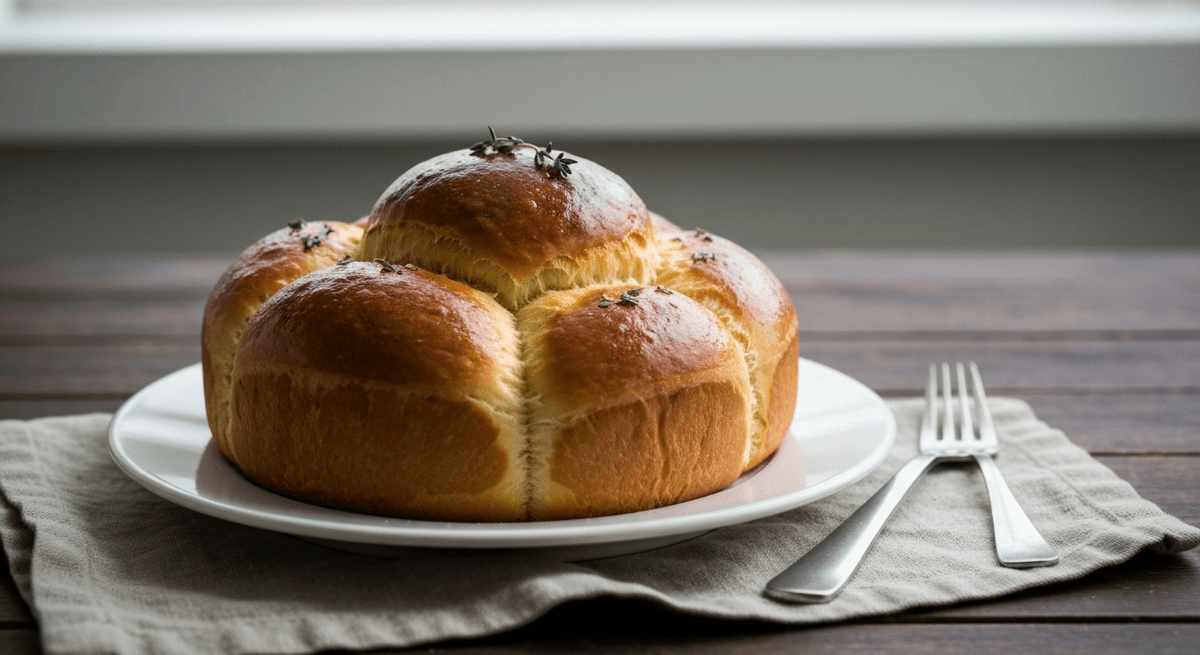
Brioche — Enriched Bread
Indulge in the rich, buttery flavor and delicate texture of homemade brioche. This recipe guides you through the process of creating a truly exceptional bread.
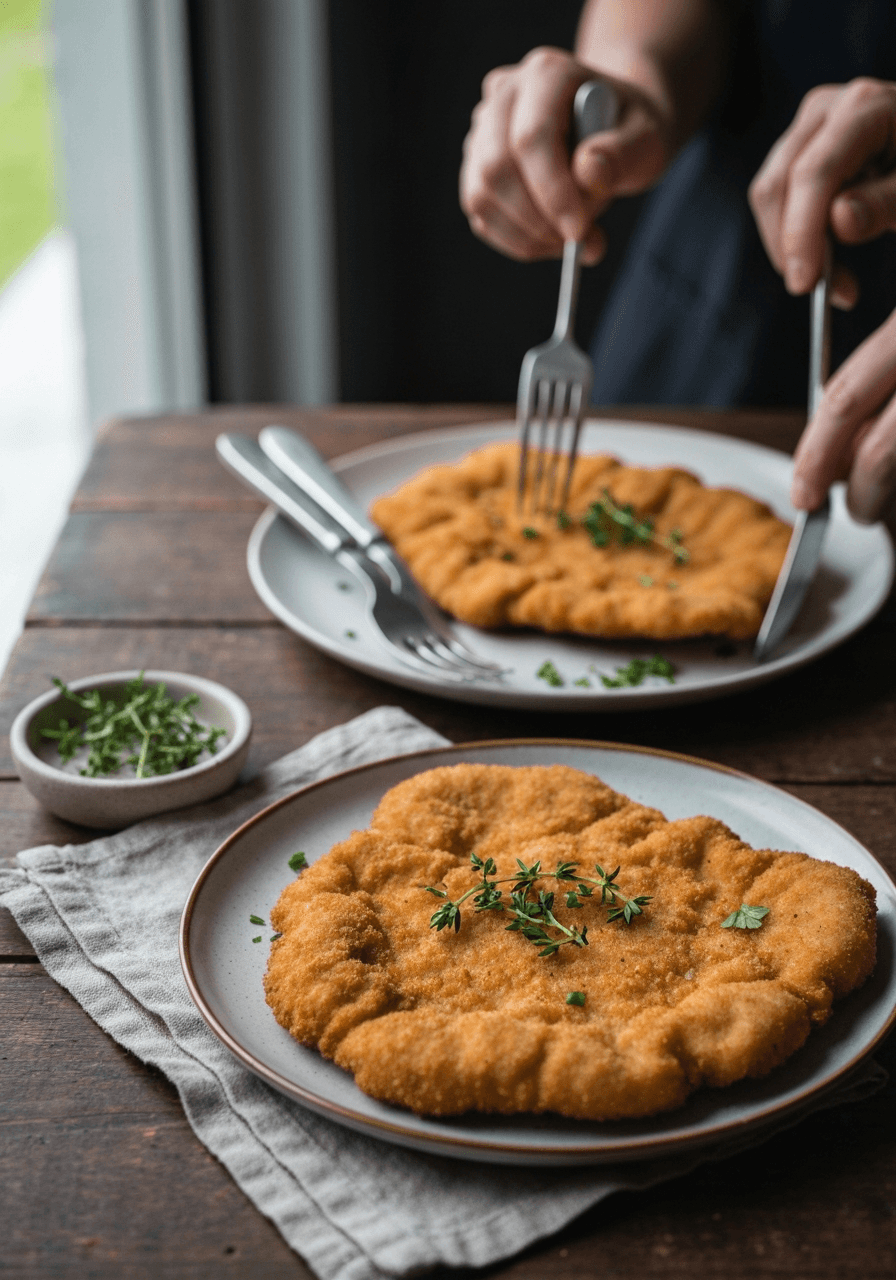
Schnitzel — Wiener Style
Experience the Austrian classic: thin, crispy, and golden perfection. The secret lies in the proper pounding technique.
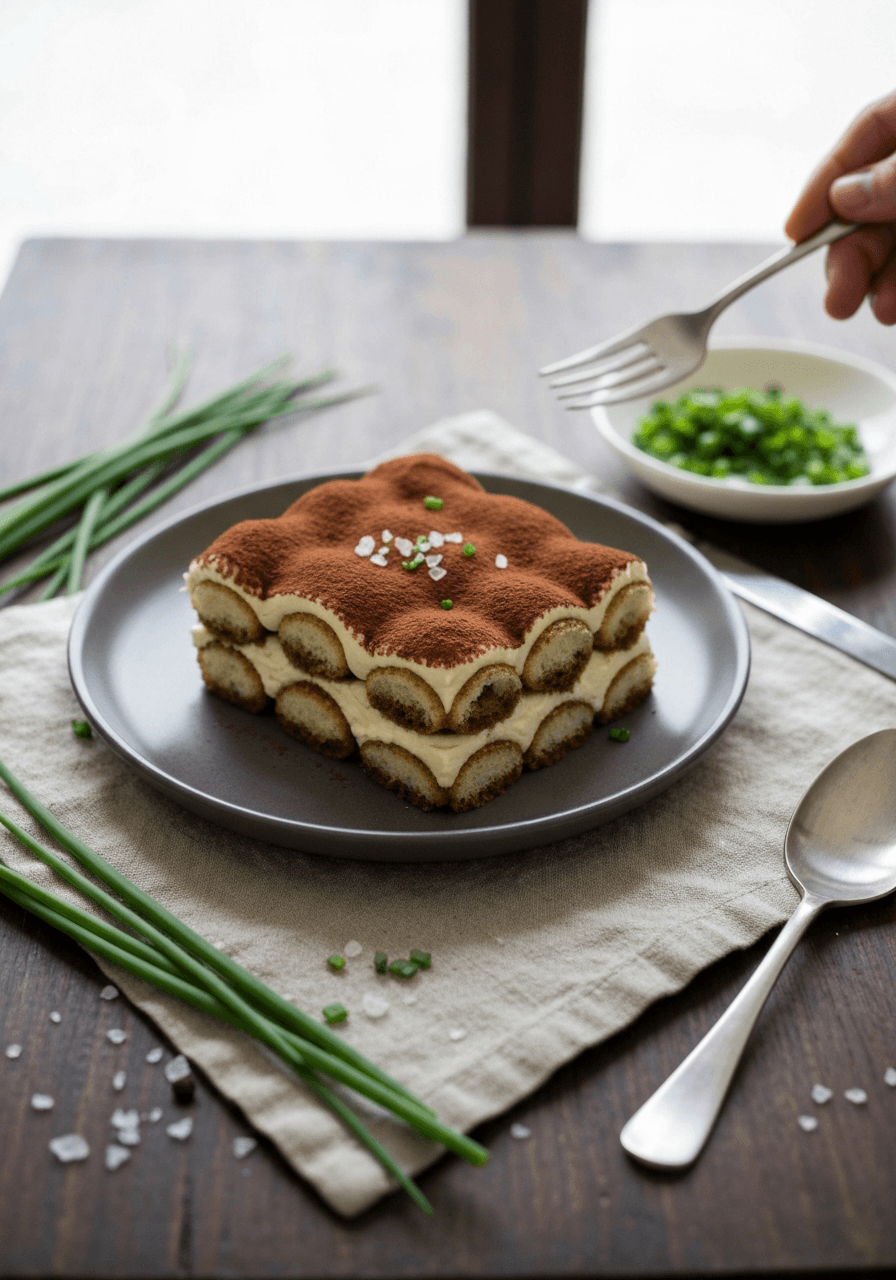
Tiramisu — No Raw Eggs
Indulge in the classic Italian dessert, tiramisu, made safe and delicious without raw eggs. Coffee-soaked ladyfingers meet creamy mascarpone in every bite.